



Continuous glucose monitors, small sensors worn on the arm or abdomen from brands such as Dexcom and FreeStyle Libre, have changed how many people track their glucose day to day. If you wear one and have a dental appointment coming up, the questions are different from those facing someone managing an insulin pump. This article focuses specifically on the sensor itself, not on insulin dosing, since the two devices raise different practical questions in a dental setting.
Key Takeaways
- Dental X-rays and CBCT imaging generally do not affect a CGM sensor, since the sensor sits outside the imaging field, though checking your device's own instructions is sensible.
- The sensor's adhesive patch can come into contact with a dental bib or positioning equipment depending on where it is worn, so mention its location if it is somewhere the team might otherwise brush against it.
- Whether to silence glucose alarms during a procedure is a personal safety decision, best discussed with your dental team before treatment starts, not decided on the fly.
- Low blood sugar signs can develop gradually during a long appointment, so let the team know your sensor is active and what your alarms mean.
- This is a different device to an insulin pump, and the considerations below are specific to the sensor rather than to insulin delivery.
How a CGM is different from an insulin pump in a dental setting
An insulin pump actively delivers insulin and raises questions about dosing and disconnection. A CGM, by contrast, only measures glucose levels through a small sensor filament under the skin and transmits readings to a phone, receiver or smartwatch. It does not deliver medication, so there is no dosing decision to make during a dental visit. The relevant questions instead relate to the physical sensor itself, its data connection, and how you want to manage its alerts while you are in the chair.
Dental X-rays, panoramic scans and CBCT: does imaging affect the sensor?
Dental X-ray equipment is generally not considered a risk to a CGM sensor, since the sensor is worn on the arm or abdomen, well outside the imaging field used for intraoral X-rays, panoramic (OPG) scans or cone-beam CT of the jaw. Sensor manufacturers generally note that brief, localised medical or dental imaging away from the sensor site is not expected to affect its function. That said, manufacturer guidance can be updated, and if you have any doubt about your specific device, checking the instructions that came with your sensor or the manufacturer's website before a scan is a reasonable extra step.
Sensor placement, dental bibs and positioning
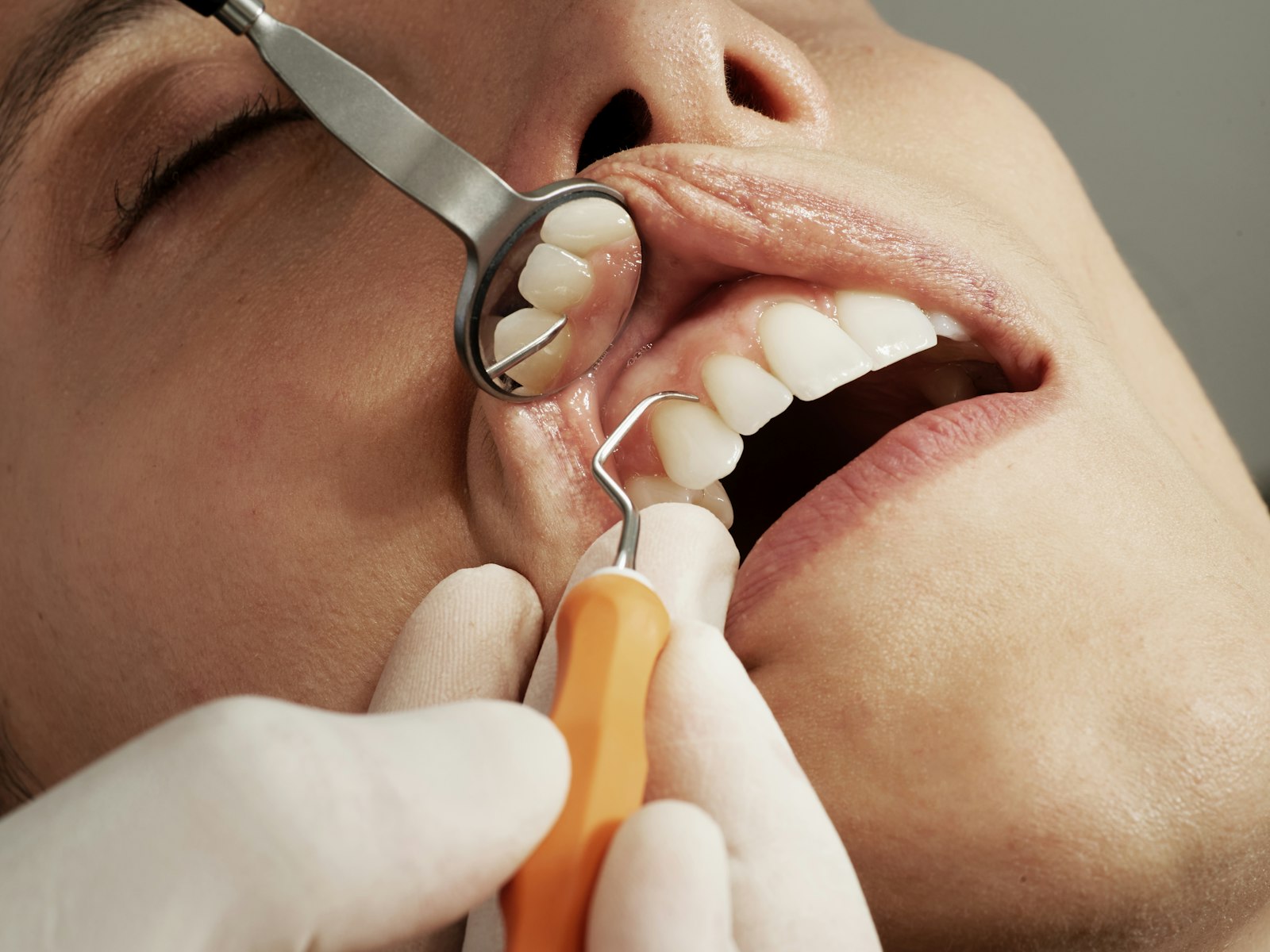
Most CGM sensors sit on the back of the upper arm or on the abdomen, away from where a dental bib clip or headrest positioning would normally make contact. If your sensor happens to be placed somewhere that dental equipment, clothing adjustments or reclining the chair might brush against it, mentioning this to your dental team means they can position you, and any equipment, with that in mind. This is mostly a comfort and adhesion consideration rather than a safety one, since a knock to the sensor is more likely to cause minor irritation or, rarely, affect sensor accuracy temporarily, than to pose any risk during dental treatment itself.
Should you silence glucose alarms during your appointment?
Many CGM users set alarms for high or low glucose readings, and a dental appointment raises a genuine question about whether to leave these audible, switch to vibration, or temporarily silence them. There is no single right answer here, it is a personal safety decision that depends on your own hypoglycaemia risk, how reliably you notice symptoms without an alarm, and how comfortable you are having your phone or receiver accessible during treatment. What matters most is discussing this with your dental team beforehand rather than deciding silently mid-appointment, so everyone understands what an alarm sounding would mean and what should happen next.
Recognising low blood sugar during a longer appointment
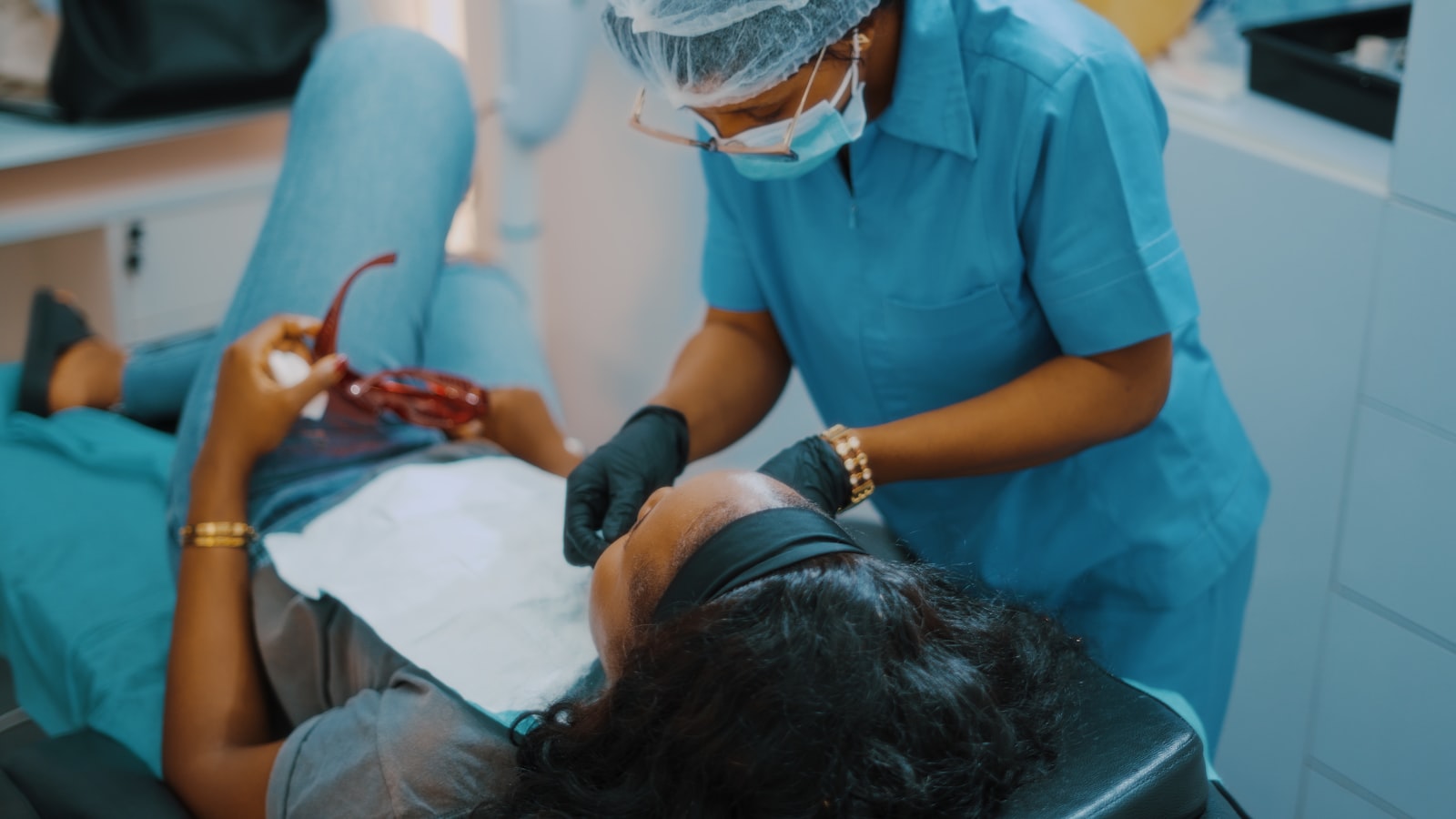
Even with a CGM actively tracking glucose, it is worth knowing the physical signs of hypoglycaemia yourself, since a busy dental team may not be looking at your phone screen throughout treatment: sweating, trembling, sudden light-headedness, confusion or an odd sense of unease are all worth flagging immediately. If you have your CGM readings visible on a smartwatch or phone during the appointment, letting the team know they are welcome to check in with you about trends partway through a long procedure can add an extra layer of reassurance, particularly for appointments that run past your usual meal or dosing times.
What to mention when you book or check in
A short note that you wear a continuous glucose monitor, roughly where it is placed, and your general approach to alarms during medical or dental appointments is usually all the clinical team needs. If you also use an insulin pump or take other diabetes medication, mention that too, since it changes some of the other considerations around your visit even though it does not change anything about the CGM sensor itself.
Frequently asked questions
Will a dental X-ray damage my CGM sensor?
This is not generally expected, since the sensor sits outside the imaging field for standard dental X-rays, panoramic scans and CBCT. Check your specific device's instructions if you want to confirm for your model.
Should I remove my CGM sensor before a dental appointment?
There is generally no need to remove your sensor for a dental visit. Removal and reapplication is a decision for you and your diabetes team based on your monitoring needs, not something a dental appointment usually requires.
What if my glucose alarm goes off during treatment?
Discuss your preference with your dental team beforehand. Some patients want treatment to pause briefly to check the reading, others prefer to glance at it themselves once there is a natural break, and either approach is reasonable if agreed in advance.
Can dental bib clips or the headrest damage the sensor?
This is unlikely if the sensor is in a typical location such as the upper arm or abdomen, but mention your sensor's placement if you are concerned, so the team can position equipment accordingly.
Is a CGM the same as an insulin pump for dental purposes?
No, a CGM only measures glucose and does not deliver insulin, so it raises different questions to an insulin pump. If you use both devices, mention each separately to your dental team.
Does wearing a CGM affect whether I can have sedation for dental treatment?
Wearing a CGM does not generally rule out sedation options, but your overall diabetes management, including any insulin pump use, is an important part of the conversation with your dentist and, where relevant, your GP or endocrinologist before a sedation appointment.
If you wear a continuous glucose monitor and have a dental visit coming up, the team at Lumi Dental is happy to talk through what to expect and how your sensor fits into the appointment. For current new patient offers, see our current deals. You may also find our guides to diabetes and gum disease, dry mouth and xerostomia and hearing aids, cochlear implants and dental treatment useful for other device-related dental questions.

