
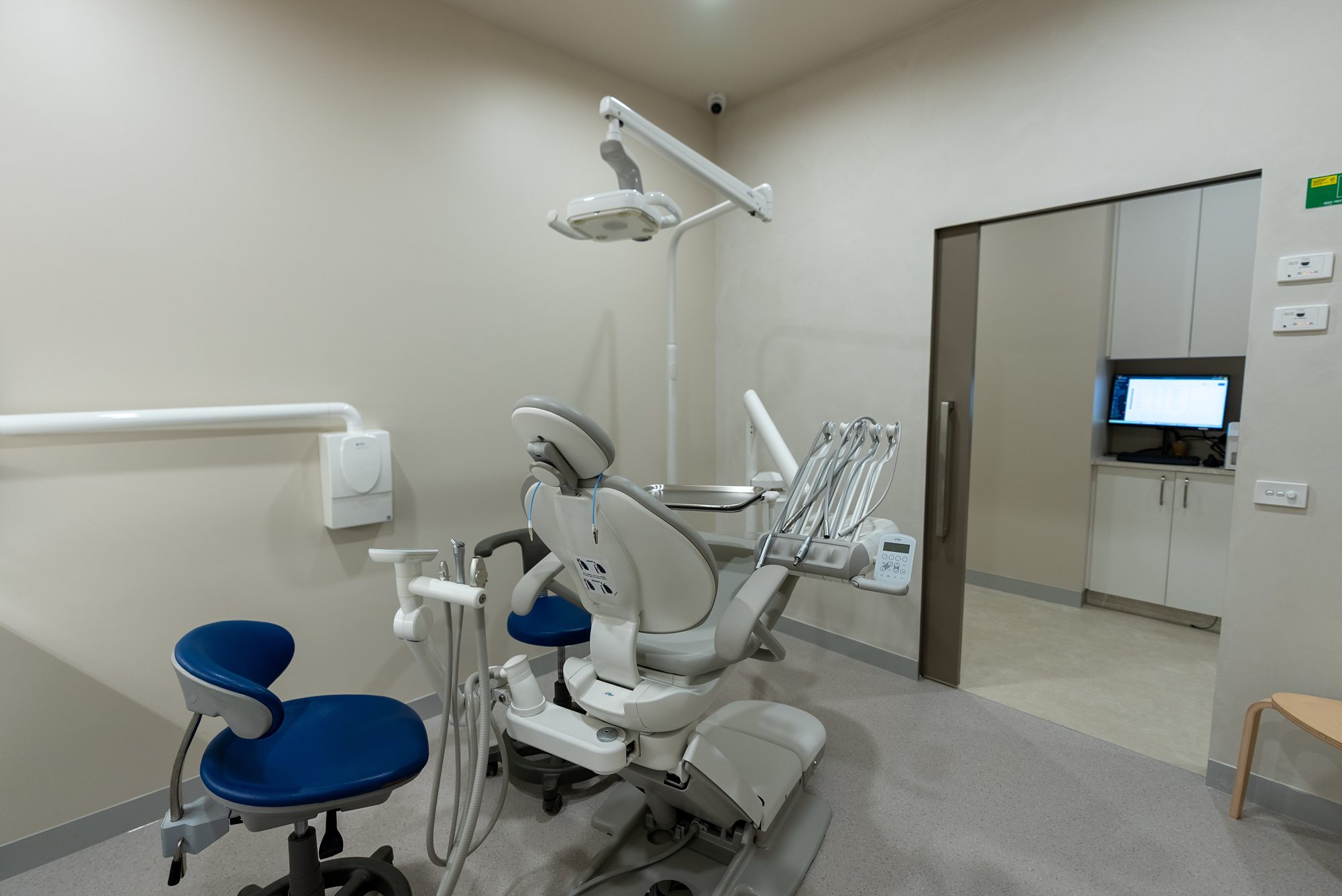

A cracked back tooth can often be kept with a crown or onlay, but once a crack splits the root the tooth usually has to come out, and an implant or bridge then fills the gap. What decides it is how far the crack runs, not how much it hurts. Healthdirect notes that a cracked or broken tooth may need a crown fitted, and for most cracks caught early, that is where the conversation starts.
Written by Dr James Tran, general dentist at Lumi Dental, Melrose Park. BDent (University of Sydney), Graduate Diploma in Oral Implants.
The short version
- The depth of the crack sets the treatment. Pain level is a poor guide.
- A crack that stays in the crown of the tooth can often be held together with a crown or onlay.
- A crack that splits the root usually cannot be sealed, so removal and replacement is discussed.
- X-rays and 3D scans do not always show a crack. Diagnosis leans on bite tests, magnification and probing.
- A sharp pain on biting, or on letting go, is a reason to book an exam soon. Our article on cracked tooth syndrome covers the symptoms in more depth.
Why molars and premolars crack
Back teeth take most of the chewing load. Over years, a large old filling can act like a wedge, pushing the walls of the tooth apart each time you bite. Grinding and clenching add to it, often at night when you are not aware of it. The Australian Dental Association lists fractured and chipped teeth, and cracked fillings, among the signs of grinding.
Root-filled teeth crack more readily too, because less of the tooth is left to absorb force.
Not every line you can see is a problem. Fine enamel lines are very common and usually harmless. The difference is explained in our guide to craze lines versus a cracked tooth. The cracks that matter reach the dentine underneath, where bacteria and biting pressure can travel towards the nerve.
What a cracked tooth tends to feel like
The classic complaint is a sharp, brief pain when biting on something firm, often a seed or a crust. Sometimes the zing comes on release, as the jaw opens and the two sides of the crack snap back together. Patients often cannot say which tooth it is.
Other signs include cold sensitivity that comes and goes, pain with only certain foods, and days or weeks with no symptoms at all. A small pimple on the gum beside the tooth, or a bad taste, can mean the crack has let infection reach the nerve or the bone.
Finding the crack is the hard part
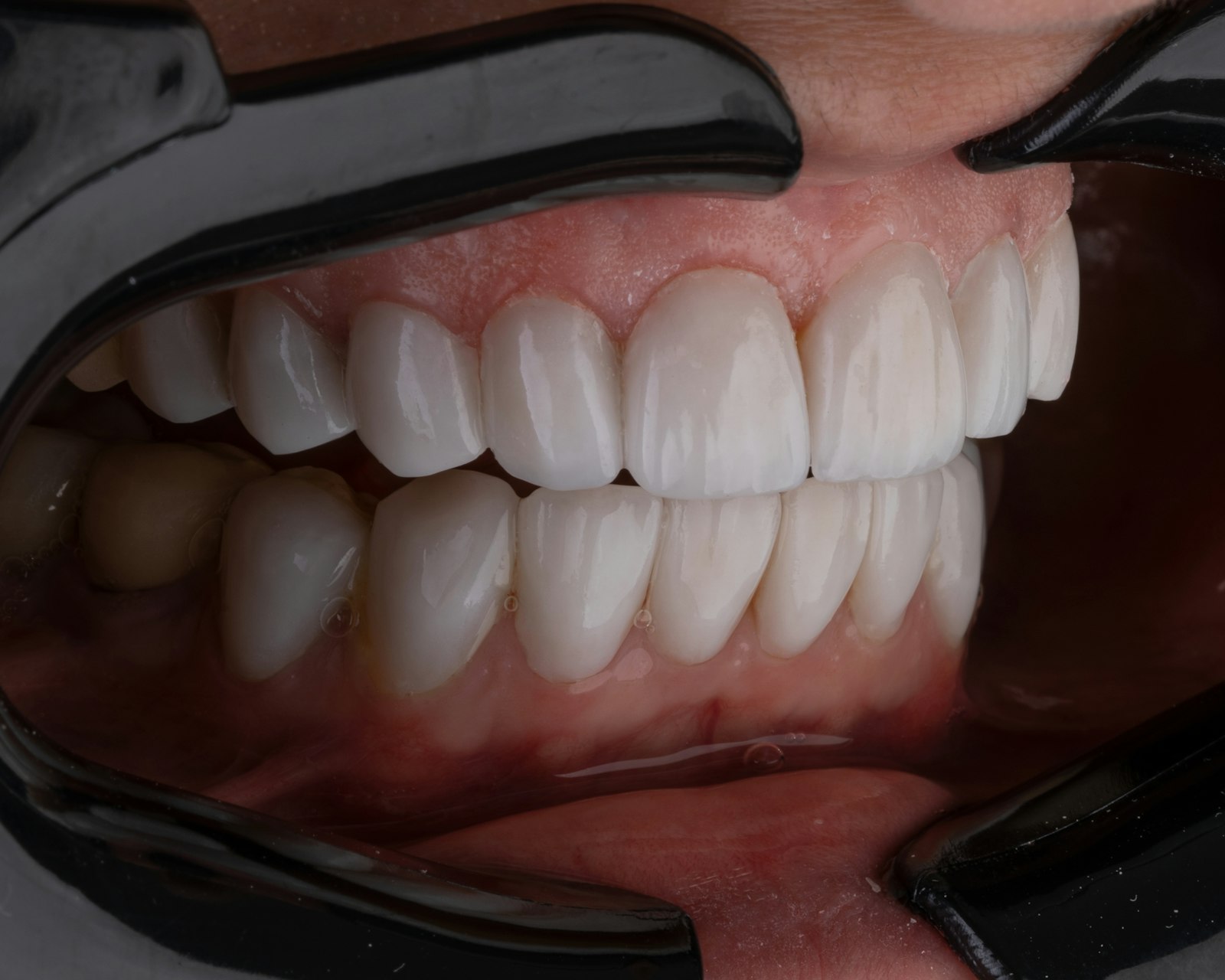
This surprises people. A crack fine enough to cause real pain may be invisible on an X-ray, because the two sides sit tight against each other and the beam passes straight through the gap. A 3D scan can show bone loss around a root that suggests a split, but it still may not show the crack line itself.
So the exam is hands-on. I use magnification and a strong light to look along the tooth, then ask you to bite on a small plastic tool one cusp at a time. When it hits the cracked part, most people know straight away. I also probe the gum around the tooth. A single narrow, deep pocket in otherwise healthy gum is a warning sign of a crack running down the root.
How far the crack runs decides the plan
The further a crack travels towards the root tip, the harder the tooth is to keep.
Within the crown
The most favourable case. Covering the cusps stops them flexing apart, and many of these teeth settle down once they are protected.
Just below the gum
Harder to judge. The crack may end a millimetre or two below the gum line, or it may reach the bone. Some of these teeth can still be kept, sometimes after a root canal. The outlook is less certain, and I say so before we start.
Down the root
A vertical split through the root cannot be sealed. Bacteria follow the split, and the bone beside it tends to break down. Our article on horizontal and vertical root fractures explains why these are handled differently.
| What we find | What it usually looks like | Options commonly considered |
|---|---|---|
| Craze lines | Fine enamel lines, no symptoms | Monitoring, and a night guard if you grind |
| Fractured cusp | A corner of the tooth breaks off, often painless | Onlay or crown |
| Crack within the crown | Sharp pain on biting, crack line across the top | Crown or onlay, sometimes after a root canal |
| Crack reaching the nerve | Lingering pain with hot or cold, pain at night | Root canal then a crown, or removal |
| Split tooth | The tooth moves as two pieces | Usually removal |
| Vertical root fracture | Narrow deep gum pocket, swelling, bone loss on imaging | Removal, then an implant or bridge |
Keeping the tooth with a crown or onlay
A crown or onlay works like a splint. It wraps over the cusps so that biting force is spread across the whole tooth instead of prising the crack open. An onlay covers the biting surface and some of the cusps, so more natural tooth is kept. A crown covers everything above the gum. The trade-offs are set out in our guide to inlays, onlays, crowns and fillings.
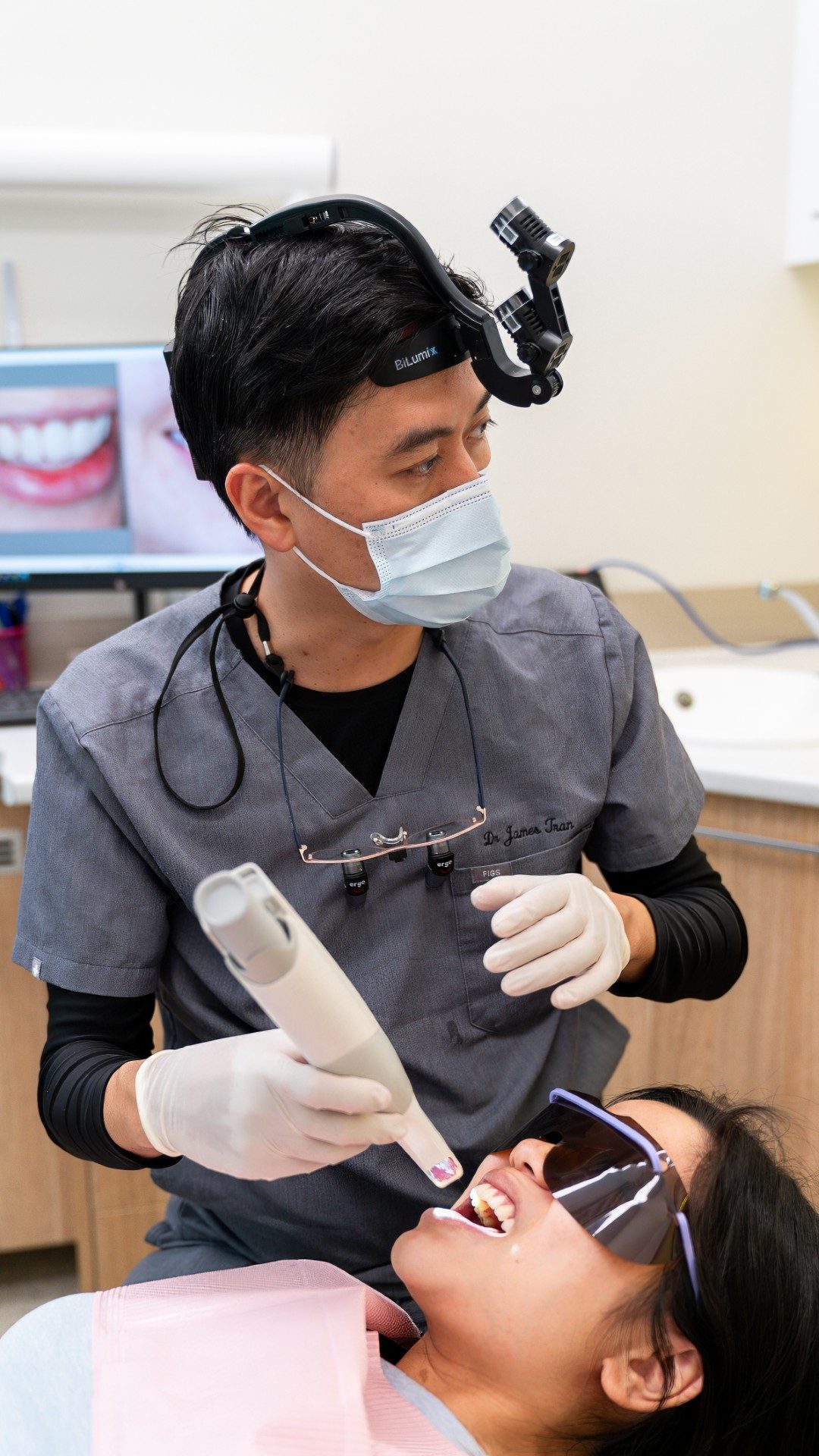
At the first appointment the tooth is numbed, shaped and scanned. The scan takes a few minutes and replaces the putty impression many people remember. A temporary goes on, and the final restoration is fitted at a second visit. If biting pain lingers once the temporary is on, the nerve may already be inflamed and a root canal can be needed before the final crown.
Covering a cracked tooth early can lower the chance of the crack travelling further. It cannot stop it completely, and I would rather you heard that from me now than later.
When the tooth has to come out
If the crack splits the root, or runs so far below the bone that it cannot be sealed or kept clean, leaving the tooth in place usually causes more harm than good.
Once the tooth is out, there are three usual ways to fill the gap. An implant replaces the root and does not involve the teeth either side. The Australian Dental Association describes an implant as a replacement root placed in the jawbone where the original tooth was. A bridge is often quicker, but the neighbouring teeth are shaped to hold it. A partial denture is the simplest option.
Bone volume, gum health and the state of the neighbouring teeth all feed into the choice.
If the crack stays above the bone, start with a crown
That is the simple rule. If the crack can be sealed and kept clean, try to keep the tooth with a crown or onlay. If it splits the root or cannot be reached, talk about removal and replacement. If the picture is unclear, a careful exam with imaging and bite testing usually settles it, and nothing is decided until you have seen the findings yourself.
How we approach cracked teeth at Lumi Dental
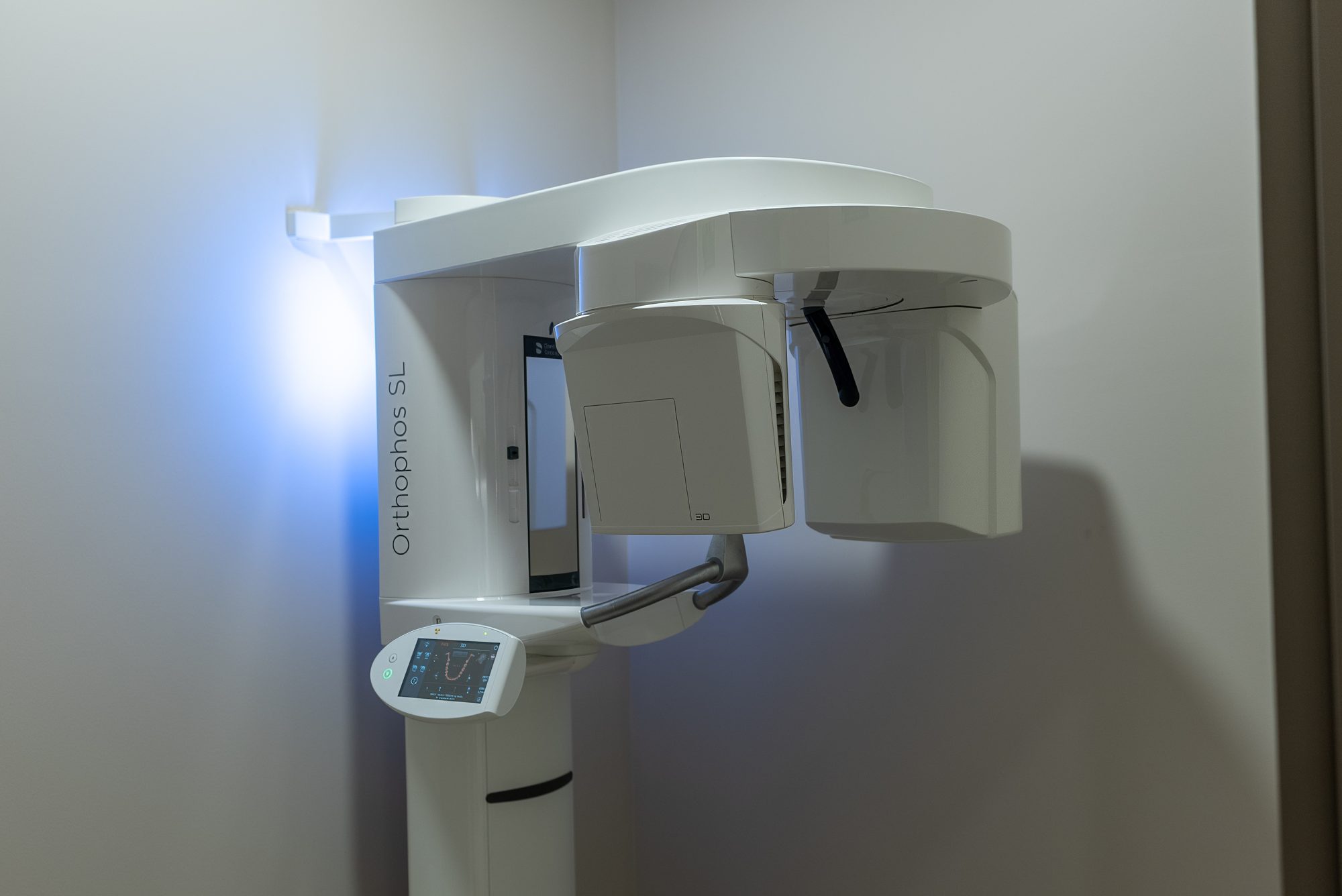
Dr James Tran is a general dentist at Melrose Central, Melrose Park. The Orthophos 3D X-ray unit takes OPG and 3D scans on site, so imaging can usually be arranged without sending you elsewhere. Crowns and onlays are planned from a 3D intraoral scan, with in-house 3D printing as part of the set-up. Lumi Dental is mercury-free, so old amalgam fillings are replaced with tooth-coloured materials rather than more amalgam. Where a case needs a registered specialist, the team refers on and explains why.
How soon should you be seen?
A cracked molar is not always an emergency, but waiting rarely helps. Book promptly for biting pain, a bad taste or a pimple on the gum. Book the same day for severe pain, swelling, or a piece of tooth breaking away and leaving a sharp edge. Until then, chew on the other side.
Questions patients ask
Can a cracked back tooth heal on its own?
No. Tooth structure does not knit back together the way bone does. A crown or onlay aims to stop the crack spreading, not to repair it.
Does a cracked molar always need a root canal?
No, only when the crack has reached or inflamed the nerve. Many cracked molars are treated with a crown alone. The trade-off between saving and removing a tooth is covered in root canal versus extraction.
Why did my X-ray look normal?
Because a tight crack can be too fine to show. A normal X-ray does not rule out a crack, which is why bite testing and probing matter so much.
Is a crown or an implant better for a cracked molar?
They solve different problems. A crown protects a tooth that can still be kept, and an implant replaces one that cannot. The crack depth decides which applies.
Can grinding cause a cracked back tooth?
Yes, grinding and clenching put repeated stress on molars and are a common contributor. A night guard can reduce the load.
Book an exam at Lumi Dental in Melrose Park
If you think you have a cracked back tooth, the team at Lumi Dental in Melrose Park, Sydney can examine it, show you what they find and talk through keeping it or replacing it. You will get a written quote before any treatment starts. To book a consult, contact the practice. You can also read about crowns and bridges and dental implants at Lumi Dental beforehand.
Sources
- healthdirect: Dental injury
- healthdirect: Dental crown procedure
- Australian Dental Association: Teeth grinding
- Australian Dental Association: Dental implants
About the author

Dr James Tran is a general dentist at Lumi Dental in Melrose Park, Sydney, and is registered with the Dental Board of Australia. He holds a Bachelor of Dentistry from the University of Sydney and a Graduate Diploma in Oral Implants, is a Member of the International Congress of Oral Implantologists (MICOI), and is part of the General Dental Residency faculty. Read more about Dr James.
This article is general information and is not a substitute for advice from your own dentist after an examination. All dental treatment carries risks, and individual results vary.


