Sensitivity usually reacts to temperature. A crack usually reacts to pressure. If a cold drink makes several teeth sting for a moment, worn enamel or exposed roots are the more likely cause, but if one tooth gives a sharp jolt when you chew, and especially as you let go of the bite, a crack moves higher on the list.
Written by Dr James Tran, dentist at Lumi Dental.
Notice what sets the pain off
The pattern of the pain is often more telling than how strong it is. This comparison covers the usual differences, although some teeth do not fit neatly into either column.
| Feature | General sensitivity | Cracked tooth |
|---|---|---|
| Usual trigger | Cold, heat, sweet foods or cold air | Biting, and releasing the bite |
| How many teeth | Often several, or a whole side | Usually one particular tooth |
| How long it lasts | A brief sting that fades once the trigger is gone | A sharp jolt; temperature twinges can linger |
| Pattern over time | Fairly predictable | Comes and goes, sometimes with weeks of no pain |
| Chewing | Usually comfortable | Painful on certain foods or at certain angles |
Ordinary sensitivity tends to be spread out
Everyday sensitivity is a short, sharp response to something cold, hot or sweet, or to a breath of cold air, and it settles as soon as the trigger is removed. It often involves several teeth, typically near the gumline where enamel is thinnest or where gum recession has exposed the root surface. Brushing too hard, acidic food and drink, and gum recession are common reasons. Our guide to sensitive teeth goes through the causes and what can help, and our article on enamel erosion looks at one of the most frequent underlying problems.
A crack shows itself when you chew
When you bite on a cracked tooth, the cracked part flexes very slightly, which moves fluid in the tiny channels of the dentine underneath and sets off the nerve. As you release, the tooth springs back, and that is often when the sharpest pain arrives. People describe it as an electric jolt from one spot, usually on something firm or chewy.
Cracks are also unpredictable. A tooth may hurt on one food and not another, react to cold one week and not the next, or feel fine for a long stretch. That on-and-off behaviour is one reason it can be hard to say which tooth is to blame. If a crack lets bacteria reach the nerve, the pain can change into a deeper, more constant ache.
Some signs point beyond either one
A throbbing ache that keeps you awake, pain that lingers long after a hot or cold drink, swelling, or a tooth that has visibly broken suggest the nerve or surrounding tissues are involved. These need prompt care, and our guide to dental emergencies explains when to seek help the same day.
What to tell the dentist
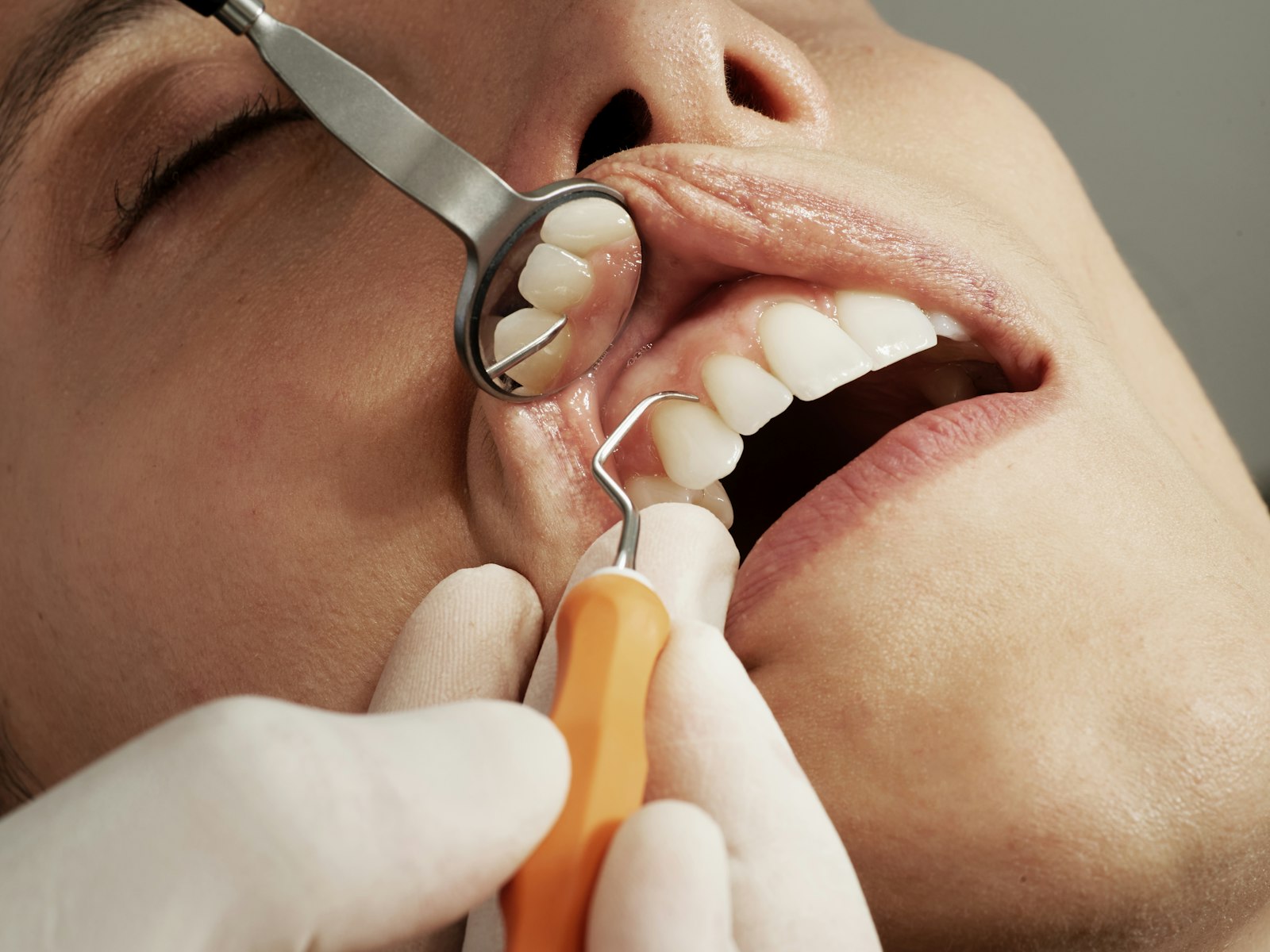
Fine cracks often do not appear on X-rays, because they run in a direction the image cannot capture and the two halves sit tightly together. That makes your own description valuable. It helps to note which side of the mouth hurts, which foods set it off, whether the pain comes on biting or on releasing, and how long a cold twinge lasts. Saying that it hurts when you let go after biting points the dentist straight towards a possible crack.
The examination then fills in the rest. A bite test, using a small tool that loads one cusp at a time, can reproduce the pain. A dye that soaks into a crack, bright light and magnification can help trace it, and X-rays help rule out decay or infection as the cause.
The two are treated very differently
General sensitivity is often managed at home and in the chair together. A toothpaste for sensitive teeth, a softer brush and gentler technique, and changes to acidic habits can help, and a dentist or OHT may apply a fluoride varnish or seal exposed root surfaces. Finding and addressing the cause, such as recession or wear, matters as much as easing the symptoms.
A crack needs the tooth itself to be protected. A small crack may be managed with a bonded filling or an onlay. A larger one is often covered with a crown that holds the tooth together and stops it flexing. If the crack has reached the nerve, root canal treatment may be needed first, as our article on root canal versus extraction explains, and a crack that has split the root usually means the tooth cannot be kept. The sooner a crack is found, the more of these options remain open.
Until your appointment
If you suspect a crack, chew on the other side, avoid very hard or chewy foods, and book a check rather than waiting for it to settle. Over-the-counter pain relief can ease discomfort but does not treat the cause. If you grind or clench your teeth, mention it, because grinding loads teeth heavily and a night guard may help protect them.
Two things people often ask
Can a cracked tooth heal by itself?
No. Tooth structure does not knit together the way bone does, so a crack stays and can spread with continued chewing. Treatment aims to protect the tooth and stop the crack extending, although a crown cannot guarantee that every crack stops.
Can a sensitive tooth turn into a cracked one?
Sensitivity itself does not cause cracks, but some of the same habits, such as heavy grinding, can contribute to both worn enamel and cracking. If sensitivity is new, centred on one tooth or linked to chewing, it is worth having checked.
Having it looked at
Sensitivity tends to involve temperature and several teeth, while a crack usually shows up as sharp pain on one tooth when you bite or let go. Because cracks can grow and are easy to miss, an early check is worthwhile. If a tooth is giving you bite pain, the team at Lumi Dental in Melrose Park can assess it. Read more about our general dental care or see current offers on the deals page. This article is general information and not a substitute for personal dental advice.