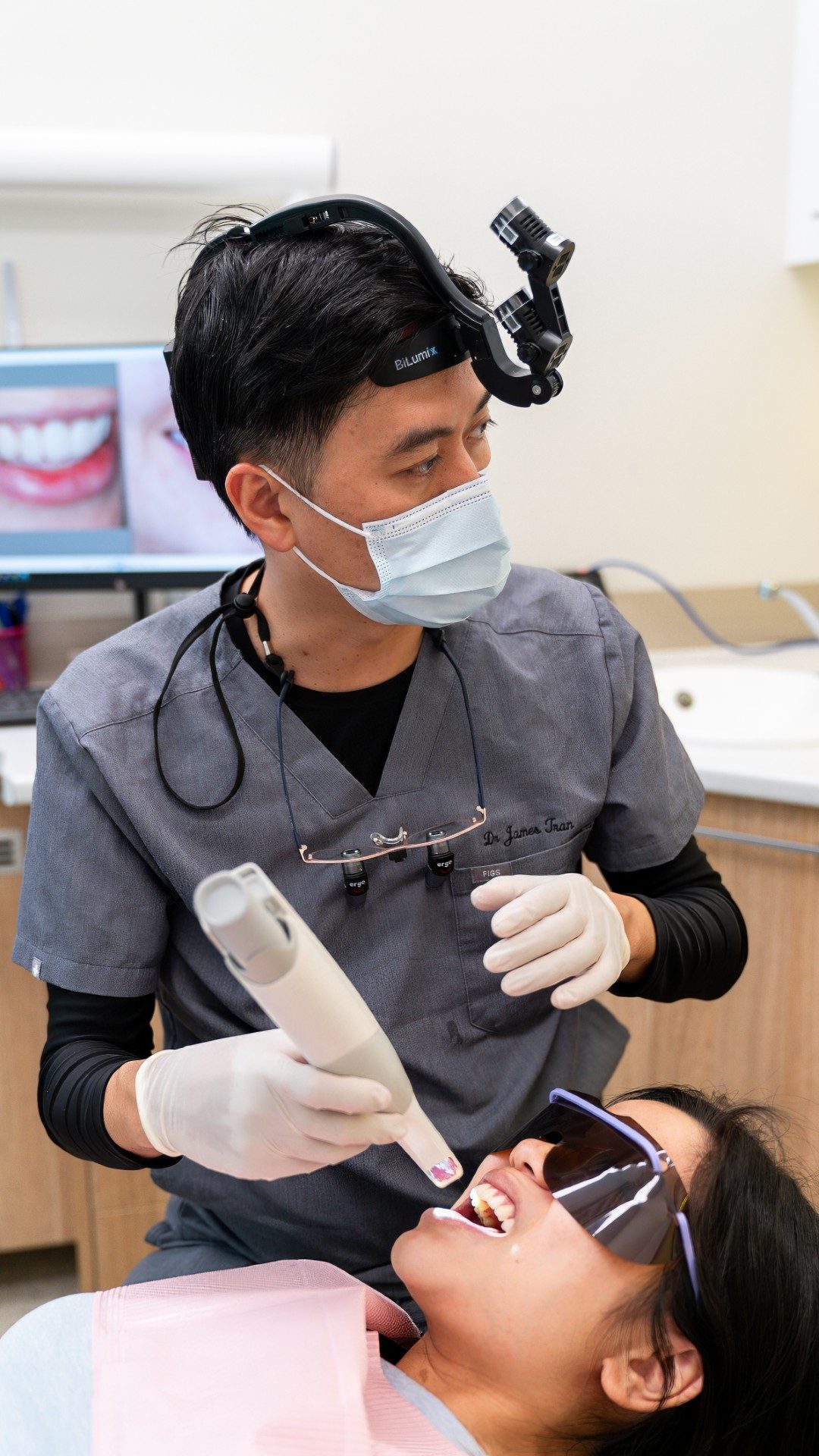

A deep bite is a bite in which the upper front teeth overlap the lower front teeth too far vertically, and it is usually treated by levelling the bite with braces or clear aligners, rebuilding worn or missing back teeth, or, in severe skeletal cases, with jaw surgery. Orthodontics Australia describes a deep overbite as the top front teeth covering more than one-third of the lower front teeth, against a normal overlap of around 2 to 3 millimetres. Many people have one without knowing; the first clue is often worn lower front teeth.
Written by Dr James Tran, BDent (University of Sydney), MICOI, GradDip (Oral Implants), general dentist at Lumi Dental in Melrose Park.
The short version
- A deep bite is a vertical problem: the upper front teeth cover too much of the lower ones. An overjet is horizontal. Our guide to overbite versus overjet explains the difference.
- Common causes are inherited jaw shape, over-erupted front teeth, and worn or missing back teeth that let the bite close further than it should.
- Left alone, a deep bite can wear the front teeth, damage the gum behind the upper teeth and leave no room for crowns or veneers.
- Mild to moderate cases caused by tooth position can often be treated with clear aligners or braces; severe or skeletal cases are referred to a registered specialist orthodontist.
- Where worn or missing back teeth are the cause, rebuilding them is part of the plan.
- Deep bites tend to relapse, so retention afterwards is long term.
What a deep bite is, and how it differs from an overjet
With the back teeth together, the upper front teeth normally sit a little in front of and a little over the lower front teeth. The vertical part of that overlap is the overbite; a deep bite, also called an increased overbite, is where it is excessive, so that most or all of the lower front teeth disappear behind the upper ones. In pronounced cases the lower incisors bite into the gum behind the upper teeth. An overjet is the horizontal measurement, how far forward the upper teeth sit, with Orthodontics Australia giving a normal range of 1.5 to 2.5 millimetres. A person can have either or both.
What causes a deep bite
Inherited jaw and face shape
The most common cause is the size and position of the jaws and teeth, which is largely inherited. A short lower face and strong chewing muscles push the front teeth into deeper overlap. This is the skeletal deep bite, the type most likely to need an orthodontist. Orthodontics Australia notes that childhood habits such as prolonged thumb sucking can worsen inherited traits.
Over-erupted front teeth
Teeth keep erupting until they meet something. If nothing stops the lower front teeth, they continue upward until they touch the palate behind the upper teeth. This is a dental deep bite in a normal jaw, the type that responds best to tooth movement alone.
Worn or missing back teeth
The back teeth hold the bite open like pillars. When they are lost and not replaced, or worn flat by grinding or acid erosion, the jaw closes further and the front teeth overlap more each year. In my experience this is the deep bite I see most in adults over 40, and it is one reason a missing back tooth matters even when nothing hurts. Clenching and grinding accelerate the wear.
The problems a deep bite causes
Orthodontics Australia lists increased wear, with shortening of the front teeth, and gum damage where the lower teeth contact the gum behind the upper teeth, among the complications of an untreated overbite.
- Tooth wear. The edges of the lower incisors and the backs of the upper incisors grind against each other, so the lower front teeth shorten and the upper ones thin from behind. Our guide to attrition, erosion and abrasion explains the wear types.
- Gum trauma. Lower incisors biting into the palate cause soreness, indentations and, over time, recession behind the upper front teeth.
- No room for restorations. Veneers or crowns on worn upper front teeth often cannot be placed because the lower teeth occupy the space.
- Jaw muscle discomfort. Orthodontics Australia notes a misaligned bite may contribute to jaw pain and headaches, but the research linking deep bite to jaw joint disorders is mixed. Our article on whether orthodontic treatment causes or fixes TMJ problems looks at the evidence.
Mild, moderate or severe: what you notice and the usual options
| Severity | What you tend to notice | Usual options |
|---|---|---|
| Mild | Upper teeth cover a little more than a third of the lower teeth; no gum contact; slight edge wear | Monitoring, or aligners or braces if wear is progressing |
| Moderate | Most of the lower teeth hidden; visible wear; no space for crowns or veneers | Aligners or braces to intrude front teeth; rebuild worn or missing back teeth; referral if skeletal |
| Severe | Lower teeth bite into the palate; marked wear; short lower face | Specialist orthodontist; braces with bite-opening mechanics, jaw surgery in skeletal cases |
If the deep bite comes from the teeth, start with tooth movement; if it comes from the jaws, start with an orthodontist
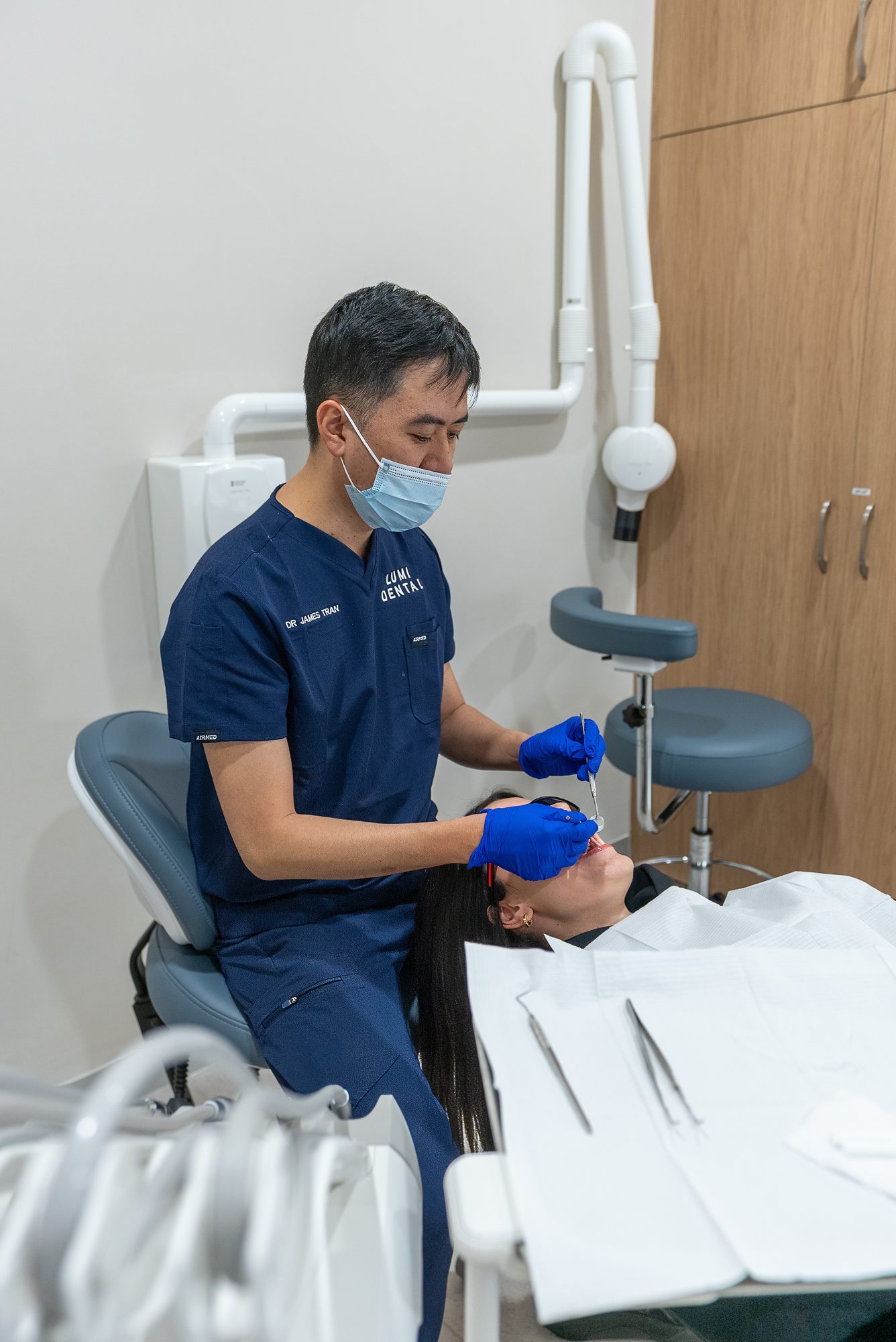
That single question, dental or skeletal, decides almost everything else. The examination answers it with a few measurements: the amount of overlap, whether the lower incisors have over-erupted, whether the back teeth are worn or missing, the height of the lower face, and what a lateral X-ray shows about the jaws. A dental deep bite in a normal jaw is often within the scope of a general dentist using clear aligners; a skeletal or severe deep bite, or one in a growing child, belongs with a registered specialist orthodontist from the outset.
Treatment options
Children: early assessment and growth
Orthodontics Australia recommends an assessment by a registered specialist orthodontist between the ages of 8 and 10, once the front adult teeth have come through, and notes that deep bites can be detected at that age. Treatment during growth can use that growth to open the bite, which is why overbites tend to be easier to treat in children and teenagers. Our guide to when a child should have a first orthodontic check covers what to expect.
Braces and clear aligners in adults
Correcting a deep bite means intruding the front teeth, pushing them back into the bone, and extruding the back teeth to raise the bite. Braces do this with wires and sometimes small bone anchors. Clear aligners use attachments on the teeth and bite ramps built into the upper aligners, which keep the back teeth apart so they can erupt while the front teeth are pressed in. The NHS describes a fixed brace as typically worn for 1 to 2 years, with adjustments every 6 to 8 weeks.
A systematic review of 18 studies in Clinical Oral Investigations concluded that clear aligners can effectively correct mild to moderate dentoalveolar deep bites, but that their effectiveness in skeletal cases compared with fixed braces remains uncertain. Achieved correction reached only around 33 to 49 percent of what was planned, so overcorrection or refinement aligners are usually needed, and the evidence quality was rated low. In plain terms: aligners can work for the right deep bite, but expect refinements, and do not expect them to replace braces or surgery for a jaw problem.
Rebuilding worn or missing back teeth
Where the bite has deepened because back teeth are missing or worn flat, moving the front teeth alone does not hold. Implants or bridges for missing teeth and crowns or composite for worn ones rebuild the pillars that keep the bite open, sometimes after orthodontics and sometimes as the whole treatment.
Jaw surgery for severe skeletal cases
When the deep bite is in the bone, Orthodontics Australia notes that surgery may be required, with the orthodontist working alongside a specialist surgeon.
Retention
Deep bites tend to relapse because the muscles and growth pattern that caused the overlap remain, so a retainer is worn long term. Our guide to retainer types and how long to wear them explains the options.
How we approach this at Lumi Dental
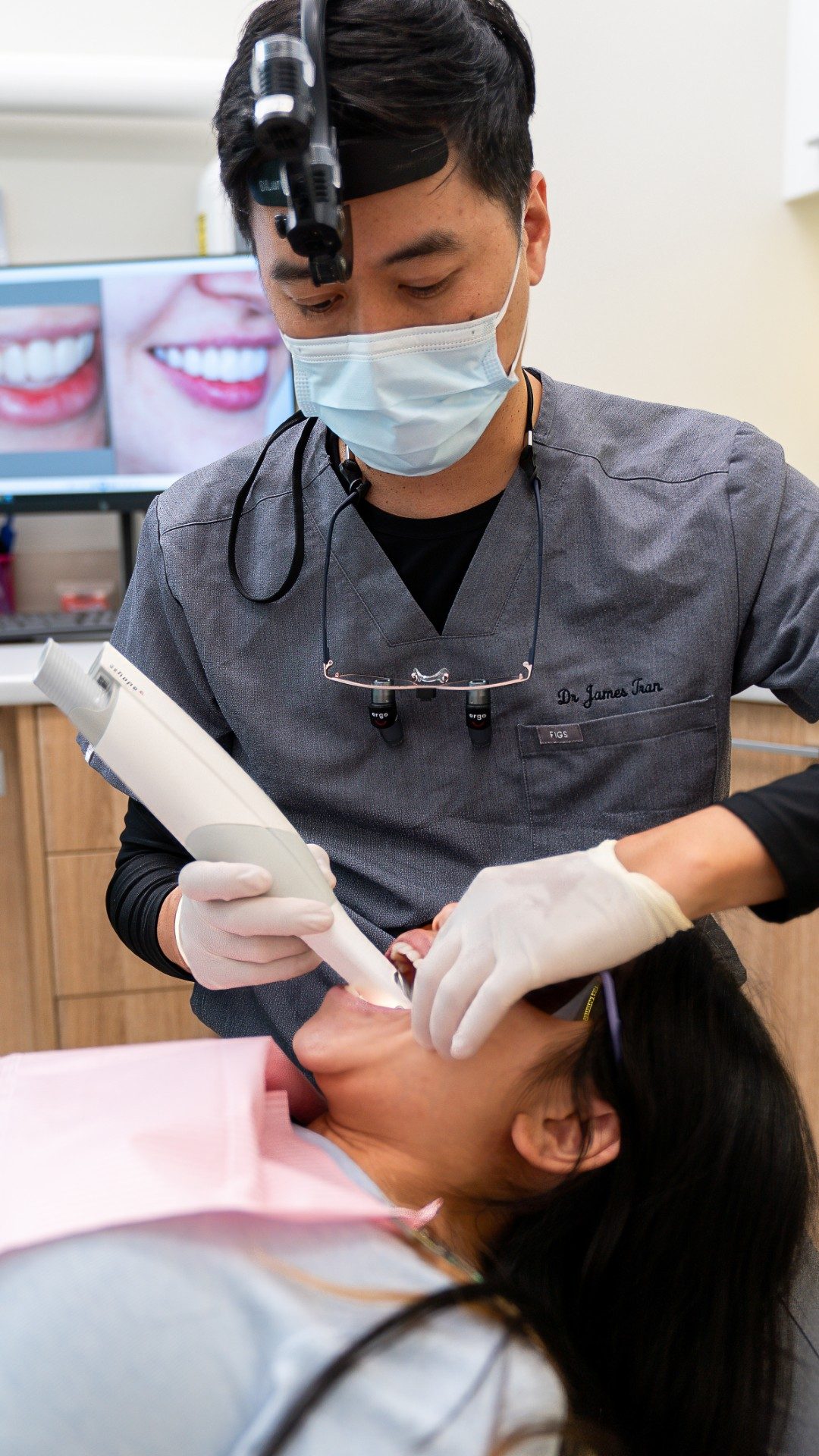
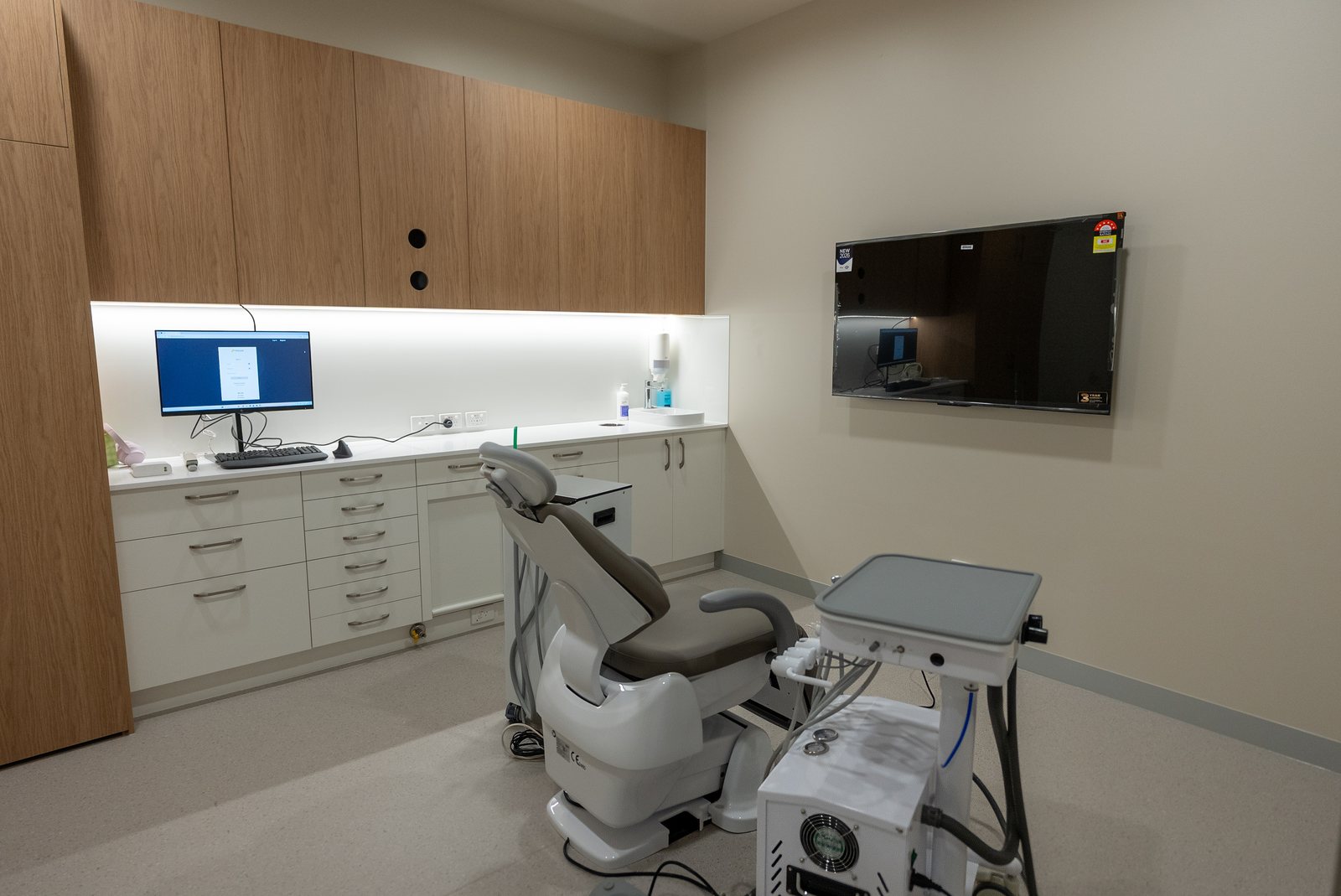
At Lumi Dental in Melrose Park, a deep bite is usually picked up at a routine examination from wear on the lower front teeth or marks on the palate. The dentist measures the overbite and overjet, takes a 3D intraoral scan and, where needed, a 3D X-ray, and works out whether the problem is dental or skeletal. Mild to moderate dental deep bites can be treated at the practice with clear aligners, which I usually plan with bite ramps and refinements from the start, with worn or missing back teeth rebuilt as part of the same plan. Severe or skeletal cases, and children who need growth modification, are referred to a registered specialist orthodontist.
Questions patients ask
Is a deep bite the same as an overbite?
A deep bite is an overbite that is too large. Everyone has some vertical overlap of the front teeth; it becomes a deep bite when the upper teeth cover more than about a third of the lower teeth.
Can clear aligners fix a deep bite?
Often, for mild to moderate deep bites caused by tooth position. Reviews report that the achieved bite opening usually falls short of the plan, so refinements are common. Skeletal or severe deep bites generally need braces, sometimes with surgery.
Does a deep bite get worse with age?
It can, particularly when back teeth are lost or worn down, because the bite closes further and the front teeth overlap more. Grinding speeds this up; replacing missing back teeth slows it.
Does a deep bite cause jaw pain or TMJ problems?
Sometimes, but not reliably. A misaligned bite may contribute to jaw muscle discomfort, and the research on deep bite and jaw joint disorders is mixed, so jaw pain is assessed on its own merits.
Can a general dentist treat a deep bite or do I need an orthodontist?
A general dentist can treat mild deep bites with clear aligners and refers complex or skeletal cases to an orthodontist. Our article on orthodontists versus general dentists for braces and aligners explains who does what.
Think you have a deep bite? Complimentary aligner consult in Melrose Park
If your lower front teeth are wearing down, or your lower teeth disappear when you bite together, the team at Lumi Dental in Melrose Park can measure the bite and say whether aligners are suitable or a specialist referral is the better path. Book a complimentary aligner consultation or read more about clear aligners at Lumi Dental. Patients visit from Ryde, Parramatta, Ermington, Rydalmere and nearby suburbs.
Sources
- Orthodontics Australia: Overbite vs overjet, causes and treatment
- Orthodontics Australia: Benefits of early orthodontic treatment
- NHS: Braces
- PubMed (Clinical Oral Investigations): Effectiveness and accuracy of clear aligners in treatment of deep bite, a systematic review
About the author
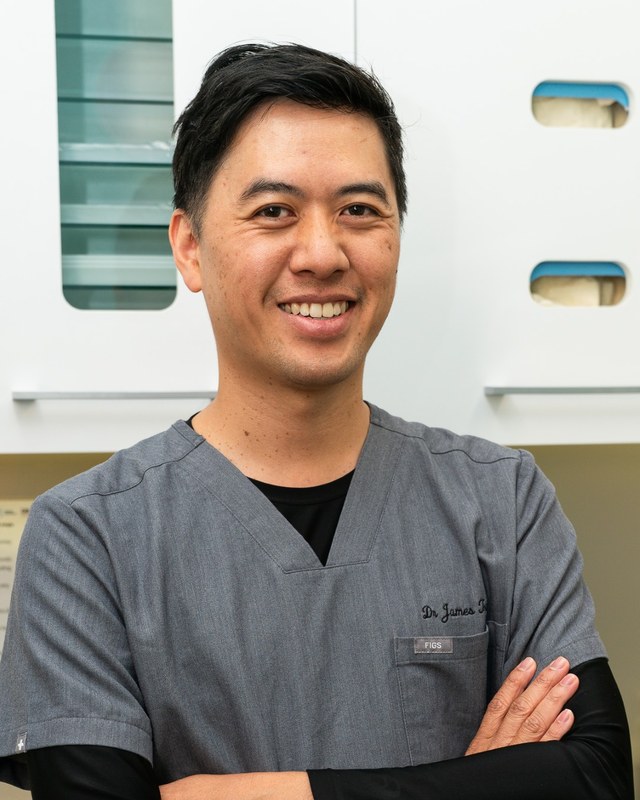
Dr James Tran is a general dentist at Lumi Dental in Melrose Park. He holds a BDent from the University of Sydney and a Graduate Diploma in Oral Implants, and is a Member of the International Congress of Oral Implantologists (MICOI).
This article is general information only and is not a substitute for an examination and individual advice from a registered dental practitioner. Suitability for any treatment varies from person to person.