
Dentures can feel loose after weight loss or a course of GLP-1 medication because the tissue, fat and saliva that hold them in place change, even though the denture itself has not. Patients who find their dentures loose after weight loss usually blame shrinking gums, but a drier mouth and thinner cheeks are often doing more of the work. The Better Health Channel lists loose acrylic dentures among the symptoms of dry mouth, because saliva creates the suction between gum and denture base, and dry mouth is a recognised side effect of weight loss medicines.
Written by Dr James Tran, BDent (University of Sydney), MICOI, GradDip (Oral Implants), general dentist at Lumi Dental in Melrose Park.
The short version
- A denture is held by ridge contact, a border seal and a film of saliva; change any of those and it feels looser.
- Large or rapid weight loss can change the tissue under a denture. A small loss mostly changes how it feels.
- GLP-1 medicines such as semaglutide reduce appetite and slow stomach emptying; nausea, reflux and dry mouth are reported side effects, and dry mouth alone can loosen a denture.
- The single rule: while your weight is still moving, reline rather than remake. Commit to a new denture or implants once weight has held steady for a few months.
- Adhesive is a stopgap, a soft reline buys comfort, a hard reline or rebase restores the fit, and an implant-retained overdenture suits a ridge that no longer holds. See our comparison of denture relines versus new dentures.
Why a denture depends on what sits underneath it
A full denture is held by three things: how closely its fitting surface matches the gum ridge, a seal where its border meets the cheeks, lips and palate, and the layer of saliva between acrylic and gum that creates suction. Partial dentures also clasp natural teeth, so they are less affected.
None of these is fixed. The Better Health Channel notes that bone changes after extractions can loosen a denture and that any denture may need relining or replacing as the gums change. When a patient tells me the denture has gone loose, I want to know which has changed: the ridge, the seal or the saliva. Weight loss and GLP-1 medicines can touch all three.
Weight loss and denture fit: what the evidence actually says
The research here is thinner than most people assume. A Canadian health technology agency, asked by a Veterans Affairs dental consultant to review the literature, found no published studies showing that weight loss affects denture fit or stability. The consultant doubted that a modest loss of around 5 kg could change the fit and suspected only large losses, in the order of 20 to 25 kg, would make a real difference. The prosthodontists he consulted offered an explanation that matches what I see chairside: a patient who loses weight loses fluid and some fat from the cheeks, so the denture feels smaller and looser while the fitting surface still matches the ridge.
That does not make the complaint imaginary; it means the first step is an examination rather than a remake. If the fitting surface still matches the ridge, the fix is about the seal and the saliva. If the ridge has changed, more likely after large or rapid loss, years of wear, or in the thinner lower jaw, the denture needs new material against the gum.
What GLP-1 medicines change in the mouth
Semaglutide (sold as Ozempic and Wegovy), tirzepatide (Mounjaro) and liraglutide (Saxenda) act like the hormones your body releases when you eat. According to healthdirect, they reduce hunger and slow stomach emptying; common side effects are nausea, vomiting, constipation, diarrhoea and reflux, and dry mouth is on its list of other side effects.
Dry mouth and lost suction
A letter in a peer-reviewed dental journal describes dry mouth as among the most frequently reported oral complaints with semaglutide, often with bad breath nicknamed "Ozempic breath". Saliva creates the suction under an acrylic denture, so a drier mouth means a looser upper plate, more rubbing and more reliance on adhesive.
Nausea, reflux and appetite
Vomiting and reflux bathe the mouth in acid; the same letter advises fluoride mouthrinses and not brushing straight after vomiting. Reduced appetite collides with a loose denture too: chewing is tiring, food gets softer, and healthdirect advises eating enough protein to avoid losing muscle. Our guide to weight loss injections and your mouth covers the wider dental picture.
If your weight is still changing, reline; once it has held steady, decide on the definitive denture
That is the single rule I give patients on a weight loss program, with or without medication. A new denture is made to the shape of the ridge on the day the impression is taken; if the tissue keeps changing, it is chasing a moving target and may need its own reline before it is a year old. A reline replaces only the material against the gum and keeps the teeth and bite you are used to. So: adjust, reline while weight is moving, and plan the definitive denture or implant-retained overdenture once weight has plateaued for a few months.
Options for a loose denture compared
| Option | What it involves | When it fits | Limits |
|---|---|---|---|
| Denture adhesive | Cream, strip or powder on the fitting surface | Stopgap; dry mouth; waiting for a reline | Masks a poor fit; must be cleaned off daily |
| Soft reline | A cushioned layer inside the denture | Sore or thin ridges; comfort during active weight change | Wears and stains faster; usually temporary |
| Hard reline | New hard acrylic from a fresh impression | Teeth and bite still good; weight has levelled off | Does not fix worn teeth or a tired bite |
| Rebase | The whole pink base replaced, keeping the teeth | Cracked or often-repaired base with sound teeth | More laboratory time; same teeth, same wear |
| New denture | New impressions, bite records, try-in | Worn teeth, changed bite, large ridge change | Best made once weight is stable |
| Implant-retained overdenture | A few implants with clips that hold the denture | Lower dentures that will not stay put, thin ridges, ongoing dry mouth | Needs adequate bone and healing; clips wear and are replaced |
Sore spots, thrush and nutrition while things settle
A denture that has started to move will rub. The Better Health Channel advises returning to your dental clinic as soon as possible for a sore spot, and seeing a practitioner for any ulcer lasting more than two weeks. Do not file the denture yourself; see our guide to denture sore spots.
Dry mouth and a loose denture also invite thrush under the plate, a red and sometimes sore area the shape of the denture. Take the denture out at night, clean it with a denture brush and mild soap rather than toothpaste, and never use hot water, which can change its shape. Protein tends to drop out first when appetite is low and chewing is hard, so cut food small, chew on both sides at once to stop the denture tipping, and speak to your doctor or a dietitian if meals have become an effort.
When it is time to think about implants
After two or three relines, daily adhesive, or a lower denture that lifts whenever you laugh, the ridge is no longer enough on its own. An implant-retained overdenture clips onto a small number of implants, so it no longer depends on suction or saliva, a logical step for anyone whose dry mouth will continue on a GLP-1 medicine. Our guide to implant-retained overdentures compares them with a fixed full-arch All-on-X bridge.
Two practical points. Healthdirect notes that GLP-1 medicines slow stomach emptying, which may mean a longer fast before a procedure, so tell the team about every medicine before any sedation or surgery. And because implants are planned against bone rather than soft tissue, the timing rule is less strict: once a 3D X-ray confirms adequate bone, treatment can proceed while the denture is managed with a reline.
How we approach this at Lumi Dental
At Lumi Dental in Melrose Park, a loose denture starts with an examination by a dentist, not an impression. The team checks the fitting surface, seal, bite, the gum underneath and saliva, and asks about weight change and medicines. Lumi Dental provides dentures and denture relines, and uses 3D intraoral scanning and 3D X-ray (OPG and CBCT) when an implant-retained overdenture or an All-on-X bridge is considered. Single and full-arch implants are placed at the practice, IV sedation is available, and cases needing a registered specialist are referred. Our general dentistry page is the place to start.
Questions patients ask
Why are my dentures loose after losing weight?
Usually because the soft tissue, fat and saliva around the denture have changed rather than the ridge itself. After large or rapid loss, or years of wear, the ridge may have changed too; a reline corrects that.
Does Ozempic make dentures loose?
Not directly, but its effects can. Weight loss changes the tissue around the denture, and dry mouth, a reported side effect of semaglutide, thins the saliva film that creates suction. The same applies to tirzepatide and liraglutide.
Should I get new dentures while I am still losing weight?
Generally no. A denture made part-way through weight loss is fitted to tissue that is still changing and may need relining within months. Reline the current denture and plan the definitive one once your weight has held steady.
Can I just use denture adhesive instead of a reline?
For a few weeks, yes, while you wait for an appointment or while weight is still moving. Long term it hides a poor fit that keeps rubbing the gum. Our denture adhesives guide covers the types and how to clean them off.
Why is my lower denture so much looser than the upper?
The lower ridge is smaller, there is no palate for suction, and the tongue and cheeks push against it with every swallow. Our article on why lower dentures fit worse than uppers explains the options.
Loose dentures after weight loss? Complimentary denture and implant consult in Melrose Park
If your dentures have loosened during weight loss or since starting a GLP-1 medicine, the team at Lumi Dental in Melrose Park can examine the fit and tell you plainly whether an adjustment, reline, new denture or implants makes sense. Contact Lumi Dental to arrange a complimentary consult, or read more about dental implants at Lumi Dental. Patients visit from Ryde, Parramatta, Ermington, Rydalmere and nearby suburbs.
Sources
- Journal of the Canadian Dental Association: Health Agency Finds No Evidence that Weight Loss Affects Denture Fit
- PubMed Central (EXCLI Journal): Semaglutide and tirzepatide, oral cavity effects of weight-loss therapies
- healthdirect: Weight loss medicine
- Better Health Channel: Dentures
About the author
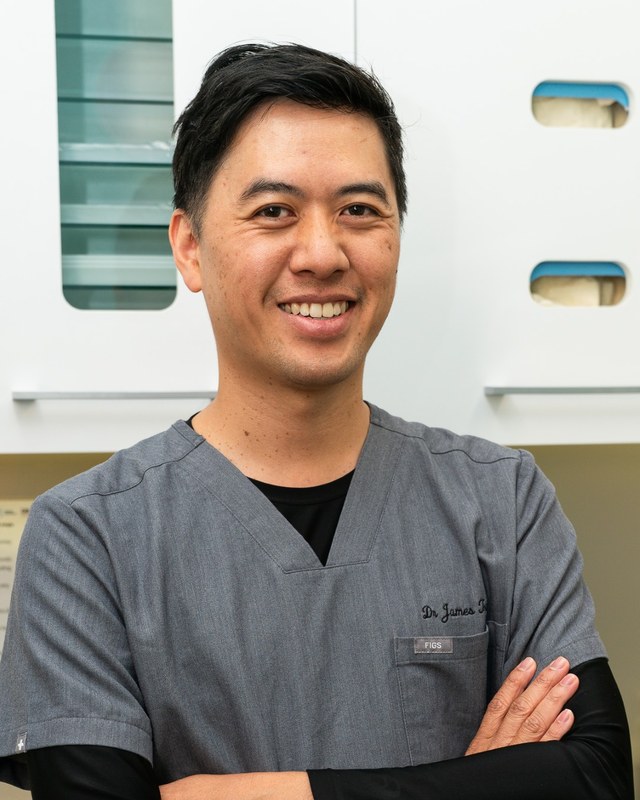
Dr James Tran is a general dentist at Lumi Dental in Melrose Park. He holds a BDent from the University of Sydney and a Graduate Diploma in Oral Implants, and is a Member of the International Congress of Oral Implantologists (MICOI).
This article is general information only and is not a substitute for an examination and individual advice from a registered dental practitioner. Suitability for any treatment varies from person to person.