
Lower dentures usually fit worse than upper dentures because the lower jaw offers less ridge to hold onto, has no palate to seal against, and is constantly moved by the tongue and cheeks. If you are comparing lower dentures vs upper dentures, or you have worn both and wondered why only one of them behaves, you are far from alone. In my experience, this is one of the most common concerns people raise about full dentures, and it is rarely a sign that you are doing something wrong.
Key Takeaways
- An upper denture can create suction against the palate, while a lower denture has no equivalent surface to seal against.
- The lower ridge is horseshoe shaped and often smaller, so there is less area to support the denture.
- The tongue, cheeks and floor of the mouth can lift or shift a lower denture during eating and speaking.
- The jawbone ridge can shrink over time, so a denture that once fitted well may loosen and need a reline or replacement.
- Two implants supporting a lower overdenture are widely recommended as a first-choice option for many people who struggle with a loose lower denture.
- Sore spots, cracks and loose fit should be reviewed by a dentist. Please never attempt home repairs.
Why an Upper Denture Usually Feels More Secure
The upper jaw has a natural advantage. A well-made upper denture covers the ridge and the roof of the mouth, and the thin film of saliva between the denture and the tissue can create a gentle suction or seal. The palate gives a broad, stable surface, and the denture sits on top of the ridge without much pressure from moving muscles.
Gravity is also on your side for a short while, as the upper denture is held up by the seal rather than pulled away from it. Many people with a full upper denture can eat a wide range of foods once they have adapted, although it may take some weeks to feel natural.
Some upper dentures are made with a thinner or open palate. If you dislike the feeling of plastic across the roof of your mouth, you can read about palateless and horseshoe upper dentures, which suit some people but not everyone, because less coverage can mean less retention.
Why a Lower Denture Is a Bigger Challenge
The shape of the lower jaw
The lower jaw is shaped like a horseshoe, and the denture has to sit on a narrow ridge on either side of the tongue. There is no palate, so there is nothing for the denture to seal against. The surface area available to carry the biting load is typically much smaller than in the upper jaw.
The tongue, cheeks and floor of the mouth
The tongue is a powerful muscle, and it sits right where the lower denture needs to be. When you speak, swallow or move food around, the tongue and the muscles of the cheeks and floor of the mouth can nudge the denture out of position. A lower denture is essentially working against a lot of movement, while an upper denture is working with a stable roof.
The ridge changes over time
After teeth are removed, the bone that held them gradually shrinks, which is called resorption. This tends to be more noticeable in the lower jaw, where there was less bone to begin with. As the ridge flattens, the denture has less to grip, and sore spots can appear where the denture rubs on thinner tissue. If you are curious about how bone quality affects replacement options, our guide to bone density and dental implants explains what dentists look at.
Upper vs Lower Dentures at a Glance
| Feature | Upper denture | Lower denture |
|---|---|---|
| Shape of the supporting area | Ridge plus the roof of the mouth | Narrow horseshoe shaped ridge only |
| Suction or seal | Often possible against the palate | Very limited |
| Tongue and cheek influence | Usually small | Often significant |
| Typical stability | Often good once adapted | Often loose without extra support |
| Effect of bone shrinkage | Gradual loosening | Can be more noticeable and uncomfortable |
| Implant support option | Possible when needed | Often considered because of the loose fit |
What You Can Do to Make a Lower Denture Work Better
Give yourself time to adapt
Muscles need time to learn a new appliance. For many people, adapting to a new lower denture takes several weeks, and the first days can feel bulky or awkward. Eating soft foods first, cutting food into small pieces and chewing on both sides at once can help the denture stay balanced.
Speak up about sore spots
A sore spot usually means a pressure point, and it can often be eased with a small adjustment by your dentist. Waiting and hoping it settles can lead to ulcers and make wearing the denture harder. Our guide on denture sore spots and what to do covers what is normal and what needs a visit.
Consider adhesives carefully
Denture adhesive can add some grip and confidence for certain people, but it is a supplement and not a substitute for a well-fitting denture. If you find you need more and more adhesive, that may be a sign the denture needs a reline or has become outdated. You can read more in our guide to denture adhesives.
Ask about a reline or replacement
Because the ridge changes, dentures typically need periodic review. A reline can refresh the inner surface so it matches the ridge again. In some cases a new denture is the better option. Regular check ups also let your dentist look at the health of the gums and the soft tissues underneath.
Never repair a denture yourself
Super glue and other household products can harm the denture and the tissues in your mouth, and they can make a proper repair harder. If your denture cracks or breaks, see what to do with a broken denture and book a visit rather than trying to fix it at home.
Implants Can Steady a Lower Denture
When a lower denture continues to move despite good adjustments, dentists often discuss implant support. An implant retained overdenture is a denture that clips onto two or more dental implants placed in the jawbone. The implants act like anchors, which can reduce movement and make chewing feel more secure.
A well known consensus statement from McGill University reported that a lower overdenture held by two implants should be considered the first choice of treatment for people with no teeth in the lower jaw. That is a statement of expert opinion and research at the time, not a guarantee for every individual. Whether it suits you depends on your bone, your general health, your medications and your goals.
If you would like to understand how this works in practice, our article on implant retained overdentures goes through the steps, and our comparison of dental implants and dentures sets out the trade offs in plain language. You may also see mini implants mentioned in this area, and our guide to mini dental implants explains where they may and may not suit.
Common Questions
Why does my lower denture keep moving?
Your lower denture moves because it has a small ridge to sit on, no palate to seal against, and constant pressure from the tongue and cheeks. A shrinking ridge can make this more noticeable over time, so a review of the fit is a sensible first step.
Are upper dentures always more comfortable than lower dentures?
Upper dentures are often more stable, but comfort varies from person to person. Some people find the plastic covering the palate bothersome, while others find a lower denture manageable with good adjustments. Your dentist can talk through what is likely to suit your mouth.
Can denture adhesive fix a loose lower denture?
Adhesive may give extra grip for some people, but it usually does not fix an ill fitting denture. If the denture keeps slipping, it is worth having it assessed for a reline, a replacement or implant support.
How many implants does a lower overdenture need?
Two implants are commonly used for a lower overdenture, and some people may be advised to have more depending on bone and bite. Your dentist will make a recommendation after examining you and, where appropriate, taking scans.
How long does it take to get used to a new lower denture?
Many people take several weeks to adapt, and some take longer. During this time sore spots are common, and a quick adjustment appointment can make a real difference.
Can I fix a cracked denture at home?
No, home repairs can damage the denture and the tissue in your mouth. Please see a dentist, who can advise whether a repair, reline or replacement is the safest option.
Talk to the Team at Lumi Dental About Your Dentures
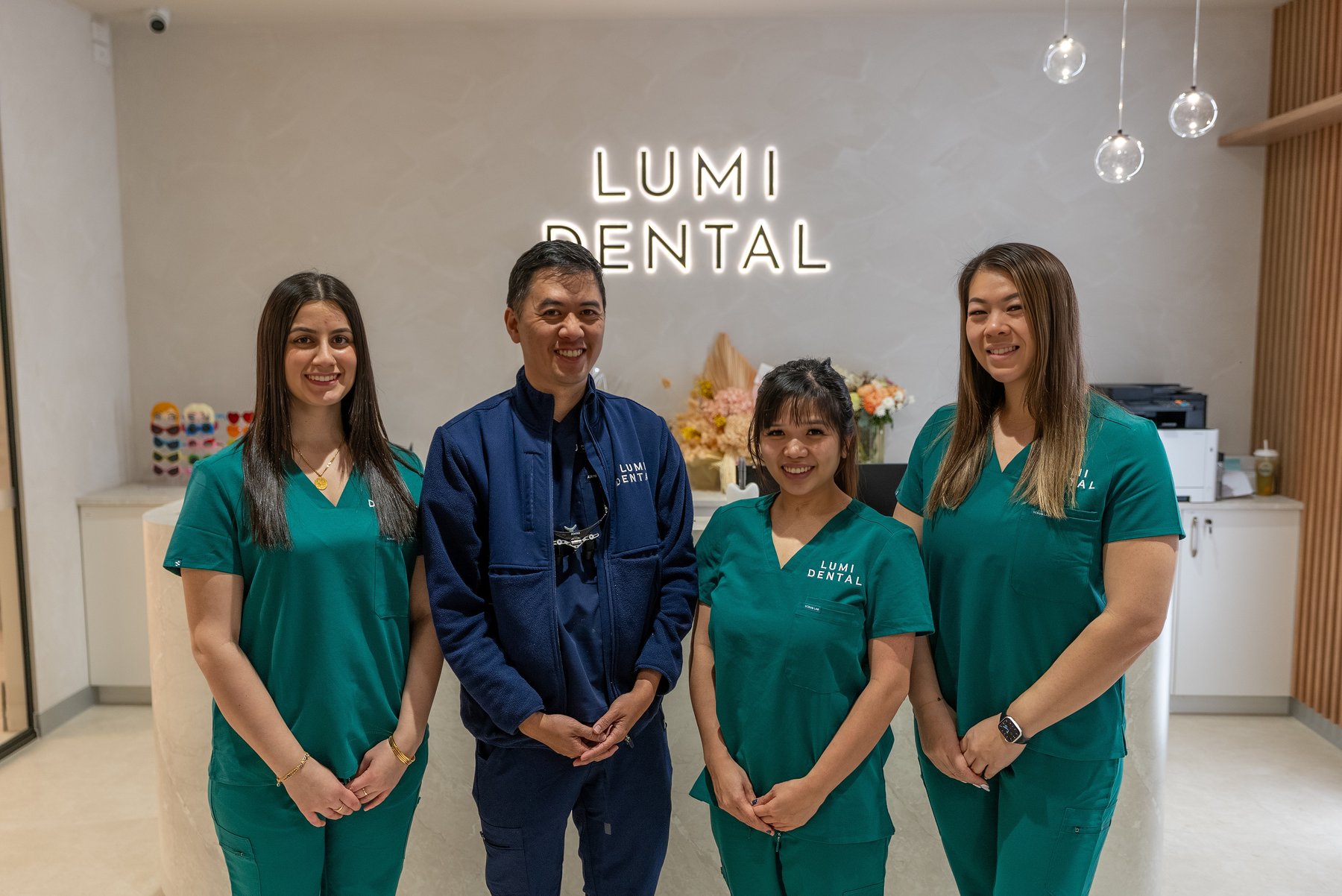
If your lower denture feels loose, sore or just not right, the team at Lumi Dental in Melrose Park, Sydney, can examine the fit and explain your options in plain language. Our general dentistry service covers denture reviews, and if implant support sounds worth exploring you can learn more about dental implants at Lumi Dental. For current offers see our current deals page, or contact us to arrange a free consult and a written quote, so you know what to expect before deciding anything.