

Drinking through a straw can reduce how much of a drink touches your teeth, but only when the straw sits behind your front teeth and you swallow each mouthful straight away. In a small videofluoroscopy study from Glasgow Dental Hospital, 14 of 20 people with signs of erosion avoided fluid contact with both their front and back teeth when they used a straw. Sip slowly through that same straw all afternoon, though, and most of the benefit for stains and erosion is lost.
Written by Dr James Tran, BDent (University of Sydney), MICOI, GradDip (Oral Implants), general dentist at Lumi Dental in Melrose Park.
The short version
- A straw placed towards the back of the mouth can keep acidic and dark drinks off the front teeth. A straw resting against the front teeth can do the opposite.
- How often and how long you drink matters more than whether you use a straw. Holding a drink in the mouth and slow sipping caused the biggest pH drops in one study; gulping caused only a small one.
- A straw mainly spares the outer surfaces of the front teeth. The back teeth and the tongue side of the teeth still get some contact.
- Stain is mostly a surface problem and can be polished off. Erosion is lost enamel, and it does not grow back. Our article on tooth enamel erosion covers the causes in full.
- Rinse with water afterwards. Advice on when to brush differs between sources, and both views are set out below.
- Avoid straws for the first few days after a tooth is taken out, and keep metal straws away from young children.
What the research on straws and teeth found
Researchers at Glasgow Dental Hospital, publishing in the British Dental Journal, used videofluoroscopy, a moving X-ray, to watch 20 people with dental erosion drink from a cup and through straws in different positions. Fourteen avoided fluid contact with both their incisors and molars when using a straw, and contact time with the front teeth was significantly shorter. The authors concluded that drinking through a straw positioned towards the back of the mouth may reduce the erosive potential of soft drinks.
A University of Leeds study of eight volunteers found that fruit juice lowered plaque pH less when taken through a straw than from a cup, and most when swished around the mouth.
A Swedish study in the European Journal of Oral Sciences measured the pH on tooth surfaces while people drank a sugar-free cola in six different ways. Holding the drink in the mouth before swallowing produced the biggest pH fall, followed by long, slow sipping. Gulping produced only a small fall. The authors concluded that the drinking method strongly affects tooth-surface pH.
All three are small studies, but they point the same way: less contact time, less acid on the teeth.
The single rule: behind the front teeth, then swallow
If you use a straw, place it past your front teeth, towards the middle of your tongue, and swallow each mouthful rather than holding it. If you will sip a drink slowly for an hour, a straw will not do much; finishing it in one sitting helps more.
Where the straw sits matters. A laboratory study from Bristol found that acid flowing onto enamel at higher speed and through narrower openings caused more erosion, and the authors noted this fits the rapid erosion seen when drinks are taken from a straw placed in front of the front teeth, or swished between the teeth.
Which teeth a straw spares, and which it does not
A straw sends the drink over the tongue, keeping more of it off the outer surfaces of the front teeth, where stain and erosion show most. It does less for other surfaces. The drink still passes the back teeth on its way down, and the tongue pushes it against the inner surfaces of the upper front teeth as you swallow. Our article on bubble tea and your teeth notes that a wide straw also sends liquid and pearls straight to the back teeth, whose grooves are the hardest places to clean.
| Drinking method | Contact with front teeth | Contact with back teeth | What it means |
|---|---|---|---|
| Gulping from a glass | Brief | Brief | Short exposure; only a small pH drop in one study |
| Slow sipping from a glass | Repeated | Repeated | Teeth bathed again with every sip |
| Straw resting at or in front of the front teeth | Direct, concentrated | Some | May focus acid on the front teeth |
| Straw behind the front teeth, swallowed promptly | Least | Some | The method studies support |
| Holding or swishing the drink | Long | Long | The biggest pH drop in the studies |
Stain and erosion are different problems
Stain from coffee, tea and red wine mostly sits in the thin protein film on the outside of the enamel. It builds up over time and can usually be polished away at a clean. Our article on coffee, wine and tea staining explains why some drinks stain more than others, and stain removal versus teeth whitening explains what each treatment does.
Erosion is different: acid dissolves the enamel itself, and lost enamel does not grow back.
Iced coffee, iced tea and cold brew
These are often served with a straw and sipped slowly. A straw behind the front teeth may reduce stain on the front surfaces, but an iced coffee carried around for two hours still bathes your teeth for two hours. Finishing it sooner and rinsing with water does more.
Acidic drinks
healthdirect lists using a straw to drink acid-containing drinks, to limit the acid touching your teeth, among its ways to help prevent erosion, alongside limiting acidic drinks, rinsing with water and choosing plain water instead.

Reusable straws: steel, glass, silicone and bamboo
Reusable straws work the same way as plastic ones for your teeth; the difference is what happens if you trip or fall with one in your mouth. A study of ten years of United States emergency department records found that straw injuries most often involved the mouth, that lacerations and mouth injuries were more common with reusable straws, and that metal straws posed the greatest risk among the environmentally friendly options. Many injuries happened in children aged three or under, and the authors advised avoiding metal straws for young children.
Practical points from what I see in the chair:
- Do not walk or run with a hard straw in your mouth.
- Avoid biting a steel or glass straw; it can chip enamel or a filling.
- For children, choose a soft silicone straw and supervise drinking.
Children, cordial and juice
For children, what is in the cup and how often it is offered matter far more than the straw. Our article on cordial, squash and flavoured water sets out the sugar and acid in common children's drinks. If a sweet drink is given, serve it with a meal and finish it in one go. Water stays the everyday drink.
Straws after a tooth is taken out
Better Health Channel advises avoiding excessive rinsing, sucking through a straw or spitting after wisdom tooth removal, as that can stop the blood clot forming or make it come loose. healthdirect explains that when the clot is lost, the bone and nerve underneath are exposed, a painful condition called dry socket that occurs in about 1 in 20 extractions. Follow the timing your dentist gives you.
Rinsing and brushing after acidic drinks
Rinsing with plain water after an acidic or dark drink is simple and widely recommended. On brushing, the advice differs:
- healthdirect advises waiting at least 30 minutes to brush after an acidic drink, because acid softens enamel for about 20 to 30 minutes until saliva washes it away.
- A scoping review in Caries Research (Fernández and colleagues) found that most studies showed brushing with a fluoride toothpaste did not increase erosive wear, whenever it was done, and concluded that brushing soon after an acid challenge can be recommended. The authors noted that robust clinical studies are lacking.
In practice, I usually suggest a soft brush, gentle pressure and fluoride toothpaste twice a day, and a water rinse after acidic drinks. If you already have erosion, your dentist may give you individual advice on timing.
How we approach this at Lumi Dental
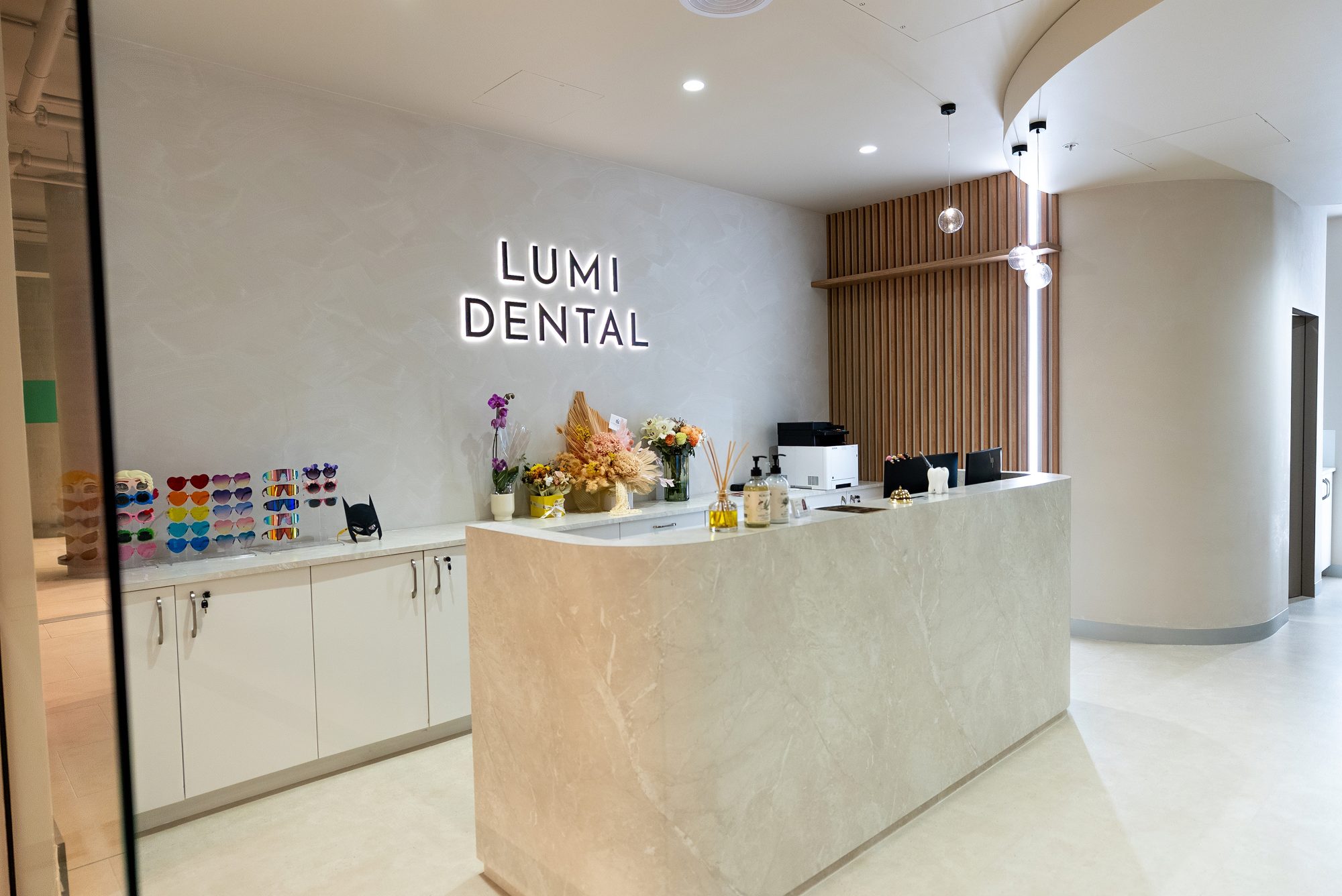
At a check-up at Lumi Dental in Melrose Park, the dentist examines your teeth for early signs of erosion and stain and asks how you have your drinks. The oral health therapists can remove surface stain during a clean and talk through small changes, such as where a straw sits. If enamel has been lost, the dentist explains the options and monitors it. Read more about our general dentist services in Melrose Park.
Questions patients ask
Does drinking coffee through a straw stop stains?
It can reduce stain on the front surfaces if the straw sits behind your front teeth, but it does not stop stain completely. Rinsing with water and regular cleans help more.
Is it better to drink soft drink with a straw?
A little better, if the straw sits towards the back of the mouth and you swallow promptly. Having soft drink less often, and with meals, makes a bigger difference to erosion than the straw.
Can a straw damage your teeth?
Not by itself, but a straw resting against the front teeth can concentrate acid there, and biting hard straws can chip teeth.
Should my child drink juice through a straw?
A soft straw is fine, but the bigger gains come from offering juice less often, with meals, and in a small amount. Our article on fruit juice and smoothies explains why.
How long after a tooth extraction can I use a straw?
Ask your dentist, as it depends on the extraction. Most aftercare advice is to avoid straws for the first few days, because suction can dislodge the healing clot and lead to dry socket.
Book a check-up at Lumi Dental, Melrose Park
If you are worried about stain or erosion from the drinks you enjoy, the team at Lumi Dental can check your enamel, remove surface stain and suggest changes that fit your routine. Book a visit with our general dentist in Melrose Park, or see our current deals for check-ups. Patients visit from Ryde, Parramatta, Ermington and Rydalmere, with on-site parking at Melrose Central.
Sources
- British Dental Journal (Edwards M and colleagues): A videofluoroscopic comparison of straw and cup drinking, the potential influence on dental erosion (PubMed)
- European Journal of Oral Sciences (Johansson AK and colleagues): Influence of drinking method on tooth-surface pH in relation to dental erosion (PubMed)
- Caries Research (Fernández CE and colleagues): Should we wait to brush our teeth? A scoping review regarding dental caries and erosive tooth wear (PubMed)
- healthdirect: Dental erosion
About the author

Dr James Tran is a general dentist at Lumi Dental in Melrose Park. He holds a BDent from the University of Sydney and a Graduate Diploma in Oral Implants, and is a Member of the International Congress of Oral Implantologists (MICOI).
This article is general information only and is not a substitute for an examination and individual advice from a registered dental practitioner. Suitability for any treatment varies from person to person.







