

Stain removal cleans the outside of the tooth, while whitening changes the colour of the tooth itself. If your teeth look darker because of coffee, tea, wine or smoking, a professional clean with air polishing may be all you need. If your teeth are evenly yellow or darker than you would like even when clean, whitening is the treatment that changes that.
Many people book whitening when stain removal would give them most of the result they want, and some book a clean expecting it to lighten their natural shade. Knowing the difference helps you choose the right appointment.
Key takeaways
- Stain removal takes away surface stain and plaque. It does not change your natural tooth colour.
- Whitening uses a peroxide gel to lighten the colour inside the enamel and dentine.
- A clean before whitening shows your true starting shade and helps the gel work evenly.
- Fillings, crowns and veneers do not whiten, but surface stain on them can usually be polished off.
- If you are not sure which you need, a check-up is a sensible first step.
The single rule
Look at your teeth straight after a clean. If you are happy with that colour, your concern is stain, and regular stain removal is the answer. If you would still like them lighter, your concern is shade, and whitening is the answer.
Side-by-side comparison
| Stain removal (air polishing) | Professional whitening | |
|---|---|---|
| What it does | Removes stain and plaque from the surface | Lightens the colour of the tooth |
| How it works | Spray of air, warm water and fine powder | Peroxide gel in the chair or in custom trays at home |
| Best for | Coffee, tea, wine, smoking and dark line stain | Natural yellowing and age-related darkening |
| Effect on fillings and crowns | Can polish surface stain off them | Does not change their colour |
| Sensitivity | Usually minimal, especially with warm water | Temporary sensitivity is common |
| How long it lasts | Until stain builds up again, often months | Usually one to three years with touch-ups |
| Appointment | Usually part of a scale and clean | A separate cosmetic treatment |
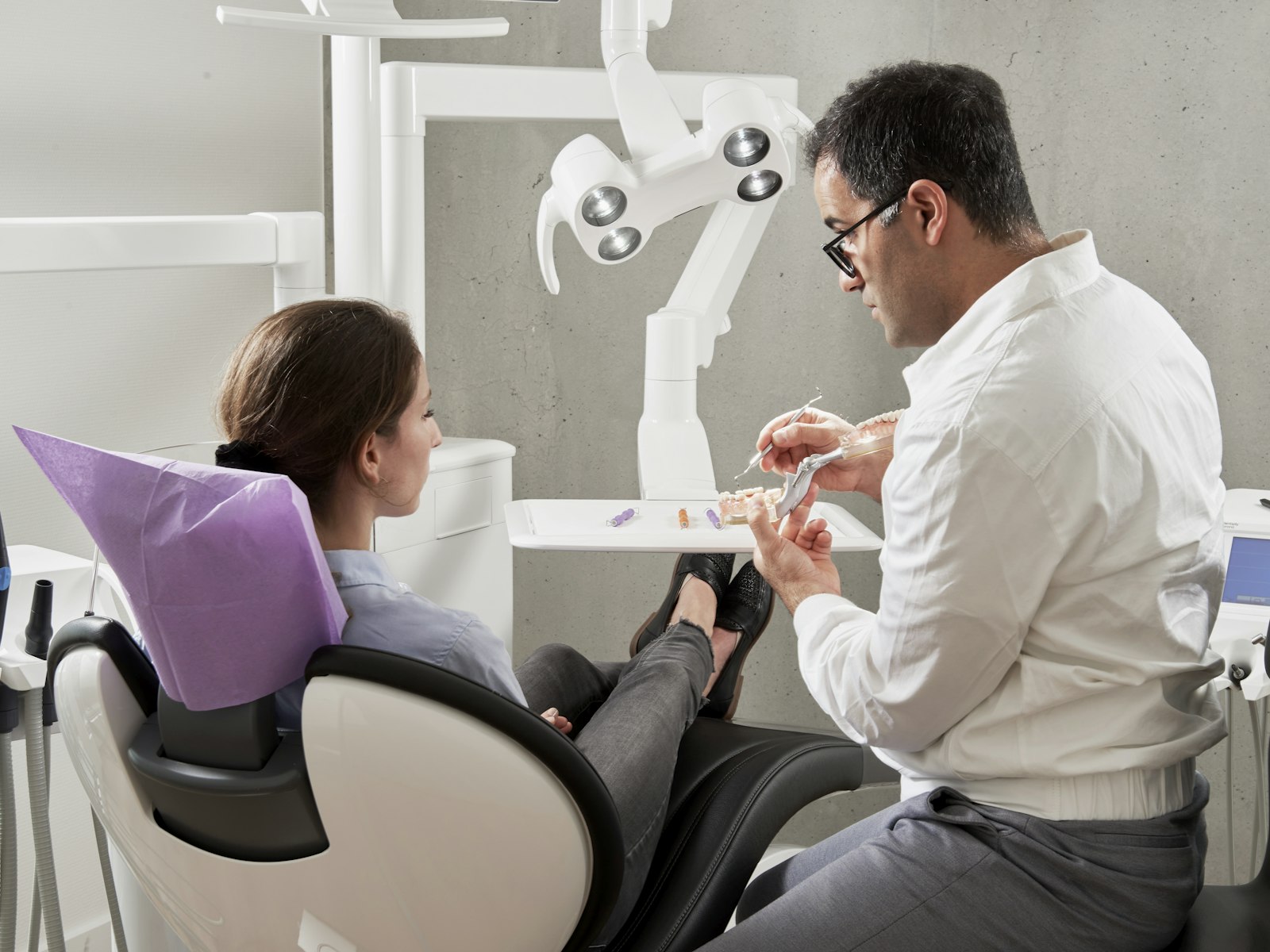
How stain removal works
Air polishing sprays a fine, low-abrasive powder with air and water onto the tooth surface. It lifts plaque and stain, including from between the teeth and along the gum line, where stain tends to collect. Hardened tartar is removed separately with an ultrasonic scaler.
At Lumi Dental we use a Woodpecker PT-E unit for this. It warms the water for both the air polisher and the scaler, which tends to be more comfortable for people with sensitive teeth. You can read more in our guide to air polishing stain removal at Lumi Dental.
How whitening works
Whitening gels contain hydrogen peroxide or carbamide peroxide. The peroxide passes into the enamel and breaks down the coloured molecules in the tooth, which makes the tooth look lighter. In Australia, higher-strength gels can only be supplied by a dental practitioner. There are two main professional options:
- In-chair whitening, done in a single appointment with the gums protected. Our guide to in-chair whitening explains the visit.
- Take-home whitening, using custom trays and a lower-strength gel over one to two weeks.
Our article comparing professional and at-home whitening covers the trade-offs.
Why a clean usually comes first
Whitening gel works best on a clean surface. Plaque, tartar and stain can block the gel in places, which can leave uneven results. Removing surface stain first also shows your real starting shade, so you and your dentist can set realistic expectations. Some people find the clean alone gives them the brightness they were after.
When neither is the answer
Some discolouration does not respond well to stain removal or whitening. A single grey tooth after an injury, deep bands of colour from some childhood antibiotics, or white spots from early enamel changes may need other treatment, such as internal whitening, microabrasion, bonding or veneers. These are best discussed after an examination.
Frequently asked questions
Can air polishing make my teeth whiter?
It can make teeth look brighter by removing stain, but it does not change the natural colour of the tooth.
Should I have a clean before whitening?
Yes, this is usually recommended so the gel works evenly and your starting shade is clear.
Is stain removal safe for veneers and bonding?
Usually yes, with a suitable fine powder. Tell your clinician about any cosmetic work so they can choose the right settings.
How often should I have stain removed?
Most people have it as part of each regular clean. Heavy coffee, tea or tobacco users may benefit from cleans more often.
Does whitening remove coffee stains?
Whitening can lighten stain as well as tooth colour, but removing surface stain first usually gives a cleaner, more even result.
Talk to us about your options
The team at Lumi Dental in Melrose Park can look at your teeth and suggest whether a clean, whitening or both would suit you. See our teeth whitening page or book a check-up and clean. Current offers are on the current deals page.
This article is general information and does not replace a personal assessment by your dentist.