The direction your pain is heading tells you more than how much it hurts. A socket that is healing normally feels a little better each day, while dry socket usually announces itself a few days after the extraction, when an ache that was settling turns sharper and deeper instead. If your mouth was improving and then took a turn for the worse, that change is the signal to call your dentist.
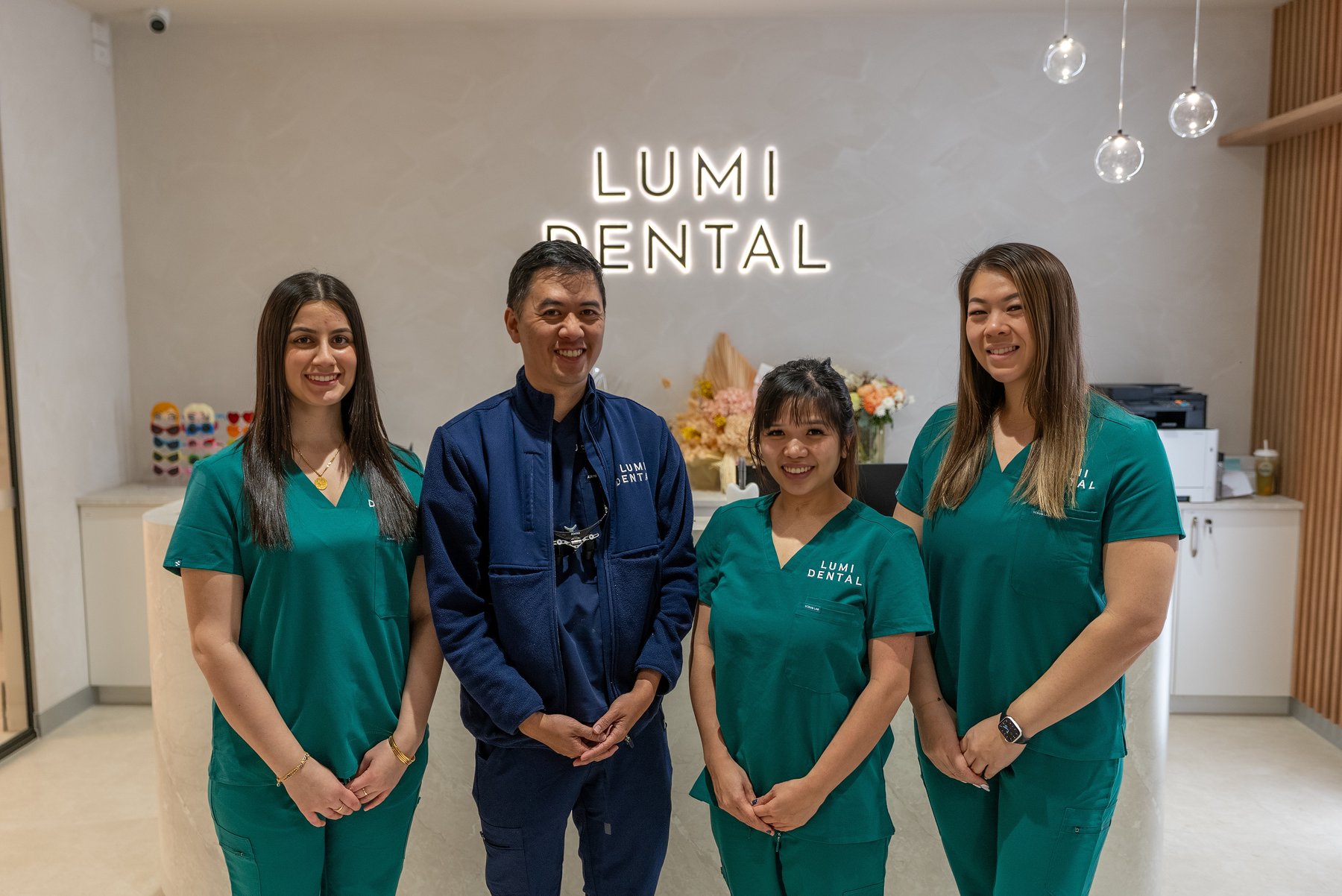
Written by Dr James Tran, dentist at Lumi Dental.
A healing socket gets easier each day
Once a tooth is removed, the socket fills with a blood clot. That clot protects the bone underneath and gives new tissue something to grow into. For the first day or two you can expect tenderness, some swelling and a little oozing, and these usually respond to the pain relief your dentist recommends.
From there the trend should be downhill. By day three or four most people notice they need less pain relief, can open a bit wider and are eating more comfortably. The gum edges slowly draw together over the following weeks, and the bone underneath keeps remodelling for months after that, quietly and without pain.
A dark red or slightly yellowish layer over the socket in the first week is normal healing tissue, not infection. What matters is that you feel steadily better.
Dry socket usually shows up between day two and day five
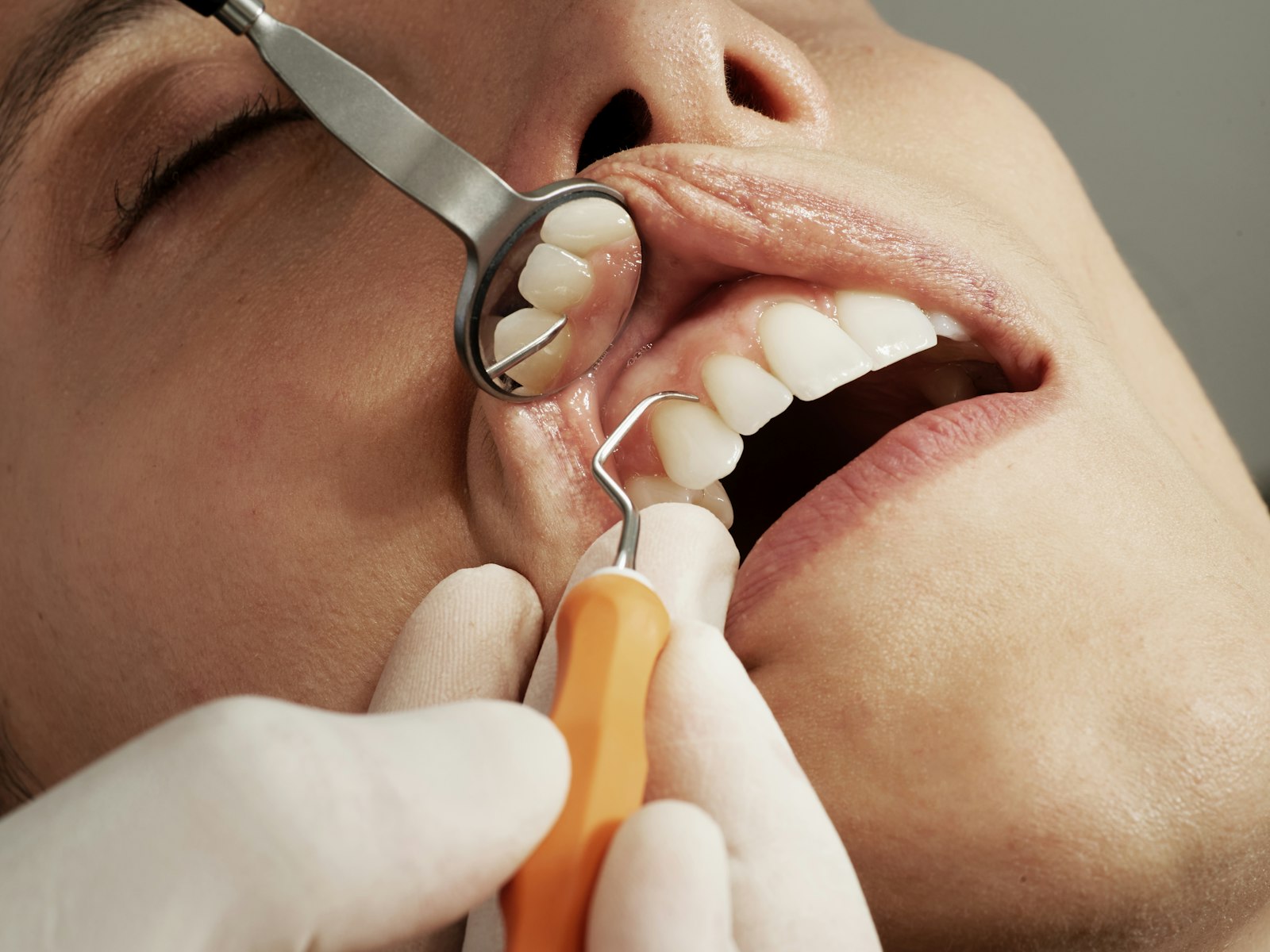
Dry socket, also called alveolar osteitis, happens when the clot breaks down early or is lost, leaving bone in the socket exposed. A 2022 systematic review in Dental Journal (Kuśnierek and colleagues) described the typical picture as severe pain starting one to five days after the extraction, with exposed bone, debris in the socket, bad breath and tenderness when the area is examined.
People often describe the pain as a deep, throbbing ache that spreads towards the ear or temple on the same side. It may keep them awake and may not settle well with the pain relief that worked on day one. Many also notice an unpleasant taste. If you look in a mirror, the socket can seem empty or greyish white rather than filled with clot, although it is often hard to see clearly at the back of the mouth.
| What you notice | Usual healing | Possible dry socket |
|---|---|---|
| Pain over the first week | Worst early, then easing | Settles, then gets worse around day two to five |
| Type of pain | Tender, manageable | Deep, throbbing, often severe |
| Where you feel it | Around the socket | Can spread to the ear, temple or neck |
| Taste and breath | Little change | Unpleasant taste or odour is common |
| Appearance of the socket | Clot or healing tissue visible | Looks empty, with bone showing |
Swelling that keeps increasing, fever, pus or difficulty swallowing point more towards infection than dry socket. Those need prompt attention too.
Some extractions carry a higher risk than others
Most sockets heal without trouble. The risk is not the same for everyone, though. Smoking stands out: in the Kuśnierek review, which pooled eleven studies, the combined rate of dry socket was about 13.2% in smokers and about 3.8% in non-smokers, more than three times the odds. Smoking is thought to disturb the clot through suction and to reduce blood flow to the healing area.
A 2017 systematic review in Medicina Oral (Taberner-Vallverdú and colleagues) found that age, a previous infection at the site and a difficult extraction were the risk factors most consistently reported. That is one reason lower wisdom teeth, which often need a surgical approach, are the extractions most associated with dry socket. Some studies have also linked the oral contraceptive pill to a higher rate, though the evidence is mixed. If you have had dry socket before, tell your dentist, as they may take extra preventive steps. Our guide to recovering from wisdom tooth removal walks through those more involved extractions day by day.
Looking after the clot in the first few days
The clot is most fragile in the first several days, so aftercare focuses on leaving it alone.
- Hold off smoking and vaping for as long as you can, at least the first two to three days. This is the change most within your control.
- Skip straws and avoid forceful spitting for the first day or two, as suction can pull the clot out.
- Leave the socket alone on day one. After that, gentle warm salty water rinses are usually fine, letting the water fall out of your mouth rather than swishing hard.
- Choose soft food and chew on the opposite side.
- Go easy on alcohol and hard exercise for the first day or two.
- Follow the written instructions your dentist gives you, as they may differ for your situation.
Your dentist may also use a chlorhexidine rinse or gel, which the Taberner-Vallverdú review found can lower the likelihood of dry socket.
Treatment brings relief quickly for most people
Dry socket does not mean anything has gone badly wrong with your extraction, and it responds well to care. The dentist gently cleans out the socket and usually places a soothing medicated dressing, which often eases the pain noticeably within a short time. The dressing may need changing once or twice over the following days. You will get advice on pain relief and on keeping the area clean at home while new tissue covers the bone.
Left alone, the socket does eventually heal, but the pain can drag on for a week or more. There is little to gain from waiting it out. If pain flares after hours, our page on what to do in a dental emergency sets out your options.
Common questions
Is it dry socket if the pain started on day one?
Probably not. Pain on the first day is the normal response to an extraction. Dry socket is suspected when pain improves and then worsens a few days later, or when it fails to ease at all and becomes severe.
Can I check whether the clot has come out?
You can look, but it is often hard to tell, especially for back teeth, and poking at the site can do harm. The pattern of your pain is a more reliable clue. If you are unsure, a quick review with your dentist will answer the question.
When am I past the risk?
Dry socket rarely starts after the first week. Once you are around a week out and feeling steadily better, the chance of it developing is low.
Getting help
If your extraction site is becoming more painful rather than less, contact your dentist rather than waiting. The team at Lumi Dental in Melrose Park can review the socket and treat dry socket if that is the cause. You can read about our general dental care or see what is on offer on the current deals page. This article is general information and not a substitute for personal dental advice.