


Sugar-free electrolyte tablets and hydration powders can still wear tooth enamel, because the fizz and the flavour come from acid, and it is the acid and the sipping pattern that matter, not the sugar alone. healthdirect lists sugar-free soft drinks, sports drinks and products containing citric acid among the causes of dental erosion, and laboratory testing of effervescent tablets has reported dissolved pH values around 4.5, below the level at which enamel starts to soften.
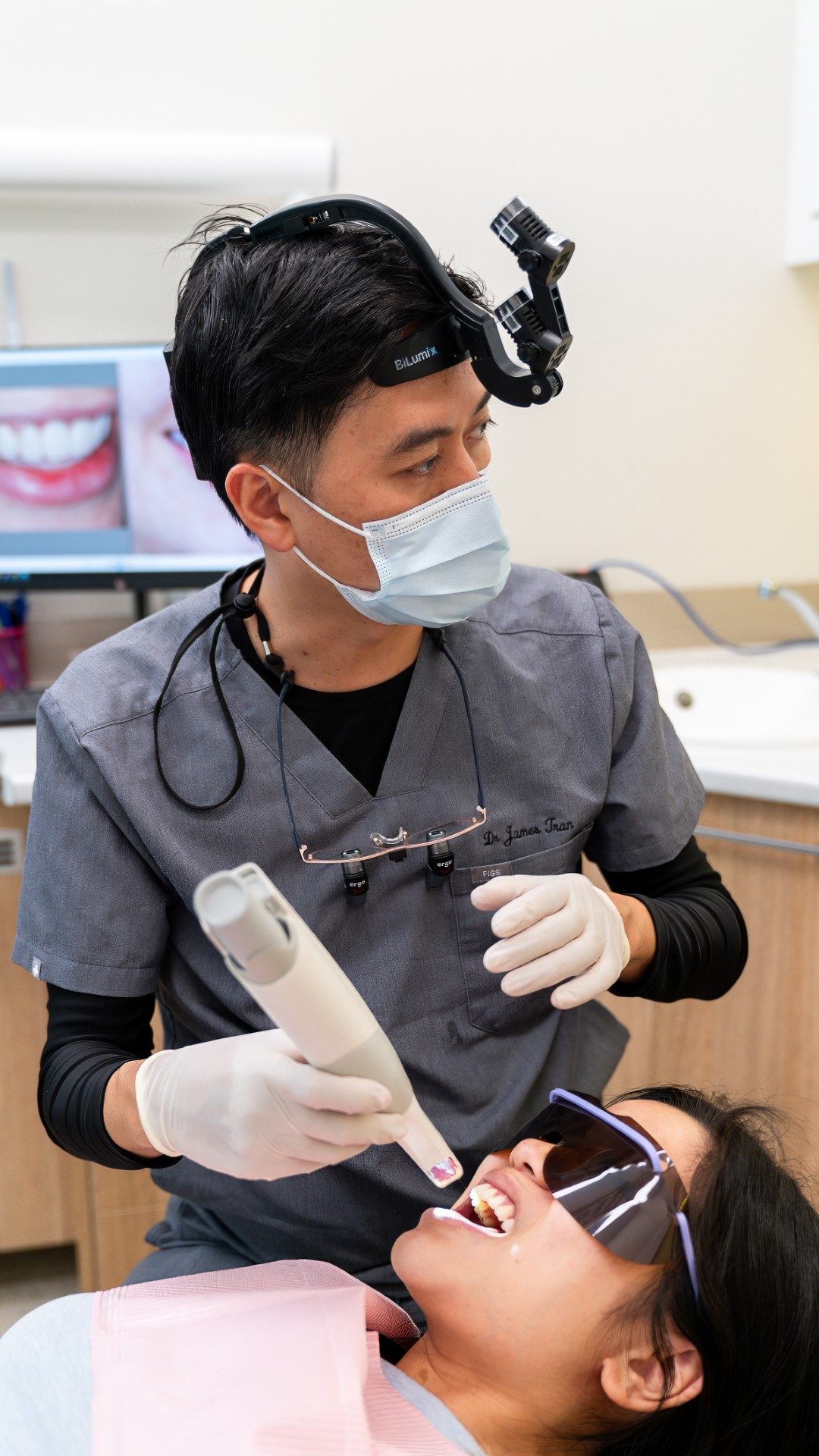
Written by Dr James Tran, BDent (University of Sydney), MICOI, GradDip (Oral Implants), general dentist at Lumi Dental in Melrose Park.
The short version
- Sugar feeds decay; acid causes erosion. A sugar-free tablet removes the first risk but not the second.
- The fizz in an effervescent tablet comes from citric acid reacting with bicarbonate, so the finished drink is acidic even with no sugar at all.
- Sipping is the problem pattern. One glass drunk in a few minutes is a brief acid exposure; a bottle nursed for an hour is a long one, as our article on sports drinks and tooth erosion explains.
- Oral rehydration solutions taken as directed for vomiting or diarrhoea are a short-term medical use and not the concern.
- For ordinary hydration, including most gym sessions and weekend sport, plain tap water does the job.
The single rule: sugar-free is not the same as tooth-safe
Patients I see often assume that a "zero sugar" label means a drink is harmless to teeth. For decay, that assumption is largely right. Decay happens when bacteria in plaque ferment sugar and produce acid against the tooth surface. Take the sugar away and that process slows. Erosion is different. It is a direct chemical softening of enamel by acid in the drink itself, with no bacteria involved, and healthdirect notes that it is a separate process from decay. A sugar-free drink with citric acid in it does nothing to decay and everything to erosion.
So the rule for any hydration product is: if it fizzes, tastes tangy or lists citric acid, sodium citrate or another acid on the label, treat it as acidic and manage how you drink it. The sugar content changes the decay risk; it does not change the erosion risk.
Why a fizzing tablet is acidic
An effervescent tablet needs two things to fizz: an acid, almost always citric acid, and a bicarbonate. Drop the tablet in water and the two react, releasing carbon dioxide. Enough citric acid remains in the finished drink to give the sharp taste people buy it for. A widely sold Australian oral rehydration tablet, for instance, lists around 1.6 g of glucose and around 670 mg of citric acid per tablet, with sodium bicarbonate among the salts, and directs two tablets into 200 ml of water. That is a measured dose for illness, not a bottle to carry through the day.
Laboratory work bears out what the ingredient list suggests. One in vitro study of effervescent vitamin tablets measured the dissolved drinks at pH 4.46 and 4.71 and found they softened and roughened dental filling materials over four weeks of exposure. Both values sit below 5.5, the pH often quoted as the point where enamel begins to lose mineral. Our article on gummy vitamins, effervescent tablets and your teeth covers the vitamin side of this in more detail.

Water, tablets, powders, sports drinks and rehydration solutions compared
The table sorts the common options by the two things that matter to teeth and by the use each one is designed for. It describes product categories, not brands; the label is the final word.
| Drink | Sugar | Acid | Sensible use |
|---|---|---|---|
| Plain tap water | None | None; fluoridated in many Australian communities | Everyday hydration, most exercise, the desk bottle |
| Effervescent electrolyte tablets | Usually low or sugar-free; some contain glucose | Citric acid plus bicarbonate; the drink is acidic | Long or hot sessions with heavy sweating; drink in one sitting |
| Hydration powders and sachets | Varies widely, from sugar-free to several grams per serve | Usually citric acid or sodium citrate for flavour | As for tablets; check both the sugar and the acid on the label |
| Sports drinks (ready to drink) | Typically high, listed as sugar, glucose, dextrose or fruit juice concentrate | Acidic; laboratory studies report most erode enamel | Designed for sustained high-intensity sport; little benefit for social sport |
| Oral rehydration solutions | A small, measured amount of glucose to help absorption | Mildly acidic | Vomiting, diarrhoea or heat illness, as directed, for a short period |
An Australian laboratory study of ten sports beverages reported that most produced substantial enamel surface loss and softening after a 30 minute exposure, and that the two least erosive had a higher pH, lower acidity and more calcium, though testers found them less palatable. The tang that sells the drink is the acid that softens the enamel.
The sipping pattern is the real problem
Enamel does not dissolve on contact. Saliva buffers the acid, and within about 20 to 30 minutes the mouth returns to a neutral state and the softened surface begins to harden again. healthdirect makes the point directly: taking frequent sips of acidic drinks increases the time that acid is in contact with the teeth. A glass of electrolyte drink finished in five minutes is one exposure. The same volume sipped every few minutes for an hour keeps the mouth below neutral for most of that hour.
Exercise and heat make it worse, because they dry the mouth. Less saliva means less buffering and slower recovery, and healthdirect notes that erosion can be severe in people with a dry mouth. The Australian Dental Association's teeth.org.au site adds that sports drinks can be more damaging when you are already dehydrated. Our articles on dehydration, heat and your mouth and on dental health for endurance athletes go into the saliva side of this.
When an electrolyte drink makes sense
Oral rehydration solutions are a treatment for fluid loss from vomiting, diarrhoea or heat illness, taken for a day or two as directed, and the dental cost of that is small. Long, hot or very sweaty sessions are the exercise case where replacing sodium matters.
Most of the use I hear about in the chair is neither. It is a tablet in the water bottle for a 45 minute gym class, a sachet at the desk because plain water is boring, or a daily "hydration habit" sold on social media. For that level of activity, teeth.org.au is blunt: the best drink is water, and sports drinks provide little benefit. The same applies to a flavoured electrolyte tablet. If plain water bores you, cold water or a slice of cucumber is a cheaper fix than acid; our article on sparkling water, kombucha and vinegar covers the other "healthy" drinks that catch people out.
How to drink one with less damage
- Drink it in one sitting rather than nursing it. Ten minutes of exposure beats sixty.
- Use a straw where practical, so less of the drink washes over the front teeth.
- Follow it with plain water, swished around the mouth, to rinse the acid away.
- Do not brush straight afterwards. healthdirect advises waiting at least 30 minutes, because the softened enamel can be brushed away; rinse with water or a fluoride mouthwash while you wait.
- Use a fluoride toothpaste twice a day, and if there are already signs of wear, ask about a higher-fluoride or remineralising paste.
Signs acid is already wearing your teeth
Erosion is quiet. healthdirect lists the signs as teeth that become discoloured or sensitive to heat and cold, look shorter, chip or break more easily, or develop sharp edges. In the chair, the early picture is see-through or glassy front edges, and shallow cups on the biting surfaces of molars. Our guides to attrition, erosion and abrasion and to sensitive teeth explain how the patterns differ and what can be done. Lost enamel does not grow back, so the point of noticing early is to change the drinking pattern while the damage is still small.
How we approach this at Lumi Dental
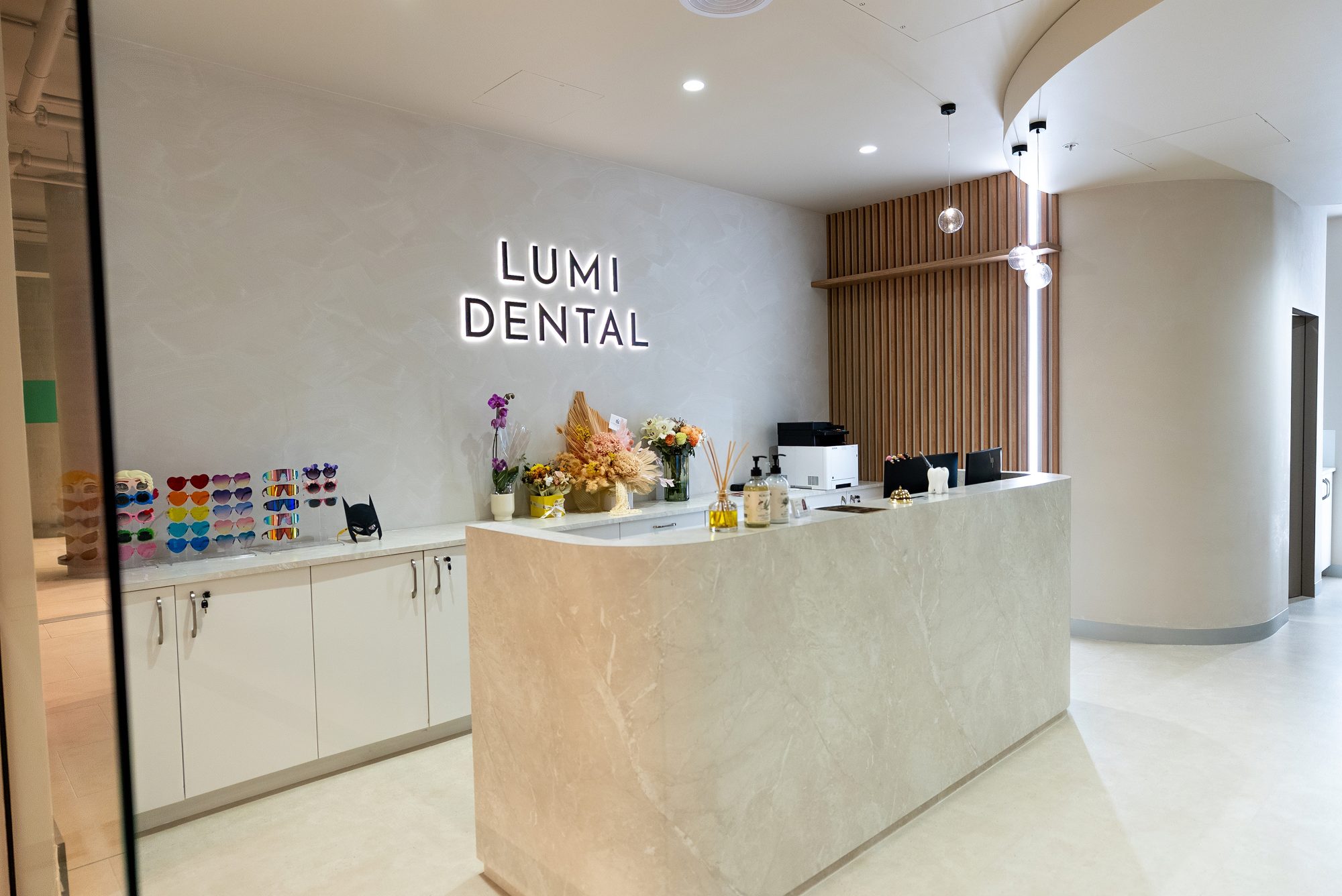
A check-up at Lumi Dental includes a look for the early signs of erosion, and the dentist will ask what you drink and how, because the pattern matters more than the product. Where wear is present, an in-house 3D scan records the shape of the teeth so the hygiene team of oral health therapists can compare it at later visits, and fluoride or remineralising treatments can be applied at a clean. The general dentistry page explains what a check involves.
Questions patients ask
Are sugar-free electrolyte tablets bad for your teeth?
They are not harmless. Being sugar-free lowers the decay risk, but the citric acid that makes them fizz still softens enamel. Drunk occasionally and in one sitting they are a small exposure; sipped daily they are not.
Is a hydration powder better than a sports drink for teeth?
Often, but only on sugar. Many powders are lower in sugar than a bottled sports drink, which cuts the decay risk, yet most still use citric acid or sodium citrate for flavour, so the erosion risk is similar.
Can I brush my teeth after an electrolyte drink?
Wait at least 30 minutes. Acid softens the enamel surface for about 20 to 30 minutes, and brushing in that window can wear it away.
Do I need electrolytes for the gym?
For most sessions under an hour, no. teeth.org.au advises that water is the best drink for social or weekend sport. Electrolytes earn their place in long, hot or very sweaty exercise, or when you are unwell.
Can erosion from acidic drinks be reversed?
Enamel that has been lost does not regrow. Early softening can reharden with saliva and fluoride. Established wear is managed by stopping the cause and, where needed, rebuilding the tooth; a dentist can assess what is needed.
Sensitive teeth or worn edges from what you drink? Book a check at Lumi Dental in Melrose Park
If your teeth have become sensitive or your front edges look thin, a check can tell you where things stand. Lumi Dental at Melrose Central sees patients from Melrose Park, Ryde, Parramatta, Ermington and Rydalmere. See our current offers or read about general dentistry at Lumi Dental before you book.
Sources
- healthdirect: Dental erosion, symptoms, treatments and causes
- Australian Dental Association (teeth.org.au): Sports drinks effect on teeth
- Cochrane NJ and colleagues, Erosive potential of sports beverages, Australian Dental Journal (PubMed abstract)
- National Library of Medicine (PMC): Effect of pediatric multivitamin syrups and effervescent tablets on the surface microhardness and roughness of restorative materials
About the author

Dr James Tran is a general dentist at Lumi Dental in Melrose Park. He holds a BDent from the University of Sydney and a Graduate Diploma in Oral Implants, and is a Member of the International Congress of Oral Implantologists (MICOI).
This article is general information only and is not a substitute for an examination and individual advice from a registered dental practitioner. Suitability for any treatment varies from person to person.








