

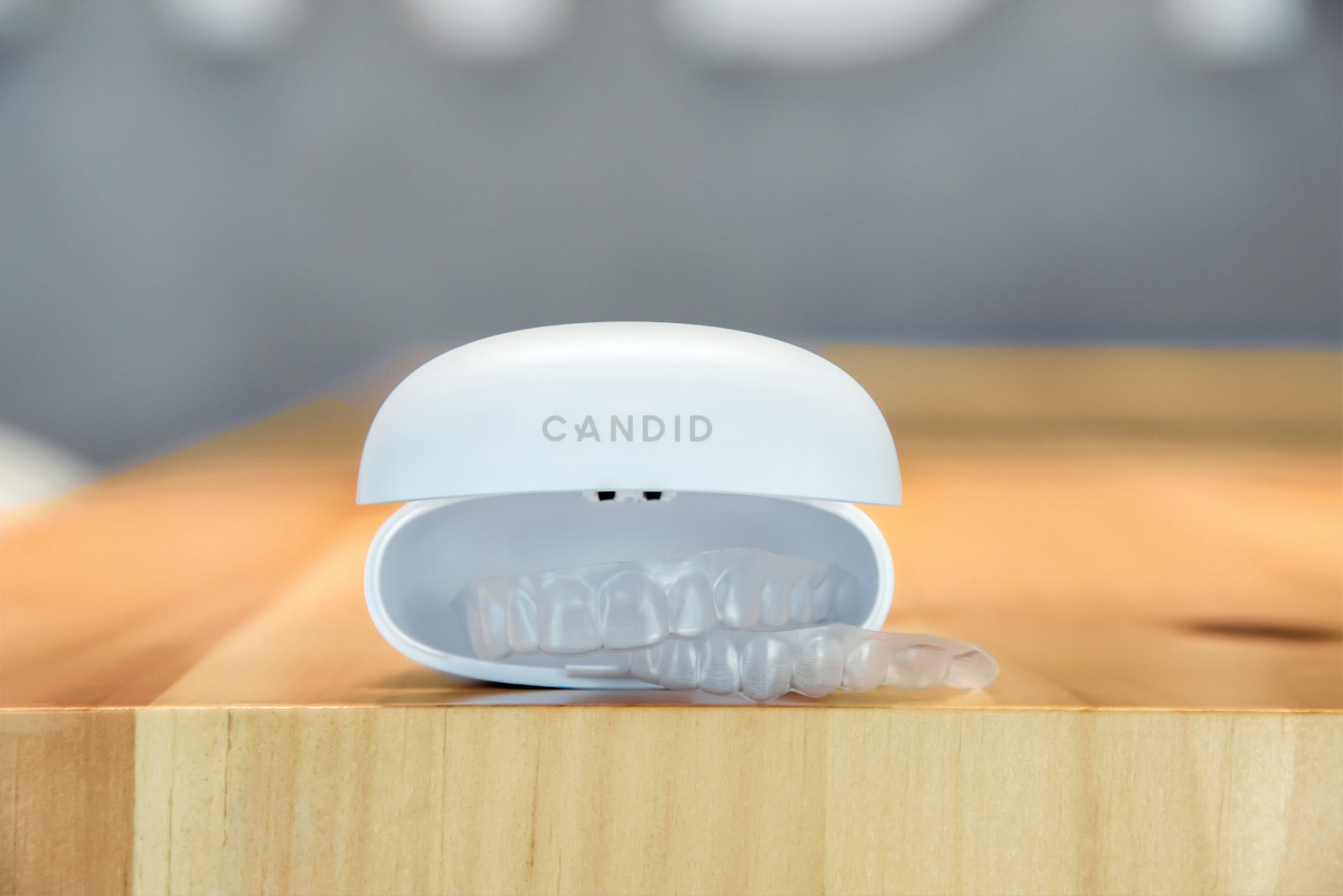

Neither retainer is universally better. A fixed retainer is a thin wire bonded behind your teeth that works around the clock, while a removable retainer is a clear plate or plate-and-wire you take out to eat and clean. The right choice depends on how much day-to-day effort you want, how disciplined you are likely to be, and which teeth are being held. Many people end up with a combination. This guide compares the two honestly so you can decide with your dentist or orthodontist.
Key takeaways
- A fixed retainer is bonded behind the front teeth and works constantly without you having to remember it.
- A removable retainer is easier to clean thoroughly and lets you floss normally, but only works when you actually wear it.
- Teeth drift for life, so retention is usually long term whichever type you choose.
- Fixed retainers need careful cleaning around the wire to avoid tartar and gum problems.
- Many people use a fixed retainer on the lower front teeth and a removable one on top.
How each retainer works
A fixed, or bonded, retainer is a small wire glued to the inside surface of your front teeth, usually the lower six and sometimes the upper. It is invisible from the front and holds those teeth in place every hour of the day. Because it is not up to you to wear it, it removes the biggest risk of relapse, which is forgetting.
A removable retainer comes as a clear plastic tray that fits over the teeth, or as a traditional plate with a wire across the front. You wear it as directed, typically full time at first and then at night long term. It can be taken out for meals, brushing, and special occasions.

Cleaning and gum health
This is where removable retainers have the edge. You can take them out and clean both the retainer and your teeth normally, flossing between every tooth. A fixed retainer asks more of you. Plaque and tartar can build up along the wire, and you need to thread floss or use interdental brushes and a floss threader to clean underneath it. People who keep up with this do very well. People who do not can develop tartar and gum inflammation behind the lower front teeth.
Comfort, speech and durability
Most people stop noticing a fixed retainer within a week or two. It does not affect speech because it sits low behind the teeth. Its main weakness is breakage. A bond can pop off a tooth or the wire can bend, and if that happens without you noticing, teeth can move. Removable retainers do not fail silently in the same way, but they can be lost, left in a napkin, cracked, or chewed by a dog. They also wear out and need replacing every few years.
| Feature | Fixed retainer | Removable retainer |
|---|---|---|
| Who controls the wear | Always on, automatic | Only works when worn |
| Cleaning | Harder, floss threader needed | Easy, take out and clean |
| Visibility | Hidden behind teeth | Clear trays nearly invisible |
| Main risk | Silent breakage, tartar build-up | Forgetting to wear, loss |
| Replacement | Re-bond if it fails | Every few years as it wears |
So which should you choose?
If you know you are unlikely to keep up with nightly wear, a fixed retainer protects your result without relying on memory. If you value easy cleaning, or you have a history of tartar build-up and gum issues, a removable retainer may keep your gums healthier. For many people the practical answer is both, using a bonded wire on the lower teeth and a clear plate on the upper. Whichever you choose, the underlying rule is the same: teeth keep trying to shift, so retention is a long-term habit. You can read more in our guides to retainer types and how long to wear them, life with a retainer after braces, and whether teeth shift after braces.
Frequently asked questions
How long do I have to wear a retainer?
Indefinitely, in some form. Teeth drift throughout life, so most people move to night-only wear of a removable retainer or keep a bonded wire in place long term.
Is a fixed retainer better than a removable one?
Not universally. A fixed retainer removes the risk of forgetting, while a removable one is easier to clean around. The best choice depends on your habits and which teeth are being held.
Can food get stuck in a fixed retainer?
Yes, plaque and food can gather along the wire, which is why daily cleaning with floss threaders or interdental brushes matters. Regular hygiene visits help keep the area healthy.
What happens if my retainer breaks?
Contact your dentist promptly. A broken bonded wire or a lost plate lets teeth start to move, and the sooner it is repaired or replaced the less shift you will see. Our guide on cleaning retainers also helps you keep yours in good shape.
Can I switch from a fixed to a removable retainer later?
Often yes. Some people keep a bonded wire for years and then move to night-only removable wear once teeth are very stable. Your dentist can advise on timing.
If you have finished braces and want the most reliable way to protect your result, the team at Lumi Dental can help you choose and fit the right retainer. See our current offers or book a check-up to discuss your options.
This article is general information only and is not a substitute for personalised dental advice. Please see a dentist or orthodontist for advice about your own situation.

