

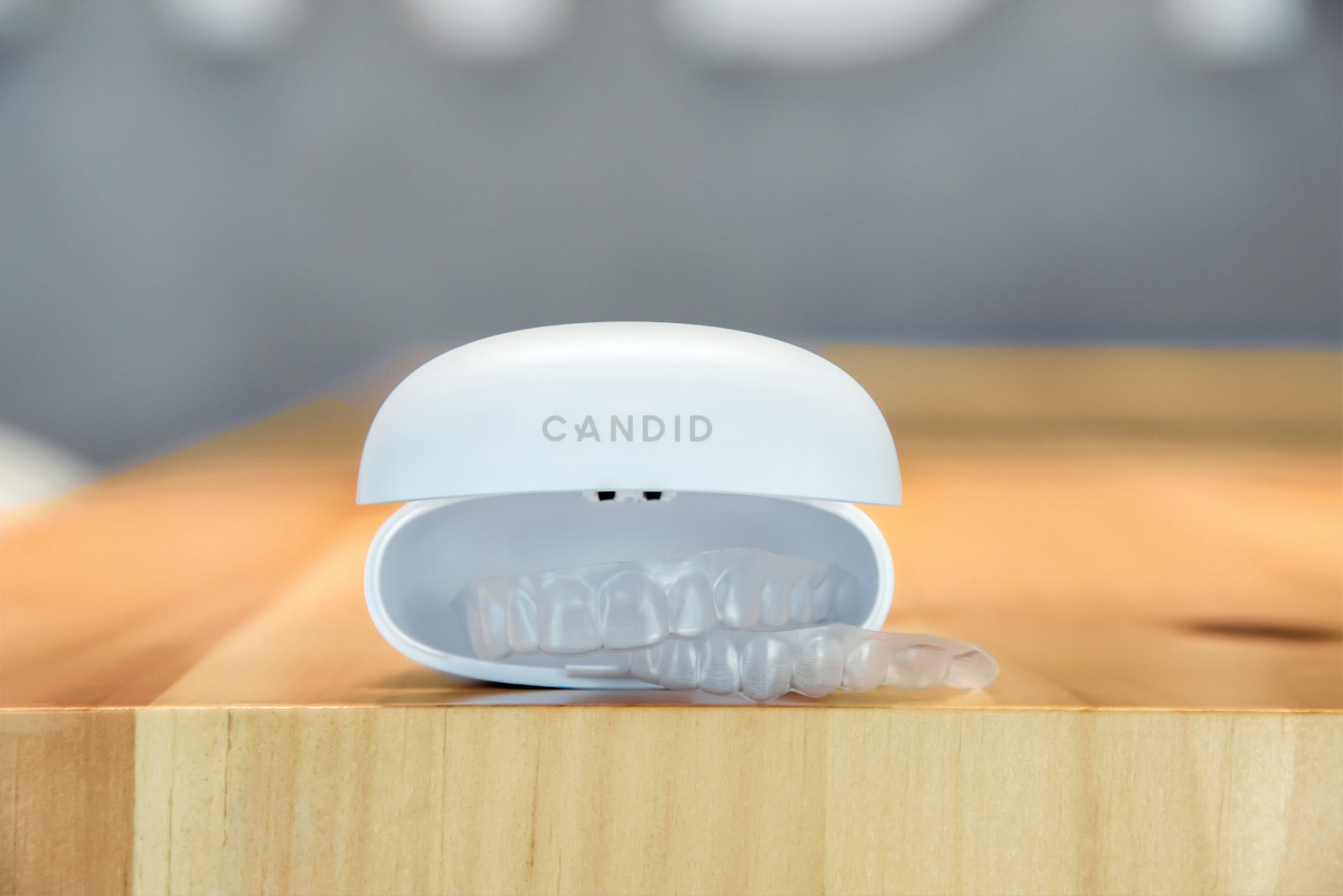

After braces come off, a retainer holds your teeth in their new position, and most people wear one in some form for the long term to stop the teeth drifting back. Life with a retainer is straightforward once you get used to it, but there are a few habits worth building early. This guide explains what to expect day to day, how long you will likely wear a retainer, and how to look after it so your straight smile lasts.
Key takeaways
- Teeth naturally tend to shift back after braces, so retainers are usually for the long term.
- Many people wear a retainer full-time at first, then step down to nights only.
- Retainers come as removable clear or wire types, or a fixed wire bonded behind the teeth.
- Cleaning your retainer daily keeps it fresh and your gums healthy.
- If a retainer feels tight after a break, your teeth may already be moving.
Why you need a retainer at all
Straightened teeth are not locked in place the moment braces come off. The fibres and bone around each tooth take time to settle, and teeth have a natural tendency to drift back toward where they started. A retainer holds them steady while everything stabilises, and because that drift can continue for years, retention is usually a long-term commitment. Our guide on whether teeth shift without a retainer explains this in more depth.
How wear changes over time
In the early months after braces, orthodontists often recommend wearing a removable retainer full-time, or close to it, taking it out only to eat and clean. After that settling period, most people step down to wearing it at night only. Nightly wear, often for the long term, is a common and manageable routine. Our article on retainer types and how long to wear them covers the timelines.

The main types of retainer
| Type | How it works | Good to know |
|---|---|---|
| Clear (plastic) removable | Fits over the teeth like a thin tray | Discreet, take out to eat, can crack if mishandled |
| Wire and plate removable | A wire across the front with an acrylic plate | Hard-wearing, more visible, adjustable |
| Fixed (bonded) wire | A thin wire glued behind the front teeth | Always in place, needs careful cleaning around it |
Daily life and cleaning
Living with a retainer soon becomes second nature. Removable retainers come out for meals and go in a case, never a napkin, to avoid the classic lost-in-the-bin moment. Clean a removable retainer daily by brushing it gently with a soft brush and cool water, and avoid hot water, which can warp plastic. For a fixed retainer, clean carefully around the wire and thread floss underneath. Our guide on cleaning a retainer or night guard has step-by-step tips. It helps to know a retainer is not the same as a night guard, as explained in our night guard versus retainer article.
What to do if things change
If your removable retainer suddenly feels tight after you have skipped a few nights, that tightness is a sign your teeth have started to shift. Going back to more regular wear usually helps, but see your dentist or orthodontist if it will not seat properly. A lost or broken retainer is worth replacing promptly, because teeth can move in a matter of weeks. The end of braces is covered in our guide on getting your braces off.
Frequently asked questions
How long do I have to wear a retainer after braces?
Often for the long term. Many people wear one full-time at first, then nightly for years, because teeth can keep drifting without retention.
What happens if I stop wearing my retainer?
Your teeth may gradually shift back toward their old positions. How fast varies, but changes can begin within weeks, especially in the first year after braces.
Why does my retainer feel tight?
A tight retainer usually means your teeth have moved slightly since you last wore it. Returning to regular wear often settles them, but check with your dentist if it will not fit.
How do I clean my retainer?
Brush it gently with a soft brush and cool water daily, and avoid hot water and abrasive toothpaste. A fixed retainer needs careful cleaning and flossing around the wire.
Can I eat with my retainer in?
Remove a removable retainer to eat, then clean your teeth before putting it back. A fixed retainer stays in, so take care with hard and sticky foods.
Keeping your smile straight
If your retainer needs replacing or your teeth feel like they are shifting, an early visit protects the result of your braces. The team at Lumi Dental can help. See current options on our offers page or learn about our general dental care.
This article is general information only and is not a substitute for personal dental advice. Please see a dentist or orthodontist to discuss your own situation.

