

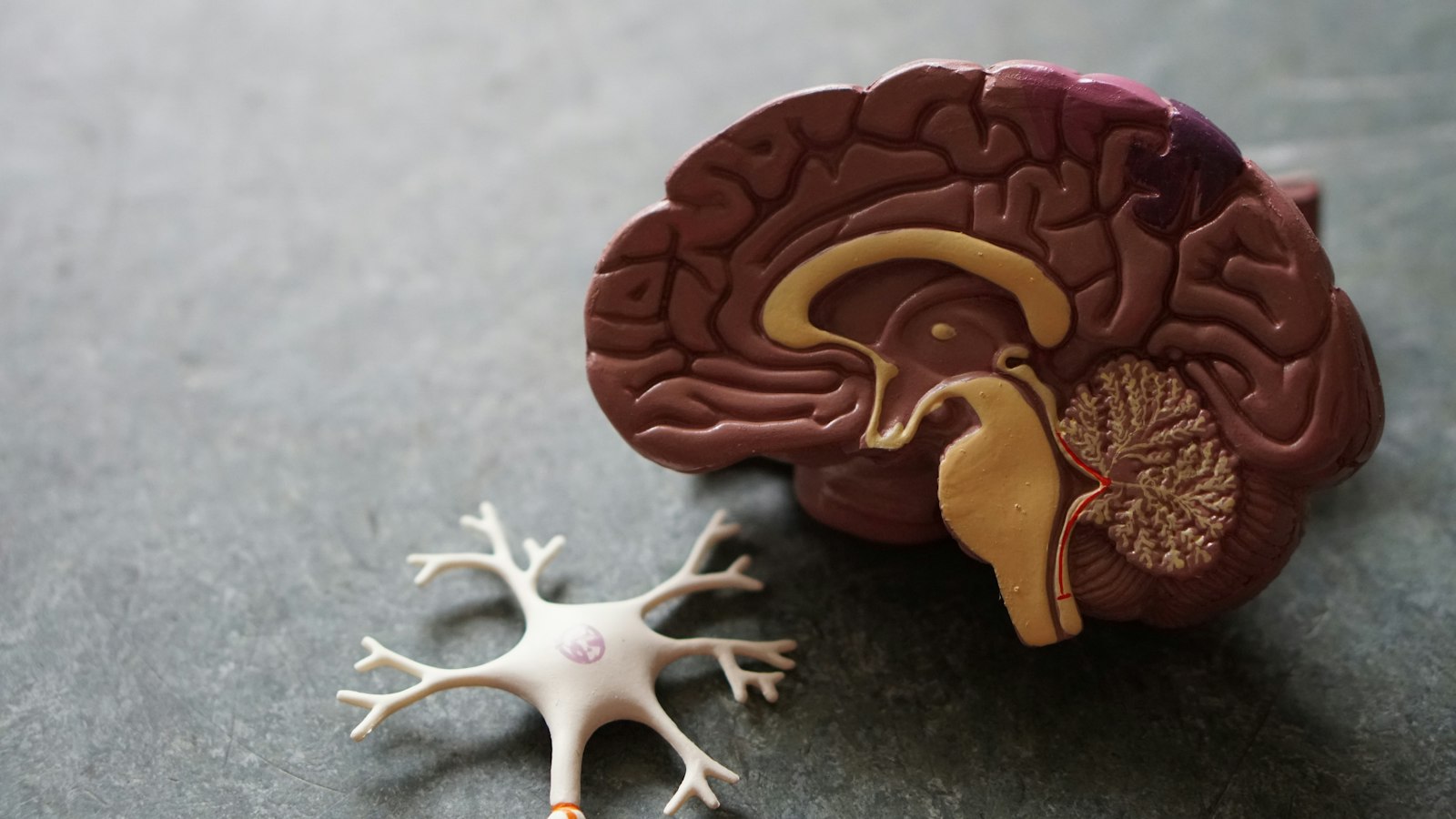

Aircraft cabin air typically sits at 10 to 20 percent humidity, well below the comfortable indoor range, and that dryness reduces saliva production in a way that raises the risk of decay, bad breath and gum irritation over repeated flights. For flight attendants, pilots and frequent flyers who spend many hours a week in this environment, occasional dry mouth on a single trip can become a recurring pattern that is worth actively managing rather than shrugging off as a normal part of the job.
Key Takeaways
- Cabin humidity is roughly a quarter of what is considered comfortable indoors, which measurably reduces saliva flow.
- Saliva is your mouth's natural defence against decay and bacteria, so less of it means higher risk over time.
- Frequent flyers and crew are more likely to experience dry mouth, bad breath and mild gum irritation than occasional travellers.
- Drinking water regularly, avoiding excess caffeine and alcohol in flight, and carrying sugar-free gum are the simplest effective countermeasures.
- Crew members flying multiple times a week benefit from mentioning their flight schedule at dental check-ups, since it changes their individual risk profile.
Why cabin air is so hard on your mouth
Commercial aircraft recycle and dehumidify cabin air partly to reduce condensation and corrosion risk inside the fuselage, which brings humidity down to a level closer to a desert than a living room. Saliva plays a constant background role in protecting your teeth: it washes away food particles, neutralises acid produced by bacteria, and carries minerals that help repair early enamel damage. When cabin dryness reduces how much saliva you produce, all three of those protective jobs slow down at once, which is why a long flight can leave your mouth feeling noticeably drier and your breath less fresh than usual, even without eating anything unusual.
Who feels this most
Occasional flyers usually notice dry mouth as a short-term discomfort that resolves within a day of landing. For flight attendants, pilots and anyone flying multiple times a week, the exposure is cumulative. Repeated cycles of reduced saliva flow, combined with irregular meal times, cabin snacking, and less access to a full oral hygiene routine mid-shift, can shift someone's overall risk profile even if any single flight seems unremarkable. This is comparable to the pattern covered in our guide on dental care for FIFO and remote workers, where an unusual work schedule rather than any single event is what changes long-term risk.
Practical steps that make a real difference
| Habit | Why it helps |
|---|---|
| Drink water consistently through the flight | The most effective way to offset reduced saliva production from dry cabin air |
| Limit caffeine and alcohol in flight | Both have a mild dehydrating effect that compounds the cabin's dryness |
| Carry sugar-free gum or lozenges | Chewing stimulates saliva flow, which helps counter dryness between drinks |
| Pack a travel toothbrush for longer flights | A quick brush mid-flight or before landing helps offset a longer than usual gap between cleans |
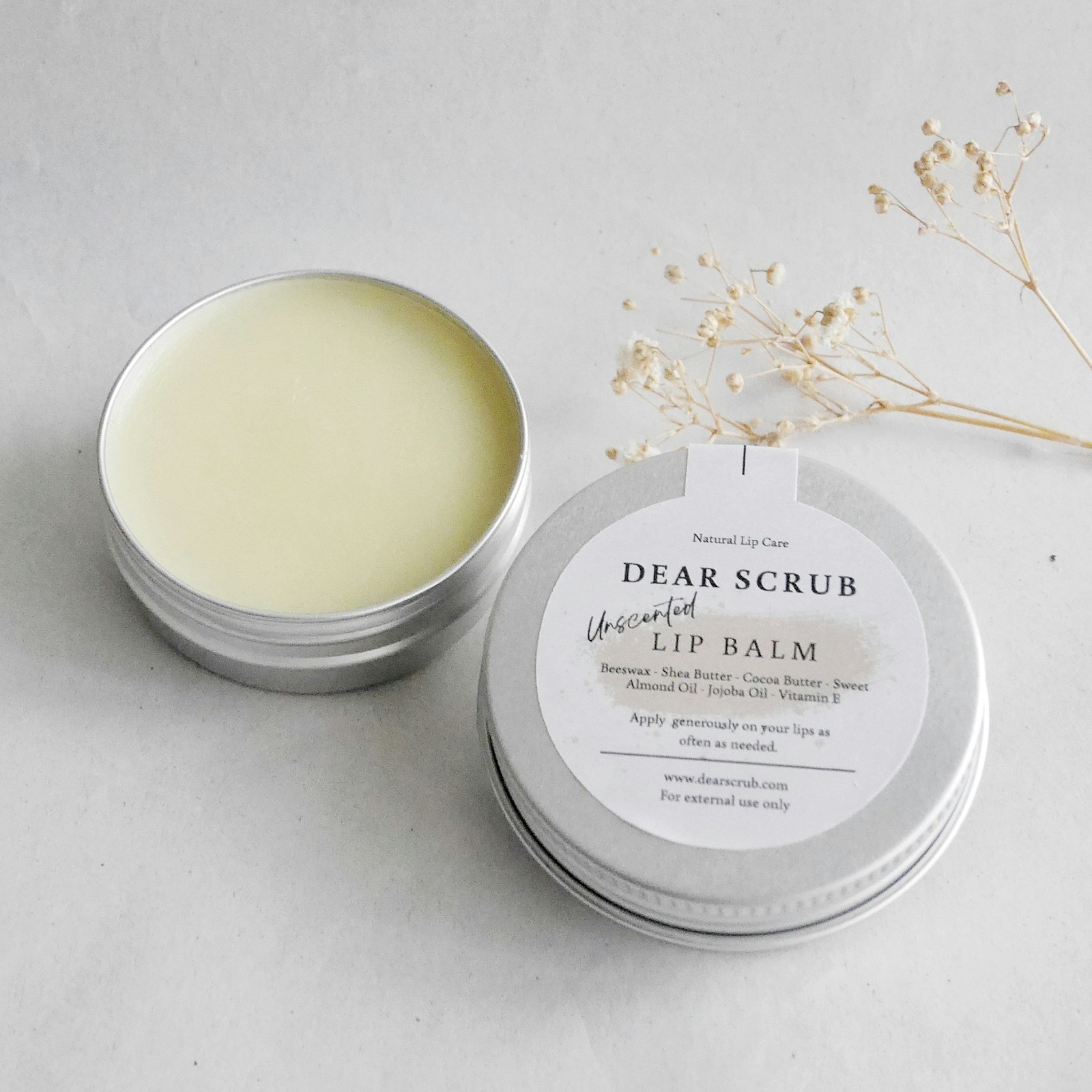
| Use a lip balm with SPF | Cabin air dries lips as well as the mouth, and dry cracked lips are uncomfortable on repeat exposure |
| Mention your flying schedule at check-ups | Lets your dentist factor cumulative dry mouth exposure into your prevention plan |
Why this matters beyond comfort
Dry mouth is not just an unpleasant sensation. Reduced saliva flow is directly linked to a higher rate of tooth decay, since saliva is what neutralises the acid produced when bacteria break down sugars on your teeth. It also affects gum health and can contribute to bad breath, since saliva normally washes away the bacteria responsible for both. None of this means flying is dangerous for your teeth, but for anyone in the air regularly, small daily habits matter more than they would for an occasional traveller, in the same way that regular hydration matters more for anyone in a persistently dry environment.

Common Questions
Does flying actually cause cavities?
Flying itself does not cause decay directly, but the dry cabin air reduces saliva flow, and lower saliva flow is a well-established risk factor for decay over time, particularly with frequent exposure.
Is chewing gum on a flight actually helpful?
Yes, sugar-free gum stimulates saliva production, which helps counter the drying effect of cabin air. Look for gum containing xylitol, which also has some evidence for reducing decay-causing bacteria.
Should pilots and cabin crew get more frequent dental check-ups?
Not necessarily more frequent by default, but it is worth discussing your flying schedule with your dentist so they can assess whether your individual risk profile calls for a shorter recall interval or extra preventive measures such as fluoride treatments.
Does drinking alcohol on a flight make dry mouth worse?
Yes. Alcohol has a mild dehydrating effect on its own, and combined with already low cabin humidity, it can leave your mouth feeling noticeably drier than the same drink would on the ground.
Can dry mouth from flying cause bad breath?
It can contribute to it. Saliva normally helps wash away the bacteria responsible for bad breath, so reduced saliva flow during a long flight can make breath noticeably less fresh by the time you land.
If frequent flying is part of your work or lifestyle and you would like a prevention plan tailored to it, the team at Lumi Dental can help at your next visit. See current offers or find out more about general dental care at Lumi Dental.
This article is general information and does not replace individual dental advice.

