
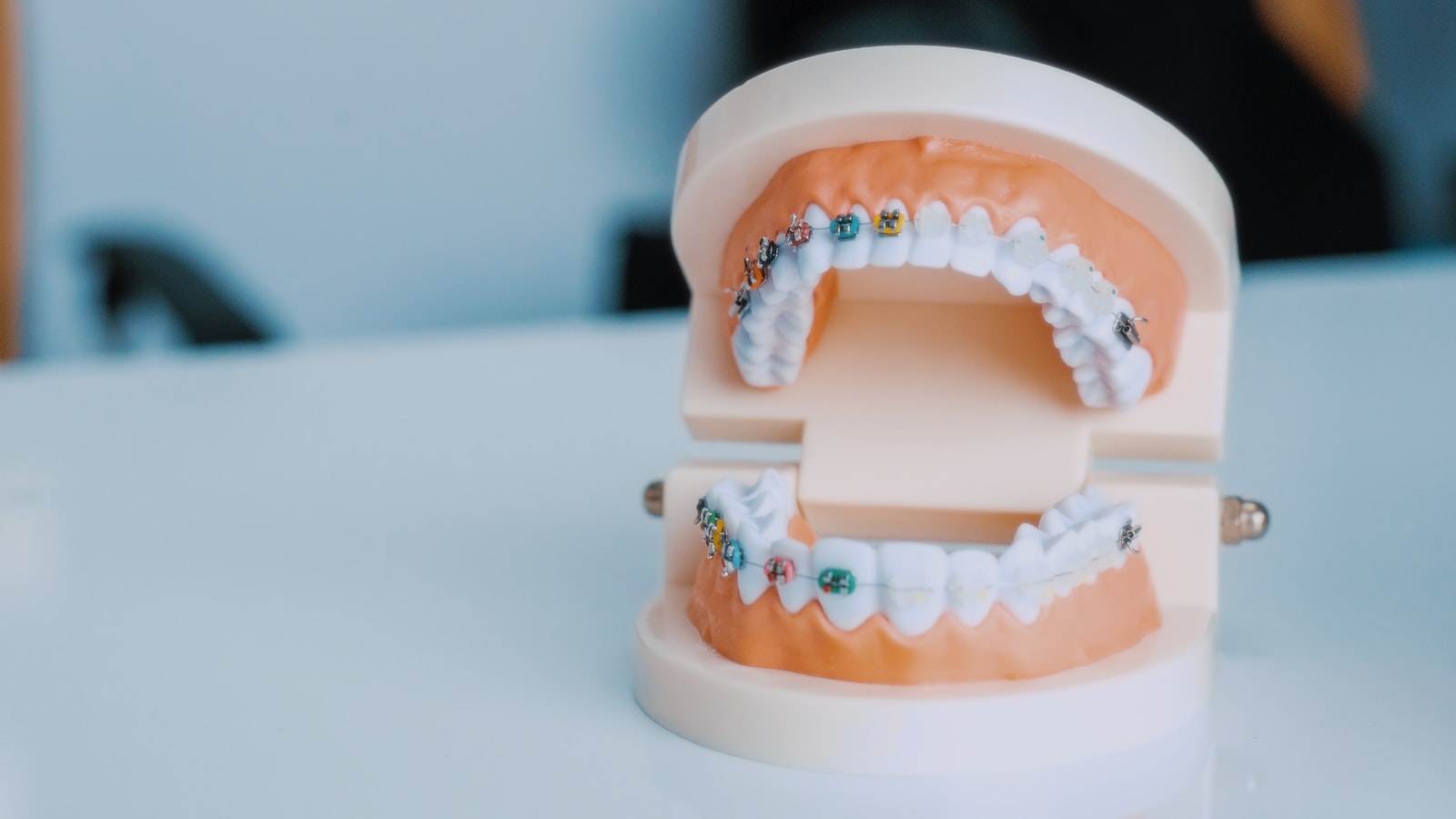

A flipper tooth is a light, removable acrylic partial denture that fills the gap left by a missing tooth while you wait for a permanent fix such as a dental implant or bridge. In Australia it typically costs somewhere between $300 and $1,100 and is designed to last around 8 to 12 months, not years. Dentists reach for a flipper when a patient needs a natural-looking gap filler fast, often within a day or two of losing a tooth, while the jaw heals or a lab builds the final restoration.
Key Takeaways
- A flipper tooth is a removable acrylic partial denture, not a permanent restoration.
- It is commonly used while an implant heals, before a bridge or crown is ready, or straight after a front tooth is lost.
- Most flippers are made within 24 to 48 hours and cost roughly $300 to $1,100 in Australia.
- A flipper usually lasts 8 to 12 months with proper care, though some last up to two years.
- It needs to come out at night and be cleaned daily, and it is not built to handle hard or sticky foods.
- Waiting with a bare gap can let neighbouring teeth drift, so a flipper is often the more practical short-term option.
What a flipper tooth actually is
A flipper is made from a gum-coloured acrylic base with a false tooth attached, shaped to sit over the gum where a tooth used to be. Small clasps or the acrylic itself grip lightly onto the neighbouring teeth to hold it in place. It is not cemented or screwed in like a bridge or implant crown, so you can take it out to clean it or when you sleep. Because it is acrylic and made quickly, it flexes more and feels bulkier than a cast metal partial denture, which is one reason it is meant as a stop-gap rather than a long-term solution.
When a dentist recommends a flipper
In my experience, a flipper tends to come up in a handful of common situations.
- While a dental implant heals. Osseointegration, the process where the implant fuses with the jawbone, typically takes around three to four months in the lower jaw and can run to six months or longer in the upper jaw, according to dental healing literature. A flipper covers that gap so you are not missing a visible tooth in the meantime.
- Before a bridge or crown is fabricated. Lab-made restorations can take one to two weeks to come back, and a flipper keeps the space filled and stops adjacent teeth shifting while you wait.
- After losing a front tooth suddenly. Trauma, a failed root canal, or an extraction can leave an obvious gap. A flipper is often the fastest way to restore your smile while a longer-term plan, such as an implant or bridge, is worked out.
- For special occasions. Some patients want a temporary flipper for a wedding or similar event while a permanent option is still being planned.

Wearing and cleaning a flipper
Putting it in and taking it out
A flipper should seat with gentle finger pressure, never by biting it into place. If it feels tight or pinches, it usually needs a small adjustment rather than force. Most dentists advise taking it out at night to let the gum tissue rest and to reduce the risk of irritation.
Daily cleaning
Rinse it after meals and brush it gently with a soft toothbrush and a non-abrasive denture cleaner or plain soap, not regular toothpaste, which can scratch the acrylic. Soaking it in a denture-cleaning solution a few times a week helps control odour and bacteria. Keep brushing your remaining natural teeth and gums as normal, since a flipper does not replace your regular hygiene routine.
What to avoid
Flippers are not built for heavy chewing. Sticky lollies, hard nuts, and crunchy foods can crack the acrylic or dislodge a clasp. Many dentists also suggest removing it to eat altogether, at least at first, until you get a feel for how it sits.
How long does a flipper tooth last?
A flipper is a short-term appliance. On average it lasts about 8 to 12 months, though with careful use some patients get closer to two years out of one before it needs replacing or the plan moves on to something permanent. It is worth comparing how a flipper stacks up against other options for filling a gap.
| Option | Typical AU cost | Typical lifespan | Best for |
|---|---|---|---|
| Acrylic flipper (temporary partial) | $300 to $1,100 | 8 to 12 months (up to 2 years) | Short-term gap filling while healing or waiting on a lab restoration |
| Flexible (valplast-style) partial | Roughly $800 to $1,800 | 2 to 5 years | A longer-lasting removable option if implants or a bridge aren't planned yet |
| Cast metal partial denture | Roughly $1,600 to $2,500+ | 5 to 10 years with relines | Longer-term removable replacement for multiple missing teeth |
| Fixed bridge | Several thousand dollars, varies by span | 10 to 15 years or more | A fixed, non-removable option once healing is complete |
| Dental implant crown | Roughly $3,000 to $6,500+ per tooth | Often 15+ years with good care | Permanent single-tooth replacement |
For a deeper look at how partial dentures compare to bridges and to each other, see our guides on dental bridge vs partial denture and cobalt chromium vs acrylic partial dentures.
Flipper vs waiting with a bare gap
Some patients ask whether it is worth bothering with a flipper at all if a permanent restoration is coming anyway. In most cases, yes. Leaving a gap unfilled, even for a few months, can let the teeth either side tilt into the space and the opposing tooth to over-erupt, which can complicate the fit of the final crown, bridge, or denture later. A flipper also protects your speech and bite pattern and helps you feel comfortable smiling and eating in public in the meantime. The main downsides are that it is removable, needs daily care, is not designed for hard chewing, and will eventually need replacing or upgrading to something permanent. If you are also weighing up a same-day denture option after losing several teeth, our article on same-day dentures vs conventional dentures covers that comparison in more detail.
Common questions
Does a flipper tooth hurt?
It shouldn't. There can be some initial rubbing or a lisp for the first few days while your tongue and gums adjust, but ongoing soreness usually means it needs a small adjustment.
Can I eat with a flipper in?
You can eat soft foods, but most dentists suggest avoiding hard, sticky, or chewy foods and cutting things into smaller pieces at first. Some patients prefer to remove it for meals.
Will people notice it's fake?
A well-made flipper is shade-matched to your other teeth and designed to look natural in everyday conversation and photos. It is not designed to withstand close inspection or heavy biting the way a permanent restoration is.
Can a flipper tooth break?
Yes. Acrylic is more brittle than the materials used in permanent restorations, so drops, hard foods, or clenching can crack or snap a clasp. Minor repairs are usually possible.
Is a flipper the same as a valplast partial?
No. A flipper is typically rigid acrylic and meant as a short-term stopgap. A valplast or flexible partial uses a more durable, slightly bendable material and is built to last longer, though it still isn't a permanent fix like an implant or bridge. See our comparison of partial denture clasp options for more on how these appliances are held in place.
How much does a flipper tooth cost in Australia?
Expect roughly $300 to $1,100 depending on the practice, the tooth being replaced, and how quickly it needs to be made. Since Lumi Dental doesn't quote individual prices online, the most accurate way to know your cost is a consultation and a written quote.
What happens after the flipper stage?
Your dentist will usually reassess once healing is complete or the permanent restoration is ready, then move you on to an implant crown, bridge, or a longer-term partial denture depending on what suits your mouth and budget. Our guide to full vs partial dentures is a useful next read if several teeth are involved.
If you've recently lost a tooth or you're waiting on an implant or bridge, the Lumi Dental team can talk you through whether a flipper tooth is the right short-term option for your situation. Check current deals or book a visit with the general dentists at Melrose Park to get started.


