


Flossing with braces is more fiddly than flossing without them, but it's one of the most important habits you can build while you're in treatment. The wires and brackets create extra places for plaque to hide, and without a proper flossing routine, white spot lesions, permanent pale marks left behind by decay starting under the enamel, can show up surprisingly fast. The good news is that a few simple tools, a floss threader, orthodontic floss, a water flosser, or interdental brushes, make it genuinely manageable once you've got the technique down.
Key takeaways
- Braces make plaque easier to trap and harder to remove, which raises the risk of white spot lesions and gum inflammation if flossing is skipped.
- A floss threader or orthodontic floss with a stiffened end lets you get floss underneath the wire without needing three hands.
- Water flossers and interdental brushes are useful additions, not full replacements, for regular flossing around brackets and wires.
- Research on orthodontic patients has found white spot lesions can appear in a large proportion of patients with fixed braces, especially where plaque control is inconsistent, making daily flossing genuinely protective rather than optional.
- A simple daily routine, even just once a day if done properly, makes a bigger difference than trying to floss perfectly but rarely.
Why flossing with braces actually matters
Braces don't cause tooth decay or gum disease on their own. What they do is create more surfaces, brackets, wires, and the gaps around them, where food and plaque can get stuck and stay stuck if you're only brushing. Left in place, that plaque starts to demineralise the enamel around the brackets, which shows up as white spot lesions, permanent chalky patches that don't disappear even after the braces come off.
Research on orthodontic patients has found that a substantial proportion of people in fixed braces develop at least one white spot lesion during treatment, with prevalence in various studies ranging widely depending on how closely plaque was controlled, from well under a quarter of patients with strong hygiene habits up past half or more of patients who struggled to keep the area clean. The pattern across the research is consistent even where the exact numbers vary: the better the plaque control, the lower the risk. That's the entire reason flossing with braces is worth the extra effort, it's one of the few things directly in your control during treatment.
The tools that make it possible
| Tool | Best for | Notes |
|---|---|---|
| Floss threader | Getting standard floss under the wire | Cheap, reusable, takes a bit of practice to get quick at it |
| Orthodontic floss (stiffened end) | Same job as a threader, built into the floss itself | Slightly faster once you're used to it, no separate threader to lose |
| Water flosser | Flushing debris from around brackets and wires | Great addition, especially after meals, but doesn't fully replace flossing |
| Interdental brushes | Cleaning the small gaps between teeth and around brackets | Come in different sizes, useful alongside floss rather than instead of it |
Step-by-step: flossing with a threader or orthodontic floss
- Thread the floss under the wire. If using a threader, pass the loop under the archwire between two brackets, then pull the floss through. Orthodontic floss with a stiffened end skips this step, you just guide the stiff tip under the wire directly.
- Floss each tooth individually. Once under the wire, wrap the floss into a C-shape around one tooth and gently move it up and down, then repeat for the neighbouring tooth before pulling the floss out and moving to the next gap.
- Don't skip the gumline. Let the floss dip slightly below the gum edge on each tooth, that's where plaque tends to build up unnoticed.
- Repeat around the whole mouth. It's slower than flossing without braces, budget a few extra minutes, especially early on.
- Rinse and check. A quick rinse afterwards, and a look in the mirror, helps you spot any food still caught around a bracket.
Where a water flosser and interdental brushes fit in
A water flosser uses a pressured stream of water to dislodge food and plaque, and it's genuinely useful with braces because it can reach around wires more easily than string floss. It's a great habit to build, particularly straight after meals, but on its own it doesn't remove plaque as thoroughly as flossing does, so it's best used alongside floss rather than as a full swap.
Interdental brushes, small brushes designed to fit between teeth, are another useful addition, especially for the wider gaps that sometimes open up around brackets or between teeth that are mid-movement. They come in different sizes, so it's worth asking your orthodontist or dentist which size suits your gaps rather than guessing.
Common mistakes worth avoiding
- Only brushing, never flossing. Brushing alone can't reach between teeth or fully under the wire, which is exactly where plaque builds up with braces.
- Rushing it. Flossing with braces takes longer than without them. Trying to speed through it usually means missed spots.
- Snapping the floss against the gums. This can cause unnecessary irritation or bleeding, ease the floss in gently instead.
- Giving up after a few tries. The technique feels awkward at first and gets noticeably faster with practice.
For more general habits worth checking, our article on common flossing mistakes covers issues that apply with or without braces. And if you're regularly getting food stuck around your brackets, our guide on what to do when food gets stuck in braces has practical tips beyond flossing alone.
Brushing still matters too
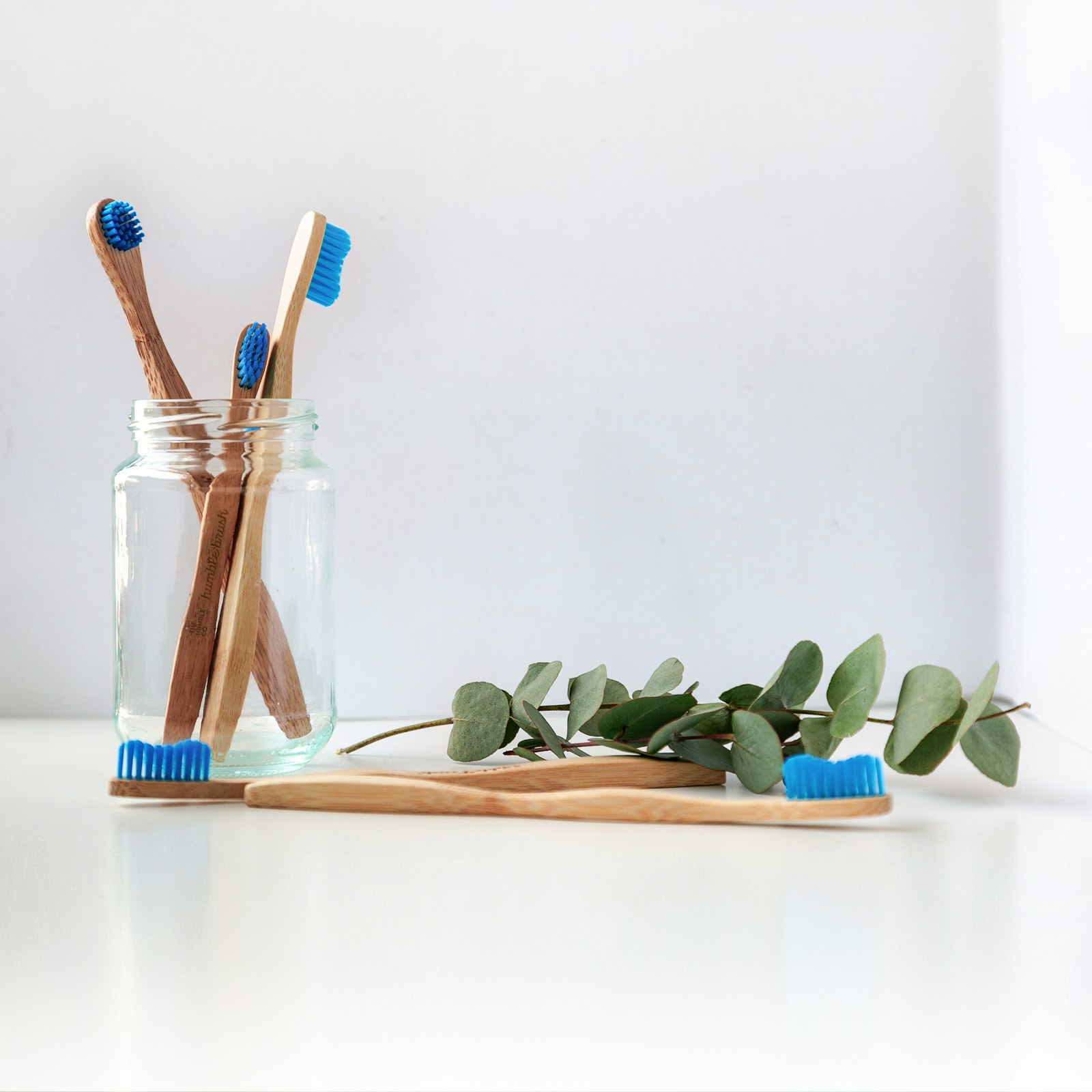
Flossing and brushing work together, not instead of each other. An electric toothbrush can make it easier to clean thoroughly around brackets, particularly with a smaller brush head that can angle in close. If you're deciding between electric and manual for the duration of your treatment, our comparison of electric vs manual toothbrushes is worth a read. And if bleeding gums have become a regular issue since starting braces, it's worth understanding why, our guide on bleeding gums causes and treatment explains what's normal and what's not.
Frequently asked questions
How often should I floss with braces?
Once a day, done properly, makes a real difference. Some people find it easier to floss at night when they have more time to be thorough.
Is a water flosser enough on its own with braces?
It's a helpful addition but generally not a full replacement for flossing. Using both gives better plaque control than either alone.
Why do my gums bleed when I floss with braces?
Some bleeding when you first start flossing regularly is common and usually settles within a week or two as gum inflammation reduces. Ongoing bleeding is worth mentioning to your dentist or orthodontist.
What are white spot lesions and can they be reversed?
They're pale, chalky patches on the enamel caused by early decay under the tooth surface, often appearing around brackets after braces come off. Once fully formed, they're generally permanent, though there are some cosmetic treatment options afterwards, which is exactly why prevention through daily flossing matters so much during treatment.
Is it easier to floss with clear aligners than braces?
Generally yes, since aligners come out for eating and cleaning, there's no wire to floss under. If you're weighing up the two, our comparison of clear aligners vs Invisalign covers more of the practical differences.
Can I use a floss threader with any type of braces?
Yes, floss threaders work with standard metal and ceramic braces. Your orthodontist can show you the technique specific to your setup at an appointment.
What size interdental brush should I use with braces?
It depends on the size of your gaps, which can vary from tooth to tooth. It's best to ask your dentist or orthodontist to recommend the right sizes for you rather than guessing.
Good habits during orthodontic treatment make a real difference to how your teeth and gums look once the braces come off. For general dental care and check-ups alongside your orthodontic treatment, the team at Lumi Dental can help keep things on track, and you can see current offers on the deals page.
This article is general information and doesn't replace individual advice from your dentist or orthodontist about your specific treatment.


