



Getting your braces off, known as debond day, is usually a quick and painless appointment where the brackets are removed, the glue is cleaned away, and a retainer is fitted or ordered the same day. Most people are in and out within an hour and walk away with a smooth, brace free smile. Knowing what happens on the day, and why the retainer matters immediately, helps you enjoy the moment without any surprises.
Key takeaways
- Removing braces is quick and generally does not hurt, though you may feel pressure.
- The glue is polished off and your teeth are cleaned, which can feel odd at first.
- Teeth may feel slippery, look slightly different, or have faint white marks.
- A retainer is essential from day one to stop teeth drifting back.
- A check up and clean is a good idea soon after braces come off.
What happens on debond day
The orthodontist or dentist gently lifts each bracket off with special pliers. You will feel pressure and a small tug, but the enamel is not harmed. Once the brackets are off, the layer of glue left behind is polished away with a slow drill or polishing cup. This part can feel scratchy or ticklish rather than painful. Your teeth are then cleaned and, if needed, an impression or scan is taken for your retainer.
Does it hurt to get braces off?
Removing braces is far more comfortable than most people expect. There is no drilling into the tooth, so it is not like a filling. The main sensations are pressure as each bracket releases and a slightly rough feeling while the glue is polished. Gums may be a little tender if they were inflamed around the brackets. If your braces were sore while you had them, our guide on whether braces hurt and how to ease it explains why, and the good news is debond day is the easy part.
How your teeth may feel and look
The first thing most people notice is how smooth and slippery their teeth feel with the brackets gone. Running your tongue over them can feel strange for a day or two. Teeth may also look slightly different in colour or shape than you remember, because you are seeing the full surface again. Some people find faint white squares where the brackets sat. These are usually early decalcification marks from plaque building up around brackets, and we explain them in more detail in relation to gum and enamel health. Many marks fade over the following months with good brushing.
Why the retainer matters immediately
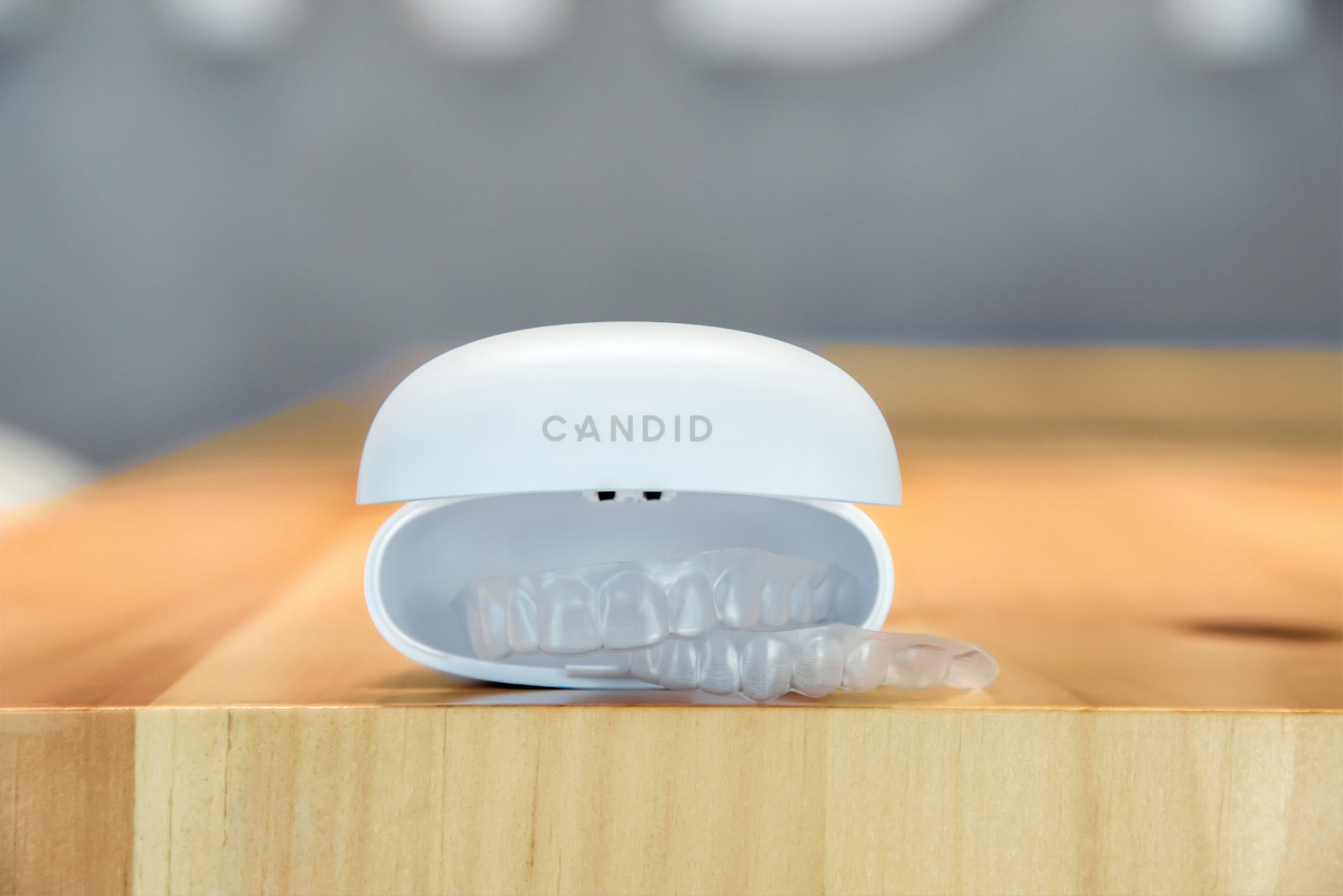
Teeth have a memory. The fibres and bone around them take time to settle into the new position, so without support they can drift back, sometimes within weeks. That is why a retainer is fitted or ordered on the same day your braces come off. Wearing it exactly as directed is the single most important thing you can do to protect years of treatment. Our guide to retainer types and how long to wear them covers fixed and removable options, and orthodontic relapse explains what happens if teeth are left unsupported.
Debond day at a glance
| Step | What happens | How it feels |
|---|---|---|
| Bracket removal | Brackets lifted off with pliers | Pressure, quick tug |
| Glue clean up | Residual adhesive polished away | Scratchy, ticklish |
| Clean and check | Teeth cleaned, bite checked | Comfortable |
| Retainer | Fitted or scanned same day | Snug at first |
After braces come off
It is a good idea to book a check up and clean once your braces are off, so any plaque that gathered around the brackets can be removed and any white marks assessed early. If you are curious about longer term care, a retainer is not the same as a night guard, and the difference is worth knowing if you also grind your teeth, which we cover in night guard versus retainer.
Frequently asked questions
How long does it take to get braces off?
Usually around 30 to 60 minutes, including removing brackets, polishing off the glue, cleaning, and starting your retainer.
Will my teeth be white straight away?
Not necessarily. Teeth may look uneven in colour at first, and any whitening is best done after a clean and once the gums have settled.
What are the white marks after braces?
They are usually early decalcification from plaque around brackets. Many fade with good brushing and fluoride; a dentist can advise if treatment is needed.
Do I have to wear a retainer forever?
Most people wear a retainer full time briefly, then nightly long term. Teeth can shift at any age, so ongoing night wear is common.
Can my teeth move back after braces?
Yes, quickly, if a retainer is not worn. This is the most common reason results relapse, and it is entirely preventable.
The bottom line
Debond day is the reward at the end of orthodontic treatment: fast, comfortable, and a chance to see your finished smile. The one thing that protects it is wearing your retainer exactly as directed. If you would like a check up and clean after your braces come off, the team at Lumi Dental can help, and you can see current options on our current deals page or book with a dentist in Melrose Park.
This article is general information and is not a substitute for personal dental advice. For advice about your own teeth, please see a dentist.

