
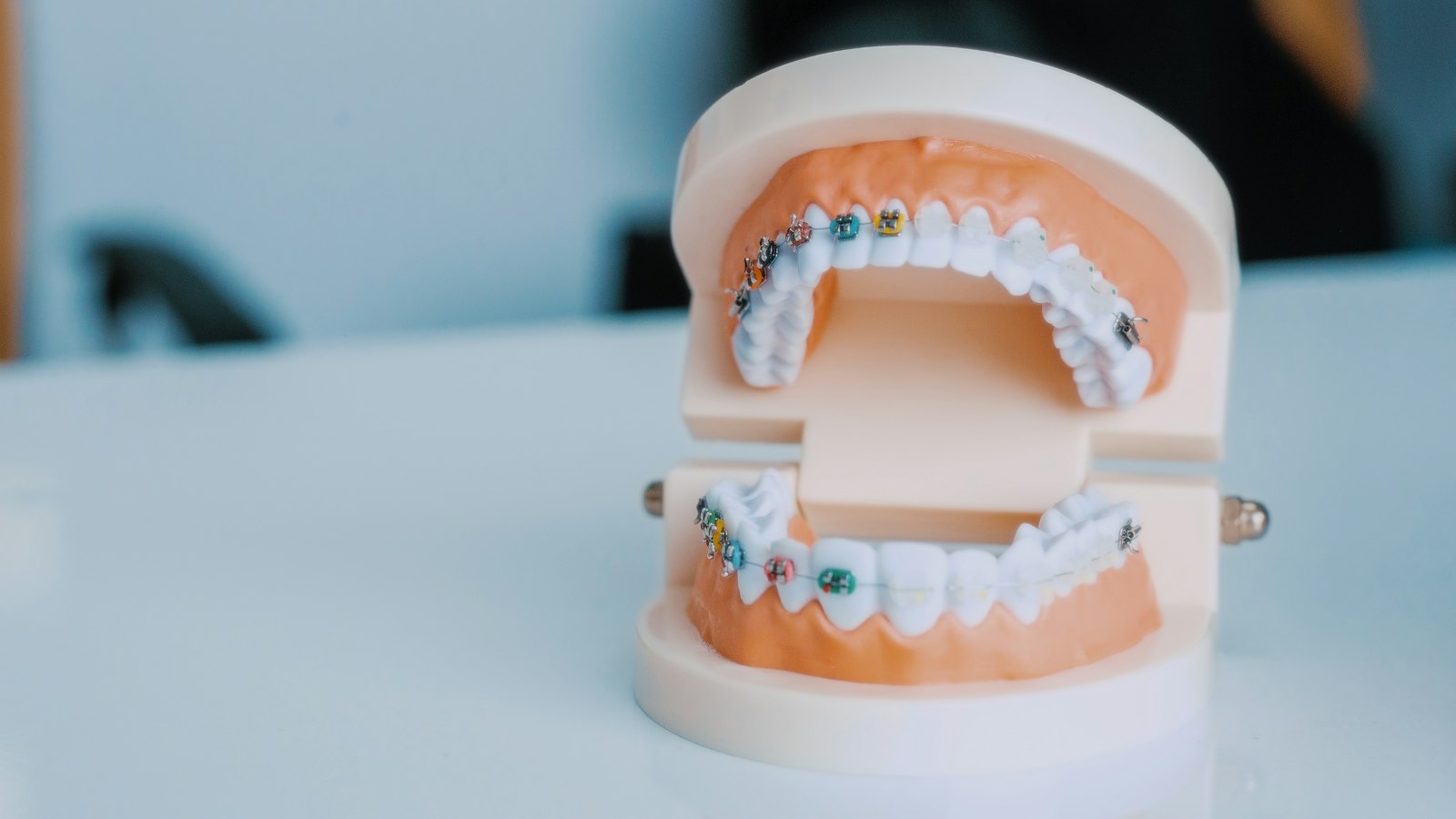

Gold crowns and gold onlays are still worth considering for back teeth, because long-term studies have reported cast gold restorations lasting 20 years or more that rarely fracture. They have fallen out of fashion as tooth-coloured materials have improved, but for the right tooth and the right patient, gold remains one of the most durable and tooth-friendly options in restorative dentistry. In this guide I explain what dental gold actually is, how it compares with zirconia and porcelain, what it may cost in Sydney, and who tends to benefit most.
Key Takeaways
- Dental gold is an alloy of gold with metals such as platinum and palladium, not pure gold.
- Gold wears at a rate similar to natural enamel, so it is gentle on the opposing teeth it bites against.
- Gold usually needs less tooth reduction than many ceramic crowns, which can help preserve healthy tooth structure.
- Studies have reported cast gold survival of around 96% at 10 years and 87% at 20 years.
- The main drawbacks are the colour, a cost linked to the gold price, and fewer labs still making them.
- Gold suits back molars and people who grind. Compare all materials in our guide to types of dental crowns.
What Are Gold Crowns and Gold Onlays?
A crown covers the whole visible part of a tooth, from the biting surface down to the gum line. An onlay is more conservative: it covers the biting surface and one or more cusps (the raised points of a molar) but leaves the healthy sides of the tooth alone. Both are made outside the mouth in a dental laboratory, then cemented onto the prepared tooth.
When people hear "gold crown", they often picture a solid lump of 24 carat gold. Pure gold would be far too soft for chewing. Dental gold is an alloy, a blend of gold with other metals such as platinum, palladium, silver and copper. These additions make the metal harder and stronger while keeping the properties that make gold useful in the mouth.
Alloys are grouped by how much noble metal they contain. A "high noble" alloy contains at least 60% noble metal, including at least 40% gold. These are the alloys most people mean when they talk about gold crowns, and they typically have a yellow or pale gold colour depending on the mix.
Why Some Dentists Still Recommend Gold
One simple rule: if the tooth is a back molar that takes heavy biting forces and appearance is not a priority, gold is worth asking about.
It is kind to opposing teeth
Every time you bite, a crown rubs against the tooth on the other jaw. Some harder materials can wear down that opposing enamel over the years. Gold wears at a rate similar to natural enamel, so it tends to wear evenly alongside your own teeth rather than grinding them away. For patients with a history of tooth wear from grinding or attrition, this can be a meaningful advantage.
It needs less tooth reduction
Because gold is strong even in thin sections, the dentist can often remove less tooth to make room for it. Many ceramic crowns need more bulk to avoid cracking. Keeping more of your natural tooth may help protect the nerve and leaves more structure for future treatment if it is ever needed.
It is very fracture resistant
Gold bends slightly under load rather than snapping. That makes it well suited to second and third molars, teeth with short walls, and people who clench or grind at night. Ceramics have become much tougher, but a cast gold restoration is still very unlikely to chip or crack.
It fits precisely
Cast gold can be finished to a very fine, close-fitting edge. A good marginal fit can make it harder for bacteria to get in under the crown, which may lower the risk of decay at the edges over time.
How Long Do Gold Crowns Last?
Gold has one of the longest track records of any crown material, and the research reflects that. Long-term studies by Studer and colleagues reported cast gold restoration survival of around 96% at 10 years and 87% at 20 years. A separate retrospective study of 1,314 cast gold restorations reported 95% survival, with most of those restorations in service for more than 20 years.
These figures come from specific study groups, and individual results always depend on oral hygiene, diet, grinding habits and regular check-ups. A crown is only as healthy as the tooth underneath it, so decay at the margin or gum disease can still cause problems. Still, in my experience patients who have had a gold onlay for decades are often surprised to learn it is "old technology", because it has simply kept working.
Gold vs Zirconia vs Porcelain vs Lithium Disilicate
Most crowns placed today are tooth coloured. Zirconia is a very strong ceramic, lithium disilicate is a glass ceramic prized for its natural look, and porcelain fused to metal (PFM) combines a metal base with a porcelain outer layer. Here is how they generally compare. For a closer look at the ceramics, see our guide to ceramic vs zirconia crowns.
| Feature | Gold | Zirconia | Porcelain fused to metal | Lithium disilicate |
|---|---|---|---|---|
| Appearance | Gold coloured, clearly visible | Tooth coloured, can look slightly opaque | Tooth coloured, may show a dark line at the gum | Tooth coloured, very natural translucency |
| Strength | Very high, bends rather than breaks | Very high | High, porcelain layer can chip | Good, moderate to high |
| Wear on opposing teeth | Low, similar to enamel | Low if well polished, harsher if rough | Can be higher, porcelain is abrasive | Low to moderate |
| Tooth reduction | Least | Low to moderate | Most | Moderate |
| Typical use | Back molars, grinders, onlays | Back teeth, bridges, grinders | Older standard, bridges | Front teeth, premolars, onlays |
| General Sydney cost range* | About $1,800 to $3,200+ | About $1,500 to $2,500 | About $1,400 to $2,300 | About $1,600 to $2,600 |
*General Sydney market ranges only. Fees vary between practices and cases, and gold crown lab fees move with the gold price.
Downsides of Gold Crowns and Onlays
Gold is not right for everyone, and it is worth weighing the trade-offs.
- Colour. The most obvious drawback. On an upper molar it is rarely seen, but on a lower molar or a premolar it may show when you talk or smile.
- Cost tied to the gold price. The laboratory pays for the metal by weight, so the fee can rise when gold prices are high.
- Metal sensitivity. True allergy to high noble alloys is rare, but some people react to certain metals such as palladium or nickel. If you have known metal sensitivities, mention it at your consult so the alloy can be checked.
- Fewer providers. As zirconia and lithium disilicate have become common, fewer dentists and labs make cast gold restorations routinely, so availability can vary.
- Two visits. Gold is cast in a lab, so it typically needs a temporary crown and a second appointment.

Who Might Gold Suit?
Gold may be worth considering if you:
- Need a crown or onlay on a back molar that is not visible when you smile.
- Grind or clench your teeth and have broken ceramic crowns or fillings before.
- Have limited space between your teeth when you bite, where a thin but strong material helps.
- Want to keep as much of your natural tooth as possible, which often favours an onlay.
It may be less suitable if the tooth is visible, if you prefer a metal-free mouth, or if you have a confirmed sensitivity to an alloy component. A large old filling that has started to crack or leak is a common reason to discuss gold.
What the Process Involves
Getting a gold crown or onlay follows the same steps as most lab-made crowns. At the first visit, the dentist numbs the tooth with local anaesthetic, removes decay or old filling material, shapes the tooth, and takes a digital scan or impression. A temporary restoration protects the tooth while the lab casts the gold. At the second visit, the temporary comes off and the gold restoration is checked for fit and bite before being cemented.
Cost depends on the size of the restoration, the alloy, the lab and the gold price on the day. As a general Sydney market guide, a gold crown is about $1,800 to $3,200 or more, and a gold onlay is about $1,200 to $2,500. These are general ranges that vary between practices and cases. Our dental crown cost guide explains health fund rebates and item numbers.
Common Questions
Are gold crowns better than porcelain crowns?
Gold crowns are not better in every case, but they are typically stronger, need less tooth removal and are gentler on opposing teeth. Porcelain and other ceramics look far more natural, so the right choice depends on the tooth's position, your bite and your priorities.
How long does a gold crown last?
Studies have reported cast gold survival of around 96% at 10 years and 87% at 20 years, and many gold restorations last longer. Good hygiene and regular check-ups help protect the tooth underneath.
Is a gold crown pure gold?
No, a gold crown is made from an alloy. High noble alloys contain at least 60% noble metal, including at least 40% gold, mixed with metals like platinum and palladium for strength.
Why are gold crowns less common now?
Gold crowns are less common mainly because tooth-coloured materials such as zirconia and lithium disilicate have become strong enough for most back teeth. Many patients prefer the look, and fewer labs now cast gold routinely.
Can I get a gold onlay instead of a full crown?
Often, yes, if enough healthy tooth remains. An onlay covers only the damaged cusps and biting surface, which can preserve more tooth structure. Your dentist will check the tooth and X-rays before recommending one.
Talk Through Your Crown Options at Lumi Dental
If you have a cracked molar, a large old filling or a crown that needs replacing, gold is worth asking about alongside tooth-coloured options. The team at Lumi Dental in Melrose Park can examine the tooth, explain which materials may suit it, and give you a written quote before any treatment. Book with our general dentist in Melrose Park and see our new patient offer on the current deals page, with a free consult and written quote.
This article is general information only and is not a substitute for personalised advice from a registered dental practitioner.


