


Grillz are not automatically bad for your teeth, but how they are made, fitted, worn and cleaned makes a real difference to the risk. If you are wondering whether grillz and teeth can get along, the short answer is that a well-fitting, removable grill worn now and then carries a lower risk than one worn all day, glued on at home or fitted by removing healthy tooth structure.
This guide is not here to talk you out of grillz. It is here to explain what can go wrong, how to wear them more safely, and what a dentist will look for, so you can enjoy the look while protecting your teeth and gums. If you are also considering other decorative options, our guide to tooth gems and tooth jewellery safety covers similar ground.
Key Takeaways
- Grillz are decorative covers, usually metal, worn over the teeth. They can be removable or "permanent" (fixed).
- The American Dental Association has said there are no studies showing grills are harmful, but also none showing that long-term wear is safe.
- The main risks are trapped food and plaque, which may lead to decay, gum inflammation and bad breath, plus wear on opposing teeth and possible metal allergy.
- Remove a removable grill before eating, clean it daily, and brush and floss before putting it back in.
- Never glue a grill on at home with non-dental adhesive, and do not wear one while playing contact sport.
- Permanent styles may involve removing tooth structure, which cannot be undone.
What Are Grillz?
Grillz (also spelled grills) are decorative covers worn over the front teeth. They are usually made from metal, ranging from base metal alloys to silver, gold or platinum, and some are set with stones. They come in two broad types.
Removable grillz
These are typically custom-made from an impression or mould of your teeth, so they slide on and off. A good impression-based grill should sit snugly without rocking, pinching the gums or stopping your teeth from meeting normally.
Permanent grillz
Fixed or "permanent" styles are bonded onto the teeth. Depending on the design, some may involve reshaping or removing tooth structure so the metal sits flush. Once enamel is removed, it does not grow back, so this is a decision to think through carefully.
One simple rule
If you want grillz, choose a properly fitted removable style, take it out to eat and sleep, keep it clean, and see your dentist regularly. That approach keeps most of the risks low.
Are Grillz Bad for Your Teeth? What the Evidence Says
There is not much research on grillz. The American Dental Association has said there are no studies showing that grills are harmful to teeth, but there are also no studies showing that wearing them long term is safe. The ADA's view is that well-fitting grills worn intermittently are less likely to cause problems than those worn for long periods.
That matches what dentists tend to see in practice. Most problems do not come from the metal itself but from what happens underneath it: food and bacteria trapped against the teeth and gums for hours at a time.
The Main Risks of Wearing Grillz
Trapped food and plaque
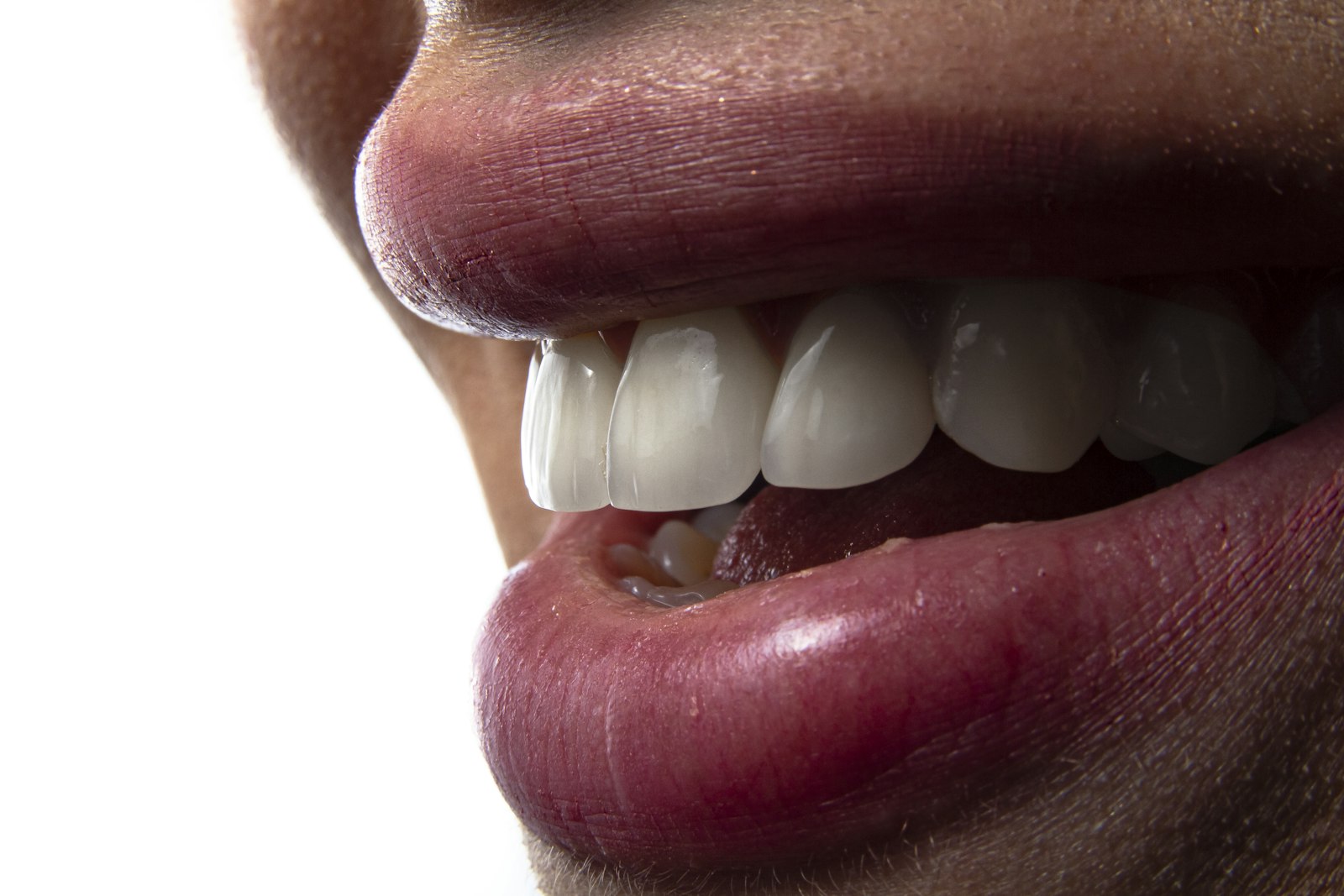
A grill creates a sheltered space over the teeth where food and plaque can collect, away from saliva, which normally helps rinse and protect teeth. Over time this may lead to tooth decay, gum inflammation (gingivitis) and bad breath. Gums that stay inflamed may also bleed or start to pull back.
Wear on opposing teeth
If the grill rubs against the teeth it bites against, it can gradually wear them down over time, especially if you clench or grind.
Irritation and metal allergy
Some people react to base metals, particularly nickel, which is common in cheaper alloys. Signs can include redness, swelling, itching or soreness in the gums or lips, and sometimes a metallic taste. Our article on allergic reactions to dental materials explains more about metal sensitivity.
Home gluing and fixing
Some people try to fix a loose grill in place with household or craft glue. Non-dental adhesives are not designed for use in the mouth. They can irritate the gums, trap bacteria and damage enamel when they are removed.
Irreversible tooth reduction
Some permanent styles involve shaving or removing tooth structure. That change is permanent, and the teeth may then need ongoing protection, such as crowns, if you decide to stop wearing the grill later.
Removable vs Permanent Grillz
The table below compares the two main types in plain terms.
| Feature | Removable grillz | Permanent grillz |
|---|---|---|
| How fitted | Custom-made from an impression, slides on and off | Bonded onto the teeth |
| Tooth removal | Usually none needed | Some designs may involve removing tooth structure |
| Cleaning | Take out and clean the grill and teeth separately each day | Harder to clean around and under; needs careful brushing and flossing |
| Main risks | Trapped food and plaque if worn for long periods, wear on opposing teeth, metal allergy | Decay and gum inflammation at the edges, loss of tooth structure, metal allergy |
| Reversibility | Reversible: stop wearing it at any time | Often not fully reversible if tooth structure was removed |
How to Wear Grillz More Safely
If you choose to wear grillz, these habits can lower the risk to your teeth and gums.
- Get a proper fit: choose a grill made from an impression of your own teeth rather than a one-size-fits-all version.
- Choose higher-quality alloys: higher-grade gold, silver or platinum are generally less likely to cause irritation than nickel-containing base metals.
- Take it out to eat: eating with a grill in pushes food underneath it and can damage both the grill and your teeth.
- Clean it every day: rinse and gently brush the grill with a soft brush and mild soap, then dry it. The same principles apply as when you clean a retainer or night guard.
- Brush and floss first: clean your own teeth before putting the grill back in, so you are not sealing plaque against them.
- Limit wearing time: wearing a grill for an event or an evening carries less risk than wearing it all day, every day.
- Skip it for sport: do not wear grillz while playing contact sport. Use a mouthguard instead.
- Do not glue it on at home: if a grill feels loose, have it adjusted rather than fixing it with adhesive.
What a Dentist Will Check
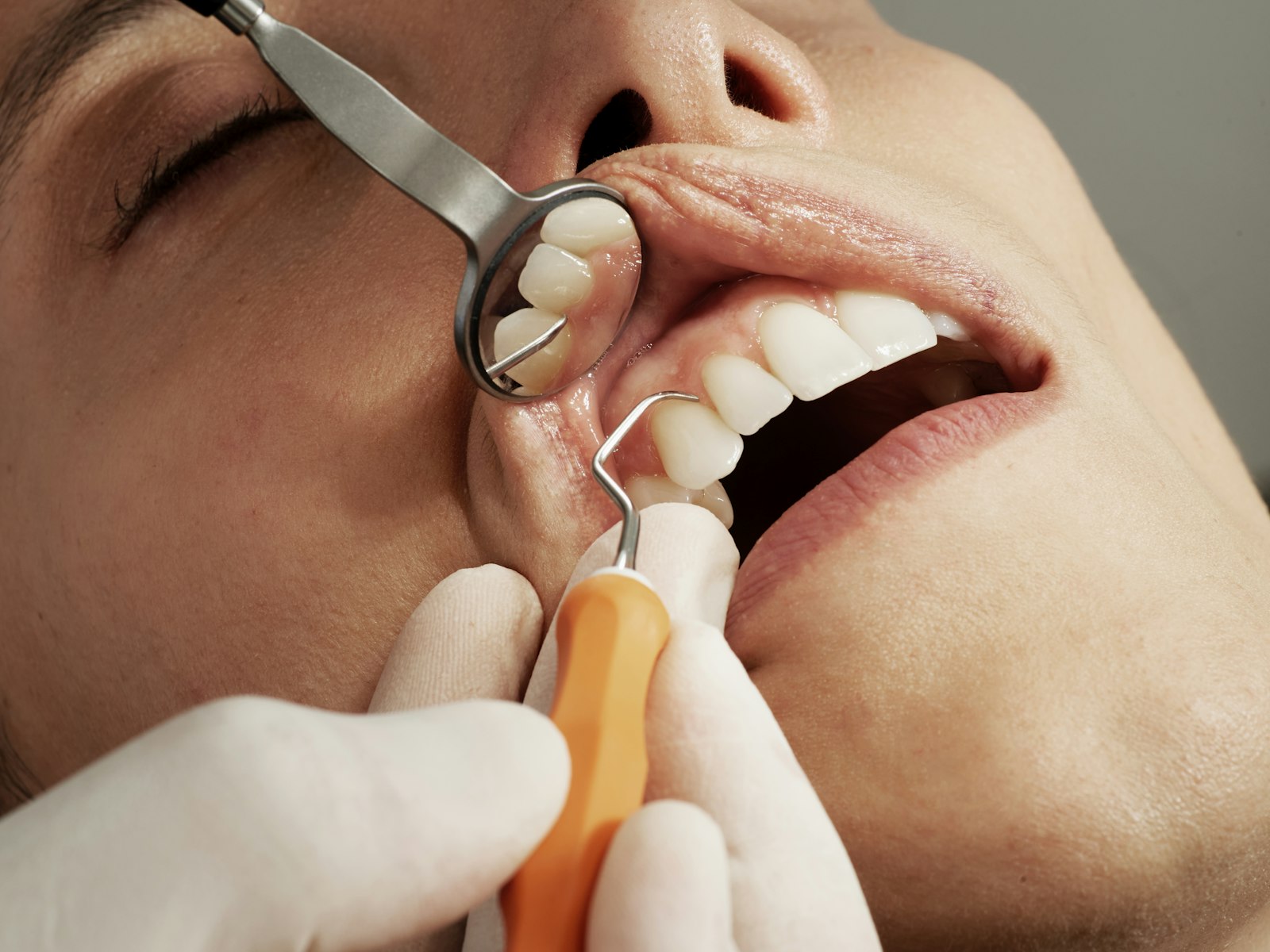
A check-up before you get grillz, and regular reviews while you wear them, can help catch small problems early. At a visit, a dentist may look at:
- Existing decay or old fillings that should be treated before anything covers the teeth.
- Gum health, including bleeding, swelling or early recession at the gum line.
- Signs of wear on the teeth that bite against the grill.
- Any redness or irritation that may point to a metal sensitivity.
- Your bite, to make sure the grill is not stopping your teeth from meeting normally.
Patients I see with grillz are often doing a good job at home and just want reassurance. There is no judgement here. The aim is simply to keep your teeth healthy whatever you choose to wear on them.
Common Questions
Are grillz bad for your teeth?
Not necessarily. A well-fitting removable grill worn occasionally and kept clean carries a lower risk, while long wear, poor fit and poor cleaning raise the risk of decay and gum problems.
Can you eat with grillz in?
It is best not to. Eating with a grill in traps food underneath it and can damage both the grill and your teeth, so take it out before meals.
Do permanent grillz ruin your teeth?
They can cause lasting changes. Some permanent styles involve removing tooth structure, which cannot be reversed, and the edges can be harder to keep clean.
Can you be allergic to grillz?
Yes, some people react to base metals such as nickel. Redness, swelling or soreness of the gums or lips after wearing a grill is worth having checked.
How often should I see a dentist if I wear grillz?
Regular check-ups, typically every six to twelve months or as your dentist advises, are a good idea, with an extra visit if you notice bleeding gums, pain or a bad taste.
Book a Check-Up at Lumi Dental
If you are thinking about grillz or already wear them, a check-up is a simple way to make sure your teeth and gums are in good shape. The team at Lumi Dental in Melrose Park, Sydney can help as your general dentist in Melrose Park, with a free consult and written quote for any treatment you need. See our current deals for the new patient offer.
If you would rather make a lasting change to the look of your smile, done clinically and planned around the health of your teeth, you can also explore options with our cosmetic dentist in Melrose Park.
This article is general information only and is not a substitute for personalised advice from a registered dental practitioner.


