
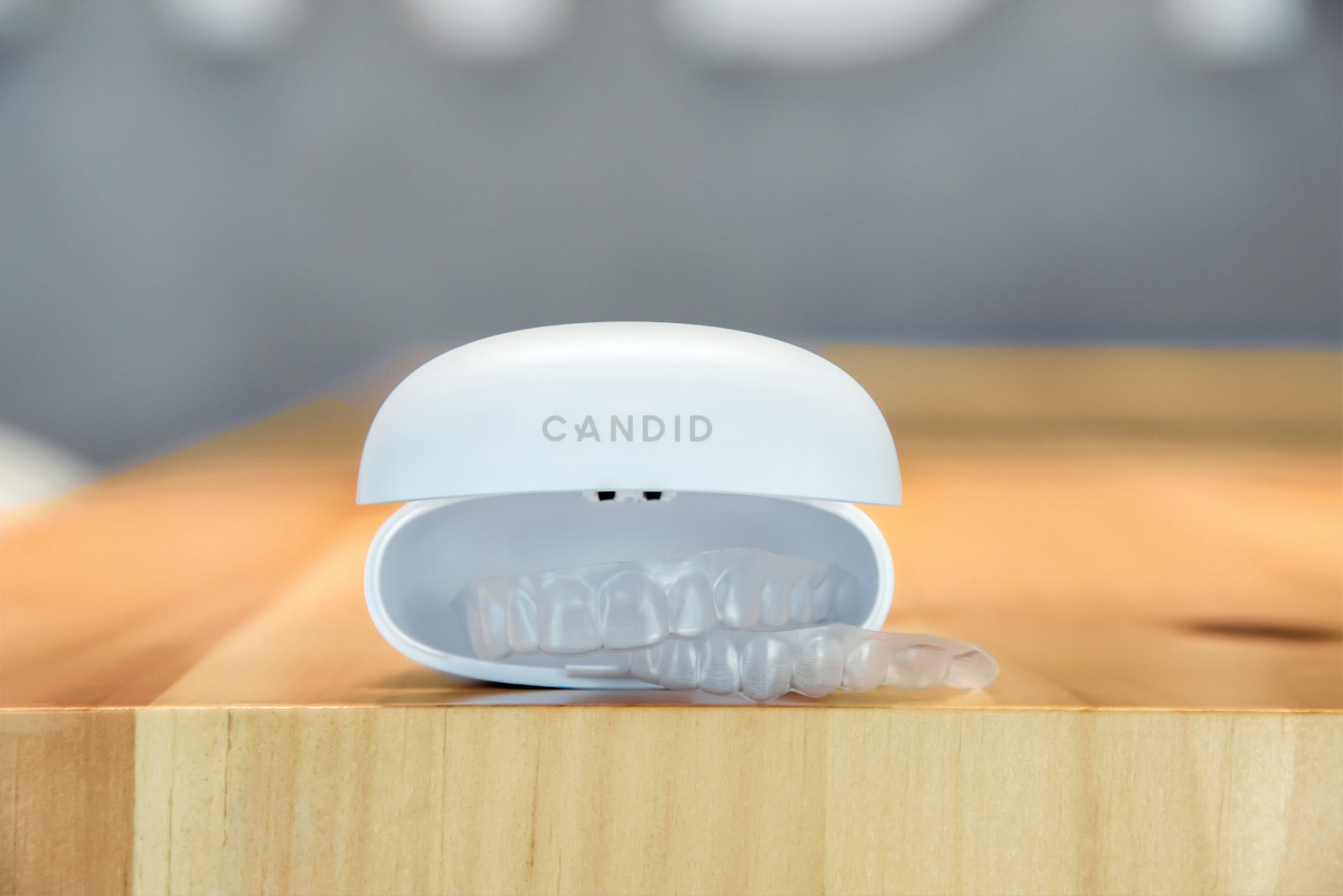

The best retainer for holding your teeth straight, whether it's a Hawley retainer or a clear retainer, is the one you'll actually wear consistently as directed. Both types do the same core job of holding teeth in their new position after orthodontic treatment, but they look, feel, and hold up differently day to day, which is often what decides which one suits a person best.
Key Takeaways
- A Hawley retainer is a removable retainer with a metal wire across the front teeth and an acrylic base, it's adjustable and durable.
- A clear retainer, sometimes called a vacuum-formed or Essix-style retainer, is a thin, nearly invisible plastic tray moulded to fit snugly over the teeth.
- Research generally shows both types are similarly effective at holding tooth position when worn as instructed.
- Clear retainers are often preferred for their near-invisibility, Hawley retainers are often preferred where long-term adjustability or durability matters more.
- Both need daily cleaning and safe storage when not in the mouth, since retainers left out are easily lost or damaged.
- Teeth can start shifting within weeks of inconsistent wear, so a lost or ill-fitting retainer is worth addressing promptly.
What is a Hawley retainer?
A Hawley retainer has been used in orthodontics for decades. It's made up of a custom-moulded acrylic base that sits against the roof of the mouth or along the inside of the lower teeth, held in place with metal clasps, and a visible metal wire that runs across the front of the teeth to keep them in position.
Because the acrylic and wire components are separate, a dentist or orthodontist can adjust a Hawley retainer over time if minor tooth movement needs to be corrected. It's also generally hard wearing and can last for years with good care.
What is a clear retainer?
A clear retainer is a thin, custom-fitted sheet of clear plastic moulded to fit snugly over the entire arch of teeth, similar in appearance to a clear aligner. It has no visible wires or clasps, which makes it the more discreet option of the two. It works by holding every tooth firmly in its current position through close, even contact.

Hawley vs clear retainer, side by side
| Factor | Hawley retainer | Clear retainer |
|---|---|---|
| Visibility | Visible metal wire across the front teeth | Nearly invisible |
| Comfort | Bulkier against the palate, some initial speech adjustment | Slim, close fit, some people find it more comfortable |
| Durability | Generally very durable, resists cracking | Can wear thin or crack over time, especially with grinding |
| Adjustability | Can be adjusted by a dentist if minor movement needs correcting | Not adjustable, needs remaking if teeth shift or fit changes |
| Typical lifespan | Often several years with good care | Commonly needs replacing every one to a few years |
| General cost basis | Similar order of cost to clear retainers, varies by provider | Similar order of cost to Hawley retainers, varies by provider |
Cost varies between providers and individual cases, so it's best discussed directly with your dentist rather than assumed from general figures. Ask for a written quote if cost is a deciding factor for you.
Are they equally effective?
Generally, yes. Studies comparing the two types have typically found similar effectiveness at holding tooth position, provided the retainer is worn as instructed and fits well. The bigger factor in outcomes tends to be consistency of wear rather than which type is chosen. This is why comfort and lifestyle fit matter so much when choosing between them, a retainer that gets left in a drawer isn't doing its job.
Who tends to prefer which type
- Clear retainers are often favoured by teens and adults who are self-conscious about visible dental appliances, or who want something that doesn't affect their appearance in photos or at work.
- Hawley retainers are often favoured by patients who want a long-term, adjustable option, or where a dentist wants the ability to fine-tune minor tooth position over time without remaking the whole retainer.
- People who grind their teeth heavily at night are sometimes steered toward a Hawley retainer, since clear plastic can wear through faster under heavy grinding, though this depends on the individual case.
Care and cleaning tips
Hawley retainer
- Clean daily with a soft toothbrush and mild soap or a retainer cleaning solution, avoid toothpaste which can be abrasive on the acrylic.
- Store in its case whenever it's out of the mouth, and keep it away from pets, who are drawn to the smell of saliva on it.
- Avoid hot water, which can warp the acrylic base.
Clear retainer
- Rinse after every removal and brush gently with a soft toothbrush, avoiding whitening toothpaste which can scratch the plastic.
- Soak periodically in a retainer or aligner cleaning solution to reduce buildup and odour.
- Avoid hot drinks or hot water while wearing it, since heat can distort the plastic.
What happens if a retainer is lost or stops fitting
Teeth can begin to shift within just a few weeks of inconsistent retainer wear, particularly in the months soon after orthodontic treatment finishes. If a retainer is lost, cracked, or suddenly feels tight or loose, it's worth contacting your dentist promptly rather than waiting for your next scheduled visit, since the sooner it's addressed the easier it usually is to manage. If you're still deciding on your original straightening approach, our guides on how to straighten crooked teeth and veneers vs Invisalign cover the options in more detail. Patients partway through clear aligner treatment may also find our article on Invisalign attachments useful background.
Frequently asked questions
How many hours a day should I wear my retainer?
This depends on your individual treatment plan and how long it's been since your braces or aligners finished. Your dentist or orthodontist will give you a specific wear schedule, which often starts as full-time wear and reduces to nights only over time.
Can I switch from a Hawley retainer to a clear retainer, or the other way around?
Often yes, provided your teeth are still in a stable position. Talk to your dentist about remaking your retainer in the other style if your current one isn't working for your lifestyle.
Do clear retainers turn yellow over time?
They can discolour with wear, particularly with smoking, coffee, or inconsistent cleaning. Regular cleaning helps, and most clear retainers are replaced periodically as part of normal care.
Is a Hawley retainer noticeable when talking?
Many people notice a slight change to their speech in the first few days, which usually settles as the tongue adjusts to the acrylic and wire. The visible wire across the front teeth is noticeable to others, which is the main trade-off compared to a clear retainer.
What happens if I stop wearing my retainer completely?
Teeth are naturally inclined to drift over time, and without a retainer holding them in place, some relapse toward their original position is common. This is why most dentists recommend at least some ongoing retainer wear, often just at night, for the long term.
If you're due for a new retainer, need one repaired, or you're weighing up which type suits your lifestyle, our general dentistry team can talk you through the options at your next visit. It's also worth checking our current offers before you book in.


