

When you compare dental implant quotes, compare what each one includes rather than the total at the bottom: a complete quote for a single implant lists the assessment and 3D scan, any extraction or bone graft, the implant itself, the abutment, the crown, sedation if it is used, and the reviews afterwards. The Australian Dental Association's policy on informed financial consent says that where fees are itemised, the dentist should give you the item number for each proposed service so you can check your health fund benefit, and that any estimate should say it is not guaranteed.
Written by Dr James Tran, BDent (University of Sydney), MICOI, GradDip (Oral Implants), general dentist at Lumi Dental in Melrose Park.
The short version
- Line up your quotes item by item. A lower total often means a missing line.
- A single-implant quote should name the implant placement, the abutment and the crown as separate items, plus the scan, any graft and the review visits.
- ADA item numbers make quotes comparable: 688 is a one-stage implant, 684 and 691 are the two stages of a two-stage implant, 661 is the abutment and 672 is a crown attached to an implant.
- Ask which implant system is used, who places it, and what happens if it does not integrate.
- Our guide to dental implant costs in Sydney explains why fees vary between practices.
The single rule: compare inclusions, not the bottom line
If you hold two or three implant quotes, start by making them describe the same finished tooth. Patients I see often bring a quote that covers only the surgery, and another that runs from the first scan to the final crown. The first looks cheaper, and it is not. List each line item down the side of a page, one column per quote, and fill the gaps by asking.
What a single-implant quote should list
The ADA's Australian Schedule of Dental Services and Glossary gives each dental service a three-digit item number, and health funds pay benefits against those numbers. The numbers below appear, with their descriptions, in the Transport Accident Commission's published dental fee schedule, which uses the ADA item numbers.
| Quote line item | What it covers | Ask this if it is missing |
|---|---|---|
| Examination or consultation (011 or 014) | The assessment visit and treatment planning | Is the planning visit charged separately? |
| Cone beam CT scan (026) | The 3D X-ray used to measure bone height, width and nearby nerves or sinus | Has a 3D scan been taken, or is it still to come? |
| Tooth removal (311 or a surgical removal item) | Taking out the failing tooth, if it is still there | Is the extraction included, and by whom? |
| Bone graft (243) | Adding graft material where bone is thin | Is grafting confirmed, or a possibility that would be quoted later? |
| Surgical implant guide (679) | A printed guide used to place the implant in the planned position | Will a guide be used for my case? |
| Implant placement (688, or 684 then 691) | Placing the implant in the jaw, in one stage or two | Is this one-stage or two-stage surgery? |
| Abutment (661) | The connecting piece between the implant and the crown | Is the abutment included, and is it stock or custom? |
| Implant crown (672) | The visible tooth fitted to the implant | What material is the crown, and who makes it? |
| Sedation, if used | IV sedation fees for the surgery appointment | Is sedation optional, and is it priced separately? |
| Reviews and follow-up | Post-operative checks and the visit to fit the crown | How many reviews are included in this fee? |
Our article on reading an itemised dental invoice covers the item numbers you will see on the bill itself.
Reading the item numbers on implant quotes
One stage or two
Some implants are placed in a single surgery, with the gum left to heal around a healing cap. Others are covered by the gum and uncovered at a second, shorter procedure. The schedule reflects this: 688 is insertion of a one-stage implant, while 684 is the first stage of a two-stage implant and 691 is the second stage. In the TAC schedule, both the 688 and 691 descriptions state that they include the cost of hardware. If one quote shows 688 and another shows 684 and 691, the surgery is planned differently; ask why.
A crown is not always an implant crown
Item 615 is a veneered full crown for a natural tooth. A crown on an implant has its own item, 672, a full crown attached to an osseointegrated implant. If an implant quote lists only 615, ask whether the abutment and the implant connection are covered elsewhere. Our explainer on the parts of a dental implant shows how the implant, abutment and crown fit together.
What "from" prices usually leave out
An advertised "from" figure normally describes the simplest case: enough bone, no extraction on the day, no graft and a stock abutment. Real cases often need one of those extras. The ADA policy notes that a dentist may only be able to give a range where the work depends on time and complexity, and that the fee can change if the planned procedure changes during treatment.
For a sense of scale, CHOICE, drawing on the ADA's dental fee survey, reports average fees of about $1,334 to $3,000 for inserting a one-stage implant and about $400 to $1,404 for fitting an abutment, varying from state to state, with the crown charged on top. These are general market ranges, which vary with complexity and provider; a written quote follows an examination.
The implant system, the parts and who places it
Ask for the brand and system of the implant by name. Dental implant systems are listed as medical devices on the Therapeutic Goods Administration's public register, the ARTG, which can be searched by name. A named, traceable system matters if a screw or crown needs replacing years later and another dentist has to source matching parts.
Ask, too, who will place the implant and who will restore it. Healthdirect notes that implant treatment may be done by a general dentist, a periodontist or an oral surgeon. Each of these can be checked on the Ahpra public register, which shows whether a practitioner is registered and whether they hold specialist registration. In my experience few patients check, though it takes two minutes.
Visits, reviews and what happens if the implant does not integrate
Healthdirect describes implant treatment as usually done in stages over a few months, with the bone growing around the implant over about three months before the crown, bridge or denture is attached. A quote should say how many appointments that involves and which reviews sit inside the fee.
Implants usually integrate, but not always. Before you sign, ask in writing what happens if the implant does not take: whether a replacement implant is included, at what cost, and for how long that applies. Our article on what a warranty means in dentistry sets out what such terms can and cannot cover. The ADA policy also says informed financial consent should include reasonable information about future maintenance costs, so ask what the hygiene visits and checks after the crown are likely to involve.
Health fund rebates, deposits and timing
The ADA policy notes that private health insurance benefits for the same dental service vary because of the many different policies, and that patients are responsible for confirming their own cover. Take the item numbers from each quote to your fund and ask for the benefit on each line. It also says you should have time to consider the out-of-pocket cost before treatment starts.
Questions to ask at each consult
- Which item numbers are in this quote, and which steps are described in words only?
- Is an extraction or bone graft confirmed, possible or excluded?
- Which implant system and abutment are planned, by brand?
- Who places the implant, and who fits the crown?
- How many review visits are in the fee?
- What happens, and what does it cost, if the implant does not integrate?
How we approach this at Lumi Dental
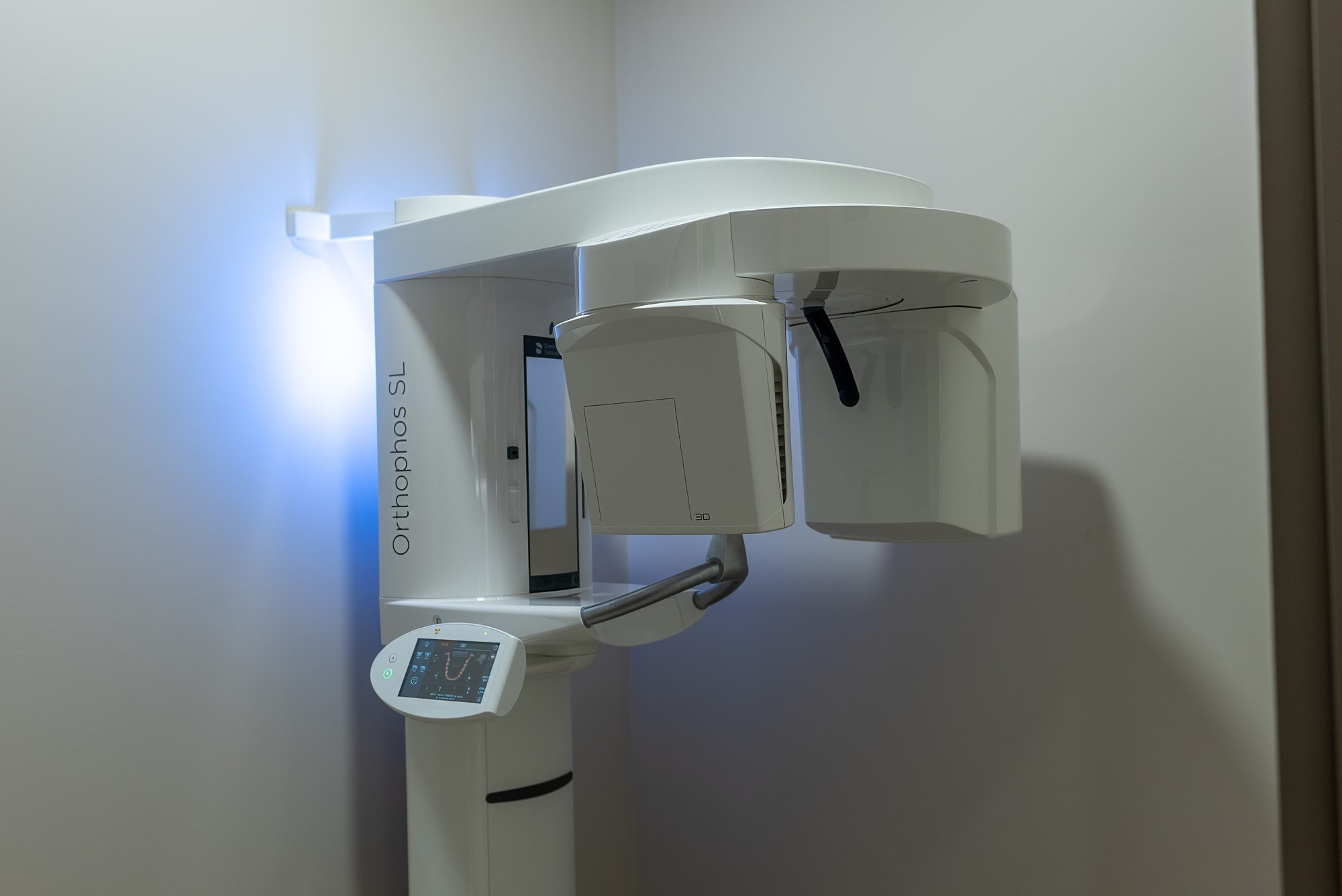
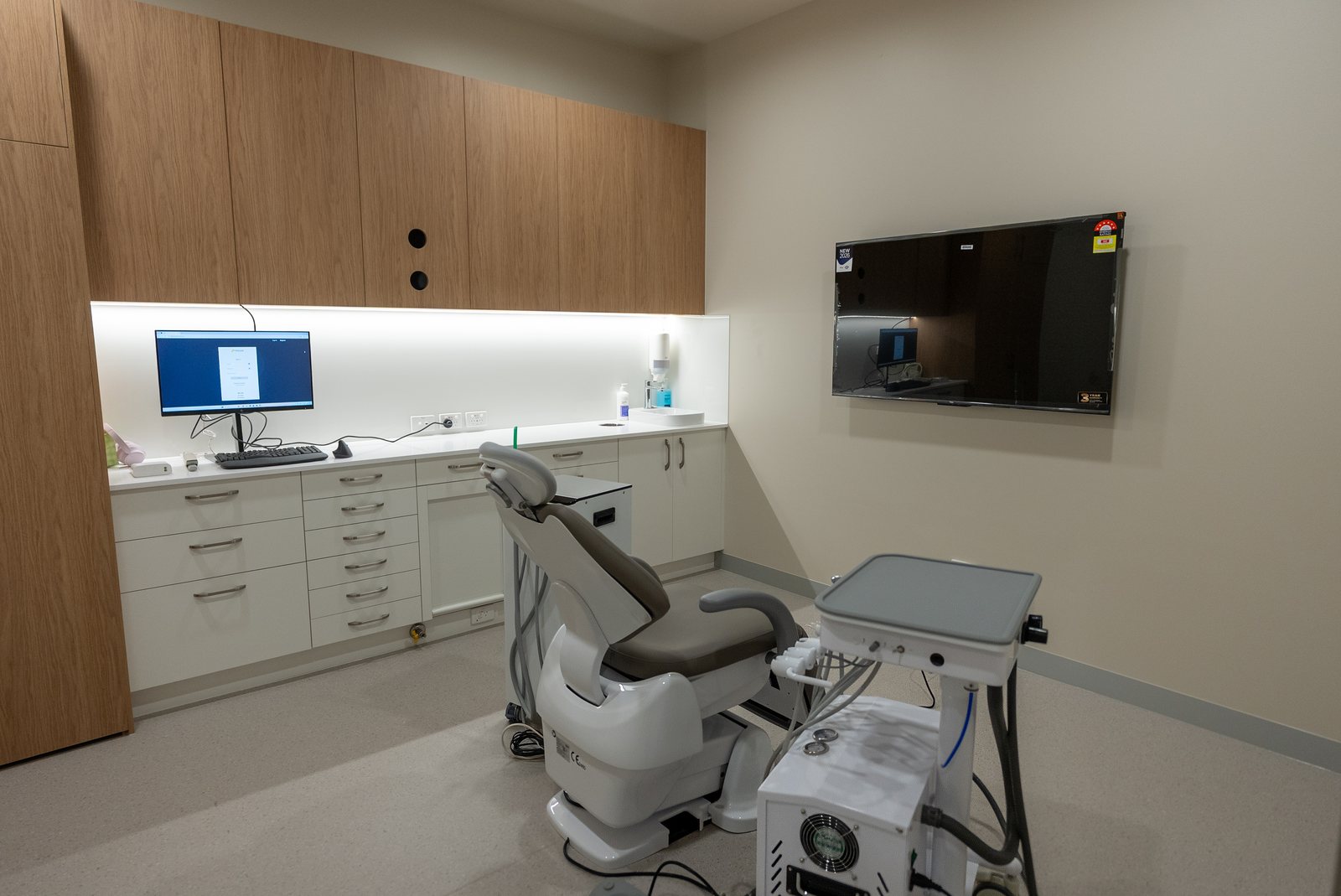
At Lumi Dental in Melrose Park, an implant consultation includes an examination by a dentist and, where it is needed for planning, a 3D X-ray (CBCT) taken in house. You leave with a written, itemised quote that lists each stage, including whether IV sedation is part of the plan, before any treatment is booked. Where a case needs a registered specialist, the team refers. For current offers on consultations, see the current deals page; the written quote after your consult sets out the fees for your own case.
Questions patients ask
Why are dental implant quotes so different?
Usually because they include different things. One may cover the surgery only, while another runs from the scan to the final crown. Compare line by line before you compare totals.
What item numbers should be on a dental implant quote?
For a single implant you would typically expect an implant placement item (688, or 684 and 691), an abutment (661) and an implant crown (672), plus items for the scan and any extraction or graft. Our article on informed financial consent and written quotes explains what a quote should show.
Does the implant quote include the crown?
Not always. Some quotes cover only the surgery, with the abutment and crown quoted later. Ask for the whole sequence in writing.
How much will my health fund pay towards an implant?
It depends on your policy and its limits, and benefits vary between funds for the same item. Give your fund the item numbers from the quote and ask for the benefit on each one; our guide to whether private health insurance covers dental implants explains annual limits and waiting periods.
Is the cheapest implant quote a bad idea?
Not necessarily. A lower quote can be fair if it includes the same steps, a named implant system and the same follow-up. It becomes a problem when missing items appear later.
Considering an implant? Complimentary implant consult in Melrose Park
If you want a second written, itemised implant quote to set beside the others, the team at Lumi Dental in Melrose Park can assess the site, take a 3D scan where it is needed and explain every line. Contact Lumi Dental to book a complimentary implant consult, or read more about dental implants at Lumi Dental. Patients visit from Ryde, Parramatta, Ermington and Rydalmere, with on-site parking at Melrose Central.
Sources
- Australian Dental Association: Policy Statement 5.16, Informed Financial Consent
- Transport Accident Commission: Dental fee schedule with ADA item numbers
- CHOICE: How much does the dentist cost?
- Healthdirect: Dental implant procedure
About the author

Dr James Tran is a general dentist at Lumi Dental in Melrose Park. He holds a BDent from the University of Sydney and a Graduate Diploma in Oral Implants, and is a Member of the International Congress of Oral Implantologists (MICOI).
This article is general information only and is not a substitute for an examination and individual advice from a registered dental practitioner. Suitability for any treatment varies from person to person.








