
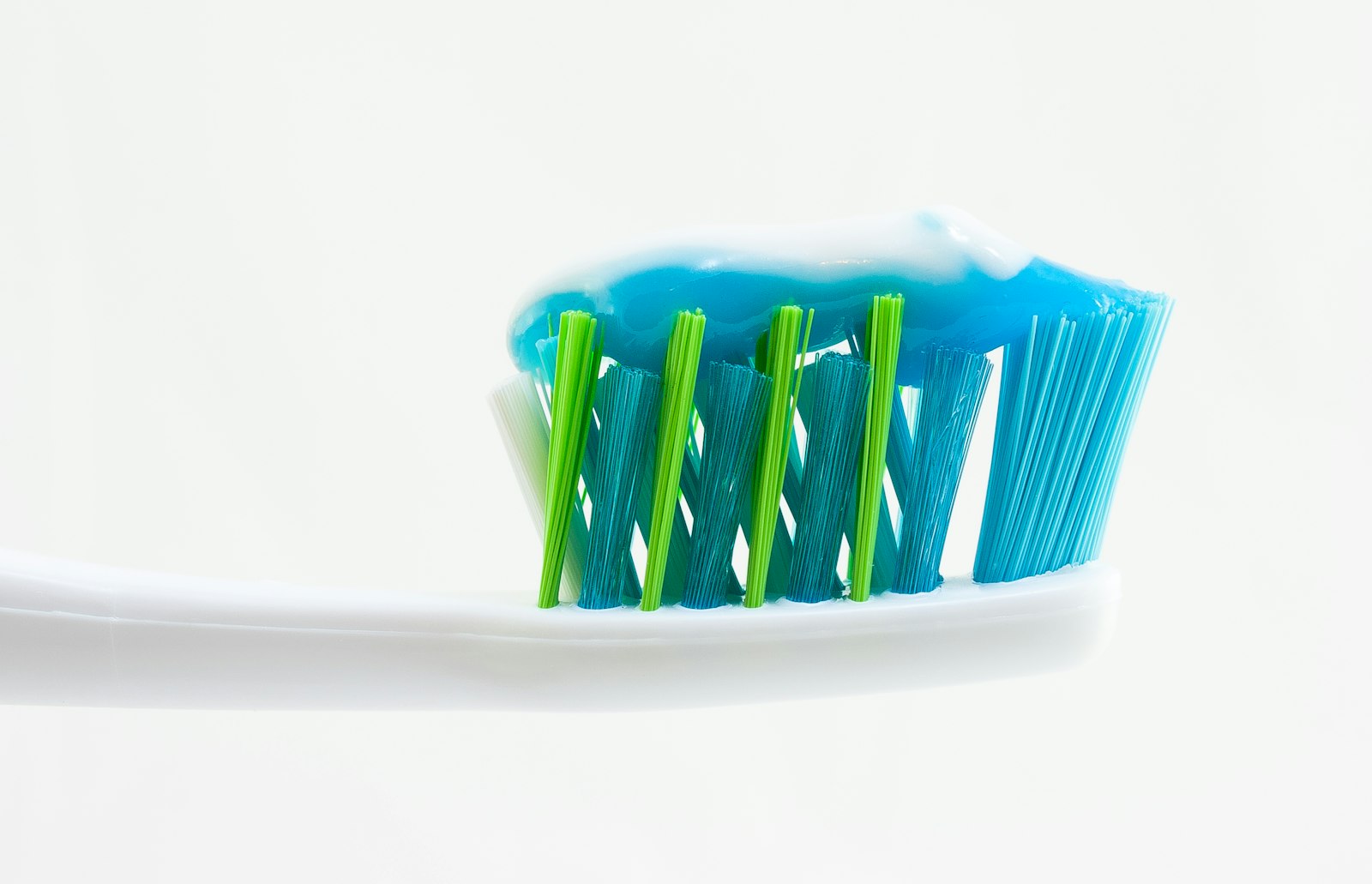

Hydroxyapatite toothpaste can help strengthen enamel and may reduce sensitivity, but fluoride toothpaste still has the strongest and longest track record for preventing tooth decay. Hydroxyapatite is the mineral that makes up about 97 percent of tooth enamel, which is why it has become a popular ingredient in fluoride-free toothpastes sold in Australian pharmacies and online.
If you have seen a tube labelled "nano-hydroxyapatite" and wondered whether it is worth switching, this guide sets out what the research suggests, where the evidence is thin, and how to decide what suits your mouth.
Key takeaways
- Fluoride toothpaste has decades of high-quality evidence for reducing decay and is the standard recommendation from the Australian Dental Association.
- Hydroxyapatite toothpaste has a smaller but growing body of evidence, mostly from short trials.
- It may suit people who prefer a fluoride-free product, such as some parents of very young children who swallow paste.
- People at high risk of decay generally benefit most from fluoride, and a dentist can advise on this.
- Brushing twice a day, cleaning between teeth and regular check-ups matter more than any single toothpaste choice.
What is hydroxyapatite?
Hydroxyapatite is a calcium phosphate mineral. Enamel, the hard outer layer of your teeth, is built almost entirely from it. Toothpaste manufacturers use a synthetic, very fine (nano-sized) version of the mineral. The idea is that the particles can attach to the tooth surface and fill in microscopic roughness or tiny areas where minerals have been lost.
How fluoride works, for comparison
Fluoride works in a different way. When it is present in saliva and on the tooth surface, it helps rebuild weakened enamel into a form that is more resistant to acid. It also makes it harder for decay-causing bacteria to produce acid. This has been tested in many large, long-running studies, which is why fluoride toothpaste is recommended in Australian dental guidelines for almost everyone from the time the first baby tooth appears.
What does the research say about hydroxyapatite?
Laboratory studies show that hydroxyapatite particles can bind to enamel and help remineralise early damage. A number of small clinical trials, including some comparing hydroxyapatite with fluoride, have found similar results over short periods. However, these trials are typically smaller and shorter than the fluoride research, and the products tested are not all the same strength or formulation.
In plain terms, hydroxyapatite looks promising, but it has not yet shown the same long-term proof that fluoride has. Most dental bodies, including the Australian Dental Association, continue to recommend fluoride toothpaste as the first choice for preventing decay.
Hydroxyapatite vs fluoride: side-by-side
| Feature | Fluoride toothpaste | Hydroxyapatite toothpaste |
|---|---|---|
| Strength of evidence for preventing decay | Very strong, decades of research | Promising, but smaller and shorter studies |
| Main action | Rebuilds enamel into a more acid-resistant form | Deposits enamel-like mineral on the tooth surface |
| Helps with sensitivity | Some products, especially with added desensitising agents | May reduce sensitivity in some people |
| Safe if a small amount is swallowed | Needs correct amount for children | Generally considered low risk if swallowed |
| Typical price in Australia | Often $3 to $10 per tube | Often $10 to $25 per tube |
Prices are general market ranges and vary by brand and retailer.
Who might consider hydroxyapatite toothpaste?
- People who want a fluoride-free product. If you have chosen to avoid fluoride, hydroxyapatite is a reasonable alternative to fluoride-free pastes that contain no remineralising ingredient.
- Parents of toddlers. Small children often swallow toothpaste. Some parents prefer a product that carries less concern if swallowed. Our guide to how much fluoride toothpaste children need explains the standard advice.
- People with sensitive teeth. Some patients report less sensitivity. See our guide to toothpaste for sensitive teeth for the other options.
Who should stay with fluoride?
In my experience, patients who get frequent new cavities, have dry mouth, wear braces, have exposed root surfaces or have a high sugar intake usually do best with fluoride. For these patients, a dentist may even recommend a higher-strength fluoride paste or professional fluoride varnish. Swapping to a product with less evidence could put them at greater risk of new decay.
A sensible way to try it
- Book a check-up first so any existing decay or gum problems are treated.
- Ask your dentist whether your decay risk is low, moderate or high.
- If your risk is low and you prefer fluoride-free, choose a product with a stated hydroxyapatite percentage on the label.
- Keep brushing for two minutes, twice a day, and clean between your teeth daily.
- Review at your next check-up. Early decay is easier to catch than to reverse.
You can read more about early decay in our article on whether you can reverse a cavity, and about the wider evidence on fluoride-free toothpaste.
Frequently asked questions
Does hydroxyapatite toothpaste replace fluoride?
It may be an acceptable alternative for people at low risk of decay, but the evidence is not yet as strong as for fluoride. Ask your dentist to assess your risk before switching.
Can hydroxyapatite toothpaste whiten teeth?
Some products claim a brightening effect because the mineral can smooth the surface and reduce surface stain. It does not change the internal colour of the tooth like professional whitening.
Is hydroxyapatite toothpaste safe for children?
It is generally considered low risk if a small amount is swallowed, but children still need help from an adult. Fluoride remains the usual recommendation for children at risk of decay.
Can I use hydroxyapatite and fluoride together?
There is no known harm in using both at different times of day. Some patients use fluoride in the morning and hydroxyapatite at night, but check with your dentist for your situation.
How long before I notice a difference?
Sensitivity may ease within a few weeks for some people. Preventing decay is a long-term result and can only be confirmed at check-ups.
Next steps
The best toothpaste is one you will use twice a day, matched to your decay risk. If you would like personalised advice, the team at Lumi Dental can review your teeth during a general check-up. New patient pricing is outlined on our current deals page.
This article is general information and does not replace advice from your dentist.


