
A dental hygienist focuses mainly on preventive care, such as cleans, scaling, and patient education, while a dentist diagnoses conditions, plans treatment, and performs a much broader range of procedures. In Australia, many clinics now use oral health therapists, a role that combines hygiene and limited therapy work in one dual qualification, which adds a third layer worth understanding if you've ever wondered who you're actually seeing at your check-up.
Key Takeaways
- The core distinction is prevention and maintenance (hygienist or oral health therapist) versus diagnosis and treatment (dentist).
- Dental hygienists in Australia focus on cleaning, scaling, polishing, and teaching home care technique.
- Dental therapists can perform some fillings and extract baby teeth, generally for patients under 18.
- Oral health therapists hold a dual qualification and typically have the broadest scope among non-dentist providers.
- Dentists oversee full diagnosis and treatment planning, and anything outside another provider's scope gets referred to or supervised by a dentist.
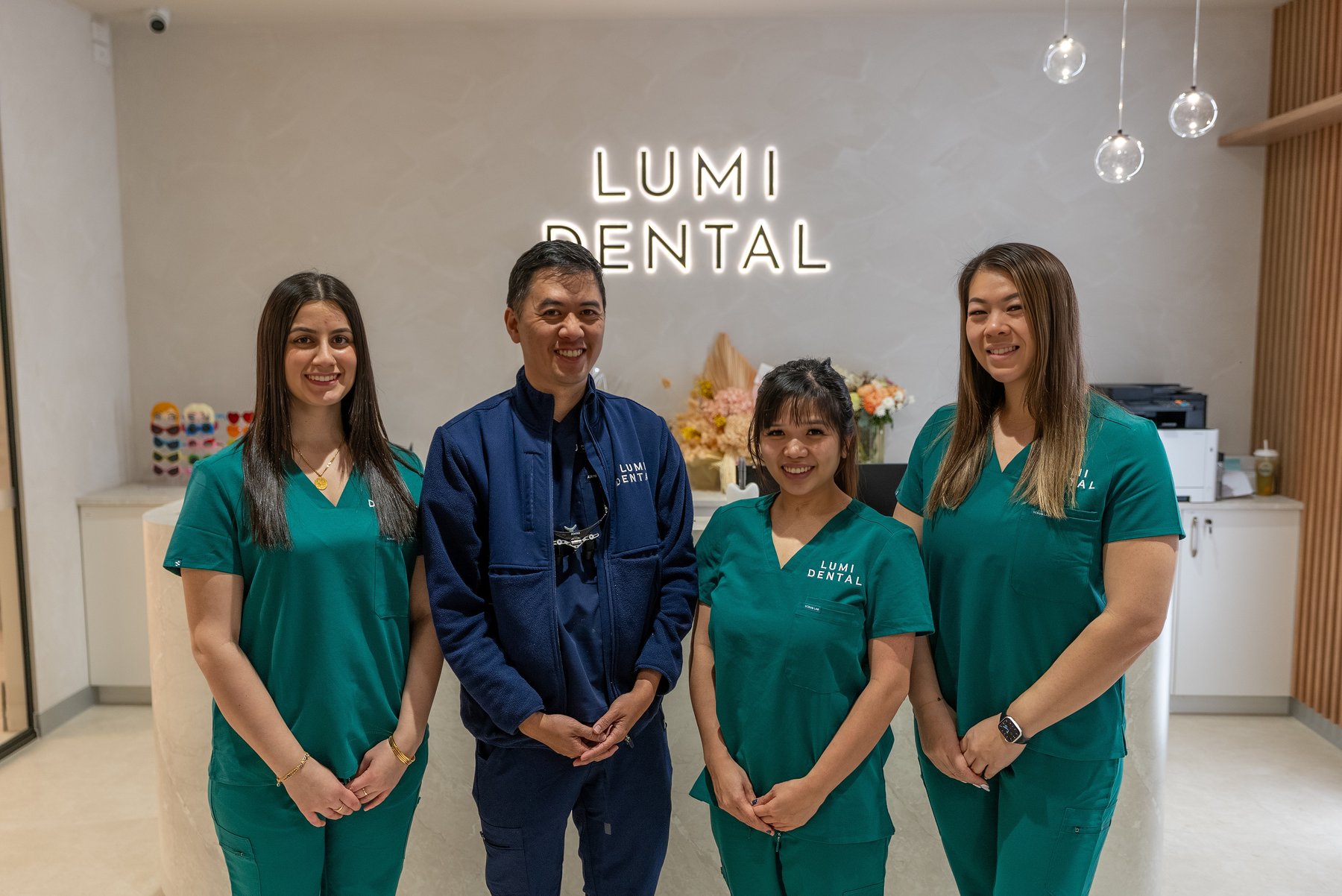
- Many practices, including Lumi Dental, use a team-based model so each appointment goes to the right person for the job.
The One Distinction That Matters
Strip away the job titles and there's one simple rule underneath all of them: prevention and maintenance sit with hygienists and oral health therapists, while diagnosis and treatment planning sit with dentists. Everything else, exact scope, training length, which procedures each role can perform, builds on top of that basic split.
Comparing the Roles
| Role | Typical training | Typical appointment | Who to see for what |
|---|---|---|---|
| Dental hygienist | Diploma or degree in dental hygiene | Cleans, scaling, polishing, hygiene advice | Routine cleans and gum health maintenance |
| Dental therapist | Diploma or degree in dental therapy | Cleans, some fillings, extracting baby teeth (mostly under 18) | Preventive and limited restorative care for children and teens |
| Oral health therapist | Dual qualification covering hygiene and therapy | Cleans, hygiene advice, some fillings, extracting baby teeth | Broadest non-dentist scope, adults and children |
| Dentist | Bachelor of Dental Science/Surgery or equivalent, AHPRA registered | Exams, diagnosis, treatment planning, and any procedure outside the above scopes | New symptoms, diagnosis, fillings, root canals, extractions of adult teeth, complex care |
Actual scope can vary a little between individual practitioners depending on their specific qualifications and ongoing training, so this table is a general guide rather than a fixed rule for every single person you might see.
What a Hygienist or Oral Health Therapist Visit Typically Involves
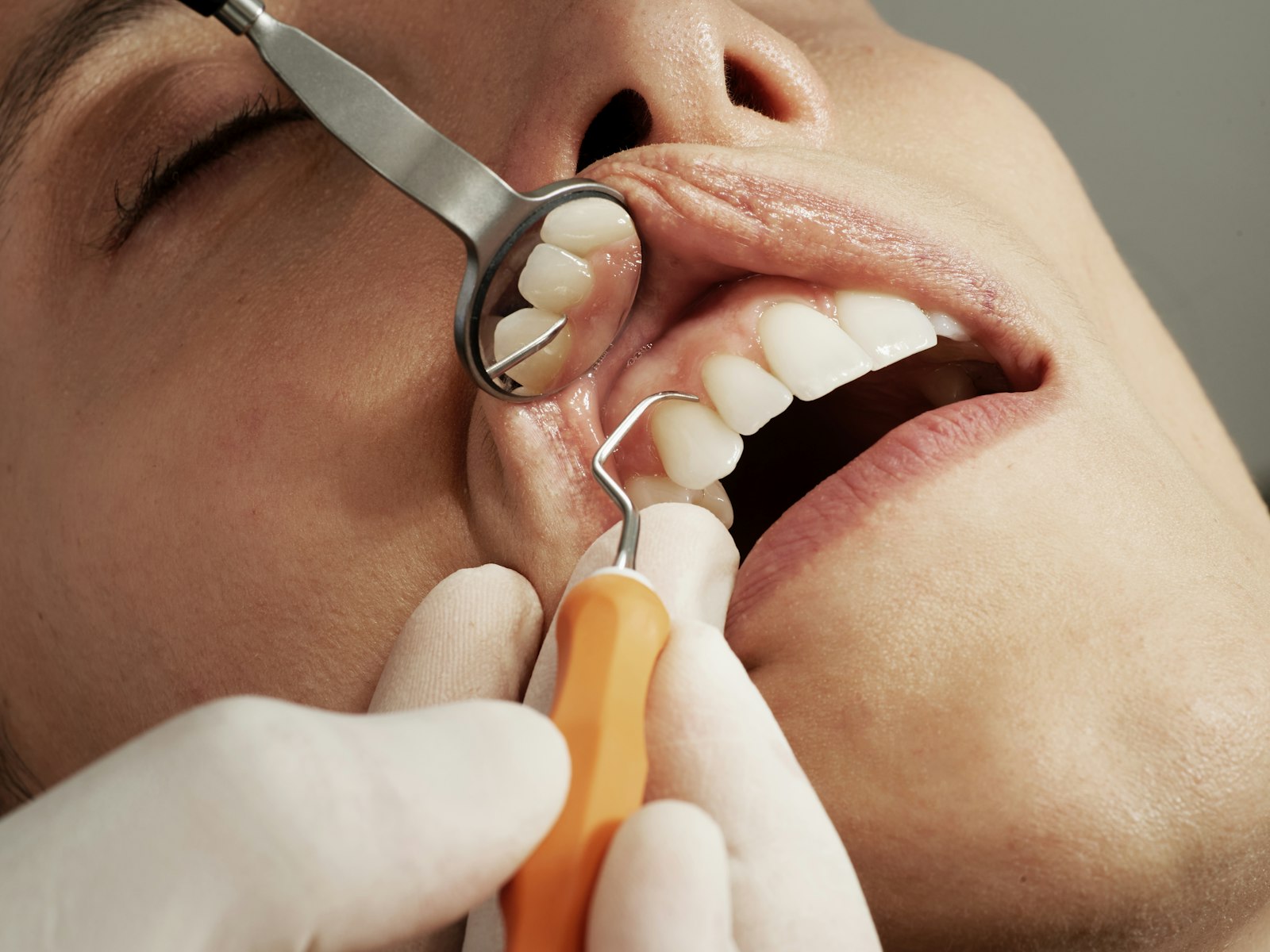
A hygiene appointment is usually built around a professional clean, removing plaque and tartar (calculus) that a toothbrush can't reach, followed by polishing and often a review of your brushing and interdental technique. This is also where a lot of practical education happens, whether that's a demonstration of how to floss properly or a discussion comparing a water flosser to traditional floss. It's a genuinely important appointment for catching and managing gum disease early, since gum health tends to decline gradually and painlessly before it becomes obvious.
What a Dentist Visit Typically Involves
A dentist's appointment centres on diagnosis and treatment planning. That includes examining the teeth and gums for decay or other issues, reviewing x-rays where needed (our guide on how often check-ups and x-rays are needed covers this in more detail), and carrying out or planning treatment such as fillings, root canals, extractions, or referrals for more complex work. If a hygienist or oral health therapist notices something during a clean, like early signs of decay covered in our piece on cavities and tooth decay, or gum disease that needs a closer look, it's the dentist who takes over diagnosis and treatment from there.
Why Some Clinics Use a Team Model
A growing number of Australian practices, including the team at Lumi Dental, work on a team-based model, where the dentist focuses on exams, diagnosis, and treatment planning, and an oral health therapist handles routine cleans. This isn't about cutting corners. It lets each appointment go to the person whose training is most focused on that specific job, which can make scheduling more efficient and often means shorter waits for a straightforward clean. Anything a hygienist or oral health therapist finds during your visit that needs treatment gets passed straight to a dentist, so nothing falls through the cracks between appointments.

If Something Needs Treating
One of the more common questions patients have about a team model is whether something could be missed between providers. In practice, it usually works the other way. A hygienist or oral health therapist is looking closely at your gums and teeth on a regular basis, and can flag anything unusual, such as early signs of gum disease, well before it becomes a bigger problem. That observation then goes to the dentist for proper diagnosis and treatment planning, so you're effectively getting two sets of trained eyes on your mouth rather than one.
Frequently Asked Questions
Is a hygienist the same as a dentist?
No. A hygienist focuses on preventive care such as cleans and patient education, while a dentist diagnoses conditions and carries out or plans treatment. They have different training and different scopes of practice.
Can a hygienist fill a cavity?
Generally no. Filling cavities in adults sits within a dentist's scope. Dental therapists and oral health therapists can perform some fillings, usually for younger patients, depending on their specific qualifications.
What is an oral health therapist?
An oral health therapist holds a dual qualification covering both hygiene and limited therapy work, giving them a broader scope than a hygienist alone, including some fillings and extracting baby teeth.
Do I need to see a dentist if I only see a hygienist?
Most clinics recommend regular dentist check-ups alongside hygiene visits, since a dentist's exam covers diagnosis that a hygiene appointment alone doesn't include.
Why did my clinic send me to a hygienist instead of the dentist?
For a routine clean, this is usually just the practice using a team-based model, matching your appointment type to the provider whose training is most focused on that specific task.
Will a hygienist tell me if something needs a dentist's attention?
Yes. Any finding during a hygiene visit that needs further diagnosis or treatment is passed on to a dentist, so your care stays connected between appointments.
This article is general information and isn't a substitute for an individual dental assessment. If it's been a while since your last check-up or clean, the team at Lumi Dental can help you work out what's due, and it's worth checking current deals or learning more about general dentistry at Lumi Dental.