

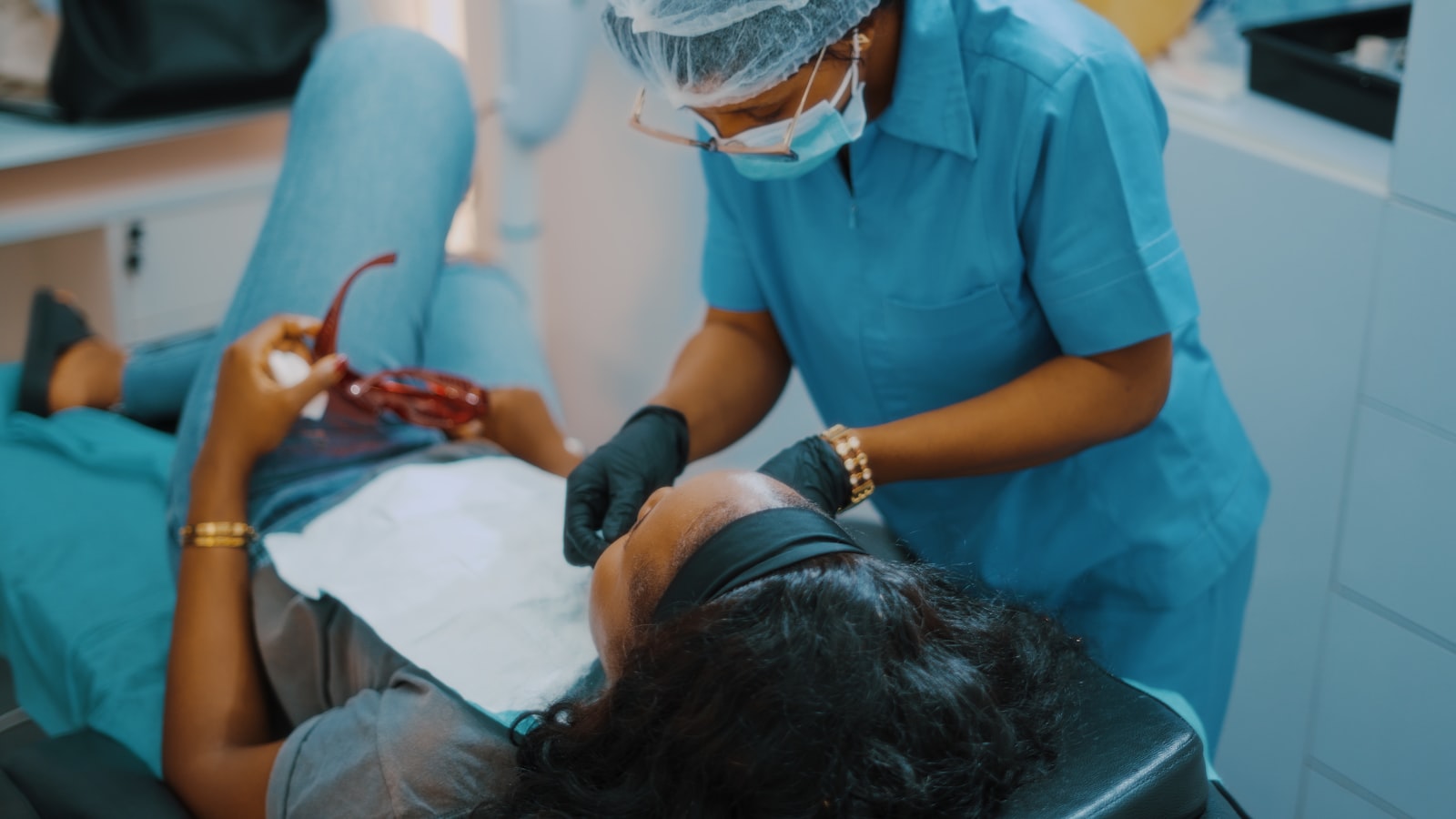

Standard Overseas Student Health Cover, the health insurance most international students on a student visa are required to hold for their entire stay, generally does not include routine dental care. Check-ups, cleans, fillings and most other everyday dental treatment sit outside a standard OSHC policy, which can come as a surprise to students who assume their compulsory cover works something like Medicare. It does not, and understanding the gap early makes it much easier to budget for dental care during study in Australia.
Key Takeaways
- Standard OSHC is built around hospital and essential medical care, and it typically excludes routine dental, optical and physiotherapy.
- The one dental exception across most OSHC providers is emergency dental treatment carried out in a hospital setting, not routine treatment at a general dental clinic.
- Medicare, Australia's public health scheme, is generally not available to student visa holders, so it cannot fill the dental gap either.
- Students who want cover for check-ups, cleans and fillings usually need to add an extras policy, either through their OSHC provider or a separate private health insurer.
- A routine check-up and clean without cover typically costs in the range of $180 to $300 in the Australian private market, with fillings costing more depending on the tooth.
- Knowing which dental problems genuinely qualify as a hospital emergency, and which do not, helps avoid confusion about what OSHC will and will not pay for.
What OSHC Actually Is
Overseas Student Health Cover is a health insurance policy that most student visa holders are required to hold for the length of their visa, arranged either before arrival or through their education provider. It exists to give international students access to essential medical care while they are in Australia, in a similar spirit to how Medicare supports permanent residents and citizens, though it is a separate and more limited scheme. OSHC generally covers things like doctor visits, some specialist care, hospital treatment and a portion of prescription medicines, following a structure closer to a hospital and essential-care policy than a comprehensive health plan.
It is worth being clear on one related point that trips a lot of students up: Medicare, the scheme that covers most routine and hospital care for Australian citizens and permanent residents, is generally not available to student visa holders. OSHC is the substitute for that population, not an equivalent, and the two schemes cover different things in different ways.
The Routine vs Hospital Emergency Distinction
This is the single most useful thing to understand about OSHC and dental care. Routine dental treatment, meaning check-ups, cleans, fillings, root canal treatment and similar day-to-day care delivered at a normal dental clinic, is not included under a standard OSHC policy from any provider. The one consistent exception across OSHC providers is emergency dental treatment that needs to be carried out in a hospital setting, such as an emergency extraction performed as part of hospital-based care for a serious facial injury or infection. That hospital exception is narrow. A same-day toothache seen at a regular dental clinic, even if it feels urgent to the person experiencing it, generally does not meet the hospital-emergency definition that triggers OSHC cover.
| Type of dental need | Typically covered by standard OSHC? |
|---|---|
| Routine check-up and clean | No |
| Fillings and general restorative work | No |
| Root canal treatment at a dental clinic | No |
| Same-day emergency appointment at a regular dental clinic | Generally no |
| Emergency dental treatment carried out in a hospital setting | Often yes, subject to policy terms |
Because the hospital exception is specific, it is worth checking the exact wording of your own policy document rather than assuming coverage either way. Providers vary slightly in how they define an eligible hospital emergency, and confirming this before you need it can save a stressful phone call later.
Adding Extras Cover for Dental
If you want cover for the dental care most people actually need, the practical option is to add an extras policy, sometimes called general treatment cover, on top of your base OSHC. This can usually be arranged in one of two ways: through an extras add-on offered by your existing OSHC provider, or through a separate private health insurer that sells general treatment cover to international students and visa holders. Extras policies typically work on a percentage-back or set-benefit basis up to an annual limit, so even with cover in place, some out-of-pocket cost for dental care is common. Waiting periods, often around two to twelve months, can also apply before you are able to claim on major dental items such as fillings, so it can be worth arranging extras cover as early as possible rather than waiting until a problem shows up. For a broader explanation of how extras cover and annual limits generally work in the Australian system, see our guide on what health insurance actually covers for dental.
Timing Your Extras Cover Decision
If you know you are likely to need dental work at some point during your studies, for example if you have historically needed fillings or you are due for a check-up soon after arriving, it can be worth arranging extras cover as early as possible in your enrolment rather than waiting until a problem appears. Because waiting periods generally apply to major items like fillings, cover taken out only after a problem starts will often not help with that particular treatment. Preventive items such as check-ups and cleans sometimes have shorter or no waiting period, so even late cover can still help with ongoing maintenance going forward.
Budgeting for Dental Care Without Extras Cover
Plenty of students choose to manage routine dental costs out of pocket rather than pay for an extras policy, particularly if they are only in Australia for a short course. If that is your plan, it helps to know roughly what routine care costs in the general Australian market so there are no surprises.
| Treatment | Typical Australian market range (no cover) |
|---|---|
| Check-up and clean | $180 to $300 |
| Single bitewing x-ray | $45 to $65 |
| Simple composite filling | $180 to $350 per tooth |
| Simple tooth extraction | $200 to $400 |
These are general market ranges rather than a quote, and actual pricing varies by state, by practice and by what a dentist finds once the exam is underway. Our detailed guide on dental check-up costs without private health insurance breaks this down further, including ways to reduce the out-of-pocket cost such as new patient offers and payment plans.
What Genuinely Counts as a Dental Emergency Here
It is worth separating two different ideas that often get blurred together: a dental emergency in the everyday sense, and a hospital-eligible emergency in the OSHC sense. Severe facial swelling that affects breathing or swallowing, a suspected jaw fracture, uncontrolled bleeding after facial trauma, or an infection serious enough to need hospital admission are the kinds of situations more likely to fall under the OSHC hospital exception. A bad toothache, a lost filling, a chipped tooth, or even a significant abscess that can be managed at a regular dental clinic are genuine dental problems that deserve prompt attention, but they typically do not meet the hospital-emergency bar that OSHC's exception is built around. Our guide on emergency dentist costs without an appointment covers what a same-day clinic visit for these more common situations tends to cost.
Frequently Asked Questions
Does OSHC cover a routine dental check-up?
No. Standard OSHC generally excludes routine dental care, including check-ups, cleans and fillings, regardless of which provider issues the policy.
Can I use Medicare for dental care as an international student?
Generally no. Medicare is not typically available to student visa holders, and even for those who can access limited Medicare arrangements through a reciprocal agreement, dental care is not included.
What is the one dental situation OSHC might actually cover?
Emergency dental treatment that needs to be carried out in a hospital setting is the main exception across most OSHC providers, subject to the specific wording of your policy.
How do I add dental cover to my OSHC?
You can generally purchase an extras or general treatment add-on through your existing OSHC provider, or take out a separate policy with an Australian private health insurer that offers general treatment cover.
Is there a waiting period before I can claim on dental extras cover?
Often yes. Many extras policies apply a waiting period, commonly a few months up to around twelve months, before major dental items like fillings can be claimed, so it is worth checking your specific policy terms.
What should I do if I have sudden tooth pain and I am not sure if it is a true emergency?
Contact a dental clinic and describe your symptoms. Most practices can help you work out whether same-day treatment is needed or whether the issue can wait for a routine appointment.
Will a public dental clinic see international students?
Public dental services in Australia are generally aimed at Medicare-eligible concession card holders, so most international students are not eligible and will need to use private dental care.
If you are studying in Sydney and need a straightforward check-up, a filling, or advice on a dental concern, the team at Lumi Dental can talk you through what a visit is likely to involve and provide a written quote before any treatment starts. See our current offers or book with the general dentist team.

