

There is rarely a single price for an emergency dental visit. The bill is usually built from an urgent examination, one or more X-rays, and whatever treatment the problem needs, and the treatment is the part that varies most: easing a toothache with a dressing costs far less than removing a broken molar. Some practices also add a fee for after-hours visits.

Three parts to most emergency bills
The urgent examination
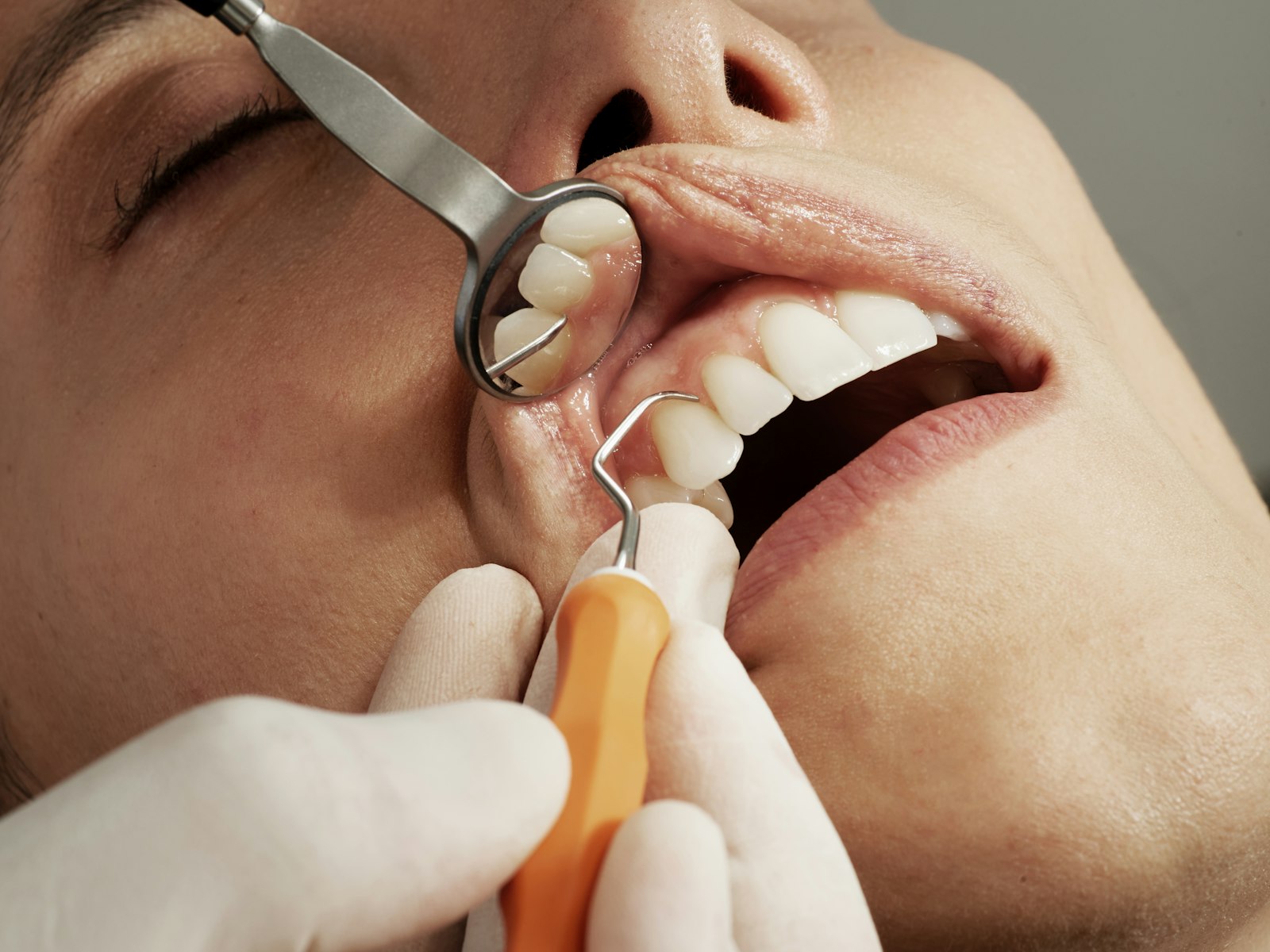
An emergency visit starts with an examination focused on the problem tooth or area. It is usually charged as its own item, separate from the X-rays and treatment that follow. Because it means fitting an unplanned patient into a full day, or opening outside normal hours, some practices charge more for it than for a booked check-up, or add an after-hours loading. Ask about this when you call.
X-rays
Most toothaches, swellings and broken teeth need at least one X-ray to see what is happening below the gum or inside the tooth. Small X-rays are usually billed per image, and a larger scan such as an OPG (a panoramic view of the whole jaw) is a separate item.
The treatment itself
Treatment is the largest and least predictable part. On the day, the aim is often to get you out of pain and stabilise the problem, which may mean a temporary filling, opening and cleaning a painful tooth, draining an infection, re-cementing a crown or removing a tooth. Definitive work, such as completing a root canal or placing a new crown, is often booked for a later visit.
General cost ranges
The figures below are typical Australian market ranges, not Lumi fees, and your own cost depends on what is found at the examination.
| Item | Typical market range |
|---|---|
| Comprehensive oral examination, item 011 (ADA fee survey 2022) | About $50 to $92, average $67 |
| X-ray, per image, item 022 (ADA fee survey 2022) | About $33 to $58, average $45 |
| Simple extraction | About $200 to $350 |
| Surgical extraction | About $400 to $900 |
| Root canal treatment, full course | About $1,000 (front tooth) to $3,000 (molar) |
| Crown | About $1,500 to $2,500 |
The examination and X-ray figures come from the Australian Dental Association's 2022 fee survey as reported by CHOICE, so current fees, especially in a large city, are likely to be higher. An urgent or limited examination and any after-hours fee vary widely between practices and are worth asking about when you call. Your dentist should explain the fees and options before starting treatment.
Problems that need same-day care, and ones that can wait
Severe or worsening toothache, swelling of the gum or face, a knocked-out or badly broken tooth, and bleeding that does not stop with firm pressure all warrant being seen the same day. Delay can let an infection spread or reduce the chance of saving a tooth. For a knocked-out adult tooth, replanting ideally within 15 minutes gives the best chance; our guide to knocked-out tooth first aid explains what to do.
Other problems are uncomfortable but can usually wait for the next routine appointment. A small chip with no pain, a lost filling that is not sensitive, or a crown that has come off without pain often fall into this group. If a crown has come loose, our article on what to do when a crown falls off covers safe steps in the meantime. For help deciding how urgent your situation is, see our broader guide on what to do in a dental emergency.
When hospital is the right place, not a dental clinic
Go to a hospital emergency department, or call triple zero (000), if you have:
- swelling of the face or neck that makes it hard to breathe, swallow or open your mouth
- bleeding that will not stop after firm, steady pressure
- a suspected broken jaw, or a head injury with dizziness, vomiting or loss of consciousness
- a high fever with facial swelling and feeling very unwell
A spreading dental infection can, in rare cases, threaten the airway. In these situations, getting to hospital comes before thinking about dental fees.
What Medicare and health funds cover
Medicare does not cover private dental treatment for most adults. The main exception is the Child Dental Benefits Schedule, which covers basic dental care for eligible children aged 0 to 17, with a benefit cap of $1,158 over two calendar years in 2026. Adults on low incomes may be eligible for public dental services, which usually have waiting lists for non-urgent care.
For most adults, private health extras cover is what reduces the cost. How much you get back depends on your policy, its annual limits and any waiting periods. In an emergency, it is fine to be seen first and check your cover later; at practices with HICAPS, including ours, the fund benefit can be claimed on the spot. Our guide to whether health insurance covers dental explains extras cover in more detail.
Common questions about emergency dental fees
Will I pay more for a same-day appointment?
Possibly for the examination, and more likely outside business hours. Fee policies differ between practices, so it is worth asking when you call.
Can I be seen if I am not an existing patient?
Many practices, including Lumi Dental, try to fit in urgent requests from new patients where possible. Availability depends on the day and the nature of the problem.
I swallowed a piece of filling. Do I need to pay for an urgent visit?
Swallowing a small fragment is usually not a medical emergency, but the tooth it came from should be checked. Our article on swallowing a tooth or filling lists the signs that need prompt care, such as coughing or trouble breathing.
Is pain without swelling still urgent?
Severe or worsening pain is worth having seen promptly even without swelling. It often means inflammation or infection of the nerve, which tends to be easier to manage early.
Getting help with a dental emergency
If you are in pain, call us and describe what is happening. We take urgent and same-day requests where possible and can tell you over the phone if you need to be seen today. Read more about our emergency dental care in Melrose Park, or contact our general dentistry team.








