


Jaw pain on one side is most often caused by the jaw joint and chewing muscles (temporomandibular disorder, or TMD), clenching or grinding, or a dental problem such as an infected tooth or a troublesome wisdom tooth, although sinus, nerve and ear problems can feel the same. In rare cases, one-sided jaw pain is a warning sign of a heart attack: the Heart Foundation lists pain in the jaw among the warning signs, so jaw pain that comes with chest pressure, breathlessness, sweating or nausea needs a call to 000, not a dental appointment.
The side, the timing and the type of pain usually point towards the cause. In my experience, most patients asking "why does my jaw hurt on one side?" have a muscle or tooth problem. This guide covers the common causes, a symptom table, self-care, and when to book an emergency dental appointment.
Key Takeaways
- The most common causes of one-sided jaw pain are TMD, clenching or grinding, and dental problems such as an abscess, a cracked tooth or deep decay.
- Wisdom tooth infection (pericoronitis) often causes pain, swelling and a bad taste at the very back of the jaw on one side.
- Upper jaw pain that worsens when you bend forward may come from the sinuses rather than the teeth, a pattern explained in our guide to sinus toothache and referred pain.
- Sudden, electric, stabbing attacks on one side of the face can suggest trigeminal neuralgia, which needs medical assessment.
- Jaw pain with chest pressure, shortness of breath, sweating, nausea or pain spreading to the arm may be a heart attack. Call 000 immediately.
- See a dentist if pain lasts more than a few days, or sooner if you have swelling, fever or trouble opening your mouth.
The Simple Rule: Pattern First, Then the Right Person
The simple rule: if the pain is linked to chewing, a particular tooth, swelling or opening your mouth, start with a dentist; if it comes with chest symptoms or feels like a heart or stroke problem, call 000; if it is sharp, electric and triggered by light touch, see your GP. Most one-sided jaw pain falls into the first group.
Common Causes of Jaw Pain on One Side
1. Temporomandibular disorder (TMD)
TMD is an umbrella term for problems with the jaw joint (just in front of the ear) and the muscles that move it. Pain is often a dull ache in front of the ear or along the cheek, worse with chewing, yawning or talking for long periods. You may notice clicking, popping, a feeling that the jaw "catches", or difficulty opening fully. TMD often affects one side more than the other. Our detailed guide to TMJ jaw pain causes and treatment covers the joint itself in more depth.
2. Clenching or grinding
Clenching (holding the teeth together hard) and grinding (moving them side to side) overload the chewing muscles, especially the masseter at the angle of the jaw. Many people favour one chewing side, so the soreness is often worse on that side. Typical signs include morning jaw tiredness, tension headaches at the temples, worn or chipped teeth and scalloped marks on the side of the tongue. The difference between the two habits is explained in jaw clenching vs teeth grinding.
3. Dental causes: abscess, cracked tooth or deep decay
A tooth problem on one side frequently shows up as jaw pain on that side. An abscess (infection at the root tip or in the gum) can cause a deep throbbing ache, tenderness when biting, swelling and sometimes a fever. A cracked tooth often gives a sharp pain on biting or on release, and sensitivity to cold. Deep decay that reaches the nerve may cause lingering pain to hot or cold, or pain that wakes you at night. Dental pain can spread along the jaw and up towards the ear, so it is not always obvious which tooth is responsible.
4. Wisdom tooth problems and pericoronitis
When a lower wisdom tooth only partly breaks through the gum, food and bacteria can collect under the flap of gum over it. The resulting infection, called pericoronitis, typically causes pain at the very back of the jaw, swelling, a bad taste, pain on swallowing and sometimes difficulty opening the mouth. It often flares on one side at a time. Read more in our guide to pericoronitis and wisdom tooth gum infection.
5. Sinusitis
The roots of the upper back teeth sit close to the maxillary sinus. When the sinus is inflamed after a cold or with allergies, pressure can be felt as an ache in several upper teeth and the upper jaw on one side. Clues include a blocked nose, facial pressure under the eye, and pain that gets worse when you bend over or lie down.
6. Trigeminal neuralgia
Trigeminal neuralgia causes brief, severe, electric shock or stabbing attacks on one side of the face, often triggered by light touch, brushing, shaving, eating or a breeze. Between attacks there may be little or no pain. If this sounds familiar, our article on trigeminal neuralgia or toothache explains the differences, and a GP or neurologist is the right next step.
7. Salivary gland blockage
A small stone or thickened saliva can block a salivary gland under the jaw or in the cheek. The classic sign is swelling and pain that increases just before or during meals, when saliva flow rises, then slowly settles.
8. Ear problems
The ear and the jaw joint sit side by side and share nerve pathways. An ear infection can feel like jaw pain, and jaw joint pain is often felt as earache. If you have reduced hearing, discharge or a recent cold, a GP should check your ear first.
Red Flag: When Jaw Pain May Be Your Heart
Heart pain does not always appear in the chest. Some people, particularly women and people with diabetes, feel heart attack pain mainly in the jaw, neck, back or arms. Call 000 immediately if jaw pain comes with any of the following:
- Chest pressure, tightness or discomfort
- Shortness of breath
- Sweating, nausea or feeling faint
- Pain spreading to the arm, shoulder or back
- Pain that starts with physical effort and eases with rest
Do not wait to see if it settles, and do not drive yourself to hospital. For more detail on this overlap, see jaw pain and your heart.
Symptom Pattern Table: Likely Cause and Who to See
| Pattern | Likely cause | Who to see | Urgency |
|---|---|---|---|
| Dull ache in front of the ear, clicking, worse with chewing or yawning | TMD (joint or muscles) | Dentist | Routine, within 1 to 2 weeks if persistent |
| Morning jaw tiredness, temple headaches, worn teeth | Clenching or grinding | Dentist | Routine |
| Throbbing tooth pain, tender to bite, facial swelling, fever | Dental abscess | Dentist | Same day or next day |
| Sharp pain when biting or releasing, cold sensitivity | Cracked tooth | Dentist | Within a few days |
| Pain and swelling behind the last lower tooth, bad taste, hard to open | Pericoronitis (wisdom tooth) | Dentist | Within 1 to 2 days, sooner if swelling spreads |
| Upper jaw ache across several teeth, blocked nose, worse bending forward | Sinusitis | GP or pharmacist, dentist if unsure | Routine |
| Brief electric or stabbing attacks triggered by touch | Trigeminal neuralgia | GP, then neurologist | Soon, within days |
| Swelling under the jaw that rises at mealtimes | Salivary gland blockage | GP or dentist | Within a few days, urgent if fever |
| Earache, reduced hearing, discharge | Ear infection | GP | Within a few days |
| Jaw pain with chest pressure, breathlessness, sweating or nausea | Possible heart attack | Call 000 | Emergency, immediately |
What a Dentist Checks
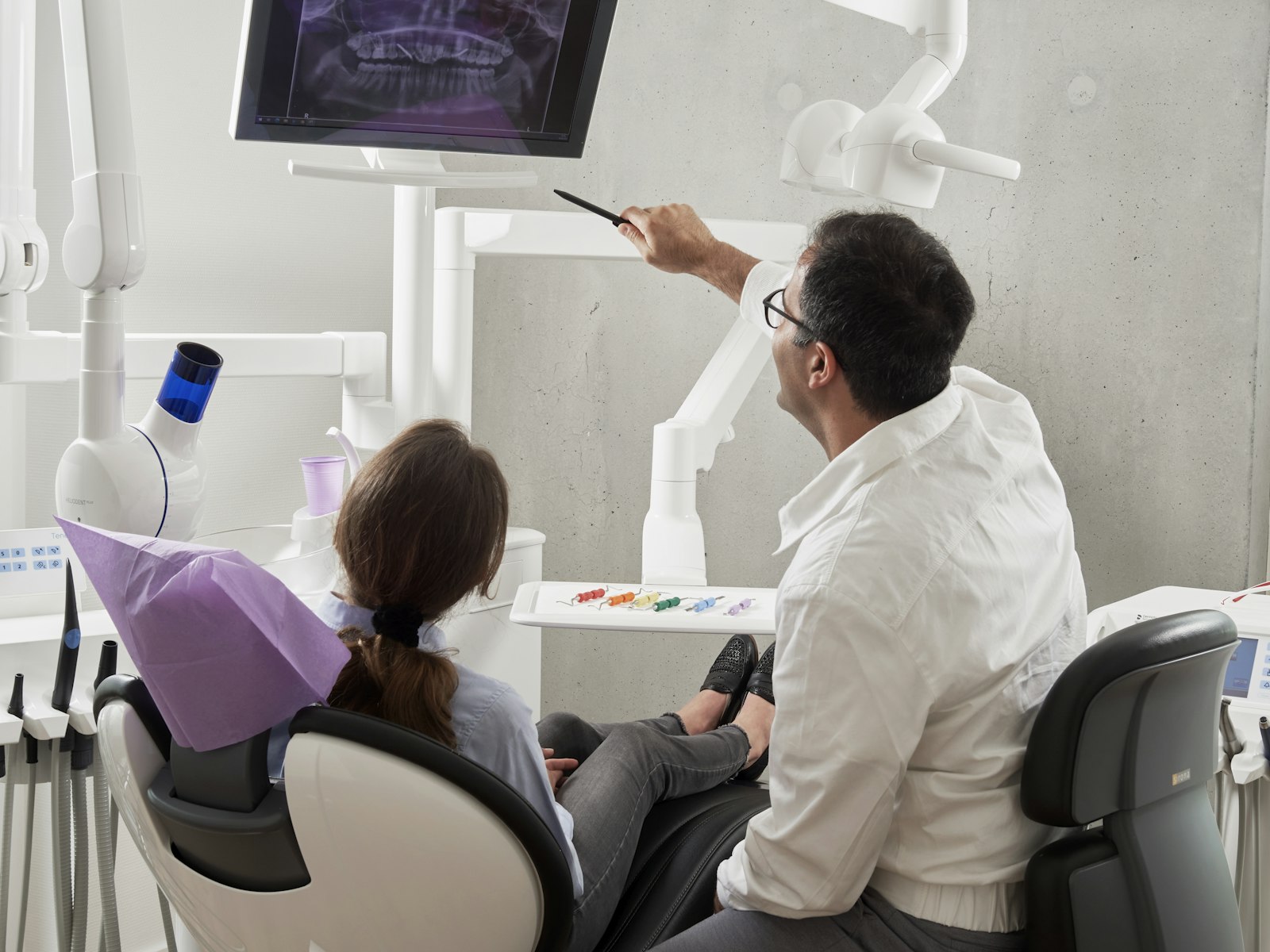
A dentist will typically feel the jaw muscles and joints, measure how wide you can open, check your bite and tooth wear, test individual teeth, and take X-rays to look for infection, decay, cracks or impacted wisdom teeth. If the cause looks medical rather than dental, your dentist can suggest seeing your GP or a specialist.
Self-Care While You Wait
For muscle or joint pain without signs of infection, these measures can often help in the short term:
- Soft diet for a few days: pasta, eggs, soups, yoghurt and cut-up food, to rest the jaw.
- Warm compress: a warm, damp face cloth on the sore muscles for 10 to 15 minutes, a few times a day, can ease muscle tension.
- Over-the-counter pain relief: taken exactly as directed on the pack or by your pharmacist.
- Avoid chewing gum, very hard or chewy foods, and wide yawning where you can.
- Notice clenching: teeth apart, lips together and tongue resting is a helpful reminder during the day.
Gentle stretches can help once acute pain has settled. Our guide to TMJ jaw exercises and self-help outlines a safe routine. Self-care is not a substitute for treatment if you suspect a tooth infection, because antibiotics alone do not remove the source of an abscess.
When to See a Dentist
Book a dental appointment if jaw pain lasts more than a few days or keeps coming back. Seek care the same day if you have facial swelling, fever, difficulty opening your mouth, or pain that stops you sleeping. Swelling that spreads towards the eye or down the neck, or difficulty swallowing or breathing, needs urgent hospital care. Lumi Dental offers emergency appointments as well as regular examinations through our general dentistry service.
Frequently Asked Questions
Why does my jaw hurt on one side when I chew?
Pain on chewing is most often caused by overworked jaw muscles, a jaw joint problem or a tooth issue such as a crack or infection on that side. If it is linked to one tooth or comes with swelling, see a dentist promptly.
Can a tooth infection cause jaw pain on one side?
Yes, a tooth abscess can cause a deep, throbbing ache that spreads along the jaw and towards the ear on the same side. Swelling, a bad taste or fever suggest infection and need same-day or next-day dental care, often through an emergency dentist.
Can stress cause jaw pain on one side?
Yes, stress commonly leads to clenching and grinding, which can make the jaw muscles sore, often more on the side you chew with. A dentist can check for wear and discuss options such as a night guard.
When should I worry about jaw pain on one side?
Worry, and call 000, if jaw pain comes with chest pressure, shortness of breath, sweating, nausea or pain in the arm. See a dentist quickly for swelling, fever or trouble opening your mouth, and book a routine visit if pain lasts more than a few days.
Can wisdom teeth cause jaw pain on one side?
Yes, a partly erupted or impacted wisdom tooth can cause pain, gum swelling and stiffness at the back of the jaw on one side. An X-ray helps a dentist decide whether cleaning, monitoring or removal is the best option.
Get One-Sided Jaw Pain Checked
One-sided jaw pain often has a clear cause once someone looks closely, and earlier assessment usually means simpler treatment. If the pain is severe, swollen or keeping you awake, the team at Lumi Dental in Melrose Park can see you for an emergency appointment. For pain that has been niggling for a while, book a regular examination, and see our current deals page for up-to-date pricing information. After your examination, you can ask for a written quote for any treatment recommended.
This article is general information only and is not a substitute for personalised advice from a registered dental practitioner.


