

If you live with ME/CFS or long COVID, plan the dental visit around your energy rather than the other way round: tell the team when you book, ask for a shorter appointment at your best time of day, and leave room to rest afterwards. Emerge Australia estimates that up to 250,000 Australians live with myalgic encephalomyelitis/chronic fatigue syndrome (ME/CFS), and that about a quarter are so severely affected that they are housebound or bedbound. This guide covers ME/CFS and long COVID at the dentist: energy, shorter appointments, sensory sensitivity, dizziness and looking after your teeth on bad days.
Written by Dr James Tran, BDent (University of Sydney), MICOI, GradDip (Oral Implants), general dentist at Lumi Dental in Melrose Park.
The short version
- The single rule: plan the visit around your energy. Tell the team at booking, ask for a shorter appointment at your best time of day, and keep the rest of the day free.
- Longer treatment can often be split into shorter stages, so one visit does not cost you a week.
- Sunglasses, earplugs or headphones and a quieter time slot may help with light, noise and smells.
- If you get dizzy when you sit up or stand, ask for the chair to be raised in stages.
- On low-energy days, a short brush with fluoride toothpaste, sitting down, then spit and do not rinse, still protects your teeth.
- If your taste or smell changed after COVID-19, our article on long COVID and your mouth covers those symptoms.
ME/CFS and long COVID in plain words
Healthdirect describes ME/CFS as a chronic illness that causes extreme fatigue and can be disabling. The Better Health Channel notes that it affects people of all ages and that people living with it are not just tired. Symptoms can include problems with thinking and memory, unrefreshing sleep, pain, dizziness on standing, and sensitivity to light, smells, touch, sound, chemicals and medicines.
Long COVID is the name for ongoing symptoms after COVID-19. Healthdirect lists fatigue, post-exertional malaise, brain fog and symptoms of postural orthostatic tachycardia syndrome (POTS) among them, and the Better Health Channel notes that some people with long COVID have a condition similar to ME/CFS.
Neither is a dental condition, and medical care stays with your GP. The dental team's job is to look after your mouth in a way that does not leave you worse off.
Post-exertional malaise: why a short visit can cost days
Post-exertional malaise (PEM) is the core symptom of ME/CFS. Healthdirect explains that symptoms and fatigue get worse after physical or mental activity, sometimes hours or days later, do not improve with rest, and usually last at least 24 hours, with recovery sometimes taking weeks. The Better Health Channel notes that the response is often delayed by 24 to 48 hours, which makes it hard to tell in the moment how much is too much. Emerge Australia describes it as feeling like the flu after just a shower or a short phone call.
A dental appointment stacks several triggers together: getting ready, the trip, bright light and noise, and the concentration of answering questions. In my experience, the appointment itself often feels manageable and the crash comes a day or two later, so the plan has to cover the days around the visit, not just the hour in the chair.

The single rule: plan the visit around your energy
If you have ME/CFS or long COVID, start with your energy budget and fit the dental care into it. Healthdirect's advice for long COVID is to pace, plan and prioritise, and that translates well to the dentist:
- Tell the team at booking. "I have ME/CFS and need a short appointment with breaks" is enough.
- Choose your best time of day, rather than the first slot free.
- Ask for a shorter appointment, and split larger treatment into stages where that is possible.
- Protect the days either side. Keep the day before quiet and plan rest afterwards.
In a bad patch, it is reasonable to move a routine appointment. Pain, swelling or a broken tooth are different, and our guide to how long a dental problem can wait helps you sort out what can be put off.
Light, sound, smells and brain fog
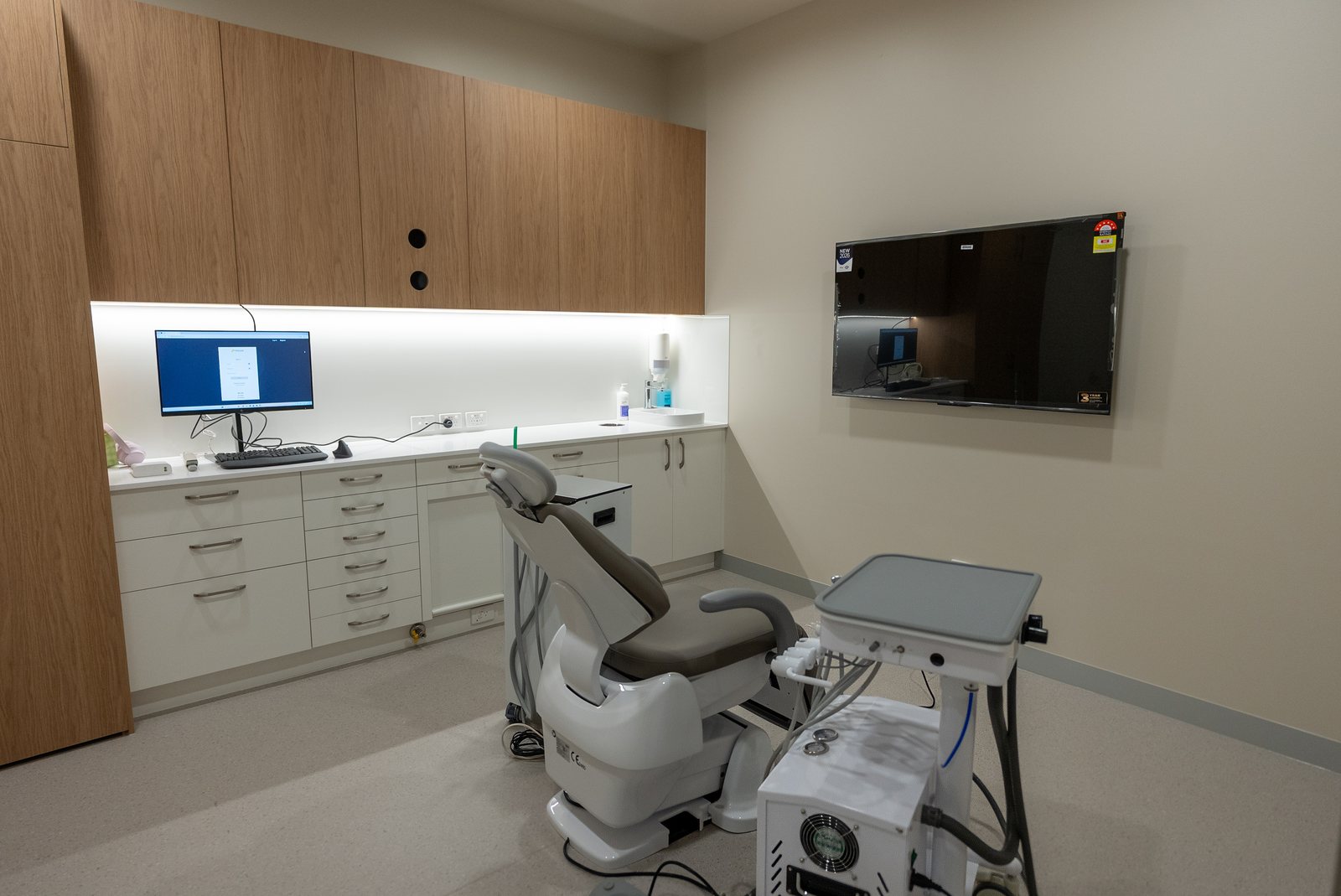
A dental surgery is bright, noisy and smells of disinfectant. Options I often suggest include:
- wearing your own sunglasses under the dental light
- earplugs, noise-cancelling headphones or quiet music for the suction and drilling
- a quieter time slot, or waiting in the car until you are called
- a hand signal for "I need to stop"
For brain fog, send your medicines list ahead if you can, bring someone to help remember what was said, and ask for a short written plan.
Dizziness, reclining and sitting up
Orthostatic intolerance, feeling dizzy, sweaty or sick when upright, is part of the diagnostic criteria for ME/CFS listed by the Better Health Channel, and POTS symptoms are common in long COVID. The harder moment is usually sitting up and standing at the end, so ask for the chair to be raised in stages and sit on the edge before you stand. Our guide to POTS and dizziness at the dentist covers fluids, reclining and standing up in more detail.
Medicines, anaesthetic and sedation
The ME Association's dental guide notes that sensitivity to medicines is common in people with ME/CFS, and that some people react badly to antibiotics. Tell the dentist about any reaction you have had before, including to local anaesthetic; the dentist chooses the type and amount after hearing your history.
Sedation can make a longer appointment easier, but it brings fasting and recovery time. It is considered only after an assessment of your health, with input from your GP where needed. Our guide to dental sedation options for adults compares the choices. Lumi Dental does not provide general anaesthetic itself and refers where it is needed, though IV sedation is available at the practice.
Dry mouth, bad days and decay risk
The ME Association notes that people with ME/CFS who take some medicines, such as antidepressants, may have a dry mouth, which raises the risk of decay and gum disease. Breathing through the mouth at night can dry it further. Our guide to dry mouth explains the causes and what helps.
Brushing on low-energy days
When brushing twice a day is too much, keep the routine small rather than skipping it:
- an electric toothbrush, which does more of the work
- brushing sitting down, or in bed with a cup to spit into
- fluoride toothpaste last thing at night as the priority
- spit out the foam but do not rinse with water; the Australian Dental Association's teeth.org.au explains that this lets a layer of fluoride toothpaste sit on the teeth for longer
The ME Association suggests asking a family member or carer to help on days you cannot get out of bed. If decay risk is high, the dentist may suggest a higher-fluoride toothpaste or fluoride varnish at your visits. Our article on fibromyalgia and chronic pain at the dentist has more ideas for brushing on bad days.
Challenges and what may help
| Challenge | At the dentist | At home |
|---|---|---|
| Low energy and PEM | Shorter appointment at your best time, treatment in stages, rest built in | Quiet day before, rest afterwards, nothing else planned |
| Light, sound and smells | Sunglasses, earplugs or headphones, a quieter time slot | Rest somewhere dark and quiet after the visit |
| Dizziness on standing | Chair raised in stages, sit on the edge before standing | Fluids and other measures as your doctor advises |
| Brain fog | History sent ahead, a support person, a short written plan | Notes or reminders for any aftercare |
| Sore jaw or pain | Breaks to close and rest the jaw, a bite prop if helpful | Soft food for a day or two after longer treatment |
| Bad days with brushing | Advice on extra fluoride if decay risk is high | Electric brush, sitting down, fluoride toothpaste at night, spit do not rinse |
Travel, a support person and teenagers
Getting there is part of the energy cost, so a lift, on-site parking and a support person can all help. The Better Health Channel notes that recovery from a trip out of the house can take days for people who are mostly housebound. If leaving the house is not possible at the moment, talk to your GP about options, and keep routine dental care for a better patch.
Teenagers usually come with a parent, and the same principles apply: short visits, the right time of day and rest afterwards.
How we approach this at Lumi Dental
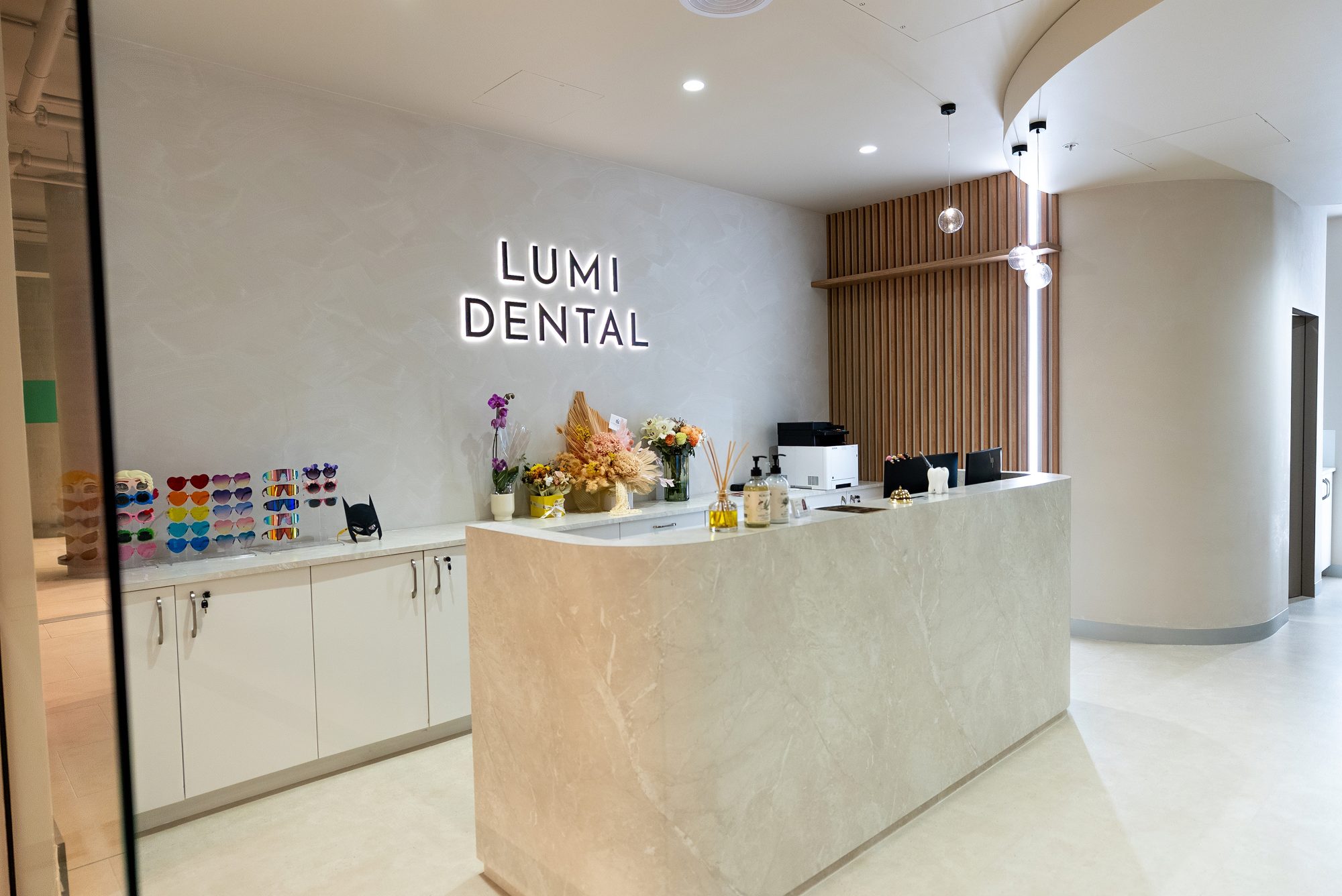
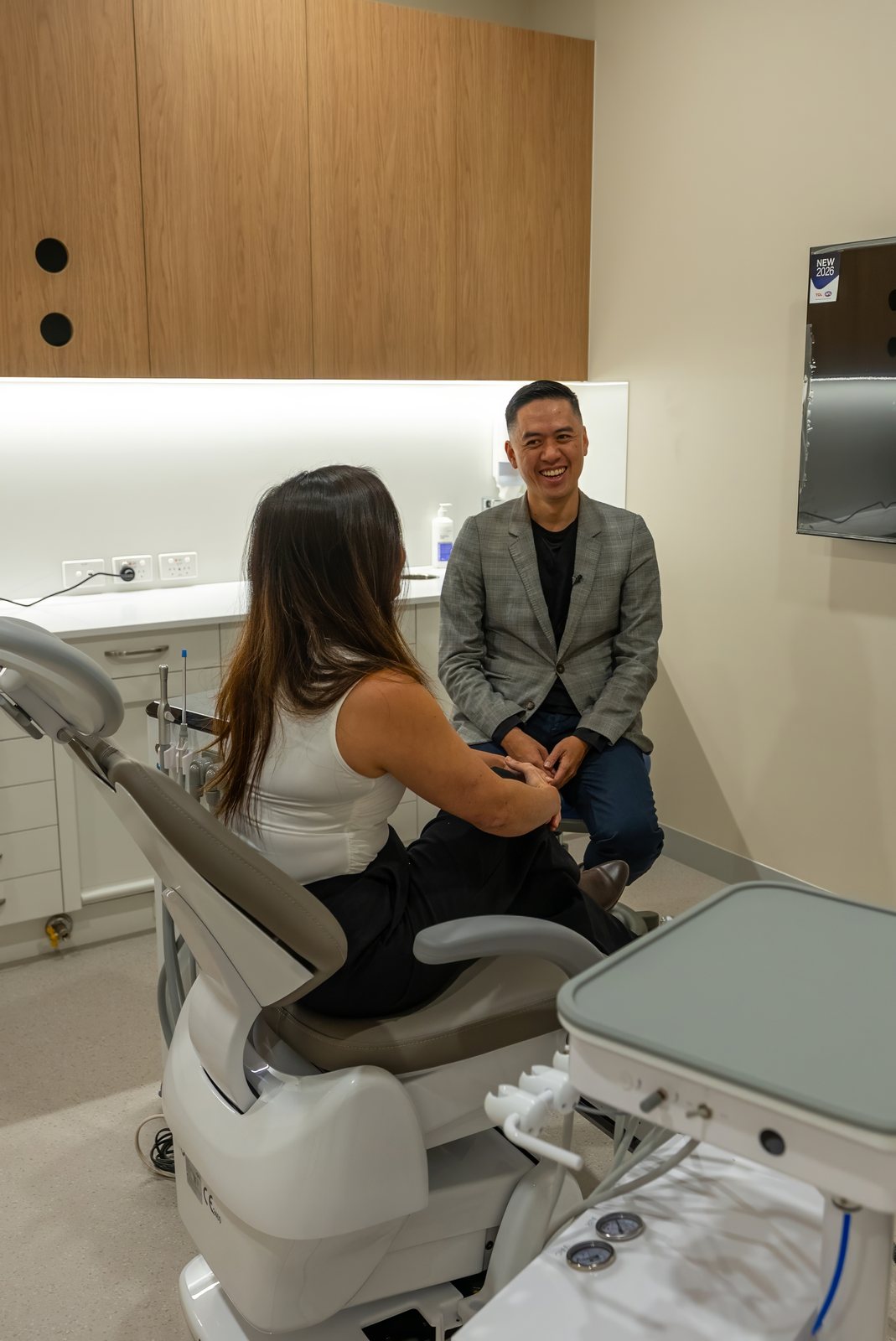
At Lumi Dental, the dentist asks about ME/CFS, long COVID, dizziness and any past reactions to medicines as part of your medical history, and plans care around what you can manage. The team can book shorter appointments, split treatment into stages, raise the chair slowly and build in breaks. Mention your needs when you book or through the contact page, where you can also check current hours. On-site parking is available at Melrose Central.
Questions patients ask
Can you go to the dentist with ME/CFS?
Yes. Most people with ME/CFS can have dental care with some planning: a shorter appointment at your best time of day, breaks, and rest afterwards.
How do I avoid a crash after a dental appointment?
Plan the days around the visit as well as the visit. Keep the day before quiet, ask for a shorter appointment and rest afterwards, because post-exertional malaise is often delayed.
Is local anaesthetic safe with long COVID?
Usually, yes. Tell the dentist about your symptoms, medicines and any past reactions so the type and amount of anaesthetic can be chosen to suit you.
Can I have sedation at the dentist if I have ME/CFS?
Sometimes, after an assessment of your health and input from your GP where needed. Our guide to sedation options for adults explains what is involved.
What if I am too unwell to brush my teeth?
Do what you can, even a short brush with fluoride toothpaste before bed, then spit and do not rinse. Tell the dentist so they can suggest extra protection.
Book a check-up at Lumi Dental, Melrose Park
If ME/CFS or long COVID has made dental visits hard, the team at Lumi Dental can plan a shorter check-up at a time that suits your energy, with breaks and time to rest before you leave. See current deals for new patients or read about general dentistry in Melrose Park. Patients visit from Ryde, Parramatta, Ermington and Rydalmere, with on-site parking at Melrose Central.
Sources
- Better Health Channel: Chronic fatigue syndrome (CFS)
- Healthdirect: Long COVID
- Emerge Australia: ME/CFS facts
- The ME Association: Dental care, your questions answered
About the author

Dr James Tran is a general dentist at Lumi Dental in Melrose Park. He holds a BDent from the University of Sydney and a Graduate Diploma in Oral Implants, and is a Member of the International Congress of Oral Implantologists (MICOI).
This article is general information only and is not a substitute for an examination and individual advice from a registered dental practitioner. Suitability for any treatment varies from person to person.







