

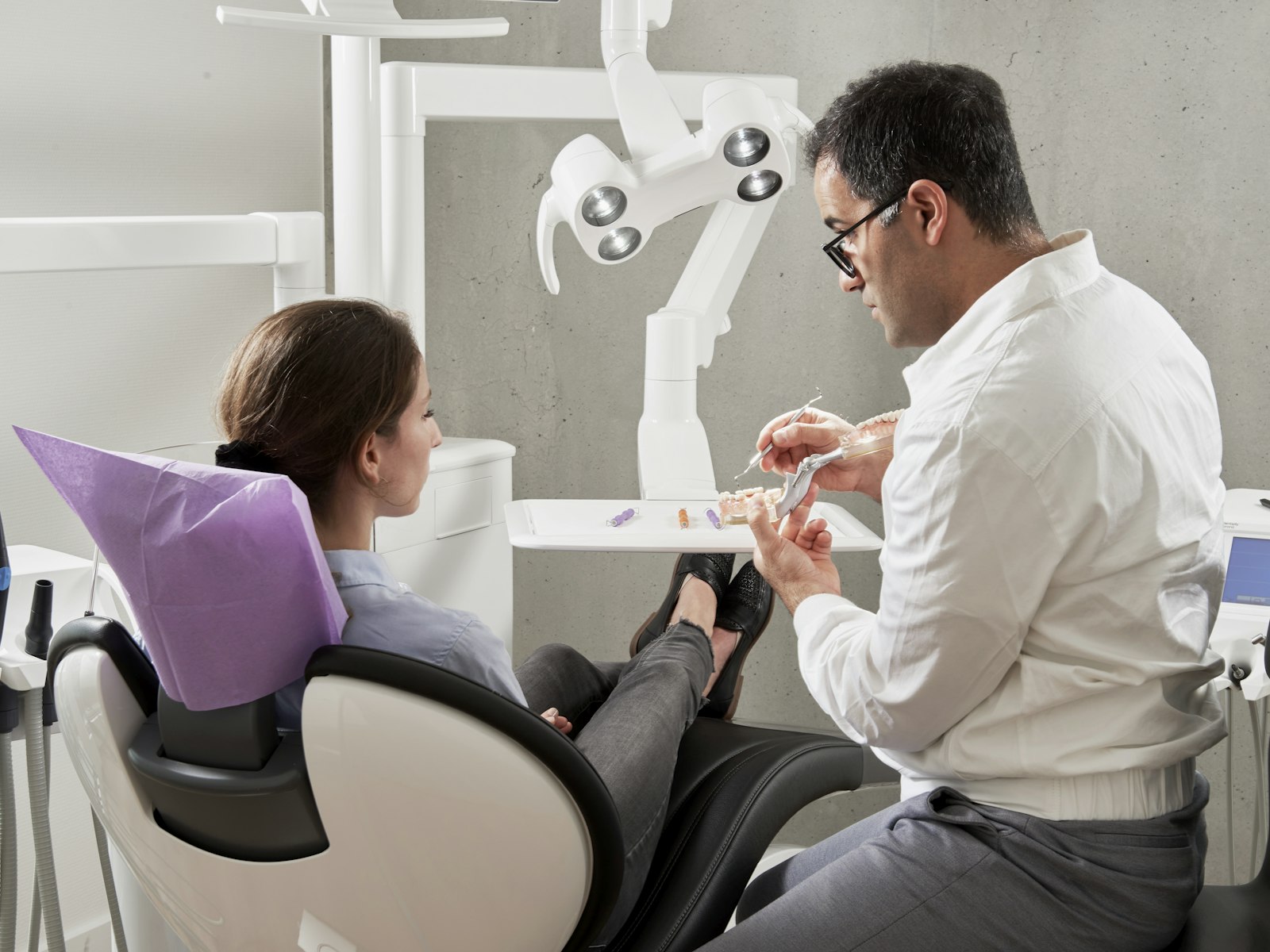

Dental care for organ transplant recipients follows a distinct timeline built around three phases: clearing active dental disease before surgery, deferring elective treatment for a period immediately after transplant, and stepping up preventive care for the long term once immunosuppressant medication is part of daily life. Each phase exists for a clear clinical reason, and each one is set in coordination with the patient's transplant team rather than decided by a dentist alone. Understanding why the timing matters can make the process feel far less confusing for patients and their families.
Key Takeaways
- Active dental disease, advanced gum disease and non-restorable teeth are typically treated or removed before transplant surgery.
- Untreated oral infections carry more risk once immunosuppressant medication starts, since the body's ability to fight infection is significantly reduced.
- Elective dental treatment, including routine cleans, is usually deferred for roughly three to six months after transplant while the patient stabilises.
- The exact timing of resuming dental care is always set by the transplant team, not decided unilaterally by a dental practice.
- Long-term immunosuppression can increase the risk of gum disease, gum overgrowth, oral infections and dry mouth.
- More frequent hygiene visits and thorough home care become more important, not less, once someone is living with a transplant.
Before Transplant: Getting the Mouth Ready
Ahead of a scheduled transplant, dental assessment usually focuses on removing sources of ongoing infection risk. This generally means treating active decay, addressing advanced periodontal disease, and extracting teeth that are not realistically restorable, even if they are not currently causing symptoms. The reasoning is straightforward: once immunosuppressant medication begins after transplant, the body's normal infection-fighting response is deliberately reduced to help the new organ be accepted, which means a low-grade oral infection that might otherwise be manageable can become a more serious problem. Getting this groundwork done before surgery, where the transplant timeline allows for it, reduces that risk considerably.

The Early Post-Transplant Window: Why Dental Treatment Is Usually Paused
The period immediately following transplant surgery is when infection risk is at its highest, since immunosuppressant doses are typically strongest in the early stages to reduce the chance of organ rejection. For this reason, elective dental treatment, including routine cleans and non-urgent restorative work, is commonly deferred for a period often cited as roughly three to six months while the patient stabilises. This is not a fixed rule that applies identically to everyone. The exact timeframe depends on the type of transplant, how the patient is recovering, and current medication levels, which is why this decision always sits with the transplant team rather than being set independently by a dental practice. If a dental issue becomes urgent during this window, such as pain, swelling or infection, it still needs to be managed promptly, but only in direct communication with the transplant team about safe medication interactions and infection precautions.
Long-Term Care: Living with Immunosuppression
Once a patient is stable and dental visits resume as part of normal care, the long-term picture shifts. Immunosuppressive medication can make transplant recipients more prone to gum disease, oral infections and reduced saliva flow, all of which make consistent oral hygiene more important than it might have been before transplant. One specific and recognised side effect of some anti-rejection medications is gum overgrowth, where the gum tissue thickens and can grow up over the teeth, sometimes interfering with hygiene and appearance. This is a known medication effect rather than a sign that a patient is doing something wrong, though good plaque control can help limit how significant it becomes. Reduced saliva can also increase the risk of decay and make the mouth feel persistently dry, which is worth mentioning at hygiene visits so it can be actively managed.
| Phase | Typical Focus | Who Sets the Timing |
|---|---|---|
| Pre-transplant | Treat active decay and gum disease, remove non-restorable teeth | Dental team, coordinated with the transplant team's surgery date |
| Early post-transplant (commonly around 3 to 6 months) | Defer elective and routine dental work, manage true emergencies only | Transplant team, in direct communication with the dental team |
| Long-term maintenance | More frequent hygiene visits, active management of gum overgrowth and dry mouth | Dental team, guided by the transplant team's ongoing medication plan |
Coordinating with the Transplant Team Throughout
The theme running through every phase of this timeline is communication. A dental team treating a transplant recipient needs an up to date list of medications, an understanding of how recently the transplant took place, and, ideally, direct contact with the transplant team for anything beyond routine hygiene care. This matters for practical reasons too, since some medications used in dentistry can interact with anti-rejection drugs, and some routine procedures may need antibiotic cover or specific timing around blood test results. Patients living with a transplant are often used to this kind of coordinated care already, and a good dental team will expect to work the same way rather than treating dental visits as separate from the rest of the patient's medical picture. For related discussions of dental care alongside another significant medical condition, our guide on dental care for dialysis and kidney patients covers similar coordination principles, and our articles on oral care during chemotherapy, blood thinners and tooth extraction and diabetes and gum disease may also be useful background reading.

Frequently Asked Questions
Can I get a routine dental clean soon after my transplant?
Usually not immediately. Elective dental care, including routine cleans, is commonly deferred for roughly three to six months after transplant, though this should always be confirmed with your transplant team rather than assumed.
Why do transplant recipients need dental work done before surgery?
Because immunosuppressant medication after transplant reduces the body's ability to fight infection, so treating active decay and gum disease beforehand lowers the risk of a dental infection becoming more serious afterwards.
What is gum overgrowth and why does it happen after a transplant?
Gum overgrowth is a recognised side effect of some anti-rejection medications, where gum tissue thickens and can grow over the teeth. It is a known medication effect, and good oral hygiene can help limit its severity.
Do I need more frequent dental visits after a transplant?
Many transplant recipients benefit from more frequent hygiene visits than before, since immunosuppression can increase the risk of gum disease and oral infection over the long term.
What should I do if I have a dental emergency shortly after my transplant?
Contact your dental team and your transplant team as soon as possible. Urgent issues still need to be managed, but medication interactions and infection precautions need to be considered alongside the dental treatment.
Does dry mouth get worse after a transplant?
It can, since some immunosuppressant medications reduce saliva flow. This increases decay risk, so it is worth mentioning to your dental team so it can be actively managed with hygiene and saliva support strategies.
Who decides when I can resume normal dental care after transplant?
Your transplant team sets this timing based on your individual recovery and medication levels, and your dental team should coordinate directly with them rather than setting an independent timeline.
If you are preparing for a transplant or are already living with one, the team at Lumi Dental can work alongside your transplant team to plan dental care at the right time. Check current deals or book with the general dentist team to arrange an assessment.

