
Most children do well with a family dentist and oral health therapist, and a specialist paediatric dentist is usually needed only when a child's medical, behavioural or treatment needs go beyond routine care. Parents comparing a paediatric dentist vs general dentist often worry that a family practice is a lesser option for kids, but most routine children's care in Australia is provided by general dentists and oral health therapists. AIHW data has reported that around 1 in 3 children aged 5 to 6 have decay in their baby teeth, so early, regular and calm visits matter more than the title on the door. This guide explains the difference and lists the situations where a referral is worth considering.
Key Takeaways
- Paediatric dentistry is one of 13 dental specialties recognised by the Dental Board of Australia.
- Routine care such as check-ups, cleans, fluoride varnish, fissure sealants, small fillings and prevention advice is commonly provided by general dentists and oral health therapists.
- Specialist paediatric dentists often care for children with complex medical needs, significant disability, severe anxiety, or extensive decay needing a general anaesthetic.
- The ADA recommends a first dental visit when the first tooth appears or by around 12 months of age. Our first dental visit guide explains what to expect.
- Lumi Dental accepts the Child Dental Benefits Schedule (CDBS) for eligible children.
- A sensible approach is to start with a family dentist and ask for a referral if needs grow.
What Is a Paediatric Dentist?
A specialist paediatric dentist is a dentist who, after completing a dental degree and time in general practice, undertakes around three years of full-time postgraduate training in children's dentistry. They are then registered by the Dental Board of Australia as a specialist, and the title "specialist paediatric dentist" is protected. You can check any practitioner's registration on the AHPRA public register.
Paediatric dentists often work in hospitals as well as private rooms. Their training places a strong emphasis on children with complex medical histories, significant disability, severe dental anxiety, and very young children with large amounts of treatment to complete. They are also trained to provide dental care under general anaesthetic in a hospital setting. Our overview of dental specialists in Australia explains how this specialty sits alongside the others.
What a Family Dentist and Oral Health Therapist Provide
A family dentist is a general dentist who sees patients of all ages, often treating parents, grandparents and children in the same practice. Oral health therapists (OHTs) are registered dental practitioners trained in prevention and in many treatments for children, and they often spend much of their working day with young patients.
Most of what a typical child needs falls comfortably within this care:
- Regular check-ups and cleans
- Fluoride varnish to help strengthen enamel (see our guide to fluoride varnish for children)
- Fissure sealants on the grooves of back teeth
- Small fillings in baby or adult teeth
- Diet, brushing and habit advice for the whole family
- Monitoring growth and tooth eruption, with orthodontic referral when needed
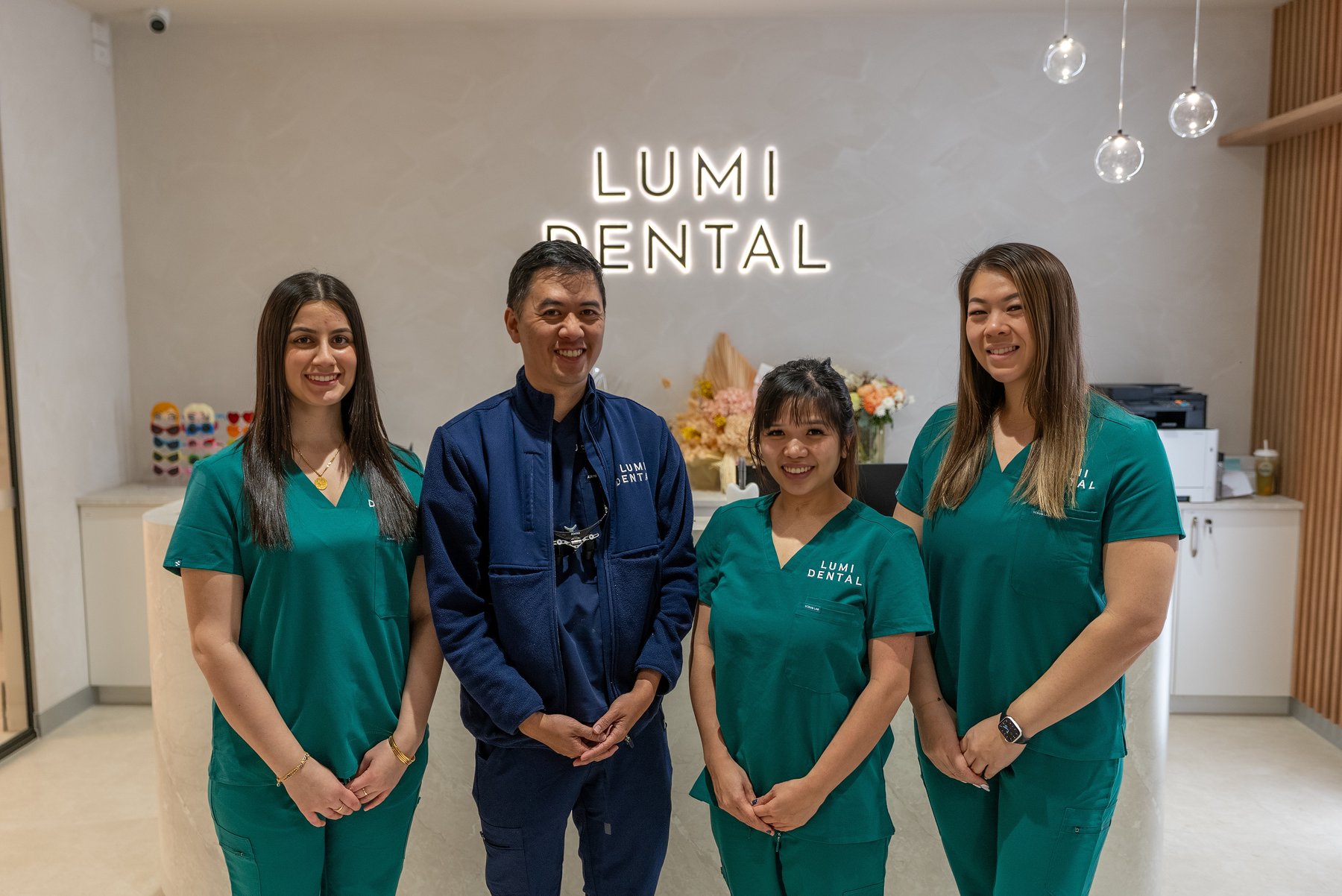
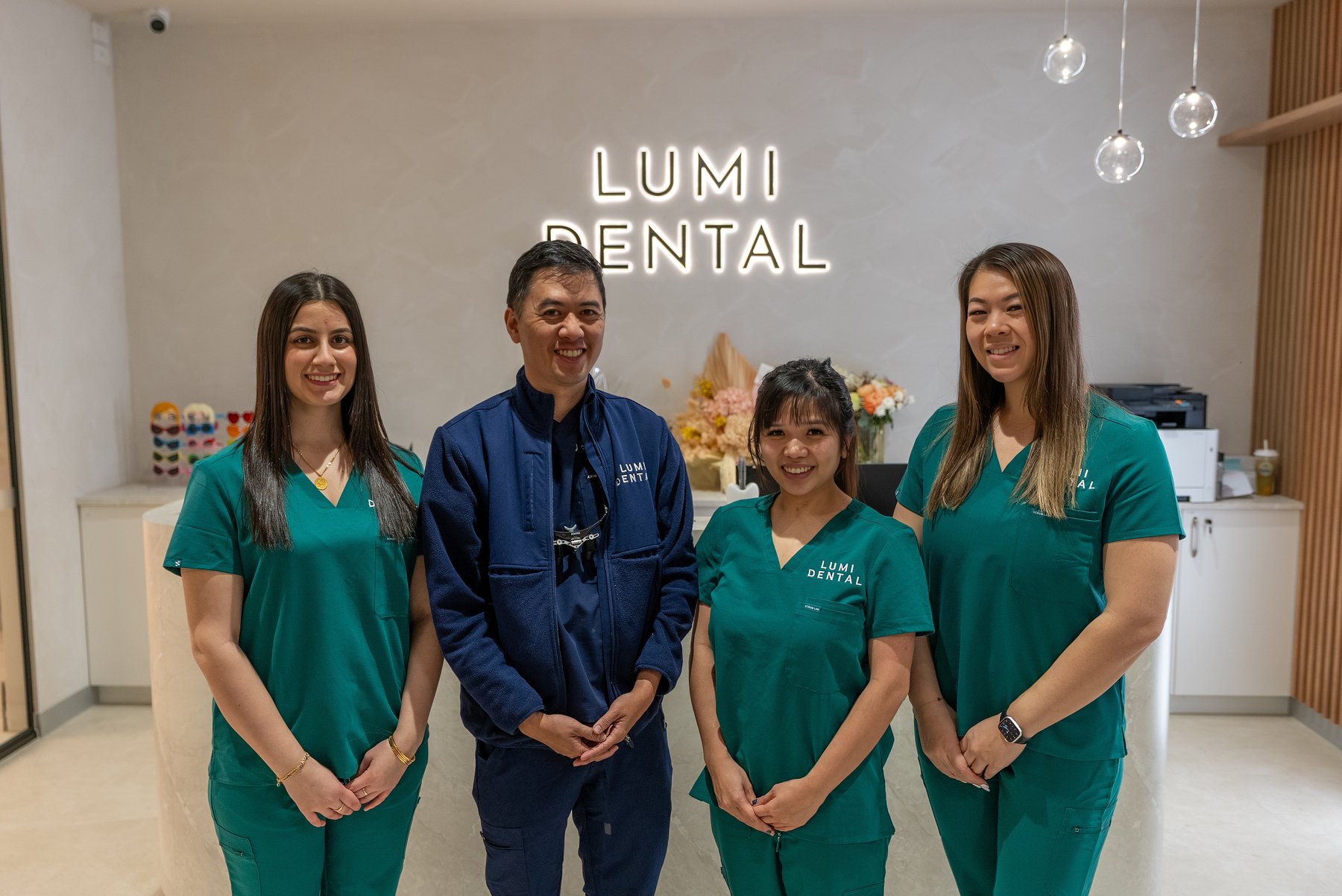
At Lumi Dental, the oral health therapists work closely with children and families, and the dentists are on hand for anything beyond their scope. A familiar face, short appointments and plain explanations go a long way with young patients.
Paediatric Dentist vs Family Dentist: A Side by Side Guide
The table below shows how children's situations are commonly managed. Every child is different, and your dentist will tailor advice once they have examined your child.
| Child's situation | Family dentist or OHT | Paediatric dentist referral |
|---|---|---|
| Routine check-ups, cleans and prevention | Usually suitable | Not usually needed |
| Fluoride varnish and fissure sealants | Usually suitable | Not usually needed |
| One or two small cavities in a cooperative child | Usually suitable | Not usually needed |
| Mild to moderate nerves about the dentist | Usually suitable, with a slow, gentle approach | Considered if anxiety prevents needed care |
| Severe anxiety that stops treatment going ahead | Prevention and monitoring | Often considered |
| Extensive decay in a very young child | Assessment and prevention | Often considered |
| Treatment likely to need a general anaesthetic | Referral arranged | Often considered, usually in a hospital |
| Complex medical conditions | Depends on the condition | Often considered |
| Significant disability or high support needs | Depends on the child | Often considered |
Start With a Family Dentist; Ask for a Referral if Treatment Needs Grow Beyond What a Calm Chair-Side Visit Can Manage
For most families, this single rule covers the decision. If your child can sit in the chair for a check-up, a clean or a small filling with some reassurance, a family practice is well placed to look after them. If the amount of treatment needed, or your child's ability to cope with it, goes beyond that, a referral to a paediatric dentist or hospital service is the sensible next step.
Patients I see are often surprised that a nervous child is not automatically a referral. Many anxious children settle with short visits, a tell-show-do approach and a parent nearby. Our article on what to do when your child is scared of the dentist has practical tips for home and the clinic. Similarly, many autistic children do well in a general practice with some planning, as our guide to autism-friendly dental visits explains.
Clear Referral Triggers
A family dentist would commonly consider a referral when:
- Decay is extensive, especially in a toddler or preschooler, and the amount of treatment is too much for chair-side visits
- Treatment is likely to need a general anaesthetic
- A child has complex medical needs, such as a heart condition or bleeding disorder, that affect dental care
- A child has significant disability or high support needs that make chair-side care unsafe or distressing
- Severe anxiety persists despite gentle, gradual visits, and needed treatment cannot go ahead
- Injuries to teeth are complex, or a developmental problem with the teeth needs specialist assessment
About General Anaesthetic
Lumi Dental does not provide general anaesthetic. When a child's treatment needs it, the team arranges a referral to a specialist paediatric dentist or hospital service, and can continue to look after routine prevention and check-ups afterwards if the family wishes.
Cost and the Child Dental Benefits Schedule
The Child Dental Benefits Schedule (CDBS) is a federal government program that helps eligible families with the cost of basic dental care for children. It provides a capped benefit over two calendar years for services such as check-ups, cleans, fluoride, sealants, fillings and some extractions. It does not cover hospital treatment or orthodontics.
The whole practice at Lumi Dental accepts the CDBS for eligible children. Our guide to the Child Dental Benefits Schedule covers eligibility and how to check your child's remaining balance. Specialist and hospital fees vary widely, and your family dentist can explain likely costs before any referral.
How to Prepare Your Child for Any Dental Visit
- Keep language simple and neutral; avoid words like "hurt" or "needle"
- Book visits at a time of day when your child is usually rested
- Read a picture book or play dentist at home with a toothbrush and mirror
- Let your child bring a comfort toy
- Tell the team in advance about any medical, sensory or behavioural needs
- Stay calm yourself, since children often take their cues from parents
Common Questions
Do kids need a paediatric dentist?
Most children do not need a paediatric dentist for routine care. General dentists and oral health therapists commonly provide check-ups, cleans, prevention and small fillings, with referral reserved for complex needs.
Is a paediatric dentist better than a family dentist?
A paediatric dentist has more training in complex children's care, but that does not make them the right choice for every child. For routine care, a calm and familiar family practice can suit a child very well.
At what age should my child first see a dentist?
The ADA recommends a first visit when the first tooth appears or by around 12 months of age. Early visits are short and gentle, and focus on prevention and getting used to the chair.
Can a general dentist fill baby teeth?
Yes, general dentists and oral health therapists routinely fill baby teeth. Whether a cavity in a baby tooth needs a filling depends on its size, the child's age and when the tooth is due to fall out.
Does the CDBS cover visits to a paediatric dentist?
The CDBS can be used with participating dental providers, which may include some specialists, for eligible services. It does not cover hospital treatment, so check with the practice before booking.
Children's Dental Care in Melrose Park
The team at Lumi Dental in Melrose Park, Sydney, sees children from their first tooth onwards, with oral health therapists who enjoy working with kids and their families. The practice accepts the CDBS for eligible children, and if your child ever needs care beyond what a calm chair-side visit can manage, the team will arrange a referral to a paediatric dentist. Learn more about family and general dentistry at Lumi Dental, or see current deals for new patient options.