

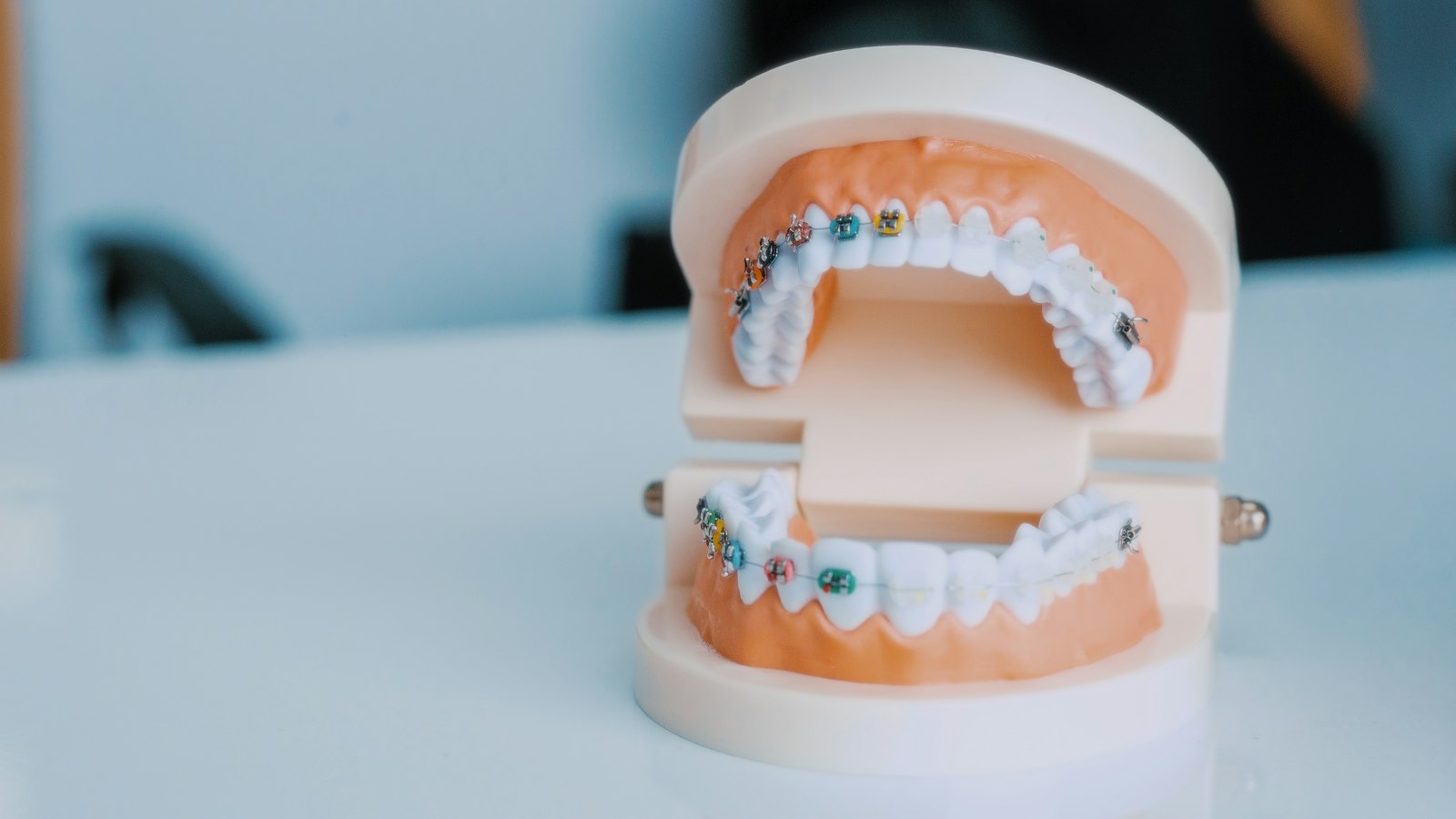

A palate expander widens a child's upper jaw gradually, using a small key turned at home, and most children adjust to the sensation within the first week of treatment. If your child's dentist or orthodontist has suggested one, the idea of a device being turned inside your child's mouth every night can sound more alarming than the process actually is. Here is what tends to happen from the first fitting through to the retention phase, and what parents can realistically expect along the way.
Key Takeaways
- A palate expander widens a narrow upper jaw slowly, using a small key turned at home, typically once a day for a few weeks.
- Active expansion usually takes a few weeks to a few months, followed by a longer retention phase where the appliance stays in place passively.
- A gap opening between the top front teeth partway through treatment is normal and expected, not a sign that something has gone wrong.
- Mild pressure, extra saliva and a temporary lisp in the first week or two are common and usually settle on their own.
- Expanders tend to work faster in younger children because the midline suture in the roof of the mouth has not yet fused.
- A soft-food routine and careful cleaning around the appliance help avoid trapped food and discomfort during active treatment.
What Is a Palate Expander and Why Is It Used
A palate expander (sometimes called a rapid palatal expander or RPE) is an orthodontic appliance that sits across the roof of the mouth, usually anchored to the back molars with metal bands or a bonded acrylic base. Turning the embedded key applies gentle outward pressure on the two halves of the upper jaw, gradually widening the dental arch.
Dentists and orthodontists typically recommend expansion for a few reasons: a posterior crossbite, where the upper back teeth sit inside the lower teeth instead of outside them; a narrow upper arch that is causing or will likely cause crowding as adult teeth come in; or, in some cases, as part of a broader treatment plan where a paediatric dentist or GP has also raised concerns about mouth breathing or airway-related habits. It is worth being clear that an expander is an orthodontic tool for widening the jaw, not a stand-alone treatment for breathing or sleep concerns, though the two are sometimes discussed together during an assessment. For more on how habits like mouth breathing are assessed in children, see our guide on mouth breathing in children.
How the Expansion Process Actually Works
Most fixed expanders are activated with a small key that fits into a hole in the centre of the appliance. A parent (or in some cases the child, under supervision) inserts the key and turns it as instructed, usually once or twice a day, which produces an audible click and a small amount of forward-and-outward movement. Each turn typically takes only a few seconds.
This active phase generally continues for two to four weeks, though the exact length depends on how much widening is needed and how the child's palate responds. Once the target width is reached, turning stops, but the appliance is usually left in place for a further two to four months as a passive retainer, allowing new bone to fill in the gap that has opened between the two halves of the palate. Removing it too early can allow the widened jaw to relapse, so this stabilisation period matters as much as the active phase.
| Stage | What Happens | What Parents Typically Notice |
|---|---|---|
| Week 1 | Appliance fitted; daily key turns begin | Pressure or tightness after each turn, some initial difficulty speaking clearly |
| Weeks 2 to 4 | Active widening continues; gap often visible between front teeth | A visible gap opening between the top front teeth; this is expected and closes later |
| End of active phase | Target width reached; turning stops | Less day-to-day discomfort; appliance now feels more like a fixed retainer |
| Months 2 to 4 (retention) | Appliance stays in place passively while bone consolidates | Little change felt; regular check-ups continue |
| After retention | Appliance removed; often followed by further orthodontic assessment | Front tooth gap typically starts to close as teeth settle |
What Will Your Child Feel?
Most children describe a feeling of pressure or fullness across the roof of the mouth for the first hour or so after each turn, which then eases. Some soreness in the first few days is common, particularly around the back teeth where the appliance anchors. A gap opening between the two front teeth partway through treatment often worries parents more than it worries the child; this is a normal and expected sign that the appliance is working, and it typically narrows again as the adjacent teeth drift back together over the following months.
A mild lisp or change in speech is common in the first week as the tongue adjusts to the appliance sitting against the palate, and it usually resolves as your child gets used to talking around it. Extra saliva production in the first few days is also normal and settles down quickly. If pain seems severe, sharp, or is not easing within a few days, it is worth a call to the treating dentist or orthodontist rather than waiting it out.
Food and Hygiene Tips During Treatment
Soft foods make the first few days more comfortable: think pasta, scrambled eggs, soup, and mashed vegetables rather than anything crunchy or chewy. Sticky foods such as caramel or chewing gum are best avoided for the whole active phase, since they can dislodge the appliance or get trapped around the bands.
Food particles can collect around the bands and the acrylic base more than they would around natural teeth, so a slower, more deliberate brushing routine helps, angling the brush to clean along the gum line and around each band. A water flosser can help dislodge debris that a toothbrush alone may miss. Regular review appointments give the dentist a chance to check the appliance is clean, well-seated, and progressing as expected.
When Are Expanders Typically Recommended by Age?
Timing matters with palate expansion. The midline suture running down the centre of the roof of the mouth has not yet fused in younger children, generally those still in the mixed dentition stage with a mix of baby and adult teeth, which is why expansion tends to be faster and more predictable in this age group. As children move into the early teenage years, this suture becomes more rigid, and some older patients may need a longer expansion phase or, in select cases, additional support to achieve the same result.
This is one reason dentists often raise orthodontic assessment earlier than parents expect, well before all the adult teeth have come through. If you are wondering when a first orthodontic check should happen, our article on the first orthodontic check age covers this in more detail, and our guide to root resorption after braces explains why treatment timing and monitoring matter throughout orthodontic care generally.
Frequently Asked Questions
Does a palate expander hurt?
Most children feel pressure or mild soreness rather than sharp pain, particularly in the first few days and shortly after each key turn. This typically eases within an hour and becomes less noticeable as treatment continues.
How long do you need to turn the key?
Active turning generally lasts two to four weeks, depending on how much widening is planned, followed by a longer period where the appliance stays in place without further adjustment.
Will the gap between my child's front teeth close on its own?
In most cases, yes. The gap that opens during active expansion is a normal part of the process and typically starts to narrow again as the teeth either side drift back together during the retention phase.
Will my child have a permanent lisp?
A lisp or altered speech in the first week or two is common while the tongue adjusts to the appliance, but it is not usually permanent and tends to resolve as your child becomes used to speaking with it in place.
Can my child still play sport or a musical instrument?
Most children can continue normal activities, including contact sport with an appropriate mouthguard where relevant. Wind instruments may feel different for the first week or two while your child adjusts.
What happens after the expander comes out?
Many children move on to further orthodontic assessment once the retention phase is complete, since expansion is often one part of a broader plan to guide how the adult teeth come through.
Is a palate expander the same as a space maintainer?
No. A space maintainer holds a gap open after a baby tooth is lost early, while a palate expander actively widens the jaw. You can read more about the difference in our guide to space maintainers for children.
If your child has been referred for a palate expander, or you would like an orthodontic assessment to understand whether one may be appropriate, the team at Lumi Dental can talk you through the options. Visit current deals to see what is currently available, or get in touch with our general dentist in Melrose Park team to arrange an assessment.

