
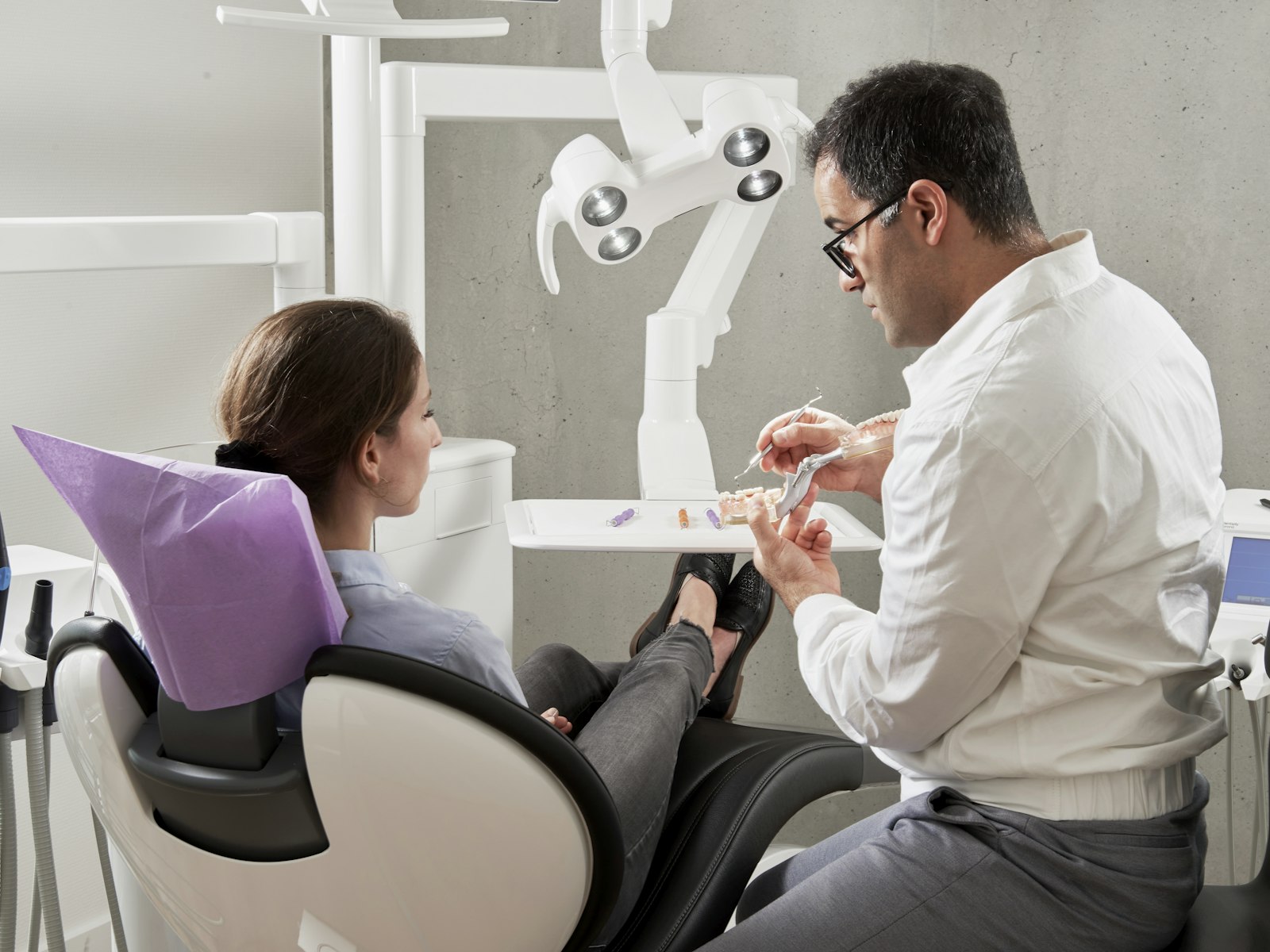

A palateless upper denture, also called a horseshoe or U-shaped denture, leaves the roof of your mouth uncovered, but as a standard full denture without implants it usually loses much of the suction that keeps it in place. That is the short answer most people are looking for. The longer answer is more encouraging: palateless designs can work very well in the right situations, mainly as partial dentures that clip onto remaining teeth, or as full upper dentures held in by dental implants. This guide explains why a conventional upper denture covers the palate, where a horseshoe denture makes sense, and what to ask at your assessment.
Key Takeaways
- A conventional full upper denture covers the palate because that coverage creates the seal and suction that hold it in.
- A palateless full upper denture without implants is generally not suitable as a standard full denture, because much of that suction is lost.
- Horseshoe or U-shaped partial dentures are common and clip onto remaining natural teeth for support.
- Implant-retained overdentures, commonly on four or more upper implants, can be made without a palate and snap into place.
- Uncovering the palate may improve taste, temperature sensation, speech comfort and gagging.
- One simple rule: if you have no upper teeth and no implants, expect the denture to need palate coverage.
Why a Full Upper Denture Covers the Roof of Your Mouth
When a person has lost all of their upper teeth, a conventional denture has nothing to clip onto. Instead, it relies on the shape of the gums and the palate, plus a thin film of saliva, to stay in place. The denture base is made to fit closely against these tissues, and the edges are shaped to form a seal. When you bite or swallow, that seal creates a mild suction effect, a little like a suction cap on glass.
The palate is a large, firm, relatively stable surface. Covering it gives the denture more area to grip and helps complete the seal along the back edge. Remove that coverage and the denture has a much smaller surface to hold onto, with a gap where air and saliva can break the seal. For most people with no remaining upper teeth, a horseshoe-shaped full denture on its own tends to feel loose and may drop when talking or chewing.
This is why many dentists will gently advise against a palateless full upper denture if no other form of support is available. Denture adhesive can help a little, but it is not designed to replace the retention lost from removing the palate.
Why People Want a Denture Without the Palate
The wish for a palateless denture is very understandable. Patients I see often describe the palate section as the hardest part to get used to. Common concerns include:
- Taste and temperature: covering the palate can dull how food tastes and make it harder to judge how hot a drink is.
- Gagging: the back edge of the denture can trigger a sensitive gag reflex, especially in the first weeks. If this sounds familiar, our guide to the gag reflex at the dentist has practical tips.
- Speech: some sounds can feel different while the tongue adjusts to the extra thickness on the roof of the mouth.
- Bulk and comfort: some people simply dislike the feeling of something covering a large area of the mouth.
These are valid reasons to ask about other designs. The good news is that there are situations where a palate is not needed.
Where a Horseshoe Denture Can Work
Horseshoe partial dentures
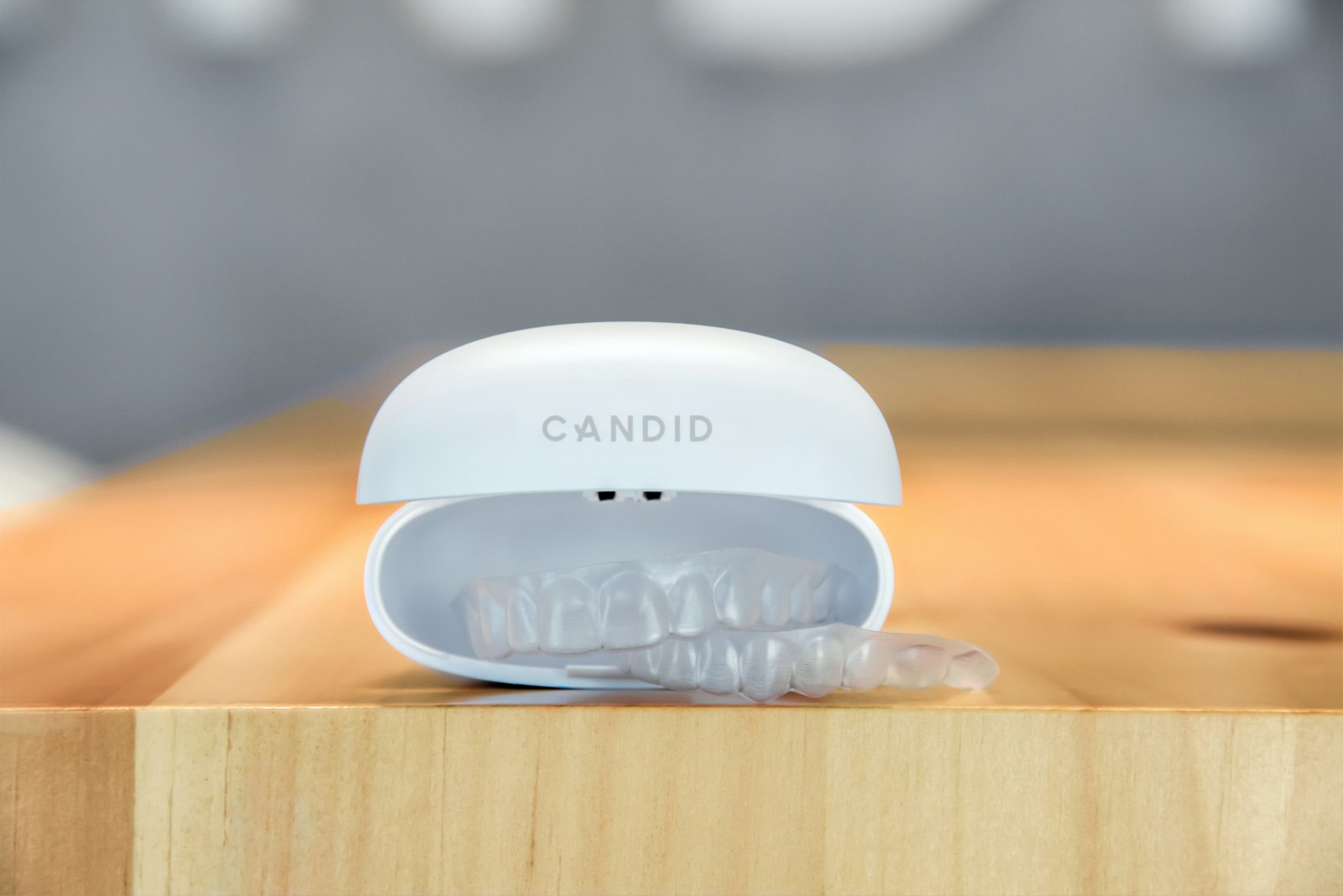
If you still have some healthy upper teeth, a horseshoe or U-shaped partial denture is a common and well-established option. Instead of relying on suction, a partial denture gains support and retention from the natural teeth it clips onto. Because the teeth do most of the work, the palate can often be left uncovered or only partly covered.
These partials are frequently made with a cobalt chrome metal framework, which is thin and strong. Acrylic partials can also be made in a horseshoe shape, though they are generally bulkier. Our article comparing cobalt chromium vs acrylic partial dentures explains the differences in more detail.
Palateless implant-retained overdentures
For people with no upper teeth, dental implants can provide the retention that the palate would otherwise supply. An implant-retained overdenture is a removable denture that snaps onto attachments connected to implants in the jaw. In the upper jaw, this is commonly planned on four or more implants.
Because the implants hold the denture in place, the palate section can often be removed, giving a horseshoe-shaped denture. A published review of palateless implant overdentures on four implants reported better taste sensation and less gagging, without reducing retention or chewing ability. Results vary between individuals, but this supports what many patients hope for. You can read more in our guide to implant-retained overdentures.
Fixed full-arch options
Fixed full-arch bridges on implants (All-on-X style treatment) also avoid covering the palate, but they are a different category. They are not removed at home and are cleaned in place. They suit some people well, but they involve different planning, care and cost to a removable overdenture.
Upper Denture Options Compared
The table below compares the main upper denture designs. Cost figures are general Australian market ranges only. They vary between practices and from case to case, and are not quotes.
| Option | Covers palate? | Retention | Needs implants? | General cost range | Who it may suit |
|---|---|---|---|---|---|
| Conventional full upper denture | Yes | Suction and seal from palate and gums | No | About $1,500 to $3,500 | People with no upper teeth who prefer a non-surgical option |
| Horseshoe partial denture | No, or partly | Clasps on remaining natural teeth | No | Varies with material and design | People with some healthy upper teeth remaining |
| Palateless overdenture on 4 or more implants | No | Snaps onto implant attachments | Yes | Often $15,000 to $30,000 or more | People with no upper teeth who want a removable denture without the palate |
| Fixed full-arch bridge on implants | No | Fixed to implants, not removable | Yes | Varies widely, assessed case by case | People seeking a fixed result and suitable for more extensive treatment |
For a broader look at what affects denture fees, see our dentures cost guide.
Trade-Offs to Consider
A palateless design is not automatically better. There are some trade-offs worth knowing about before you decide.
- Strength: the palate section adds bulk that helps hold an acrylic denture together. Without it, an acrylic horseshoe base can be more prone to fracture, so it may need a metal reinforcement or framework.
- Implant surgery: a palateless full upper denture usually depends on implants, which involve a surgical procedure, healing time and enough bone to place them.
- Cost: implants add considerably to the overall cost compared with a conventional denture.
- Maintenance: implant attachments can wear and may need periodic replacement, and implants need careful daily cleaning and regular reviews.
- Bone and gum shape: the shape of your upper jaw affects how much support is available, which a clinical assessment and imaging can clarify.
How the Assessment Works
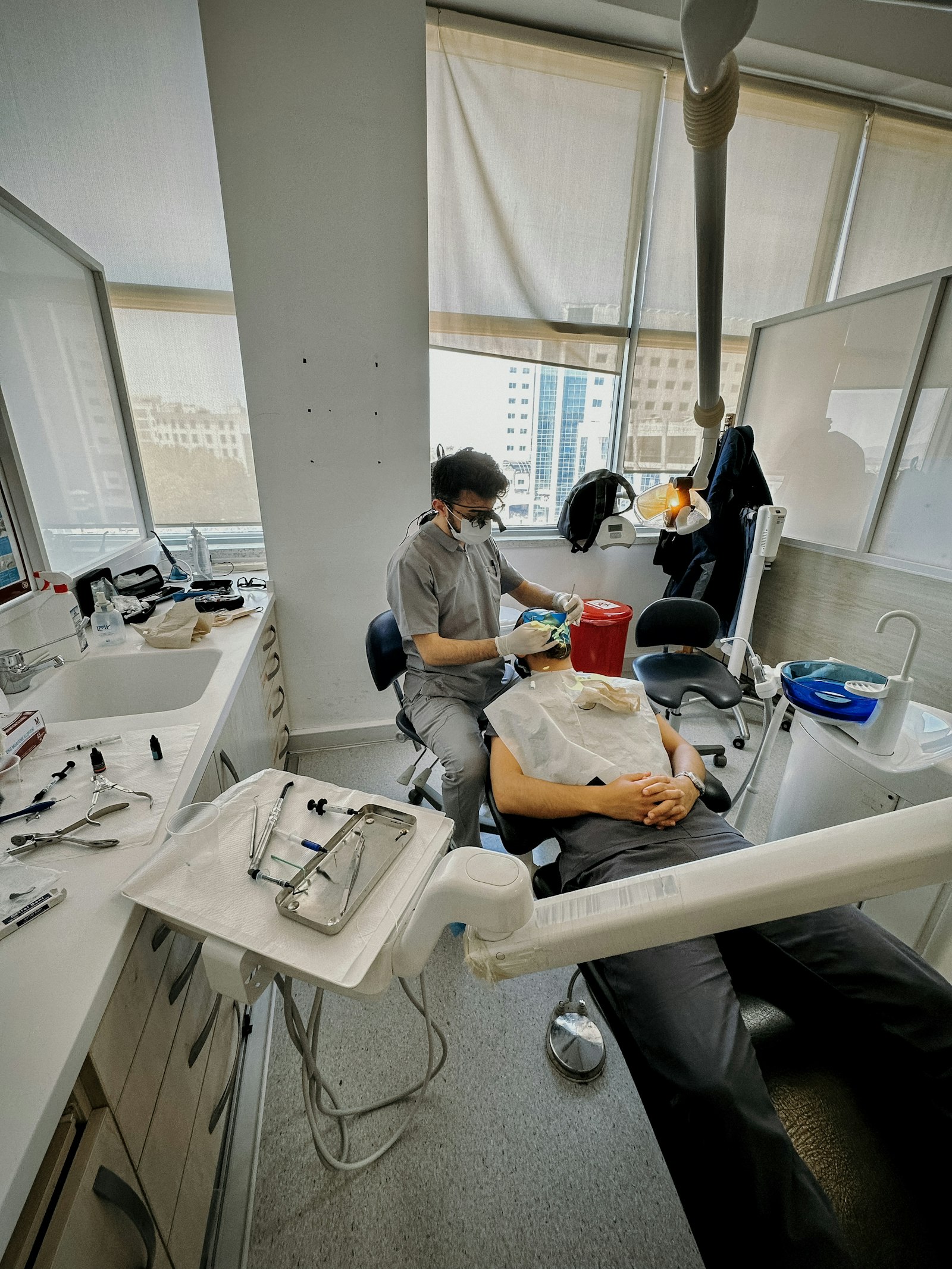
Choosing between a conventional denture, a horseshoe partial or an implant option starts with an examination. In my experience, the most useful first appointment covers:
- Your goals: what bothers you about your current denture, or what you want to avoid if this is your first one.
- Remaining teeth: whether any upper teeth are healthy enough to support a partial denture.
- Gums and palate shape: a high, well-formed palate and firm ridges tend to hold a conventional denture better than flat ridges.
- Bone levels: if implants are being considered, imaging helps show whether there is enough bone in suitable positions.
- Medical history and budget: these shape which options are realistic and how treatment might be staged.
The team at Lumi Dental can assess which denture design may suit your mouth, whether that is a conventional full denture, a horseshoe partial or an implant-retained option. You can book a denture assessment through our general dentistry team.
Common Questions
Can you get a full upper denture without a palate?
Usually only if it is held in by implants. Without implants, a palateless full upper denture tends to lose much of its suction, so most conventional full upper dentures need to cover the palate.
Is a horseshoe denture the same as a partial denture?
Not always, but most horseshoe dentures are partials. The word horseshoe describes the U shape that leaves the palate open, and that shape is most common in partial dentures that clip onto remaining teeth.
Will a palateless denture help with gagging?
It may. Removing the back edge of the palate section can reduce gagging for many people, and one review of palateless overdentures on four implants reported less gagging. Individual responses vary.
Can my existing upper denture be cut down to remove the palate?
Generally this is not advised for a conventional full denture, because removing the palate can greatly reduce suction and weaken the acrylic. If you later have implants placed, a new or modified denture may be designed without a palate as part of that treatment.
How many implants are needed for a palateless upper denture?
A palateless upper overdenture is commonly planned on four or more implants. The exact number depends on bone quality, jaw shape and the design chosen, which is assessed with an examination and imaging.
Talk to the Team at Lumi Dental
If the roof of your denture is affecting your taste, speech or comfort, it is worth finding out which options suit your mouth. The team at Lumi Dental in Melrose Park, Sydney, offers a complimentary implant consultation where we can discuss whether a palateless implant-retained denture may be suitable, along with other options. Get in touch to book your complimentary consult, learn more about dental implants in Melrose Park, or see our current deals. Every plan comes with a clear written quote before any treatment begins.
This article is general information only and is not a substitute for a personalised assessment by a registered dental practitioner.


