
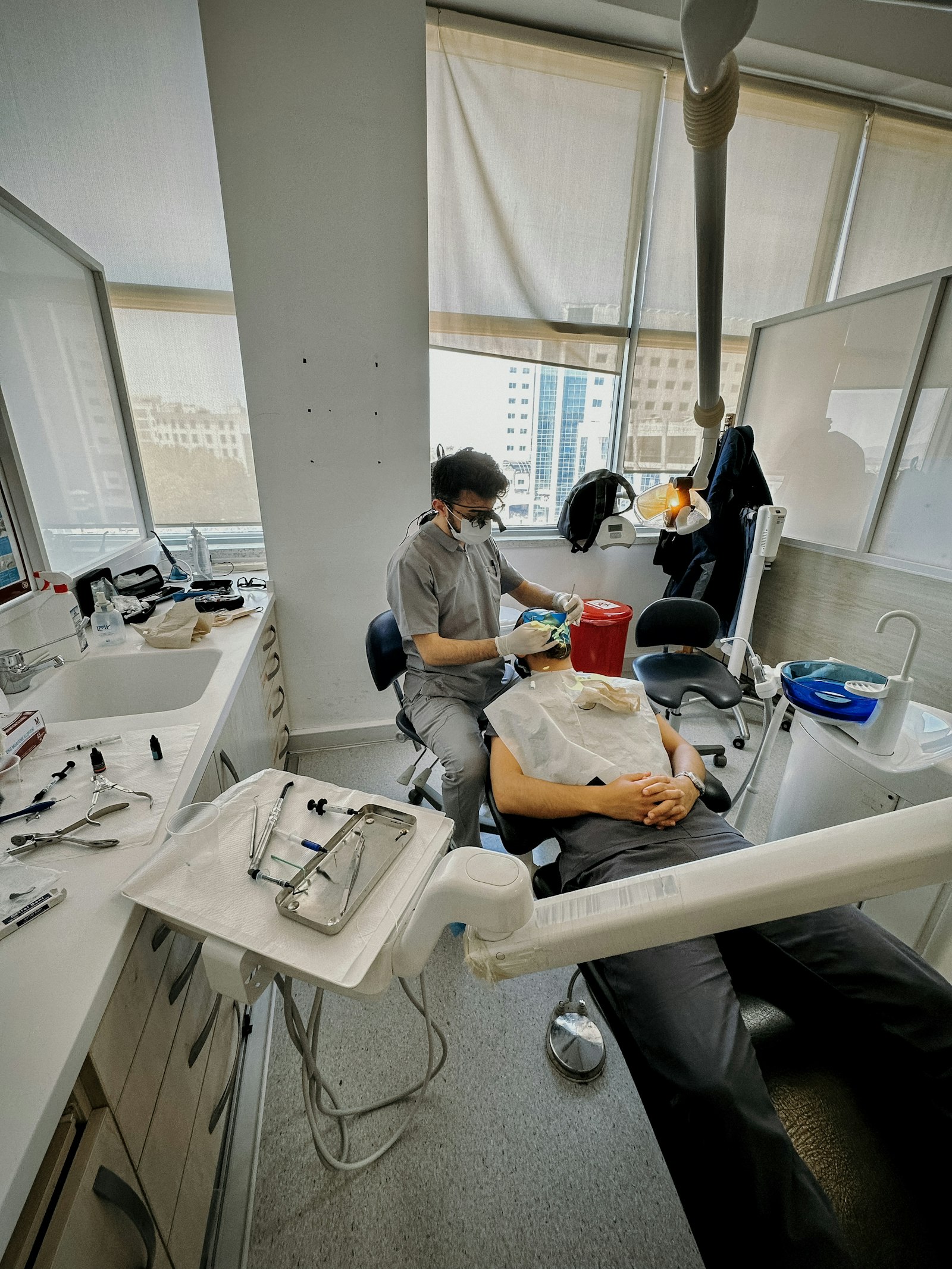

Platelet rich fibrin (PRF) in dental surgery is a healing aid made from a small sample of your own blood, spun into a soft fibrin clot that is placed in the surgical site. Studies have reported benefits for pain, swelling and soft tissue healing in some procedures, but it is not a guarantee, and not every practice offers it. This guide explains what PRF dental treatment involves, how it differs from PRP, and who should talk to their dentist first.
Key Takeaways
- PRF is made from your own blood, drawn at the appointment in a few small tubes, much like a blood test.
- The tubes are spun in a centrifuge without added anticoagulant, so a fibrin clot rich in platelets, white cells and growth factors forms.
- It may be used in extraction sockets, sinus lifts, around implants and in some gum grafting.
- Studies have reported reduced pain and swelling and better soft tissue healing in some procedures, while the evidence for bone regeneration is more mixed.
- Because it comes from your own blood, a reaction to the material itself is unlikely, but it does add a blood draw and may add cost.
- If you take blood thinners, have a bleeding disorder or a fear of needles, talk to your dentist and doctor first, and never stop a prescribed medicine on your own.
What Is Platelet Rich Fibrin?
Platelets are small blood cells that help blood clot and release growth factors, which are natural signalling proteins involved in tissue repair. Fibrin is the protein mesh that forms the framework of a blood clot. PRF brings these together: the platelets, some white cells and growth factors sit inside a fibrin matrix that can be handled like a soft membrane or plug.
The material is autologous, which means it comes from the patient. Nothing from a donor or an animal is involved in the PRF itself. This is one reason people are interested in it, and why the chance of an allergic reaction to the material is considered low.
How PRF Is Made and Used
At the appointment, a few tubes of blood are drawn from your arm, usually before the procedure starts. The tubes go into a centrifuge, a machine that spins them for a few minutes. No anticoagulant is added, so the blood clots naturally into a fibrin layer that holds the platelets and growth factors.
The clot is removed from the tube and used as a plug, membrane or filler. Depending on the procedure, it may be placed in an extraction socket, over a graft, or at a surgical site and then covered with stitches. The whole preparation usually happens while the dentist is setting up, so it does not typically add much time.
Where PRF May Be Used in Dentistry
- Extraction sockets. A PRF plug may be placed in the socket after a tooth is removed, including after wisdom teeth removal. Our guide to tooth extraction healing stages shows what normal healing looks like.
- Socket preservation. PRF is sometimes combined with graft material when ridge shape is being protected. See socket preservation after tooth extraction.
- Sinus lifts and bone grafts. It may be mixed with graft material or used as a membrane. Our article on bone grafts and sinus lifts for dental implants explains these procedures.
- Around dental implants. It may be placed around an implant to support the gum and healing, which relates to the dental implant surgery recovery timeline.
- Gum grafting. In some cases it is used in gum procedures. See gum graft surgery for background.
Not every dentist uses PRF, and it is not suitable for every case. If you are interested, you can ask at a consultation whether it suits your procedure, and where a specialist is better placed, the team at Lumi Dental can arrange a referral.
PRF Compared With PRP and No Biologic Aid
You may also hear about PRP, or platelet rich plasma. The two are related but not identical. PRP is typically prepared with an anticoagulant and a different spin, and it ends up as a liquid. PRF forms a solid fibrin matrix, and it is generally described as releasing growth factors more slowly, although how much this matters clinically is still being studied.
| Option | What it is | Source | Form | Typical use |
|---|---|---|---|---|
| PRF | Fibrin clot with platelets, white cells and growth factors | Your own blood, no anticoagulant | Soft solid plug or membrane | Sockets, sinus lifts, around implants, some gum grafting |
| PRP | Platelet concentrate in plasma | Your own blood, with anticoagulant | Liquid or gel | Mixed with graft material or applied to a site |
| No biologic aid | The body heals the site by itself, with or without a graft | Not applicable | Not applicable | Many routine extractions and procedures |
Many procedures heal well without any biologic aid, and a dentist may reasonably choose not to use PRF.
Does PRF Help Healing? What the Evidence Says
Studies have reported reduced pain and swelling and better soft tissue healing with PRF in some procedures, such as after certain extractions. Research on its effect on bone regeneration is more mixed, and results vary between studies, techniques and patient groups. PRF should be seen as a possible support for healing rather than a guarantee of a better outcome.
It also does not replace good aftercare. Following your dentist's instructions matters just as much. For example, if you smoke, healing can be affected whether or not PRF is used, and our guide on dental implants and smoking explains why. If you are worried about a painful socket after an extraction, read about dry socket versus normal healing and ring your dentist if pain increases.
Who Should Talk to Their Dentist First
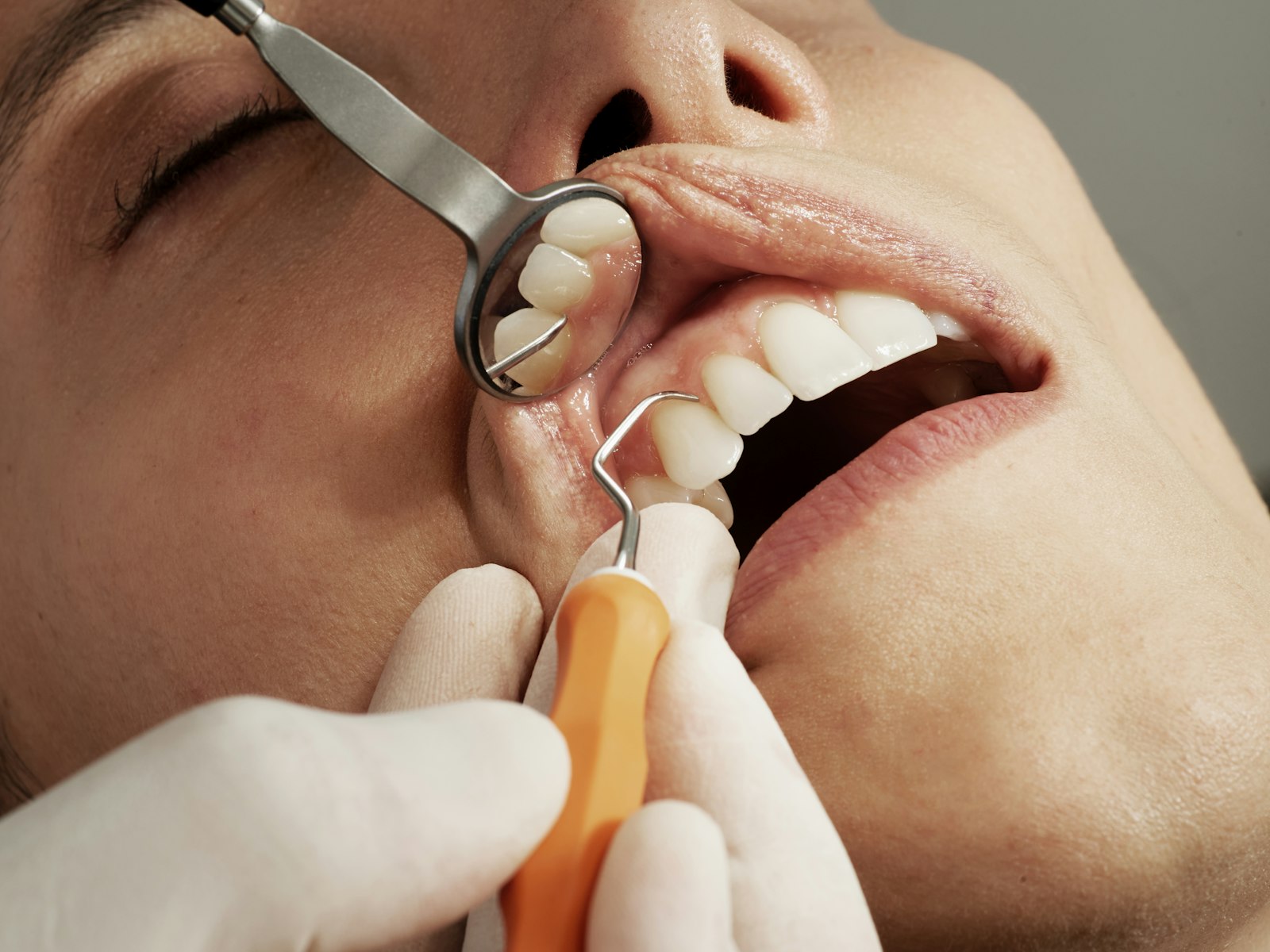
PRF is made from your own blood, so a few groups of people should raise it with their dentist, and often their doctor, before treatment:
- People on blood thinners. Your dentist needs to know about all your medicines. Never stop, skip or change a prescribed medicine, including blood thinners, without speaking to your doctor or pharmacist. Our guide to blood thinners and tooth extraction covers how dentists plan for this.
- People with a bleeding disorder. A blood draw and surgical bleeding need careful planning with your doctor.
- People who are afraid of needles. The blood draw is small, but it is still a needle, so say so early and the team can talk it through.
- People with some medical conditions. If you have a condition that affects healing or bleeding, ask whether PRF suits you.
If you have symptoms that are not dental, such as unexplained bruising or bleeding, see your GP first.
Cost, Availability and Practical Points
Not every practice offers PRF, and it may require equipment and extra preparation time, so it can add to the cost of a procedure. Health funds may not cover it. Because costs vary by clinic and case, ask for a written quote that shows what is included before you decide.
Common Questions
What is platelet rich fibrin used for in dentistry?
PRF is used as a healing aid in extraction sockets, sinus lifts, around implants and in some gum grafting. It is placed in the surgical site as a soft plug or membrane.
Is PRF made from my own blood?
Yes, PRF is made from a small sample of your own blood drawn at the appointment. Nothing from a donor is involved.
What is the difference between PRF and PRP?
PRP typically uses an anticoagulant and a different spin and ends up as a liquid, while PRF forms a solid fibrin matrix without added anticoagulant. PRF is generally described as releasing growth factors more slowly.
Does PRF reduce pain after tooth extraction?
Studies have reported reduced pain and swelling in some cases, but results vary. It is not a guarantee, and following aftercare instructions still matters.
Is PRF safe for people on blood thinners?
It depends on the person, so talk to your dentist and doctor before treatment. Never stop or change a prescribed medicine without speaking to your doctor or pharmacist.
Talking It Through With Your Dentist
If you have a procedure coming up and wonder whether PRF could help, a conversation with your dentist is the best first step. The team at Lumi Dental can talk through your options at a free consult and provide a written quote so you know what to expect. You can find out more about our everyday care on our general dentist page in Melrose Park, and see our current deals for the latest offers. If your questions relate to implants, they can go through our dental implants page.


