
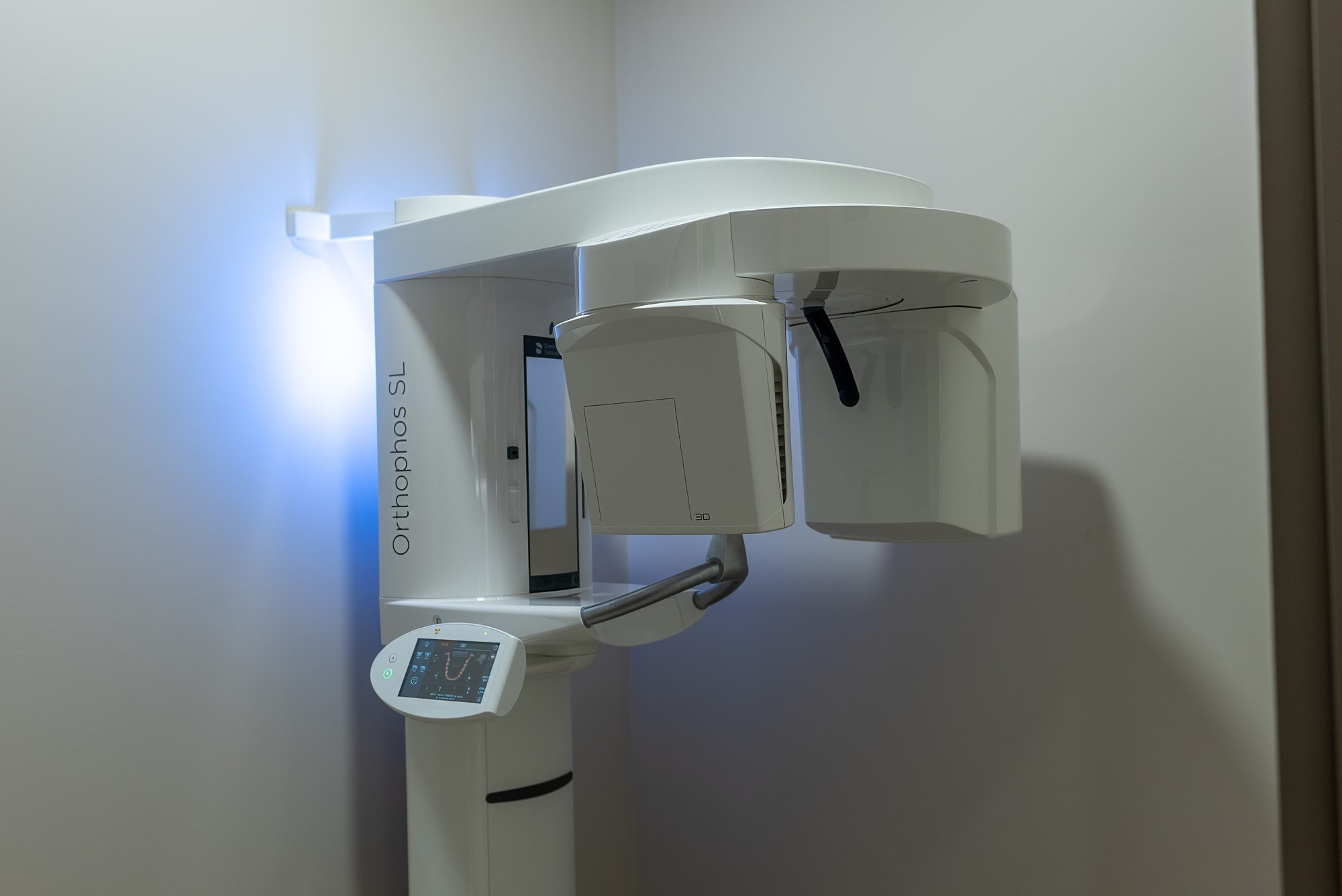

Preparing for dental implant surgery mostly comes down to three things: making sure the team has your full medical history and medicine list, arranging your time off and your trip home, and following the written instructions you were given for the night before and the morning of. Most implants are placed under local anaesthetic, and a Leeds Dental Institute leaflet for patients having restorative dental surgery, including implants, suggests allowing up to about two hours for the appointment. This guide sets out what to do in the week before, the night before and the morning of, in the order it usually happens.
Written by Dr James Tran, BDent (University of Sydney), MICOI, GradDip (Oral Implants), general dentist at Lumi Dental in Melrose Park.
The short version
- The written instructions from your treating team always come first, including over this article.
- In the week before, confirm your medical history and every medicine and supplement you take, and bring any letters from your GP or specialist.
- Arrange time off, a lift home and, if you are having IV sedation, a responsible adult to stay with you. Our guide to IV sedation for implant surgery covers the fasting and escort rules.
- Shop for soft food and have ice packs in the freezer before the day.
- On the morning, eat or fast exactly as instructed, and take your usual medicines unless the doctor who prescribes them has told you otherwise.
- Arrive a little early, with your questions written down.
The single rule: your written instructions come first
If anything in a general checklist, including this one, differs from what your treating team wrote down for you, follow the written instructions. They are based on your health, your medicines, the surgery planned and the type of anaesthetic, which a general guide cannot know.
Eating is the clearest example. The Leeds Dental Institute leaflet advises a good breakfast or lunch before surgery under local anaesthetic, and separate instructions when sedation or a general anaesthetic is planned. Check which applies to you well before the morning.
The week before
Confirm your medical history and medicines
Let the team know about anything that has changed since your consult: a new diagnosis, a hospital stay, a new medicine or a change in dose. healthdirect advises telling your doctor about every medicine you take, including over-the-counter, complementary and alternative medicines, and lists blood thinners such as aspirin, anti-inflammatory medicines and diabetes medicines among those that may need a plan before surgery.
That plan belongs to the doctor who prescribes the medicine. Never stop, skip or change a medicine on your own because surgery is coming up. Where it is needed, the team at Lumi Dental writes to your GP or specialist before planning surgery, and any letters they send back are worth bringing on the day.
Smoking, vaping and alcohol
healthdirect advises that if you smoke, you try to quit, because quitting helps recovery, and that people who drink alcohol every day drink less before surgery. For implants in particular, a meta-analysis that pooled 33 studies reported that smokers had about 1.9 times the risk of implant failure of non-smokers. If you vape, mention it at the consult as well, so the advice you receive fits you. Our article on smoking, diabetes and bone as implant risk factors goes into the detail.
Time off, transport and an escort
The Leeds leaflet suggests planning to take the rest of the day off, and notes that more time may be needed depending on how complex the surgery is and the demands of your job. If you are having IV sedation, you will need someone to take you home and stay with you, and you must not drive. Our guide to time off work and driving after dental surgery explains how much leave makes sense for different jobs and how the driving rules differ between sedation types.
Shopping for the first few days
Buy soft food you will happily eat cold or lukewarm, such as yoghurt, eggs, soups, mashed vegetables and fish. Our article on what to eat after dental implant surgery has fuller lists. Put two ice packs or bags of frozen peas in the freezer. Pick up anything prescribed before the day.
The night before
The Leeds leaflet asks patients to try to be well rested before the procedure. In my experience, the people who sleep best have packed their bag and reread their instructions before bed, so nothing is left to the morning.
- Read your fasting instructions again. Follow exactly what you were given in writing. The Better Health Channel notes that fasting instructions before day surgery include mints and chewing gum.
- Set out comfortable clothes. The Leeds leaflet suggests comfortable clothing and minimal make-up. Loose or short sleeves help if a blood pressure cuff or cannula is needed.
- Nail polish and jewellery. Remove nail polish or false nails only if your sedation instructions ask you to. Better Health's day surgery advice also suggests avoiding jewellery and contact lenses.
- Set up your bed. A spare pillow to keep your head raised helps in the first nights; our guide to sleeping after implant surgery covers positions.
If you wake up unwell, with a fever or a heavy cold, ring the practice before you set out so the team can decide with you whether to go ahead.
The morning of
Breakfast or fasting, exactly as instructed
For surgery under local anaesthetic alone, the Leeds leaflet advises having a good breakfast or lunch beforehand. For sedation, fasting is part of keeping you safe. The written instructions you received decide which applies.
Your usual medicines
Take your usual medicines at their usual times unless the doctor who prescribes them has told you otherwise, and follow any specific instructions about them that you were given in writing. Bring the medicines themselves or a current list; Better Health suggests bringing usual medicines in their original packaging.
Arriving and consent
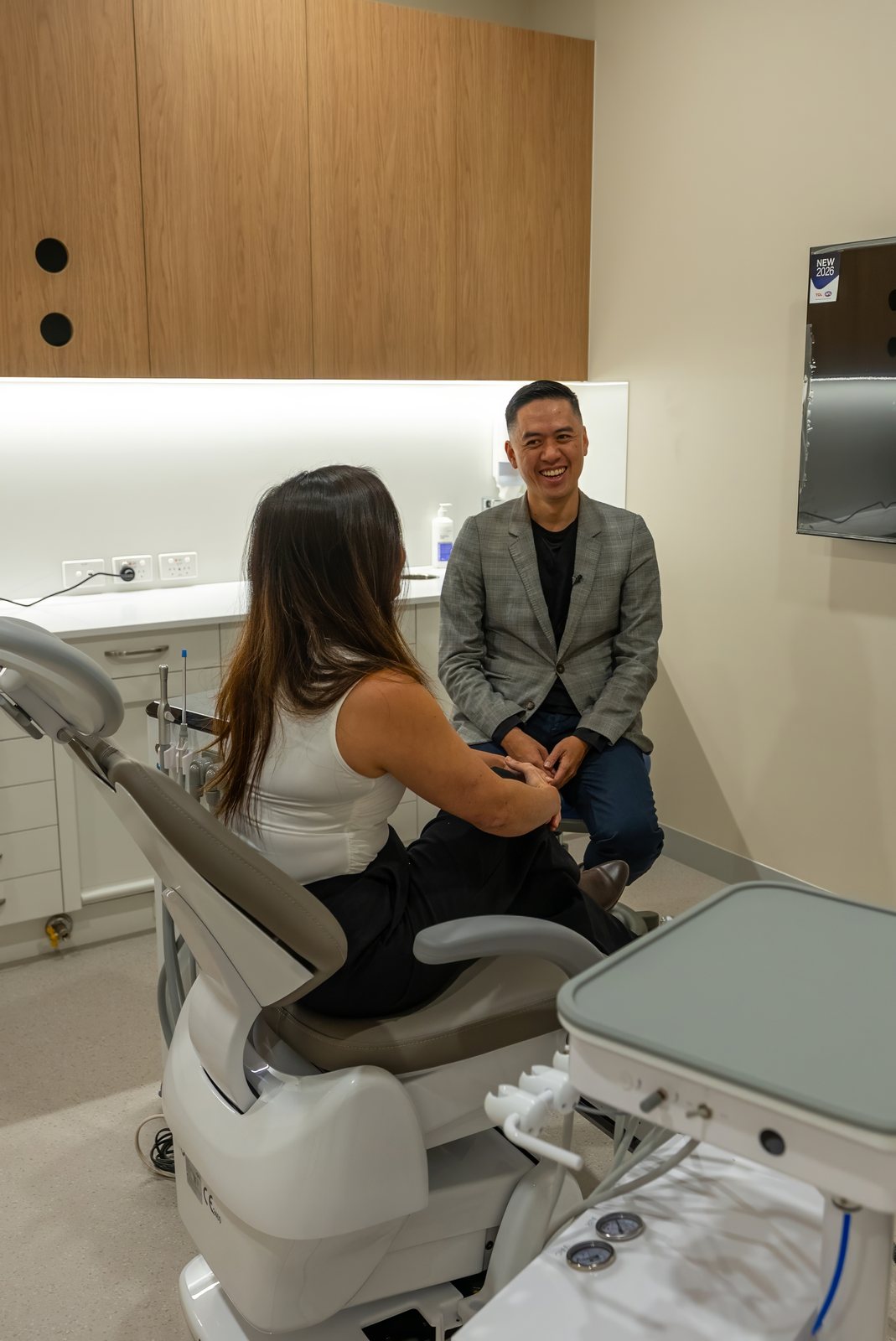
Brush your teeth as you normally would, unless you have been told otherwise. Arrive a little early so there is time to go over your medical history, check your blood pressure and sign the consent form without rushing. Bring your written questions, such as how long it will take and who to call that night. I usually go through the plan once more in the chair, so you know what each step is before it happens.

A preparation checklist
Use this as a reminder list, and cross out anything your written instructions handle differently.
| Item | Why it matters | When |
|---|---|---|
| Updated medical history and medicine list | Lets the team plan safely around your health and medicines | The week before |
| Letters from your GP or specialist | Confirms any plan your doctors have made | The week before, then bring on the day |
| Time off work booked | Leaves room for rest; more complex surgery may need longer | The week before |
| Escort and lift home | Required after IV sedation; helpful after any surgery | The week before |
| Soft food and ice packs | Saves a shopping trip while you are numb and tired | A few days before |
| Fasting instructions reread | Local anaesthetic and sedation rules differ | The night before |
| Usual medicines taken as instructed | Avoids unplanned changes on the day | The morning of |
| Written questions | Makes the consent conversation easier | The morning of |
What to have ready at home
Set things up so you can come home and stay put, with the ice packs, a clean cloth to wrap them in, the soft food, water, your pain relief and a spare pillow within reach. The Leeds leaflet advises that ice packs on the outer skin for the first two days may help reduce swelling, and that keeping your head slightly raised for two to three nights may help too.
The same leaflet asks patients to avoid alcohol and vigorous exercise for at least two days, so plan a quiet couple of days rather than a gym session or a dinner out. Keep the aftercare sheet and the practice number handy, and show them to anyone staying with you.
How we approach this at Lumi Dental
At Lumi Dental, implant surgery is planned on a 3D X-ray, and the dentist goes through your medical history and medicines at the consult and again on the day. Where a medical condition or medicine needs input, the team writes to your GP or specialist before planning surgery. You leave the planning visit with written instructions for the day, and the team can go over them by phone.
For longer or more involved surgery, or for nervous patients, IV sedation is available at the practice; read about IV sedation at Lumi Dental. Lumi Dental does not provide general anaesthetic itself and refers where it is needed.
Questions patients ask
Can I eat before dental implant surgery?
It depends on the type of anaesthetic. For local anaesthetic alone, patients are often advised to eat a normal meal beforehand; for IV sedation, there are fasting rules. Follow the written instructions you were given.
Should I take my normal medication on the day?
Usually yes, unless the doctor who prescribes it has told you otherwise or your written instructions say something different. Never stop or change a medicine on your own. If you are unsure, contact the practice before you take it.
Do I need antibiotics before an implant?
Not always. The decision depends on your health and the surgery planned, and our article on antibiotics for dental implant surgery explains how it is made. If you are given a prescription, take it exactly as directed.
What should I wear to implant surgery?
Comfortable clothes, minimal make-up and a top with loose or short sleeves. Remove nail polish only if your sedation instructions ask you to.
Can I go to work after implant surgery?
Most people take the rest of the day off, and complex surgery or a physical job may need longer. After IV sedation, guidance is not to work or drive for at least 24 hours.
Planning implant surgery? Complimentary implant consult in Melrose Park
If you are getting ready for implant surgery, or still deciding, a complimentary implant consult is a chance to go through the plan, the preparation and the recovery before anything is booked. Contact Lumi Dental to arrange a time, or read more about dental implants in Melrose Park. Patients visit from Ryde, Parramatta, Ermington and Rydalmere, with on-site parking at Melrose Central.
Sources
- Leeds Teaching Hospitals (Leeds Dental Institute): Department of Restorative Dentistry, Before and After Surgery
- healthdirect: Preparing for surgery
- Better Health Channel: Day surgery
- PLOS ONE (Chen and colleagues): Smoking, radiotherapy, diabetes and osteoporosis as risk factors for dental implant failure, a meta-analysis (PMC)
About the author

Dr James Tran is a general dentist at Lumi Dental in Melrose Park. He holds a BDent from the University of Sydney and a Graduate Diploma in Oral Implants, and is a Member of the International Congress of Oral Implantologists (MICOI).
This article is general information only and is not a substitute for an examination and individual advice from a registered dental practitioner. Suitability for any treatment varies from person to person.







