

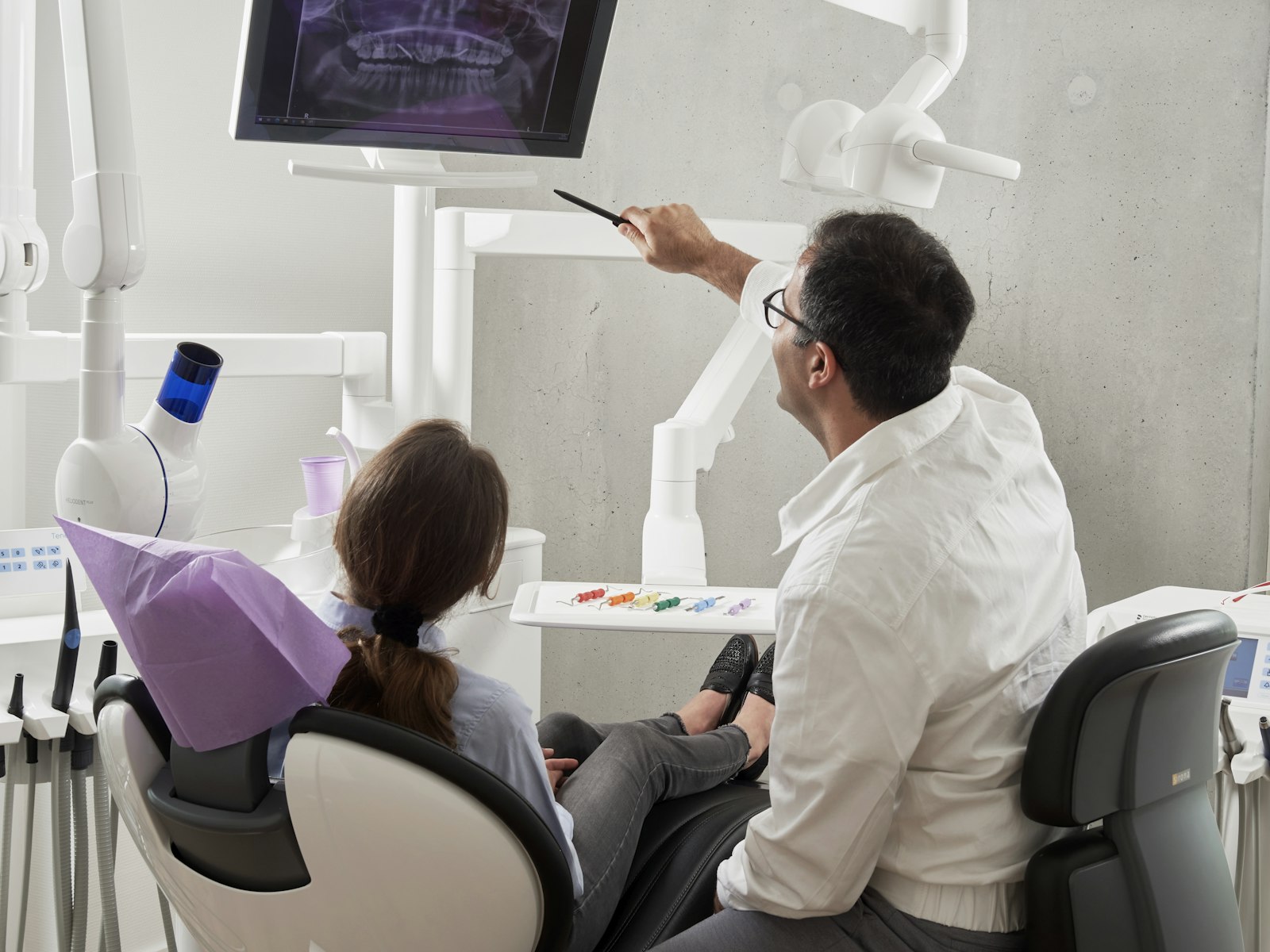

Most people feel close to normal within a few days of a root canal, with mild tenderness that settles over about a week. A root canal removes the inflamed or infected tissue from inside a tooth, which is why the severe toothache that often prompts treatment tends to ease quickly. What remains is a short period of mild soreness while the tissues around the root recover. Knowing what is normal, and what is not, makes recovery far less stressful.
Key takeaways
- Mild soreness or tenderness on biting is normal for a few days, sometimes up to a week.
- Simple pain relief is usually enough. Severe or rising pain is not expected and should be checked.
- Avoid chewing on the treated tooth until the final filling or crown is placed.
- Most root canal teeth need a crown or a strong filling afterwards to prevent fracture.
- Swelling, fever, or returning throbbing pain are reasons to contact your dentist promptly.
The first 24 hours
Your mouth may stay numb for two to four hours while the local anaesthetic wears off. Try not to eat until the numbness has gone, because it is easy to bite your cheek, lip, or tongue without feeling it. Once sensation returns you can eat, but favour the other side of your mouth and choose softer foods for the first day.
It is common to feel a dull ache or tenderness as the anaesthetic fades. This happens because the ligament and tissues around the root were inflamed before treatment and are still calming down. A temporary filling is often placed to seal the tooth between visits. It can feel slightly high or rough at first and usually settles within a day or two.

The first week
Over the following days the tenderness should steadily fade. Biting pressure on the tooth may feel odd for a while, which is why it helps to chew elsewhere. Keep brushing and flossing gently around the area to keep it clean. If a temporary filling was used, avoid sticky or hard foods that could dislodge it. Pain that is controlled by over the counter medication and improving each day is a good sign. Pain that gets worse, wakes you at night, or comes with swelling is not, and means you should ring your dentist.
Recovery timeline at a glance
| Time after treatment | What is typical |
|---|---|
| First few hours | Numbness from local anaesthetic; avoid eating until it fades |
| Day 1 to 3 | Mild ache and tenderness on biting; eased by simple pain relief |
| Day 3 to 7 | Soreness settling; tooth feels more normal day by day |
| 1 to 2 weeks | Final crown or filling placed if not already done |
Managing discomfort
For most people, an over the counter anti inflammatory such as ibuprofen, or paracetamol if you cannot take anti inflammatories, is enough to stay comfortable. Take it as directed on the packet, ideally before the anaesthetic fully wears off so you stay ahead of the discomfort. A cold compress on the cheek for short periods can help if there is any puffiness. Rest for the remainder of the day and avoid strenuous exercise, which can increase throbbing.
Why the tooth usually needs a crown
A tooth that has had a root canal has lost its internal blood supply and often has a large cavity or old filling, which makes it more brittle. Back teeth in particular take heavy chewing forces and can crack without protection. That is why a crown, or sometimes a strong bonded filling, is usually recommended to seal and reinforce the tooth. You can read more in our guides on whether a root canal tooth always needs a crown and what getting a crown involves. Until that final restoration is placed, treat the tooth gently.
When to contact your dentist
Ring your dentist if you notice increasing pain rather than improvement, swelling of the gum, cheek, or face, a fever, a bad taste from the area, or if a temporary filling comes out. These can be signs the tooth needs review. Occasionally a treated tooth flares up and needs retreatment or, rarely, minor surgery at the root tip. Most cases heal smoothly. If you are still weighing up your options, our guide on root canal versus extraction may help.
Frequently asked questions
How long does pain last after a root canal?
Mild tenderness usually lasts a few days and settles within about a week. Pain that increases or persists beyond that should be reviewed.
Can I go to work the next day?
Most people return to normal activities the same day or the next day. You may prefer to take it easy for the first evening.
What can I eat after a root canal?
Once the numbness has gone, eat soft foods and chew on the opposite side until the final restoration is placed. Avoid hard and sticky foods on the treated tooth.
Is it normal for the tooth to feel different when biting?
Yes, some tenderness to biting is normal while the tissues around the root settle. If a temporary filling feels too high after a few days, ask your dentist to check it.
How long until I need the crown?
A crown or final filling is usually placed within a couple of weeks. Delaying it too long raises the risk of the tooth cracking.
Looking after your treated tooth
A root canal tooth can last for many years with good care. Keep up regular brushing, flossing, and check ups so the tooth and the restoration on top of it stay healthy. If you are due for a visit, you can see current options on our offers page or book a check up with the team at Lumi Dental.
This article is general information and is not a substitute for personal dental advice. If you have pain, swelling, or concerns after treatment, contact your dentist.

