

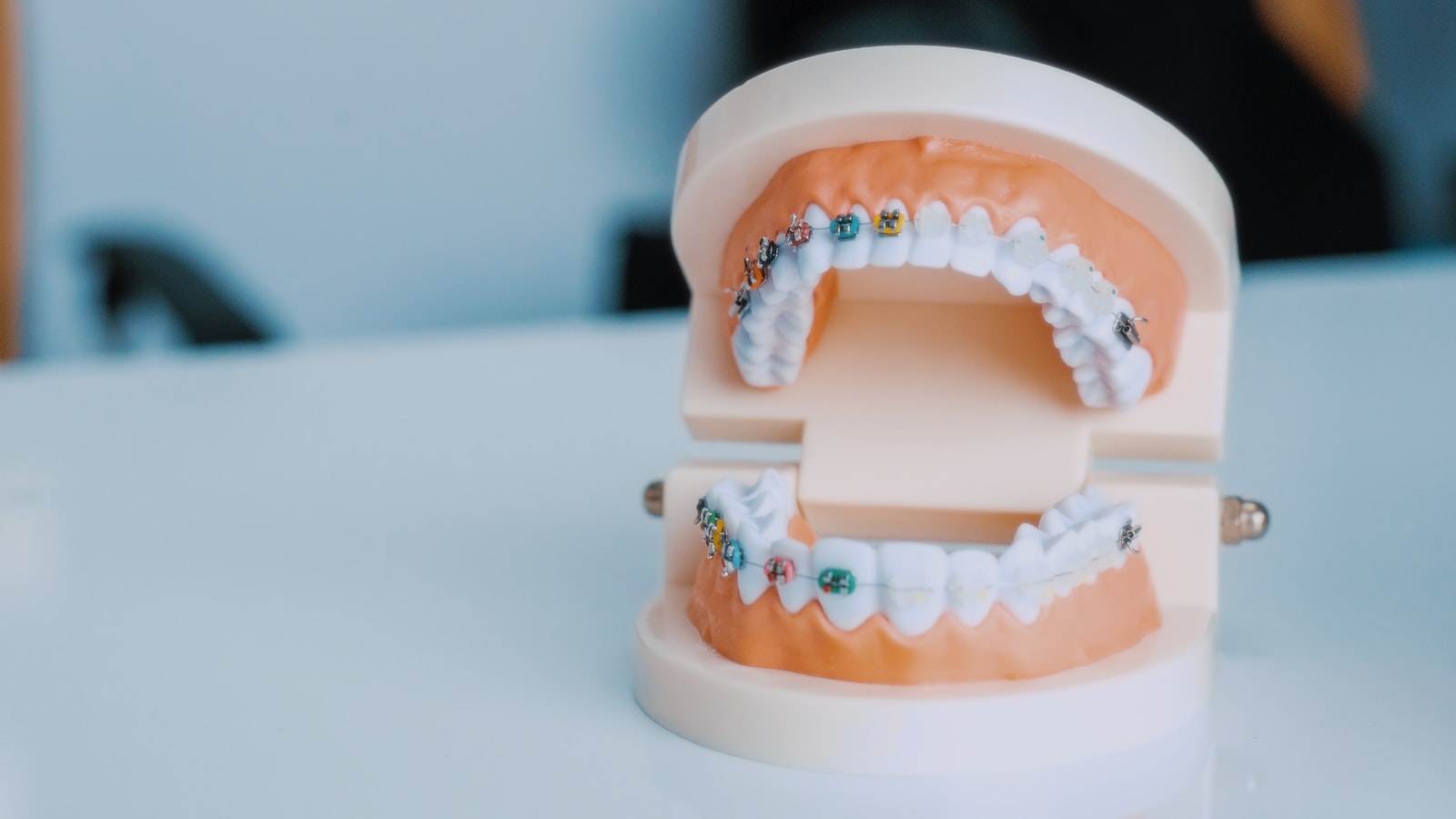

Getting a dental crown usually takes two visits about one to two weeks apart. At the first, the dentist shapes the tooth and fits a temporary crown. At the second, the permanent crown is bonded into place. The whole process is done under local anaesthetic and is more straightforward than most people expect. This guide walks through each step, what it feels like, the same-day alternative, and how to make a crown last.
Key takeaways
- A traditional crown is a two-visit process, usually one to two weeks apart.
- The first visit shapes the tooth and fits a temporary crown; the second fits the permanent one.
- A temporary crown is meant to last only a couple of weeks, so it needs a little care.
- Some practices offer same-day crowns milled in the chair, avoiding the temporary stage.
- With good care, crowns commonly last 10 to 15 years or more.
Why a tooth needs a crown
A crown is a custom cap that covers a whole tooth to restore its strength and shape. It is often recommended when a tooth is heavily broken down, has a very large filling, has cracked, or has had root canal treatment and needs protecting. If you are weighing a crown against a smaller repair, our guide to inlays, onlays, crowns and fillings explains where each fits, and whether a root canal tooth needs a crown covers that common situation.
Visit one: preparing the tooth
The first appointment is the longer of the two, usually 60 to 90 minutes. After numbing the area, the dentist reshapes the tooth so the crown can fit over it, removing any decay or weak structure. If a lot of tooth is missing, a build-up or a post and core may be placed first to give the crown something solid to sit on, as our guide to post and core explains. A scan or impression is then taken and sent to the lab, and a temporary crown is fitted to protect the tooth while the permanent one is made.

Living with the temporary crown
A temporary crown is only designed to last the week or two until the permanent one is ready. It is held with a soft cement so it can be removed easily later, which means it can come loose. To look after it, avoid hard and sticky foods on that side, and when flossing, slide the floss out sideways rather than pulling up, so you do not lift the temporary off. Mild sensitivity to cold is normal during this stage.
Visit two: fitting the permanent crown
The second visit is shorter. The dentist removes the temporary crown, checks that the permanent one fits well and matches your other teeth in colour and shape, and confirms your bite feels even. Once everything is right, the crown is bonded or cemented firmly into place. A little pressure is normal, but it should not be painful. Within a day or two most people forget it is there.
The same-day alternative
Some practices have in-chair milling technology that designs and makes a ceramic crown while you wait, so the whole thing is done in one visit with no temporary. It is not available everywhere and is not suitable for every tooth, but it can be convenient. Our guide to same-day crowns explains how it works and whether they last as well.
How long crowns last and what they cost
With good care, most crowns last 10 to 15 years, and many last longer. Lifespan depends on the material, the health of the tooth underneath, and habits such as grinding. The material also affects both appearance and cost, which our guides to types of dental crowns and dental crown cost cover in general terms.
Frequently asked questions
Does getting a crown hurt?
No. The tooth is numbed with local anaesthetic for the preparation, and fitting the permanent crown is usually painless. Some mild sensitivity afterwards is normal and settles.
How many visits does a crown take?
A traditional crown takes two visits, usually one to two weeks apart. Same-day crowns, where available, can be done in a single visit.
How long does a temporary crown last?
A temporary crown is designed to last only the two weeks or so until the permanent one is ready. If it comes off, keep it and contact your dentist.
Can I eat normally with a crown?
Once the permanent crown is bonded, you can eat normally. During the temporary stage, go easy on hard and sticky foods on that side.
How long do crowns last?
Most last 10 to 15 years or more with good oral hygiene and by avoiding habits like chewing ice. Grinding can shorten their life, so a night guard may help.
The bottom line
A crown is a routine, well-tolerated way to save and strengthen a damaged tooth, usually across two comfortable visits. If you have been told you need one, understanding the steps takes the worry out of it. To ask about treatment or see current offers, visit our offers page. This article is general information and not a substitute for advice from your dentist.

