

Waking up with a sore, tight or clicking jaw is common, and many people are surprised to learn that the way they sleep can play a part. Sleep position and jaw pain are often linked, because lying on your jaw, stomach or a poorly supported neck can load the jaw joint and muscles for hours, although clenching and grinding are frequent contributors too. Position is rarely the only cause, but it is one of the easier factors to change. This guide looks at how side, stomach and back sleeping affect the jaw, what pillow height has to do with it, and when it is time to see a dentist.
Key Takeaways
- Sleeping on your back with your head and neck well supported is often the gentlest position for the jaw.
- Stomach sleeping twists the neck and can press on the jaw joint, so it is the position most often linked with morning jaw ache.
- Side sleeping can be fine, but resting your face on your hand or sleeping on the same side every night may add strain.
- Pillow height matters: a pillow that is too high or too low can tilt the head and tighten the muscles around the jaw.
- Clenching and grinding at night are separate causes that can combine with a poor sleep position.
- Jaw pain that lasts more than a couple of weeks, or comes with locking or headaches, is worth a dental check.
How the jaw and neck work together
The jaw joint, called the temporomandibular joint or TMJ, sits just in front of each ear. It works with a network of muscles that run through the face, temples and neck. Because these muscles are linked, a stiff or strained neck can send tension up into the jaw, and the reverse can also happen. Our article on neck posture and referred jaw pain explains why pain felt in the jaw does not always start there.
During sleep, your body stays in one position for hours. If that position keeps the head tilted, the jaw pushed to one side or the muscles under steady load, the result can be an aching jaw in the morning that eases later in the day.
Back, side and stomach sleeping compared
| Position | Effect on the jaw and neck | Things to consider |
|---|---|---|
| Back | Head and neck stay in line, so the jaw is usually under less pressure | A pillow that is too thick can push the chin towards the chest |
| Side | Can be comfortable, but the lower side of the face may take pressure | Keep the head level with the spine, and avoid resting the jaw on your fist |
| Stomach | The head turns to one side for hours, which may strain the neck and jaw joint | Often linked with one-sided jaw ache and stiffness |
None of these is right for everyone. Comfort, snoring, pregnancy, shoulder problems and other health needs all affect what is practical, so treat this as a guide rather than a rule.
Back sleeping
Lying on your back tends to let the jaw rest in a neutral position, with the weight spread across the head and shoulders. A supportive pillow that keeps the neck in a natural curve helps. One thing to note is that people who snore or have sleep apnoea sometimes find back sleeping worsens it, so speak to your doctor if that applies to you.
Side sleeping
Many people sleep on their side. The aim is to keep the head in line with the spine, so the neck is not bent up or down. A pillow that fills the gap between your ear and shoulder usually helps. Try not to press your face into the pillow or rest your hand under your jaw, as this can push the joint out of its comfortable position.
Stomach sleeping
With the face turned sideways, the neck rotates and the jaw may be pushed to one side for hours. In my experience, patients who wake with pain on one side of the jaw often sleep on their stomach, although other causes still need to be ruled out. If you are unable to switch positions, a thin pillow, or a pillow under the hips and stomach, may reduce the twist.

Pillow height and support
The right pillow keeps your head level with your spine rather than tilted up or down. A good starting point:
- Back sleepers often do well with a medium pillow that supports the neck curve without pushing the chin forward.
- Side sleepers typically need a firmer, taller pillow to fill the space between the ear and the shoulder.
- Stomach sleepers, if they stay in that position, are usually better with a very thin pillow or none under the head.
Stacking several pillows, or using one that has collapsed with age, can leave the head at an awkward angle all night. If you wake with a stiff neck as well as a sore jaw, your pillow may be worth reviewing.
Clenching and grinding: the other piece of the puzzle
Sleep position is only part of the story. Many people clench or grind their teeth during sleep without realising, a habit known as bruxism. This keeps the jaw muscles working hard all night and is a very common cause of morning jaw ache, headaches and worn teeth. If you are not sure which you do, our guide to jaw clenching vs teeth grinding explains the difference, and our overview of teeth grinding in adults covers the signs to look for.
Position and clenching can combine. A stomach sleeper who also clenches may load the joint from two directions, which is one reason improving your pillow alone does not always settle the problem.
Simple changes you can try at home
- Switch towards back or side sleeping gradually, using a pillow to help you stay in position.
- Choose a pillow that suits your sleep position and replace it when it flattens.
- Avoid resting your chin or jaw on your hand while sleeping or reading in bed.
- Keep your teeth slightly apart and your tongue resting gently on the roof of your mouth during the day.
- Apply a warm cloth to the jaw muscles in the morning to ease stiffness.
- Reduce chewing gum and very chewy foods while the jaw is sore.
Gentle stretches may also help. Our article on TMJ jaw exercises for self-help pain relief outlines some, but stop if anything makes the pain worse.
When to see a dentist
It is sensible to book a check-up if you notice any of the following:
- jaw pain that lasts longer than a couple of weeks
- clicking, popping or locking when you open and close your mouth
- frequent morning headaches or ear discomfort
- worn, chipped or sensitive teeth
- difficulty opening your mouth fully
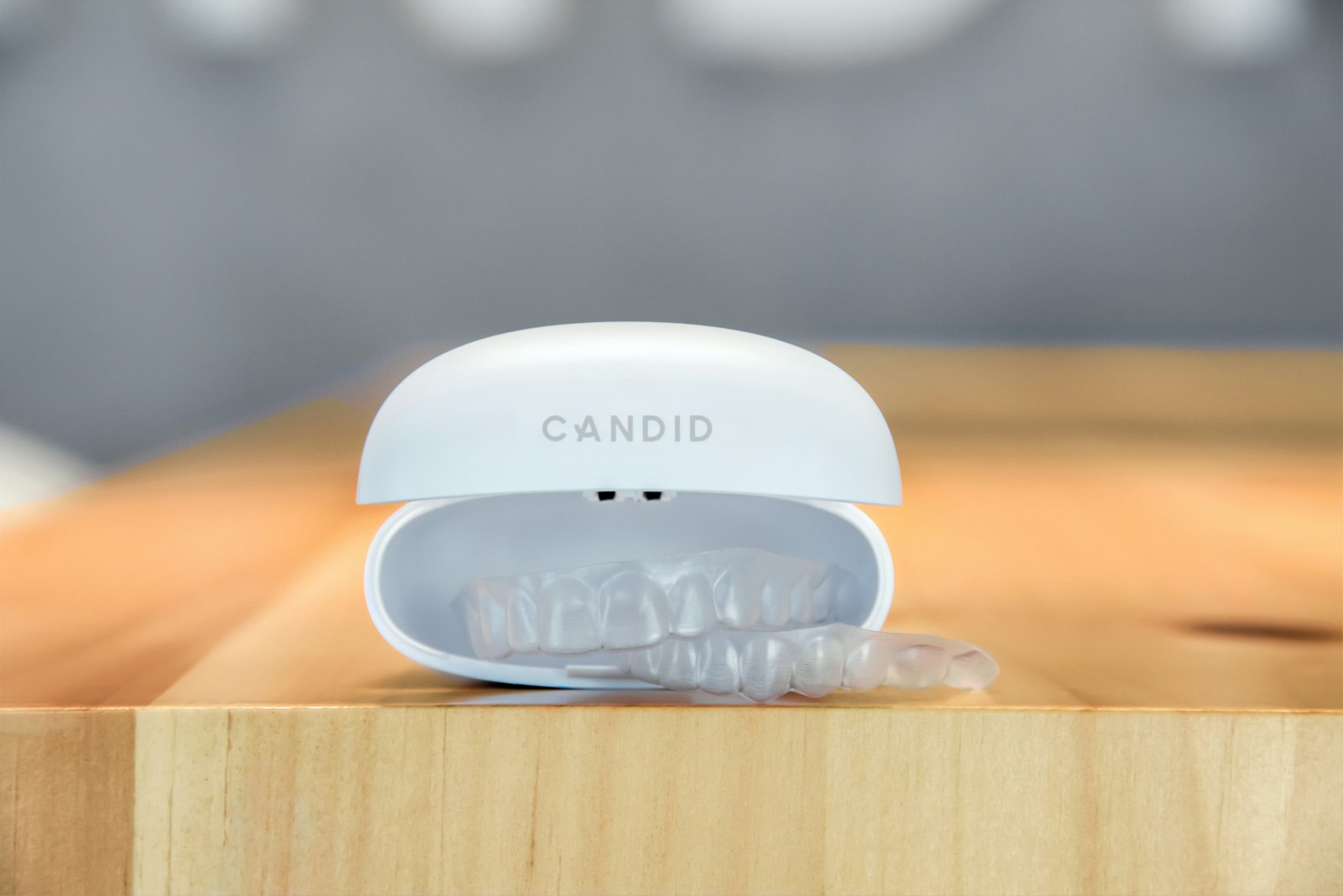
A dentist can examine the joint, muscles and teeth, and may suggest a custom night guard to protect your teeth and reduce muscle load. A night guard is not the same as a sports mouthguard, and our comparison of the night guard vs mouthguard explains why it matters. For wider background on joint problems, see our guide to TMJ jaw pain causes and treatment. If the pain is severe, follows an injury or comes with chest pain or other sudden symptoms, seek medical help promptly rather than waiting for a dental appointment.
Common Questions
Can sleeping on my side cause jaw pain?
It can, especially if you sleep on the same side every night, press your face into the pillow or rest your hand under your jaw. Keeping your head level with your spine and varying sides may help.
What is the best sleeping position for TMJ pain?
Many people find sleeping on the back with good neck support is gentlest on the jaw. The best position depends on your own comfort and health, so it is worth discussing with your dentist or doctor.
Why does my jaw hurt more in the morning?
Overnight clenching, grinding or a strained sleep position can keep the jaw muscles tense for hours. The ache then often eases as you move and eat during the day.
Will a pillow fix my jaw pain?
A better pillow may help if posture is a factor, but it may not be enough on its own if you also clench or grind. A dental assessment can sort out which causes are involved.
Do I need a night guard?
Not everyone does. If an examination shows signs of clenching or grinding, a custom night guard may protect your teeth and reduce strain. Our night guard cost guide outlines what to expect.
Book a jaw check with the team at Lumi Dental
If you keep waking with a sore jaw, the team at Lumi Dental can look at your bite, jaw joints and muscles and talk through the options. Book a check-up with a general dentist in Melrose Park and ask for a written quote for any recommended treatment, so you know what is involved before you decide. You can also see our current deals for new and returning patients.


