


Sugar-free does not automatically mean tooth-safe, because many sugar-free cough syrups, laxatives and liquid medicines are still acidic enough to soften tooth enamel even though they contain no sugar at all. Parents and patients are often relieved to see "no added sugar" or "sugar-free" on a medicine label, and understandably so, since ordinary sugar is one of the clearest drivers of tooth decay. But the sweeteners used to replace sugar, usually sugar alcohols such as sorbitol, xylitol or maltitol, are only part of the story. The citric acid, flavouring acids and preservatives used to make these liquids palatable can erode enamel through a completely different mechanism, one that has nothing to do with feeding decay-causing bacteria. Understanding the difference between decay risk and erosion risk is the key to using these products safely, especially for children, older adults and anyone taking regular liquid medicine for a chronic condition.
Key Takeaways
- "Sugar-free" liquid medicines replace sugar with sugar alcohols like sorbitol, xylitol or maltitol, which mostly do not feed the bacteria that cause cavities.
- Many sugar-free syrups are still acidic, and that acidity can soften and erode enamel even without any fermentable sugar present.
- Xylitol is the one sugar alcohol with genuine protective evidence, while sorbitol is simply less harmful than sugar rather than actively beneficial.
- Large amounts of sorbitol, more common in laxatives and some paediatric formulations, can cause bloating, cramping or diarrhoea in sensitive people.
- How long a liquid medicine sits against the teeth, and how often it is taken each day, matters as much as its ingredient list.
- Rinsing with plain water after a dose, and avoiding brushing immediately after an acidic liquid, can meaningfully reduce erosion risk.
- Never stop or change a prescribed medicine because of a dental concern. Always talk to your GP or pharmacist first.
What "Sugar-Free" Actually Means on a Medicine Label
When a liquid medicine is labelled sugar-free, it typically means sucrose, glucose or fructose has been left out or replaced. In their place, manufacturers use sugar alcohols (also called polyols), a category that includes sorbitol, xylitol, maltitol and mannitol. These compounds taste sweet but are metabolised differently by the mouth's bacteria and by the digestive system. From a dental perspective, this matters because the bacteria most associated with tooth decay, particularly Streptococcus mutans, thrive on fermentable sugars. Sugar alcohols are far harder for these bacteria to use as fuel, so a sugar-free syrup is genuinely less likely to feed a cavity-causing bacterial colony than the sugar-sweetened version of the same product.
That is a real and useful distinction, and it is one reason sugar-free versions of children's medicine, cough syrup and even some vitamin supplements are worth choosing over sugar-sweetened alternatives where a choice exists. Our related article on sugar in children's liquid medicines goes into more detail on why this distinction matters for young, still-developing teeth.
Sorbitol, Xylitol and Maltitol Are Not Interchangeable
It is tempting to treat all sugar alcohols as equivalent, but they behave differently in the mouth. Xylitol has been studied specifically for dental benefit and appears to actively discourage the growth of decay-causing bacteria over time, which is why it is used deliberately in some sugar-free chewing gums and lozenges. Sorbitol and maltitol, by contrast, are simply less fermentable than sugar rather than actively protective. They are considered low-cariogenic, meaning they carry a low risk of feeding decay, but they are not doing anything positive for your enamel the way xylitol may be.
Why a Sugar-Free Liquid Can Still Harm Your Teeth
The part of this picture that catches most people out is acidity. Enamel does not need sugar to be damaged. It needs acid, held against the tooth surface for long enough to soften the mineral structure. Many liquid medicines, sugar-free or not, are formulated with citric acid, ascorbic acid or other flavouring acids to mask the taste of the active ingredient and give the syrup a pleasant, tart flavour that children in particular will tolerate. Laboratory studies comparing sugar-containing and sugar-free paediatric medicines with a low, acidic pH have found that some sugar-free formulations can be just as erosive, or in certain cases more erosive, than their sugar-sweetened equivalents, because the erosive potential is driven by pH and titratable acidity rather than by sugar content at all.
This is a genuinely different mechanism from tooth decay. Decay is a bacterial process, where acid is produced by bacteria fermenting sugar over hours. Erosion is a direct chemical process, where the acid in the product itself dissolves tooth mineral on contact, regardless of what bacteria are doing. A sugar-free medicine can score well on the first measure and poorly on the second.

Frequency and Contact Time Matter More Than a Single Ingredient
A one-off dose of an acidic sugar-free cough syrup during a short illness is unlikely to cause any lasting damage. The concern grows when a liquid medicine is taken multiple times a day, for weeks or months, as is common with regular reflux medication, some long-term paediatric prescriptions, or laxatives used by older adults. Frequent, repeated acid exposure gives enamel less time to recover between doses, since saliva needs time to buffer acid and help redeposit minerals. People taking decongestants or cold and flu liquids regularly through winter, or those on long-term corticosteroid liquids, face a similar pattern of repeated exposure worth being aware of. Our articles on decongestants and cold medicines and on prednisone and other oral corticosteroids cover related medication-related oral health considerations in more depth.
Sorbitol's Other Side Effect: Digestive Upset
Sorbitol has a second, non-dental quirk worth knowing about. Because the body absorbs it slowly and incompletely, larger amounts can draw water into the bowel and be fermented by gut bacteria, which is exactly why sorbitol is used deliberately as a mild laxative in some products. In liquid medicines that are not intended to be laxatives, a high sorbitol content taken in large or frequent doses can still cause bloating, cramping, wind or loose stools in sensitive individuals, particularly children and people with irritable bowel symptoms. This is a dose-dependent effect rather than a sign anything is wrong, but it is a reasonable question to raise with a pharmacist if a liquid medicine seems to be causing new digestive symptoms.
Comparing Sugar, Sorbitol and Xylitol Sweetened Products
| Sweetener type | Typical decay (cariogenic) risk | Typical erosion risk | Other considerations |
|---|---|---|---|
| Sugar (sucrose, glucose) | High, directly feeds decay-causing bacteria | Varies by product acidity | Most straightforward to reduce by choosing a sugar-free alternative |
| Sorbitol / maltitol | Low, poorly fermented by most oral bacteria | Can still be significant if the formulation is acidic | Large or frequent doses may cause bloating or loose stools |
| Xylitol | Low, and may actively discourage decay-causing bacteria over time | Depends on the product's acidity, not the xylitol itself | Considered the most tooth-friendly sugar alcohol currently available |
A Practical Routine for Regular Liquid Medicine Users
None of this is a reason to avoid necessary medicine. It is a reason to build a few small habits around how it is taken.
- Where a prescriber or pharmacist confirms a sugar-free option is suitable, choose it over the sugar-sweetened version.
- Rinse the mouth with plain water straight after an acidic liquid medicine, rather than nothing at all.
- Avoid brushing for around 30 to 60 minutes after an acidic dose, since enamel is temporarily softened and brushing straight away can wear it further.
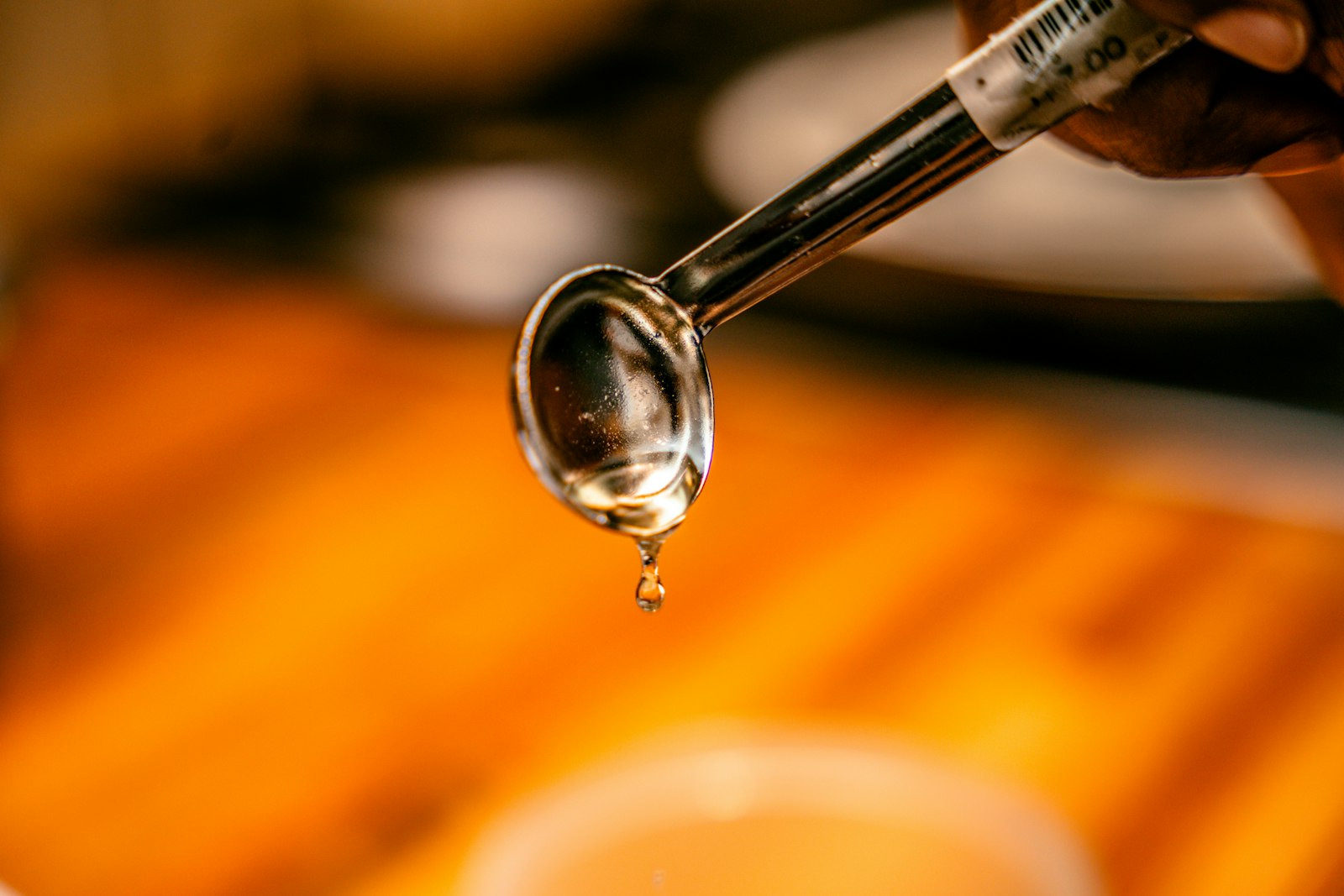
- Use a dosing spoon or syringe aimed toward the back of the mouth rather than swishing the liquid around the front teeth.
- Keep up a fluoride toothpaste routine twice daily, since fluoride helps enamel recover mineral it has lost to acid exposure.
- Mention any long-term liquid medicine to your dentist at your regular check-up, so erosion can be monitored early.
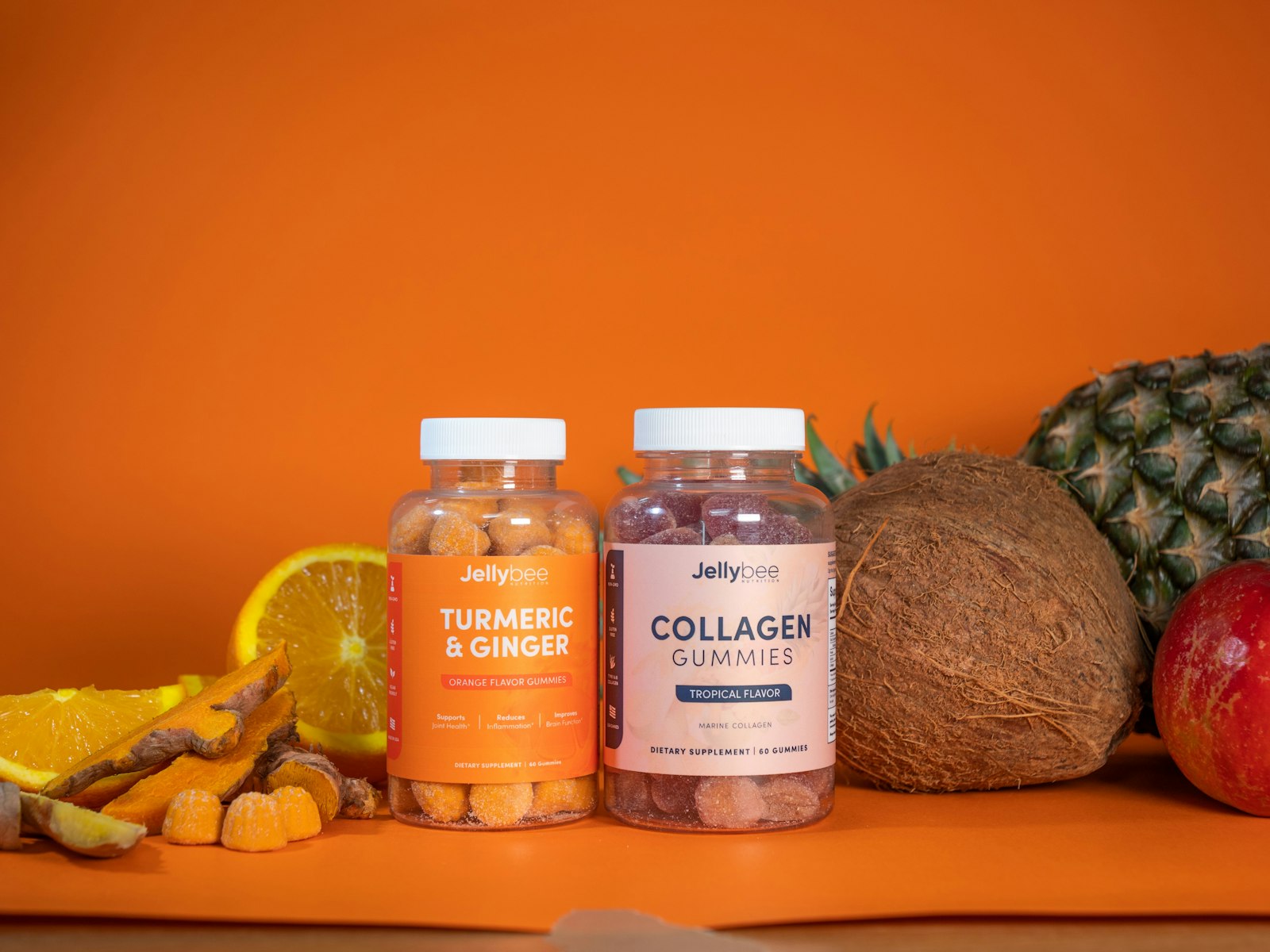
This same logic applies to other sugar-free products people assume are automatically tooth-friendly, including some gummy vitamins and effervescent tablets. Our article on gummy vitamins and effervescent tablets covers a very similar acidity trap in more detail.
Common Questions
Is sugar-free cough syrup bad for your teeth?
Sugar-free cough syrup is generally lower risk for tooth decay than a sugar-sweetened version, but it can still be acidic enough to contribute to enamel erosion if taken frequently over a long period.
Does sorbitol cause cavities?
Sorbitol is poorly fermented by the bacteria that cause cavities, so on its own it carries a low decay risk, though the acidity of the product it is mixed into can still be a separate erosion concern.
Is xylitol actually good for teeth?
Yes, xylitol is the one sugar alcohol with reasonable evidence behind it for discouraging the growth of decay-causing bacteria over time, which is why it is used in some dental-specific gums and lozenges.
Can too much sorbitol upset your stomach?
Yes, large or frequent amounts of sorbitol can draw water into the bowel and be fermented by gut bacteria, leading to bloating, cramping or loose stools in some people, particularly children.
Should I stop giving my child sugar-free medicine because of these acids?
No, never stop or change a prescribed or recommended medicine because of a dental concern without speaking to your GP or pharmacist first. Instead, focus on rinsing with water afterwards and maintaining a good brushing routine.
How can I tell if a liquid medicine is acidic?
The label will not usually state a pH value, so the safest approach is to assume any flavoured liquid medicine could be mildly acidic and to build in a water rinse afterwards regardless of its sugar content.
If you or your child take a liquid medicine regularly and you are noticing new sensitivity, thinning enamel or a change in how your teeth look, it is worth having it checked rather than guessing. The team at Lumi Dental can take a look, talk through a practical routine that fits around your medication, and offer a free consult and written quote for any treatment that might help. You can also see the current deals page for current offers, or learn more about routine checkups at our general dentist page.

