


Many children's liquid medicines contain sugar to make them taste better, and frequent or long-term doses, especially at night, may raise the risk of tooth decay. A short course of antibiotics is unlikely to cause lasting harm on its own, but daily syrups over months can add up. The good news is that a few simple habits can protect little teeth without changing the medicine itself. This guide explains how sugar in children's liquid medicine can affect teeth and what parents can do about it.
Never skip, dilute or change a child's medicine to protect their teeth. If you have concerns, talk to your GP or pharmacist, who can check whether a suitable alternative exists.
Key Takeaways
- Many paediatric syrups and suspensions are sweetened with sugars such as sucrose or glucose, and some are also acidic.
- The risk comes mainly from frequency: repeated doses, long-term use and night-time doses after brushing.
- Ask your pharmacist whether a sugar-free version is available and suitable for your child.
- Giving doses with meals where allowed, offering water afterwards and using an oral syringe towards the cheek can help.
- Fluoride toothpaste in the right amount and fluoride varnish add extra protection.
- Children on long-term medicines may benefit from more frequent dental reviews.
Why Children's Medicines Contain Sugar
Getting a child to take medicine can be a real challenge. Manufacturers add sweeteners to liquid medicines to mask bitter flavours, which helps children take the full dose. Sugars can also act as a thickener and preservative.
Common sweeteners include sucrose (table sugar), glucose and fructose. Some products use sugar alcohols such as sorbitol, or other sugar-free sweeteners. Sorbitol is far less likely to cause decay than sucrose, though it is not entirely free of risk. The amount of sugar varies widely. One laboratory analysis of 42 commonly prescribed children's liquid medicines found sucrose concentrations ranging from under 1% to almost 80%.
Some syrups are also acidic, which means they can soften tooth enamel slightly, separate from any sugar effect. This matters most when doses are frequent.
How to check what is in a medicine
The ingredients are listed on the box and in the Consumer Medicine Information (CMI) leaflet, which your pharmacist can print for you. Look for words such as sucrose, glucose, glucose syrup, fructose, maltitol or sorbitol. Terms like sugar-free or no added sugar usually appear on the front of the pack. If the list is confusing, your pharmacist can explain it in a minute or two and tell you whether a sugar-free equivalent with the same active ingredient and strength is available. It is worth asking at the counter each time a new liquid medicine is started, because formulations and brands can differ.
How Liquid Medicines Can Affect Little Teeth
Tooth decay happens when bacteria in plaque feed on sugar and produce acid. Each exposure causes an acid attack that lasts for a while after the sugar is gone. Teeth can recover between attacks, helped by saliva and fluoride, but frequent exposures leave less recovery time.
Frequency matters more than amount
A single dose contains only a small amount of sugar. The concern is the pattern: two, three or four doses a day, every day, for weeks or months. For a child with a chronic condition such as asthma, epilepsy or a kidney condition, that pattern can continue for a long time. Research on children taking long-term liquid medicines has reported higher levels of decay compared with children who were not, although many factors contribute.
Night-time doses
Saliva flow drops during sleep, so sugar or acid left on the teeth overnight has more time to do damage. A dose given after bedtime brushing, with nothing to rinse it away, is the pattern most worth adjusting where the medicine schedule allows.
Baby teeth are more vulnerable
Baby teeth have thinner enamel than adult teeth, so decay can spread more quickly. Baby teeth also matter: they help with eating, speech and holding space for adult teeth.
Practical Ways to Protect Your Child's Teeth
These steps work alongside your child's medicine. Always follow the dosing instructions from your doctor or pharmacist.
- Ask about sugar-free versions. Many common medicines, including some paracetamol and ibuprofen liquids, come in sugar-free forms. Your pharmacist can tell you whether one suits your child. For some medicines, a chewable or dispersible tablet may be an option for older children.
- Give doses with meals where the instructions allow. Saliva flow is higher at mealtimes, which helps clear sugar more quickly. Some medicines must be taken on an empty stomach, so check first.
- Offer water afterwards. A few sips of water or a gentle rinse after the dose helps wash away leftover syrup.
- Use an oral syringe aimed at the inside of the cheek. This is also safer for swallowing and reduces contact with the front teeth.
- Plan around bedtime brushing. Where the prescribed timing allows, give the evening dose before brushing rather than after. If a dose must be given after brushing or overnight, offer water afterwards.
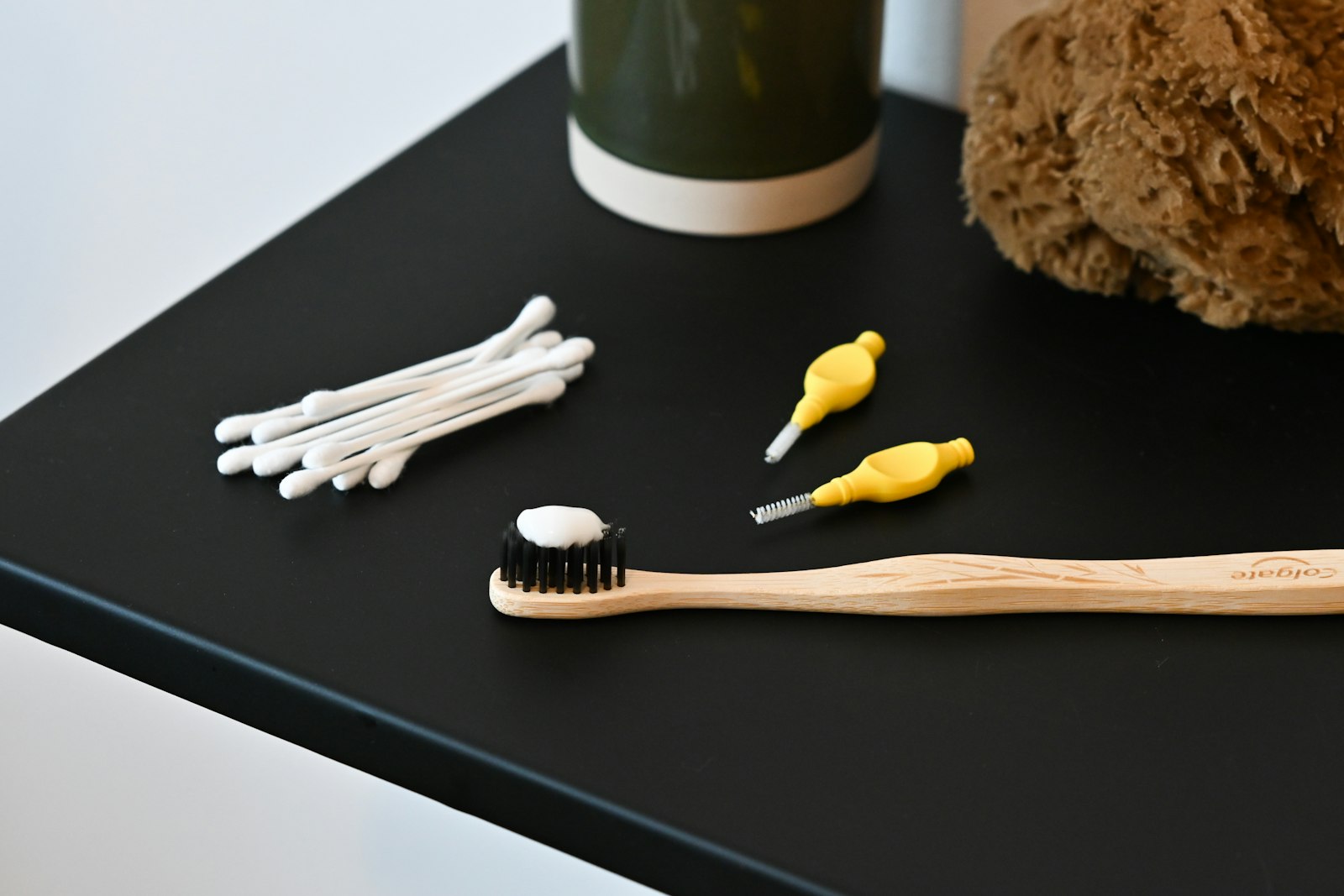
- Keep up fluoride. Brush twice daily with fluoride toothpaste in the right amount for your child's age. Our guide to how much fluoride toothpaste children need explains the amounts.
Situations and What You Can Do
| Situation | Practical step |
|---|---|
| Short antibiotic course (about a week) | Follow the full course. Offer water after each dose and keep up normal brushing. Lasting harm is unlikely. |
| Long-term daily medicine | Ask the pharmacist about sugar-free options, tell your dentist, and consider more frequent reviews and fluoride varnish. |
| Night-time dose | Give before bedtime brushing if the schedule allows. If not, offer water afterwards. |
| Vitamin or iron drops | Give with a meal if allowed and wipe or rinse afterwards. Iron drops can also cause harmless dark staining that a dentist can usually polish off. |
| Frequent fever or pain medicine | Choose sugar-free versions where suitable and avoid giving doses as a treat or reward. |
| Inhaled asthma medicines | Rinse, spit or drink water after preventer doses. See our asthma inhalers guide. |
Children on Long-Term Medicines
Children with ongoing health conditions often take several medicines, sometimes for years. In these cases, it is worth letting your dentist know about every medicine, including any liquids, inhalers and supplements. Your dentist may suggest:
- Fluoride varnish applied at regular intervals. Our article on fluoride varnish for children explains how it works.
- Fissure sealants on back teeth once they come through, to protect the grooves where decay often starts.
- More frequent check-ups, such as every three to six months, to catch early changes while they are easy to manage.
- Diet advice tailored to your child's medicine schedule.
Some medicines, such as certain antihistamines or asthma medicines, can also reduce saliva, which adds to decay risk. Your dentist can help you look at the whole picture.
Other Hidden Sugars to Watch
Liquid medicines are not the only source of hidden sugar. Cough lozenges, throat drops and some chewable vitamins also contain sugar or acid. If your older child uses lozenges during a cold, our guide to cough lozenges and tooth decay has tips on choosing and using them.
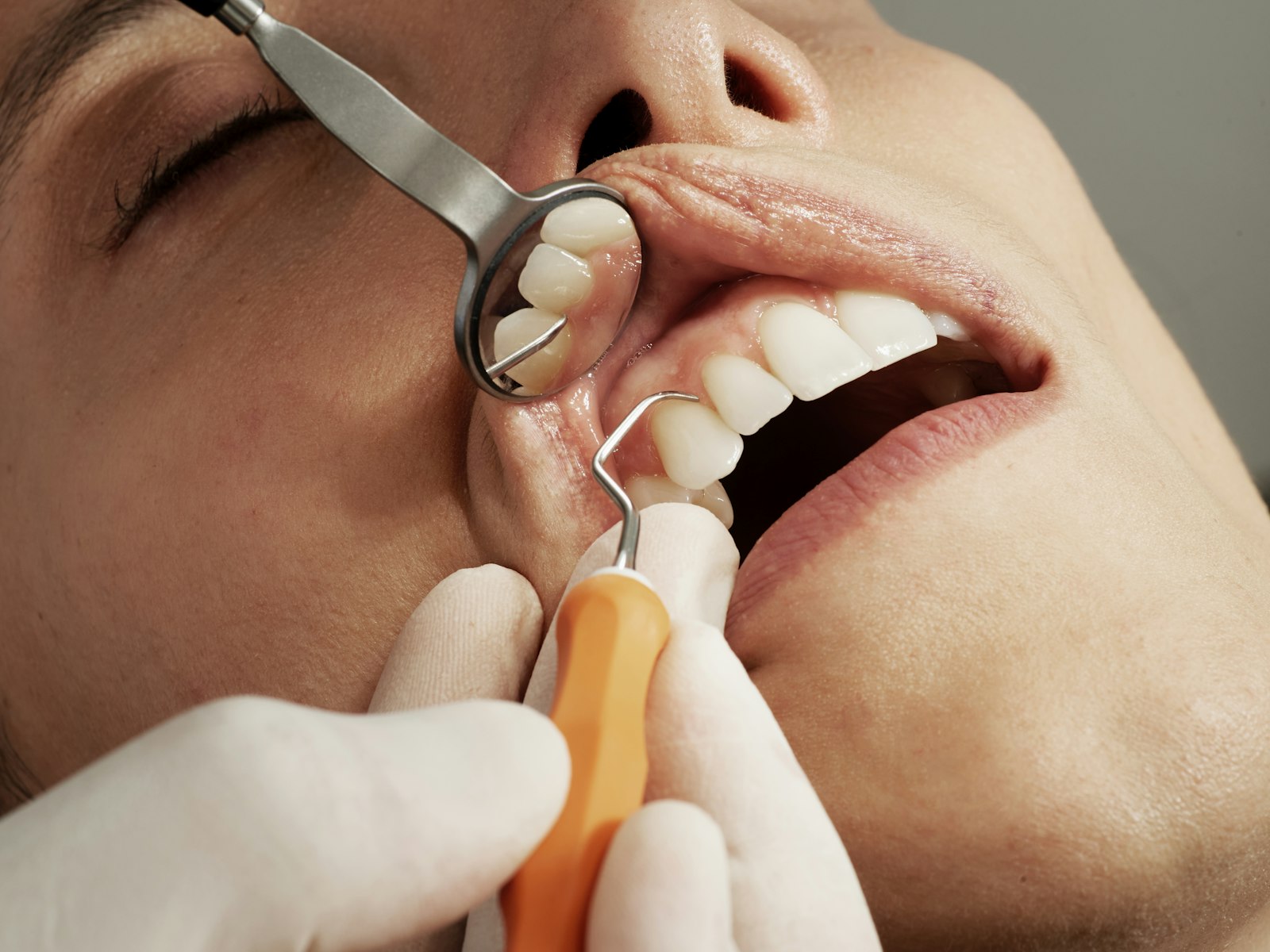
Signs of early decay in children can include white chalky spots near the gum line, brown spots, or sensitivity to sweet or cold foods. If you notice any of these, book a dental check.
Common Questions
Can children's medicine cause tooth decay?
It can, particularly when sugary liquid medicines are taken frequently or over a long period. Occasional short courses are unlikely to cause lasting harm, especially with good brushing and fluoride.
Should I brush my child's teeth after giving medicine?
Offering water straight after the dose is a good first step. Where the timing allows, give the evening dose before bedtime brushing. If your child's medicine is acidic, brushing right away is less important than rinsing with water.
Are sugar-free children's medicines available?
Yes, many common medicines come in sugar-free versions. Ask your pharmacist whether one is suitable for your child, as not every medicine has an alternative.
Can I mix my child's medicine with juice to make it easier?
Check with your pharmacist first, as some medicines should not be mixed with food or drinks. If mixing is allowed, water or a small amount of food is usually better for teeth than juice, and your child needs to take the full amount.
Do iron drops stain baby teeth?
Iron drops can cause dark grey or black staining on teeth. This is usually on the surface and can often be polished off by a dentist. Giving drops towards the back of the mouth and offering water afterwards may help.
When should my child first see a dentist?
A first visit is generally recommended by around the first birthday or when the first teeth appear. Children taking long-term medicines may benefit from starting early and having regular reviews.
Gentle Children's Dental Care in Melrose Park
If your child takes liquid medicine regularly, the team at Lumi Dental can check their teeth, apply fluoride varnish and give practical advice that fits around their treatment. Visit our general dentist in Melrose Park page to learn more, or see current deals for our new patient offer. If treatment is needed, we can arrange a free consult and a written quote so you know what to expect.

