

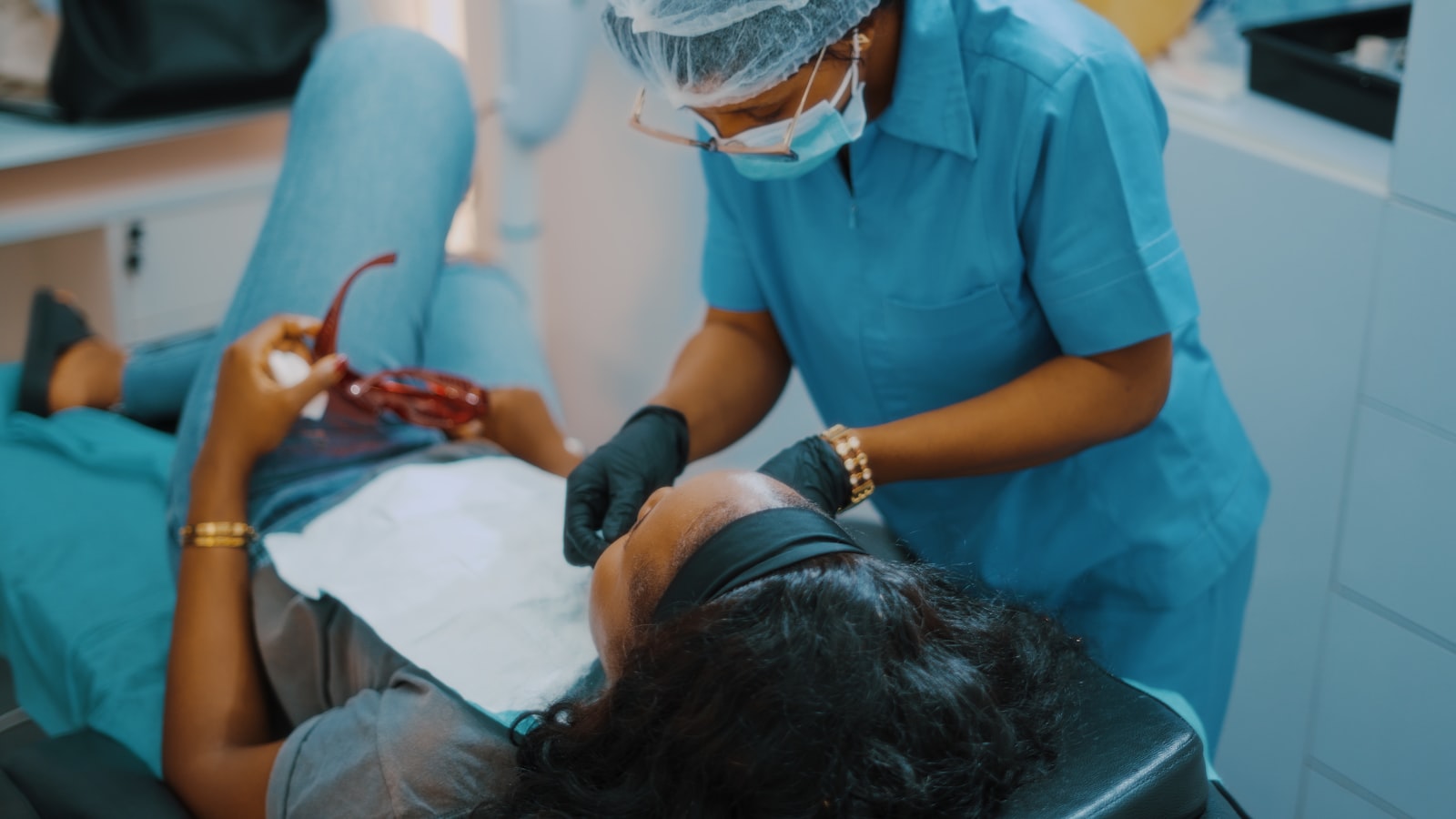

Teeth whitening is generally best left until all the adult teeth have come through and the gums have matured, which is usually the later teenage years. There is no strict legal age for whitening in Australia, but younger teeth have larger nerve chambers and can be more prone to sensitivity, and a mouth still finishing its development is harder to whiten evenly. For most teenagers the safest, most useful step is a dental check-up first. Here is what parents and teens should know.
Key takeaways
- Whitening is usually recommended once all adult teeth are through and the gums are mature.
- Younger teeth have larger nerve chambers, so they can be more sensitive to whitening.
- Strong whitening products in Australia can only be supplied by a registered dental practitioner.
- Uneven colour in a developing mouth can make results patchy if done too early.
- Often the discolouration a teen is worried about has a cause that is better treated than bleached.
Is there a legal age for whitening?
Australia does not set a strict minimum age for teeth whitening. What is regulated is the strength of the products. Higher-concentration whitening, above roughly six percent hydrogen peroxide, can only be used or supplied by a registered dental practitioner. Lower-strength products are available over the counter with safety labelling. So the real question for a teenager is not whether it is legal, but whether it is a sensible idea for their stage of development, which is a decision best made with a dentist.

Why age and development matter
In younger teenagers the adult teeth are still erupting and the nerve chamber inside each tooth is relatively large. That means whitening chemicals have a shorter distance to travel and can cause more sensitivity than in an adult. The gum line is also still settling. Whitening a set of teeth that is not yet fully in place can give an uneven result, because teeth that are still coming through may end up a different shade to the rest. Waiting until the teeth and gums have matured, usually in the later teens, avoids these issues.
What is causing the discolouration?
It is worth asking why a teenager's teeth look discoloured before reaching for whitening. Common causes include surface staining from food and drink, poor cleaning around braces, a single darker tooth after a knock, or white or brown marks in the enamel from its development. Several of these are better treated directly than covered with bleach. A single dark tooth, for example, may need a different approach entirely. A check-up sorts out the cause first. Our guides on whether whitening damages enamel and whitening sensitivity give useful background.
| Consideration | Why it matters for teens |
|---|---|
| Adult teeth still erupting | Colour can end up uneven |
| Larger nerve chambers | More risk of sensitivity |
| Gums still maturing | Higher chance of irritation |
| Cause of staining unclear | May need treatment, not bleaching |
| Product strength | Strong products are dentist-only |
Safer steps for teenagers
For most teenagers the best results come from the basics: thorough brushing and flossing, cutting back on staining drinks, and a professional clean to remove surface stain, which alone can noticeably brighten teeth. If whitening is appropriate, having it assessed and supervised by a dentist keeps the strength suitable and protects the gums and nerves. Avoid strong online kits and salon treatments that are not dentist supervised. Our comparison of professional versus at-home whitening and our look at whether chemist whitening kits are safe explain the options.
Frequently asked questions
What age can a teenager whiten their teeth?
There is no fixed legal age, but dentists usually suggest waiting until all adult teeth are through and the gums are mature, often the later teens. A dentist can advise on the individual.
Is whitening bad for young teeth?
It is not necessarily harmful, but younger teeth can be more sensitive and may whiten unevenly if still developing. Supervision by a dentist reduces the risks.
Can teenagers use whitening strips?
Over-the-counter strips are low strength, but they are still best used after a dental check to rule out causes that need treatment and to protect sensitive teeth.
My teen has one dark tooth. Will whitening fix it?
A single dark tooth often has a specific cause, such as past trauma, and usually needs a targeted approach rather than general whitening. See a dentist for an assessment.
Does a clean help without whitening?
Yes. A professional clean removes surface stains and can brighten teeth noticeably, which is often enough for a teenager without any bleaching.
The bottom line
Whitening is generally best left until a teenager's adult teeth are all through and their gums have matured, and always after a check-up to find the cause of any discolouration. For younger teens, good cleaning and a professional clean are the safer path. To have your teen's teeth assessed, book a complimentary cosmetic consultation or learn more on our teeth whitening page.
This article is general information and not a substitute for personal dental advice. Please see a dentist for care tailored to your situation.

