


Worn down teeth can usually be managed by first finding the cause, then choosing between monitoring, bonding, onlays, veneers or crowns depending on how much tooth has been lost. If you are searching for worn down teeth treatment, it helps to know that there is a range of options, and that the least invasive one is often a sensible place to start. In my experience, patients are rarely told how gradually this problem develops, and many arrive only when sensitivity or chipping makes them notice.
Key Takeaways
- Tooth wear has three main causes: attrition (teeth grinding against teeth), erosion (acid) and abrasion (physical habits or hard brushing).
- Treating the cause comes first, because restorations placed on a mouth that is still wearing can wear or break too.
- Composite bonding is a minimally invasive way to rebuild edges and surfaces, and it can be repaired or adjusted later.
- Heavier wear may call for ceramic onlays, veneers or crowns, and severe cases may need a full-mouth plan with a bite assessment.
- A night guard can help protect both natural teeth and restorations where grinding is present.
- Not every worn tooth needs treatment straight away. Many are monitored with photographs and models over time.
What Causes Teeth to Wear Down?
Teeth are strong, but they are not built to last forever under constant stress. Wear usually falls into three patterns, and many people have a mix of them. Our detailed guide on tooth wear: attrition vs erosion vs abrasion goes deeper, but here is the summary.
- Attrition is wear from tooth against tooth, most often from clenching or grinding. It tends to flatten biting edges and surfaces.
- Erosion is chemical wear from acid. The acid may come from frequent acidic food and drinks, or from stomach acid reaching the mouth with reflux. It tends to leave surfaces smooth, dished or cupped.
- Abrasion is wear from outside objects or habits, such as brushing too hard, biting pens or using teeth as tools.
Reflux is a medical matter, so if you suspect it is part of the picture, a review with your GP is a sensible step. If you take any prescribed medicine, never stop, skip or change it without speaking to your doctor or pharmacist.
Signs Your Teeth May Be Wearing
Wear is slow, so changes can be easy to miss in the mirror. Signs that may point to tooth wear include:
- Biting edges that look flattened, shortened or uneven.
- Cupped or dished areas on the biting surfaces of back teeth.
- Edges that look thin or slightly translucent.
- Increased sensitivity to cold, hot or sweet things.
- Small chips or cracks appearing more often.
- Teeth that look smaller or more yellow than before, because the darker dentine underneath is showing through the thinning enamel.
If you notice sensitivity along with these changes, our article on sensitive teeth causes and treatment explains why it happens and what may help.
Step One: Find and Manage the Cause
Before any tooth is rebuilt, I like to understand why it wore. Otherwise the new material is simply exposed to the same forces. Depending on the cause, this stage may include:
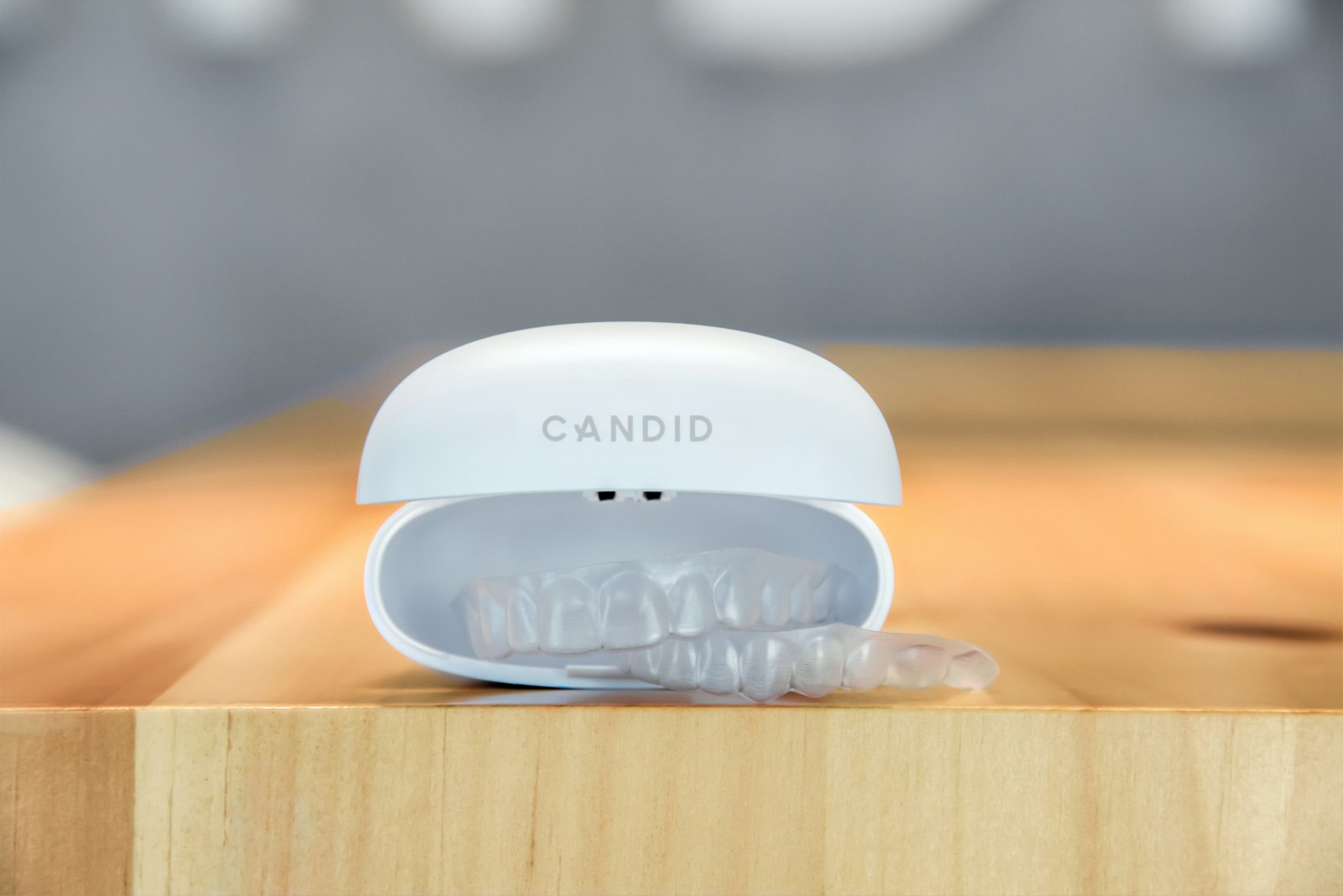
- For grinding: a custom night guard. Our guide to bruxism symptoms, causes and treatment covers the wider picture, and the comparison of a night guard vs mouthguard explains why the right type matters.
- For acid: changes to diet and drinking habits, waiting before brushing after acidic food, and a GP review if reflux is suspected.
- For abrasion: a softer brush, lighter pressure and a review of brushing technique.
This phase is also when your dentist monitors. Study models or scans, photographs and bite measurements taken now become a reference point. If the wear is stable, you may not need treatment beyond protection and regular reviews.
The Options Ladder: From Least to Most Invasive
When treatment is worthwhile, because of sensitivity, function problems or appearance concerns, the options generally form a ladder. We start at the lowest rung that suits the situation.
Monitoring and prevention
For early or stable wear, protection and observation are often enough. This costs the tooth nothing and keeps all options open.
Direct composite bonding
Composite bonding rebuilds worn edges or surfaces with tooth-coloured resin applied directly to the tooth. It is minimally invasive, often needs little or no tooth preparation, and can usually be repaired if it chips. The trade-off is that composite may need maintenance or replacement over time. You can read about looking after it in our guide to composite bonding aftercare, and see how we approach it on our composite bonding page. Tooth shape can sometimes be refined too, as explained in tooth contouring and reshaping.
Ceramic onlays, veneers and crowns
Where more tooth has been lost, or where the bite is heavy, indirect restorations made in a laboratory may be more durable. A dental onlay covers part of a back tooth's biting surface. Veneers cover the front of a tooth. Crowns cover the whole tooth. The overview of inlays, onlays, crowns and fillings shows how these differ, and the guide to types of dental crowns and materials explains the material choices. These options typically involve removing some tooth structure, so they are usually reserved for cases where a lighter approach is unlikely to hold up.
Full-mouth rehabilitation
Severe, widespread wear may affect how the whole bite fits together. In those cases, planning looks at the bite, the height of the teeth and the jaw joints before any treatment begins. Our overview of full-mouth reconstruction and rehabilitation explains what that process involves. It is a staged approach, and it is where trial mock-ups become especially useful.
Comparing the Approaches
| Wear level | Possible approach | Considerations |
|---|---|---|
| Early, stable, no symptoms | Monitoring, cause management, night guard if needed | No tooth is removed. Photographs and models help track change. |
| Mild, with sensitivity or small chips | Direct composite bonding, with desensitising measures where suitable | Minimally invasive and repairable, but may need maintenance over time. |
| Moderate wear on back teeth | Ceramic onlays or composite rebuilds | Onlays are typically more durable than composite but need some preparation. |
| Moderate to heavy wear on front teeth | Bonding, veneers or crowns depending on remaining tooth | Appearance, bite and the amount of enamel left all guide the choice. |
| Heavy wear with little crown left | Crowns | Provides full coverage, but removes more tooth structure. |
| Severe, widespread wear with bite changes | Full-mouth rehabilitation planning | Staged treatment, bite assessment and trial mock-ups are important. |
No table can make the decision for you. Two people with similar looking wear may need different plans because of their bite, habits and goals. For a related comparison of lighter and heavier options at the front of the mouth, see bonding vs veneers vs crown.
How Dentists Plan Treatment
Good planning reduces surprises. Tools commonly used include study models or digital scans, clinical photographs, bite analysis and trial mock-ups. A mock-up lets you see and feel a proposed shape before any permanent work is done, which helps you decide whether the plan suits you. No dentist can promise a specific outcome, because teeth, bites and habits vary, but a thorough plan helps set realistic expectations.
Cost is naturally part of the conversation. The price of restorations varies with the number of teeth, the materials and the complexity, so it helps to read our dental crown cost guide for the factors involved, then ask for a written quote based on your own mouth.
Protecting Your Restorations
Rebuilt teeth deserve the same protection as natural ones. Where grinding is present, a night guard helps shield both your remaining enamel and your new restorations from the same forces that caused the wear. Regular reviews let your dentist catch small chips or edge changes early, when they are simple to fix. Keeping acidic drinks to mealtimes, rinsing with water afterwards and brushing gently with a soft brush are small habits that add up.
Common Questions
Can worn down teeth be repaired?
Yes, worn teeth can often be rebuilt with composite bonding, onlays, veneers or crowns, depending on how much tooth remains. The right option depends on the cause, the bite and what you want to achieve.
Can worn teeth be fixed without crowns?
Often, yes. Early to moderate wear is commonly managed with monitoring, a night guard or direct composite bonding. Crowns are typically considered when much of the tooth structure has been lost.
Does tooth wear grow back?
No, enamel does not regrow once it is lost. That is why finding the cause and protecting the teeth you have is so important.
Why are my teeth getting shorter?
Teeth usually look shorter because of grinding, acid or abrasion slowly removing enamel. A dental examination can identify which pattern is most likely and whether it is still progressing.
Is tooth wear normal as we age?
Some wear is a normal part of a lifetime of chewing. It becomes a concern when it is faster than expected, causes sensitivity or affects how your teeth look or function.
Book a Free Consult at Lumi Dental
If you have noticed your teeth looking shorter, thinner or more sensitive, the team at Lumi Dental in Melrose Park can examine them, talk through the likely cause and explain your options without pressure. We offer a free consult and a written quote, so you can see the plan and the cost before deciding. Learn more about our general dentist services or our composite bonding in Melrose Park, and have a look at current deals for new patients.


