
If a veneer fell off, find it, keep it clean and dry in a small container, do not glue it back yourself, and call the practice the same day: an intact veneer can often be re-bonded, but only if the tooth under it is sound. It is usually a front tooth, so it is alarming, but it is rarely a true emergency. Healthdirect lists the veneer cracking or falling off among the known risks of the treatment, and the fix is usually a planned appointment rather than a hospital visit.
Written by Dr James Tran, BDent (University of Sydney), MICOI, GradDip (Oral Implants), general dentist at Lumi Dental in Melrose Park.
The short version
- Pick the veneer up by its edges, rinse it, let it dry and keep it in a clean lidded container, even if it looks broken.
- No household glue, nail glue or denture adhesive. Each one makes re-bonding harder and can damage the tooth.
- The prepared tooth may feel rough, look darker or smaller and react to cold until it is covered again.
- Intact veneer plus sound tooth usually means re-bonding. A cracked veneer, decay at the edge or missing tooth structure usually means a new one.
- Veneers come off for a reason: a tired bond, grinding, a hard bite or decay at the margin. The appointment should find it, not just stick the veneer back.
- Our guide to repairing or replacing a porcelain veneer goes further into the decision once you are in the chair.
The first hour: what to do, step by step
- Find the veneer. Check your mouth, your food, the sink and the floor; porcelain is thin and travels.
- Handle it by the edges so the old cement on the inside stays undisturbed; that makes cleaning and re-bonding easier.
- Rinse it, let it dry and put it in a small lidded container or zip-lock bag. Not tissue, which is how veneers end up in the bin.
- Rinse your mouth with warm water and look at the tooth. A rough, dull, yellowish surface is normal; a sharp edge, a crack, bleeding or a missing corner of tooth changes the urgency.
- Call the practice and say whether the veneer is whole or broken, whether the tooth hurts and whether anything is bleeding. Until you are seen, chew on the other side, avoid very hot, cold or sweet food and drink, and brush gently.
- If you think you swallowed it, it will almost always pass without trouble. Coughing, wheezing or difficulty breathing is different and needs an emergency department; see our article on swallowing a tooth or filling.
What not to do
The most expensive mistake is reaching for glue. Superglue, nail glue and craft adhesives set unevenly and leave a layer on the veneer and the tooth that has to be ground away before anything will bond. In my experience a veneer that has been superglued at home is far more likely to end up replaced than one that arrived clean in a bag. Do not file the tooth, do not whiten it, and do not leave it for weeks because it does not hurt: the prepared surface is more vulnerable to decay and staining than enamel, and neighbouring teeth can drift slightly, so an old veneer may no longer seat. If a crown has come off instead, our guide to what to do when a crown falls off covers the differences.
Why the tooth looks and feels different
To fit a porcelain veneer, a thin layer of enamel is removed from the front and edges of the tooth so the result is not bulky. Healthdirect notes that this is why veneered teeth can become more sensitive. Without its veneer the tooth is slightly smaller, flatter and set back, and the matt surface reads as darker. Where the preparation reached dentine, the yellower layer under enamel, the tooth may look distinctly yellow and feel sensitive to cold and sweet. None of this means the tooth is damaged; it means it is uncovered.
If the veneer is intact and the tooth is sound, start with re-bonding
That is the rule I work from. Porcelain that has come away cleanly, with no cracks under magnification, can usually be cleaned, re-treated and bonded back. The tooth has to earn its half too: no decay at the margin, no fracture, and enough enamel to bond to. Where either half fails, a new veneer is the better investment, because a compromised re-bond tends to come off again within months.
| What the examination finds | Usual direction | Why |
|---|---|---|
| Veneer intact, seats cleanly, tooth sound | Re-bond | Undamaged ceramic; fresh bond once the old cement is removed |
| Veneer intact, but decay or a chip at the edge of the tooth | Treat the tooth first, then decide | If the tooth shape changes, the old veneer no longer fits |
| Veneer cracked, chipped or a fragment missing | Replace | A glued crack is weak and the join shows on a front tooth |
| Veneer came off with a piece of tooth attached | Usually replace, sometimes a crown | The bonding surface is now partly dentine |
| Composite veneer chipped or came off | Repair or rebuild in the chair | Composite is added directly, no laboratory needed |
| Second or third time off the same tooth | Replace and treat the cause | Repeated debonding points to the bite, grinding or the surface |
Why veneers come off
Veneers are reliable. A systematic review of 25 clinical studies covering around 6,500 porcelain veneers estimated a 10-year survival of 95.5%, and when debonding was counted on its own the 10-year figure was 99.2%. Fracture was the most common complication, followed by debonding, both more likely in the first years after cementation. So debonding is uncommon, and there is usually a reason worth finding.
Bond failure
Resin cement bonds best to clean, dry enamel. If the surface was contaminated by saliva at fitting, or sat mostly on dentine, the bond is weaker from day one and may let go years later.
Grinding and clenching
Both healthdirect and the ADA note that veneers may not suit people who grind or clench, because sideways forces are what a veneer tolerates least. If you wake with a tight jaw, a night guard is part of the conversation; see our guide to veneers for teeth grinders.
Biting something hard
Fingernails, pens, ice, bones, crusty bread torn with the front teeth. A single hard bite at the wrong angle can lever a veneer off without breaking it.
Decay at the margin
The ADA is clear that you can still get cavities under or around a veneer. Decay softens the tooth at the edge so the bond has nothing solid to hold. A soft, brown or sticky patch under the veneer needs treating first.
What the appointment involves
The visit starts with the tooth, not the veneer. I check for decay, cracks and sensitivity, take a photograph and often a small X-ray. The veneer is then tried on without cement to see whether it seats fully. If it does, the old cement is cleaned from both surfaces, both are prepared with the same etching and bonding steps as the original fitting, the veneer is seated with fresh resin cement and set with a curing light, and the bite is checked. Re-bonding usually takes one appointment. If replacement is the answer, the tooth is tidied and captured with a 3D intraoral scan, the shade matched, and a temporary cover protects it until the laboratory-made veneer is fitted at a second visit.
Interim options and when it is urgent
Holding options
If you cannot be seen the same day, or a replacement will take a couple of weeks, options include a temporary composite cover shaped in the chair, a temporary re-bond of the old veneer with a weaker cement, or a desensitising varnish if cold is the main complaint.
When to treat it as urgent
Call for a same-day appointment if the tooth is painful rather than sensitive, if a piece of tooth broke off with the veneer, if the gum will not stop bleeding, or if a sharp edge is cutting your lip or tongue. Go to an emergency department if you inhaled a fragment or are having trouble breathing. Outside normal hours, our guide to after-hours dental emergencies explains where to turn.
How we approach this at Lumi Dental
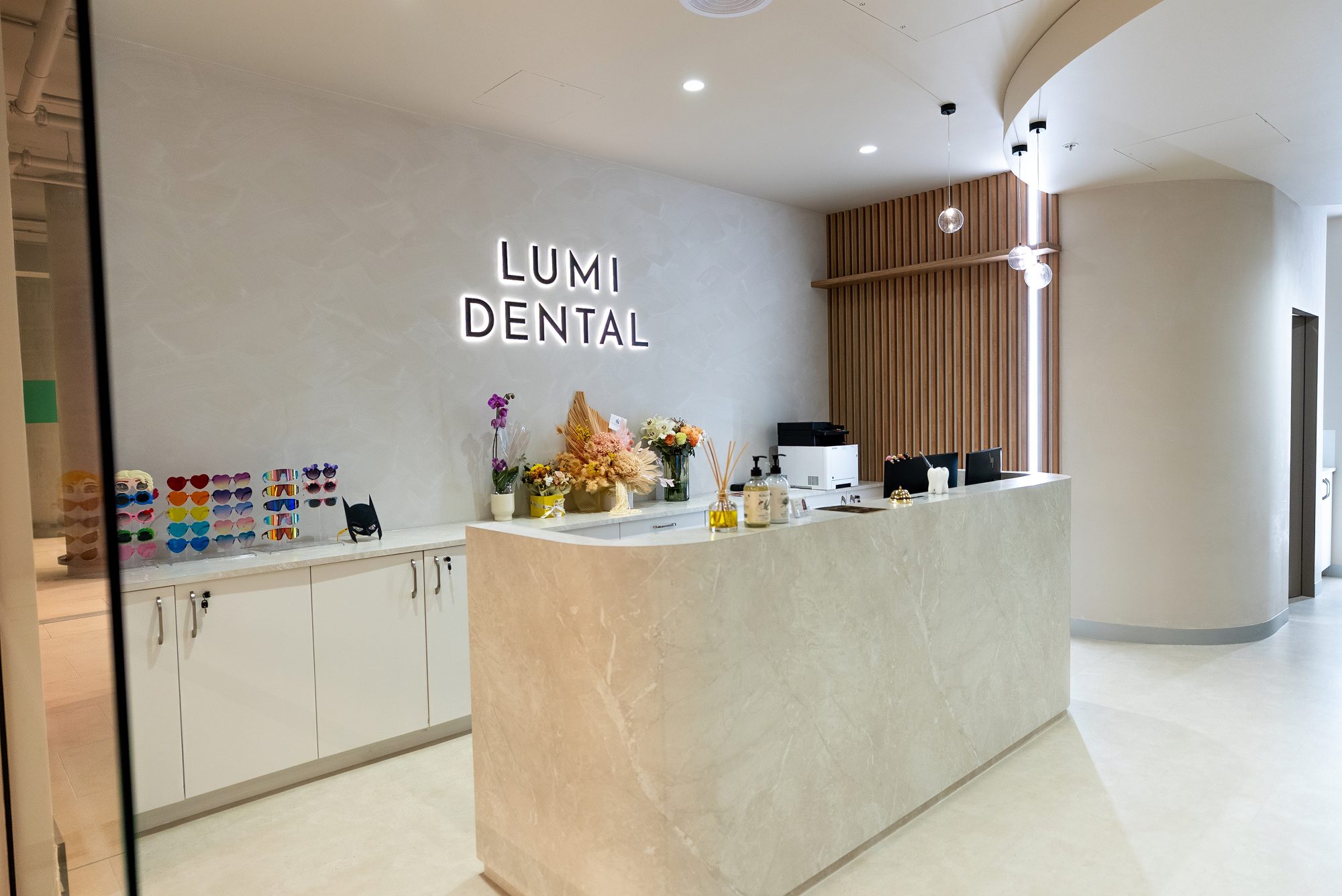
At Lumi Dental in Melrose Park, a veneer that has come off is treated as a same-day matter where possible. A dentist examines the tooth, photographs it, takes any X-ray needed, tries the veneer back on and tells you plainly whether to re-bond or replace, with a written quote before anything is made. Lumi Dental provides porcelain veneers, composite bonding and emergency dental appointments Monday to Saturday.
Questions patients ask
Can a veneer that fell off be glued back on?
Often, yes, by a dentist. If the veneer is intact and the tooth is sound, the old cement is cleaned off and the veneer is bonded again with fresh resin cement in a single visit. Never glue it yourself; household adhesives spoil both surfaces.
Is a veneer falling off a dental emergency?
It is urgent but rarely an emergency. Aim to be seen within a day or two, sooner if the tooth is painful, a piece broke off or a sharp edge is cutting your lip.
Why does my tooth look so small and dark without the veneer?
A thin layer of enamel was removed when the veneer was fitted, so the tooth is slightly smaller and the exposed surface is matt and sometimes dentine-coloured. It is covered again once the veneer is re-bonded or replaced.
How long do veneers usually last before this happens?
Research pooling thousands of porcelain veneers reported around 95% still in place at ten years, with debonding one of the less common reasons for failure. Our guide to how long veneers last covers what shortens or extends that.
Will my re-bonded veneer fall off again?
It can, particularly if the original cause is not addressed. A clean re-bond onto sound enamel, a night guard if you grind, and not biting hard things with the front teeth give it the best chance. A veneer that comes off a second time is usually replaced.
Lost a veneer? Same-day help and a complimentary cosmetic consult in Melrose Park
If your veneer has come off, keep it safe and call the team at Lumi Dental in Melrose Park for an emergency dental appointment, usually the same day. If you are weighing up a replacement, book a complimentary cosmetic consult or read more about porcelain veneers at Lumi Dental. Patients visit from Ryde, Parramatta, Ermington, Rydalmere and nearby suburbs.
Sources
- healthdirect: Veneers
- American Dental Association (MouthHealthy): Veneers
- Australian Dental Association (teeth.org.au): Crowns, bridges and veneers
- PMC (Journal of Clinical Medicine): Long-term survival and complication rates of porcelain laminate veneers, a systematic review
About the author
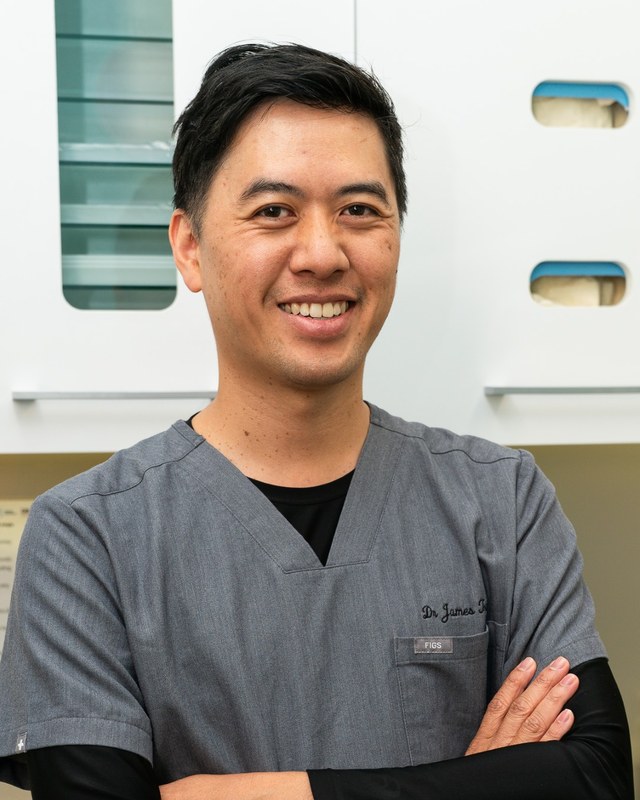
Dr James Tran is a general dentist at Lumi Dental in Melrose Park. He holds a BDent from the University of Sydney and a Graduate Diploma in Oral Implants, and is a Member of the International Congress of Oral Implantologists (MICOI).
This article is general information only and is not a substitute for an examination and individual advice from a registered dental practitioner. Suitability for any treatment varies from person to person.