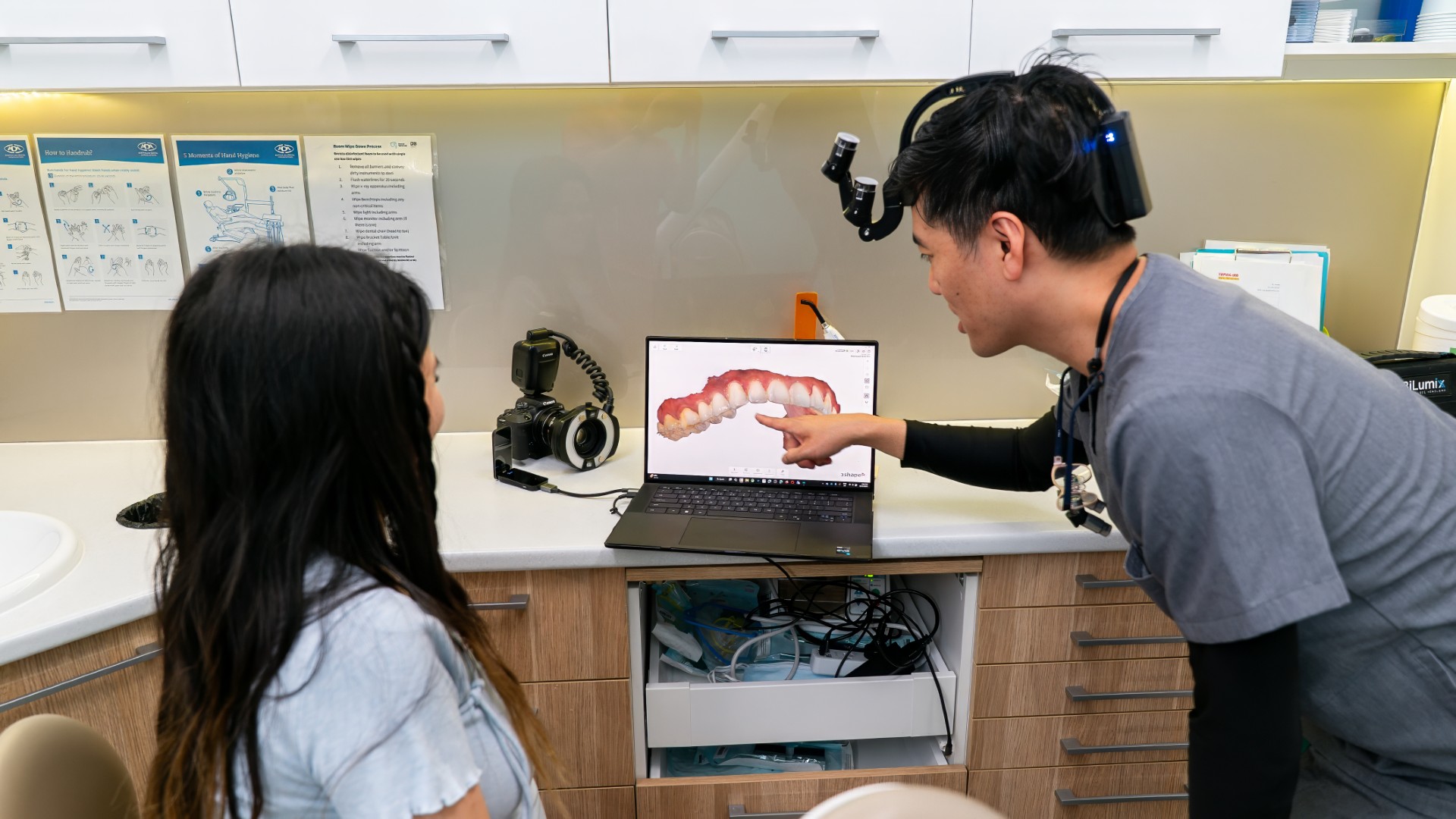
A dental bone graft is made from one of four sources: your own bone (autograft), processed human donor bone (allograft), processed animal bone, usually bovine (xenograft), or a synthetic calcium phosphate material (alloplast), and the choice depends mainly on the size and shape of the gap in the bone. Your own bone is still described in the research as the reference standard because it is the only graft that carries living bone-forming cells. The other three act mainly as a scaffold that your own bone grows into.
Written by Dr James Tran, BDent (University of Sydney), MICOI, GradDip (Oral Implants), general dentist at Lumi Dental in Melrose Park.
The short version
- A bone graft rebuilds jawbone too thin or short for a dental implant, or limits shrinkage after an extraction.
- There are four main sources of graft material: your own bone, human donor bone, animal bone (usually from cattle) and synthetic minerals.
- The membrane placed over a graft is often collagen of pig or cattle origin, so ask about it as well as the graft itself.
- If you have religious, dietary or ethical views about animal or human tissue, say so before surgery so alternatives can be planned.
- Our article on bone grafts and sinus lifts for dental implants explains the procedures themselves; this one is about what goes into them.
Why a bone graft is needed for some implants
After a tooth is removed, the bone that held it remodels and shrinks. The ridge can become too narrow for an implant or, in the upper back jaw, too short beneath the sinus. A graft adds volume so the implant has bone around it.
Some grafts are placed at the extraction to hold the socket's shape, as covered in our article on socket preservation after a tooth extraction. Long-term denture wearers often have more shrinkage, as explained in our article on why the jaw shrinks under a denture.
How a graft helps bone grow: three words in plain English
A review of bone grafts in dental medicine describes three properties that explain most of the differences between materials.
- Osteogenic: the graft contains living cells that can form new bone themselves. Only your own fresh bone does this.
- Osteoinductive: the graft carries signals that encourage nearby cells to turn into bone-forming cells.
- Osteoconductive: the graft is a scaffold. Bone from the surrounding area grows along and into it.
The same review lists autograft as having all three properties, donor bone as osteoinductive and osteoconductive, and animal and synthetic materials as osteoconductive. In practice, the last three guide your bone in rather than create it, so the bone around the site needs to be healthy enough to grow.
The four sources of dental bone graft material
Your own bone (autograft)
Autograft is bone taken from your own body. For small sites it may come from nearby in the jaw; for large reconstructions it can come from the hip or skull, which is hospital surgery. It is the only osteogenic material. The drawbacks are a second surgical site, extra discomfort and a limited supply inside the mouth. The dental medicine review notes that, to avoid this, other substitutes are often used for small and medium-sized defects.
Human donor bone (allograft)
Allograft comes from human donors. The review describes it as selected after extensive screening, then processed and stored in bone banks to remove what triggers an immune response and to reduce the risk of disease transmission. In Australia, the Therapeutic Goods Administration lists tissue-based products, including bone, among the biological products it regulates. If donor bone is proposed, ask the product name and how it was processed.
Animal bone (xenograft)
Xenograft is animal bone with the organic material removed, leaving the mineral framework. Bovine (cattle) bone is among the most widely used and studied; porcine (pig) and horse sources also exist, and some products are made from coral or algae. The mineral in deproteinised bovine bone is chemically very close to human bone. A narrative review of bovine substitutes notes that these materials resorb slowly, if at all, which can help hold space in a site such as a sinus lift while new bone forms around the particles.
Synthetic materials (alloplast)
Alloplasts are made in a laboratory. Common types are hydroxyapatite, beta-tricalcium phosphate and biphasic calcium phosphate, a blend of the two. Beta-tricalcium phosphate is more readily resorbed than hydroxyapatite, and products blend the two in different ratios. Synthetics involve no human or animal tissue. The trade-off is that they are scaffolds only, and the review notes they can lack osteoinductive activity and can be harder to shape.
Bone graft types compared
| Graft type | Where it comes from | How it helps bone grow | Advantages | Limitations |
|---|---|---|---|---|
| Autograft | Your own body, from the jaw or, for large cases, the hip or skull | Osteogenic, osteoinductive and osteoconductive | Living cells; no donor tissue | Second surgical site; limited amount; more discomfort |
| Allograft | Screened human donors, processed by a tissue bank | Osteoinductive and osteoconductive | No second site; available in quantity | Donor tissue; small risk of disease transmission, managed by screening and processing |
| Xenograft | Usually cattle bone, sometimes pig or horse, with the organic part removed | Osteoconductive | Widely studied; resorbs slowly and holds space | Animal origin; particles may remain for a long time |
| Alloplast | Laboratory-made hydroxyapatite or tricalcium phosphate | Osteoconductive | No human or animal tissue; consistent composition | Scaffold only; handling and resorption vary between products |
The membrane over the graft is a material too
Graft particles are usually covered with a thin membrane that keeps gum tissue out while bone forms underneath. A review of guided bone regeneration materials notes that collagen membranes come mainly from bovine and porcine sources. Synthetic polymer membranes also exist.
In my experience, patients who ask carefully about the graft often forget the membrane. If animal origin matters to you, ask about both, and ask for the product names in writing.
Safety: what the evidence says about disease transmission
Any material from a human or animal source raises the question of infection. For bovine bone, the concern most often discussed is prions, the agents behind bovine spongiform encephalopathy ("mad cow disease"). A narrative review of particulate bovine substitutes reports that processing at temperatures above 800 °C is regarded as reducing that risk to an acceptable minimum, and that lower-temperature products rely on strong chemical treatment. It concludes that the risk is theoretical and cannot be quantified, and that no cases of transmission through bovine substitutes have been reported.
That is reassuring, but it is not zero, and no graft material is risk-free. Allograft carries its own small risk, managed by screening and processing; autograft adds a second wound; synthetics avoid tissue altogether.
The single rule: the defect chooses first, then your preferences
The material starts with the size and shape of the defect. A small socket or gap around an implant can often be filled with a scaffold material. A larger defect, or a site that needs height, may need a material that holds space for longer, your own bone, or a mix. Within those limits, your preferences matter.
These preferences are common. In a multicentre study of 330 patients across five university clinics in Portugal, France, Italy, Spain and Chile, about 40 per cent would refuse donor bone, about a third would refuse animal bone, and around 6 per cent would refuse a synthetic graft. Fear of disease transmission and objection to using animals for human benefit were the main reasons for refusing animal bone, and religious affiliation influenced preferences.
A dentist should not rule on any faith's position on a graft material, and I do not. You can ask for the source of every material, including the membrane, and discuss alternatives. For questions of faith, your own religious adviser can help, and the team can give you product details to take to them.

How we approach this at Lumi Dental
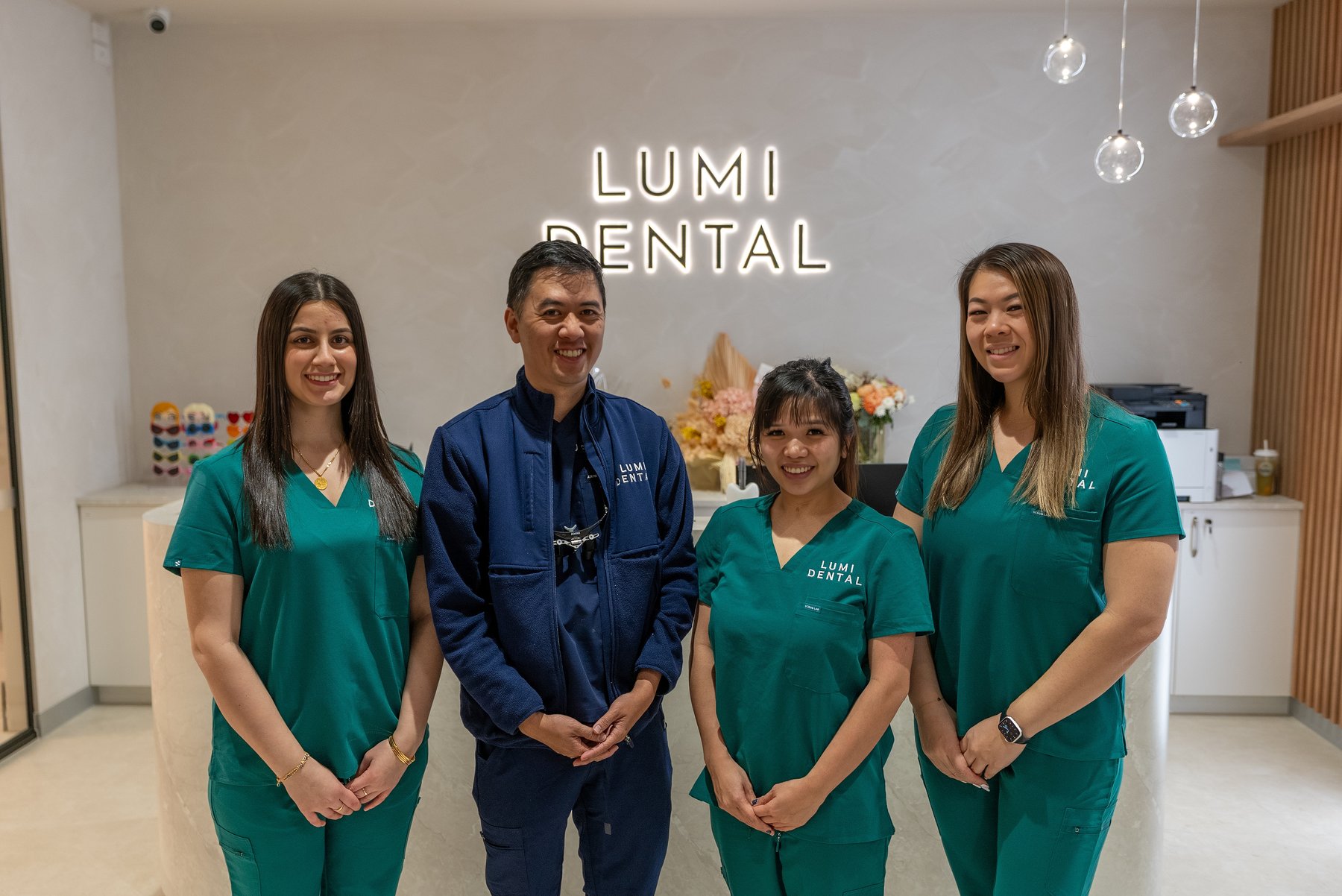
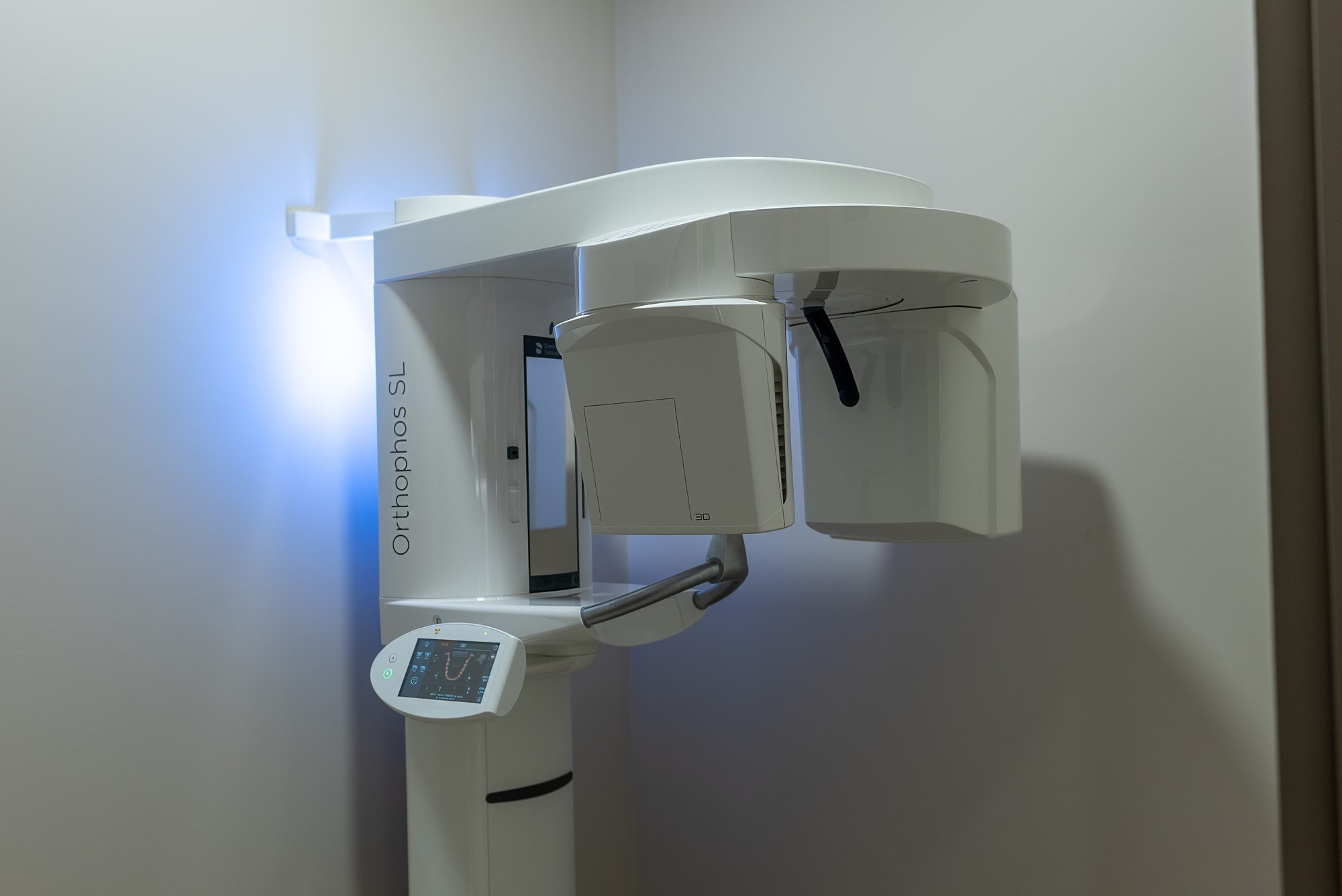
At Lumi Dental in Melrose Park, a dentist examines the site and, where it is needed for planning, takes a 3D X-ray (CBCT) in house to measure the height and width of the bone. If a graft is likely, the dentist explains which material is proposed and why, and the written consent lists the graft and membrane materials so you can check them before the day. If you prefer to avoid animal or human tissue, say so early so the plan can be adjusted where that is clinically possible.
Larger grafts and some sinus lifts may be referred to a registered specialist. Read more about dental implants at Lumi Dental and the 3D imaging used for planning.
Questions patients ask
Is a dental bone graft made from cadavers?
Sometimes. Donor bone (allograft) can come from deceased or living donors and is screened and processed by bone banks. It is one of four options, and you can ask which type is planned.
Can I refuse a bovine bone graft?
Yes. You can ask for an alternative, and the dentist will explain whether your own bone, donor bone or a synthetic suits the site.
Is a synthetic bone graft as good as a natural one?
Synthetic grafts work as a scaffold and can suit smaller, contained defects. They carry no living cells, so for larger defects another material or a mix may be suggested.
How long does a bone graft take to heal before an implant?
It depends on the size of the graft and the material. Small grafts are often placed with the implant, while larger ones usually heal for several months first. Healing can be slower in people who smoke or have poorly controlled diabetes, as our article on smoking, diabetes and bone for implants explains.
Will a bone graft be listed separately on my implant quote?
It should be, marked as confirmed, possible or excluded. Our guide to comparing dental implant quotes shows what to look for.
Planning a replacement tooth? Complimentary implant consult in Melrose Park
If you have been told you may need a bone graft, the team at Lumi Dental in Melrose Park can examine the site, take a 3D scan where it is needed and talk you through each material. Contact Lumi Dental to book a complimentary implant consult, or read more about dental implants in Melrose Park. Patients visit from Ryde, Parramatta, Ermington and Rydalmere, with on-site parking at Melrose Central.
Sources
- Materials (Ferraz MP): Bone Grafts in Dental Medicine: An Overview of Autografts, Allografts and Synthetic Materials (PMC)
- International Journal of Implant Dentistry: A comparative analysis of particulate bovine bone substitutes for oral regeneration, a narrative review (PMC)
- Patient Preference and Adherence: Multicenter study of patients' preferences and concerns regarding the origin of bone grafts utilized in dentistry (PMC)
- Therapeutic Goods Administration: Biologicals
About the author
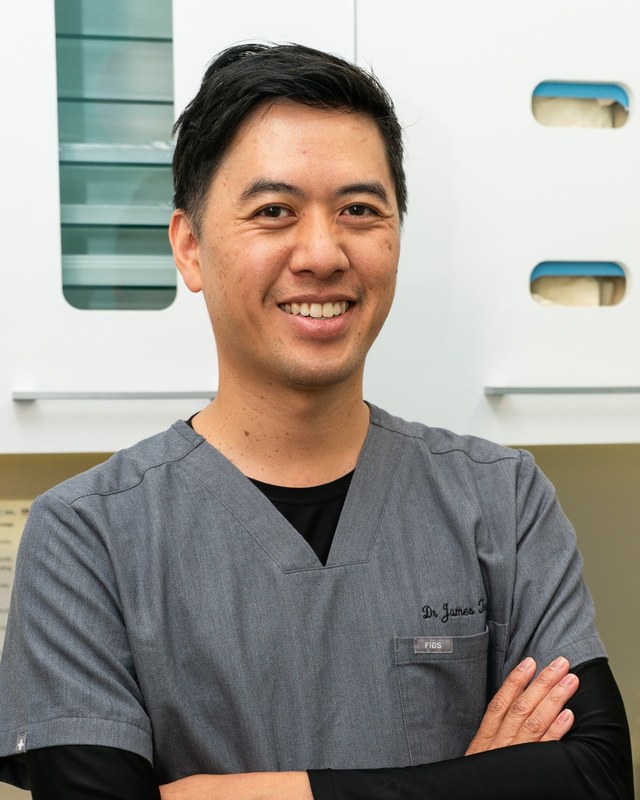
Dr James Tran is a general dentist at Lumi Dental in Melrose Park. He holds a BDent from the University of Sydney and a Graduate Diploma in Oral Implants, and is a Member of the International Congress of Oral Implantologists (MICOI).
This article is general information only and is not a substitute for an examination and individual advice from a registered dental practitioner. Suitability for any treatment varies from person to person.