


A rubber dam keeps the tooth being treated completely dry and isolated, and the evidence links it to better long-term outcomes, with one clinical study finding 93.3 per cent of teeth root-canal treated with a rubber dam were successful at follow-up compared with 73.6 per cent without. A large population-based study found root-canal treated teeth survived at 95.15 per cent with a rubber dam versus 94.21 per cent without, a difference that reached statistical significance. If you have ever wondered why a dentist stretched a sheet of latex over your mouth, this article explains what it does, why it matters for how long your treatment lasts, and answers the two questions almost everyone thinks but does not ask.
Key Takeaways
- A rubber dam is a thin sheet of latex or latex-free material stretched over a small frame and clipped around the tooth being treated.
- It isolates the tooth from saliva, tongue and cheek, which is critical because salivary leakage is a recognised cause of root canal failure.
- Rubber dam has been standard in endodontics for over 140 years and is considered the standard of care for non-surgical root canal treatment.
- It also helps white composite fillings bond properly, because composite bonding is very sensitive to moisture.
- It protects your airway from small instruments and irrigating solutions, and stops debris and material taste reaching your mouth.
- Yes you can breathe normally through your nose, and yes it can be removed at any time if you need a break.
What A Rubber Dam Actually Is
It is a thin, flexible sheet, usually latex but available in latex-free materials for people with a latex allergy. A small hole is punched in it, the sheet is slipped over the tooth being treated, and a small clip holds it in place around that tooth. The sheet is then stretched over a lightweight frame that sits outside your mouth.
The result is that one tooth, or a small group of teeth, pokes through the sheet and everything else is covered. Your tongue, cheeks and the rest of your mouth are on the other side of the barrier.
It looks more dramatic than it feels. Most people find the appointment easier than expected, because there is nothing to manage.
Why Isolation Changes The Outcome
Root canal treatment
The whole point of root canal treatment is to clean out the inside of the tooth and seal it so bacteria cannot get back in. Saliva is full of bacteria. If saliva leaks into the canal system during treatment, it reintroduces exactly what is being removed. Salivary leakage after root canal therapy is a recognised cause of failure.
The numbers reflect this. A large population-based study found 95.15 per cent survival for teeth treated with a rubber dam compared with 94.21 per cent without, a statistically significant difference. A separate clinical study reported a much wider gap, with 93.3 per cent of teeth treated with a rubber dam judged successful at follow-up versus 73.6 per cent without.
The two studies measure different things over different populations, which is why the gap varies so much. Both point the same direction. Our guides on root canal retreatment and apicoectomy surgery cover what happens when a root canal does not settle, and it is worth knowing that avoiding retreatment is a meaningful benefit in its own right.
White fillings
Composite resin, the tooth-coloured material used for white fillings, bonds to tooth structure chemically and micromechanically. That bond is extremely sensitive to moisture. Even a small amount of saliva contamination during the bonding steps can reduce bond strength, which shows up later as a filling that leaks, stains at the margins, or comes loose sooner than it should.
This is the practical reason patients should care: a dry field is directly connected to how long your filling lasts. Our comparison of inlays, onlays, crowns and fillings covers where each is appropriate.
When A Rubber Dam Is Typically Used
| Procedure | Rubber dam usually used? | Main reason |
|---|---|---|
| Root canal treatment | Yes, considered standard of care | Prevents salivary bacteria entering the canal system, and protects the airway from small files and irrigating solutions. |
| White composite filling | Usually, especially for larger fillings or those below the gum line | Composite bonding is highly moisture sensitive, so a dry field supports a stronger, longer lasting bond. |
| Internal bleaching | Yes | The bleaching agent must be kept inside the tooth and away from the gums and soft tissues. |
| Fissure sealant | Often, particularly in children | Sealants rely on a clean, dry enamel surface to bond, and a wet surface is the main reason they fail early. |
| Simple check-up and clean | No | No bonding or canal work is involved, and full access to all surfaces is needed for examination and cleaning. |
The Benefits You Notice As A Patient
You do not have to do anything
No holding your tongue away, no worrying about swallowing, no repeated rinse and spit. For many people this is the biggest difference, because it removes the low level effort that makes dental appointments tiring.
Nothing tastes of anything
Dental materials and irrigating solutions do not taste pleasant. With a dam in place they stay on the tooth side of the sheet, so they never reach your tongue.
Airway protection
Root canal files are small and irrigating solutions are strong. The dam sits between those and your throat, which is a genuine safety benefit.
Often a shorter appointment
With no stopping to rinse and no re-drying the tooth every few minutes, the work tends to flow more efficiently.
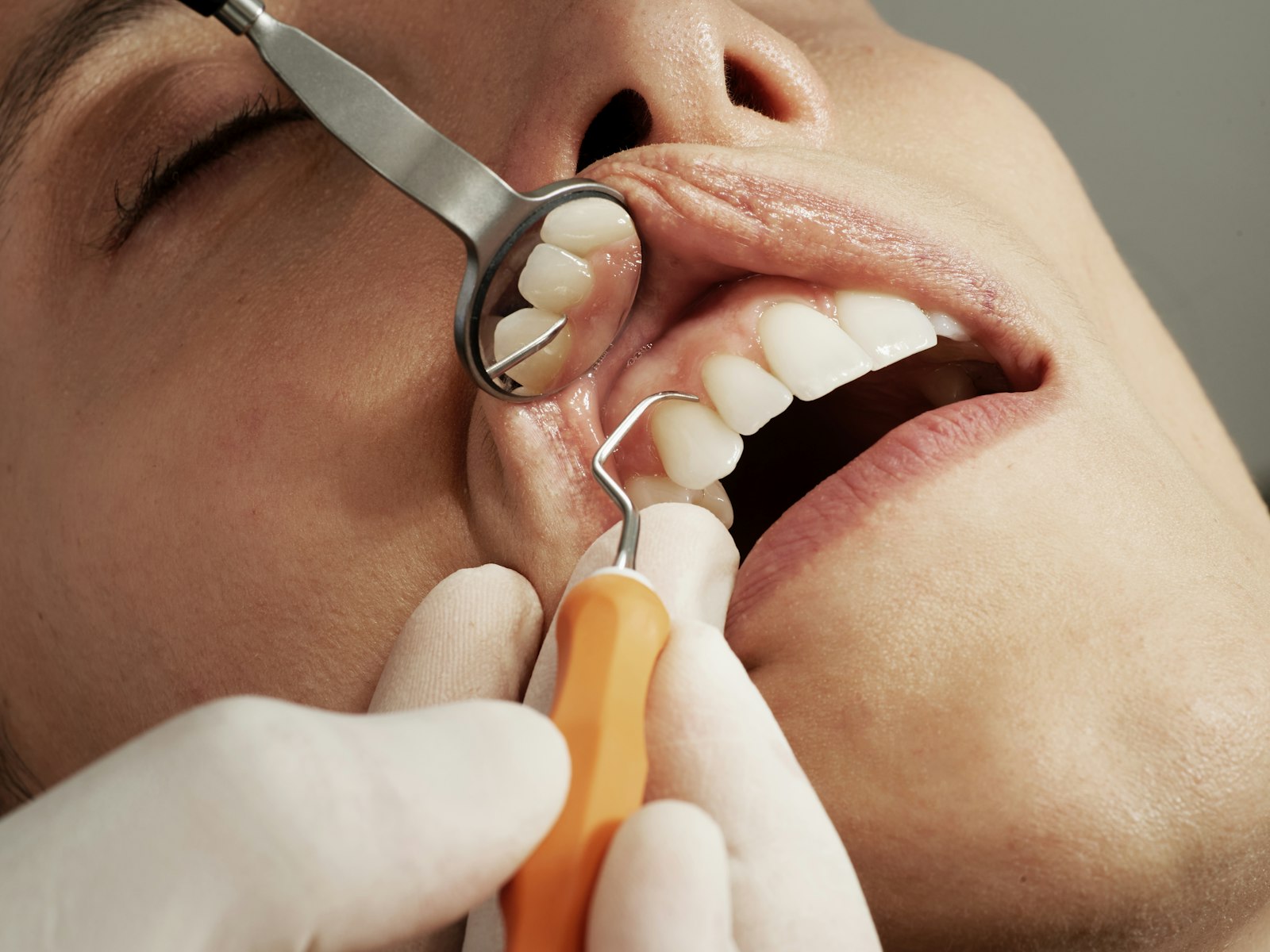
Why Not Every Dentist Uses One
Usage varies a great deal between clinicians. One survey found only 21 per cent of general dental practitioners used a rubber dam, compared with 84.8 per cent of endodontists, the specialists who focus on root canal treatment.
The reasons usually come down to the extra minutes it takes to place, habit and training, and an assumption that patients dislike it. In my experience that last point is largely unfounded.
If you are having root canal treatment, it is entirely reasonable to ask whether a rubber dam will be used. It is a fair question about standard of care, not a challenge. Our article on getting a second opinion covers how to ask these questions constructively.
The Worries People Have
Will I be able to breathe?
Yes. The dam covers your teeth, not your nose, and there is space around the sheet at the sides. Breathing through your nose is completely normal and most people stop thinking about it within a minute or two.
If you have a blocked nose or heavy cold on the day, mention it before treatment starts. That is a practical reason to adjust the approach rather than push through.
What if I feel claustrophobic?
Some people do find it feels odd at first. That is a normal reaction, and it usually eases. The important thing to know is that the dam can be removed in seconds at any point. Agree a hand signal with your clinician before starting. Raise your hand, and it comes off.
Knowing you have that control is often enough on its own. Many patients who expect to hate it never use the signal.
I have a strong gag reflex
Interestingly, a rubber dam often helps rather than hinders here. It keeps water and debris away from the back of the throat, which is what triggers gagging for many people. Our article on managing a gag reflex at the dentist covers additional techniques worth discussing beforehand.
I am allergic to latex
Latex-free rubber dam material is readily available and works the same way. Tell your practice about the allergy when you book, not on the day, so the right materials and clips are ready.
Will the clip hurt?
The clip sits on the tooth, not the gum, in most cases. If the tooth is already numb for treatment you will not feel it. For procedures without anaesthetic, such as a sealant, the clip can feel like firm pressure for a moment. Tell your clinician if it feels sharp, because the clip can be repositioned or a different size used.
Common Questions
Is a rubber dam necessary for a root canal?
It is considered the standard of care for non-surgical root canal treatment and has been standard in endodontics for over 140 years. The reason is straightforward: saliva carries bacteria, and salivary leakage into the canal system is a recognised cause of failure. Asking whether one will be used is a reasonable question.
Does a rubber dam make fillings last longer?
It supports the conditions that help them last. Composite bonding is moisture sensitive, and contamination during bonding weakens the bond, which can lead to earlier leakage or loss of the filling. Isolation is one factor among several, alongside the size of the filling, the material, your bite and how you care for the tooth.
Can the rubber dam be taken off if I panic?
Yes, at any time and quickly. Agree a hand signal before the appointment starts so you can stop things without needing to speak. Knowing you can stop is often the thing that makes it unnecessary.
Why did my dentist not use one for my filling?
Practice varies, and for some small, accessible fillings other isolation methods such as cotton rolls and suction may be judged adequate. If you would prefer one, you can ask.
Does it hurt to have a rubber dam put on?
It should not. Placing it is quick and most of the sensation is the clip settling on the tooth. If anything feels sharp or pinching, say so straight away, because it is usually a matter of adjusting the clip position.
This article is general information only and is not a substitute for individual dental advice. Whether isolation with a rubber dam is used for a particular procedure depends on the treatment, the tooth and your individual circumstances. Please speak with a qualified dental practitioner about your situation.
If you have questions about how your treatment will be carried out, or you would prefer isolation to be used, the team at Lumi Dental is happy to talk it through before anything starts. You can see current offers on our current deals page or read more about routine and restorative care on the general dentist page. Lumi Dental is open Monday to Saturday, with Sunday by appointment.







