
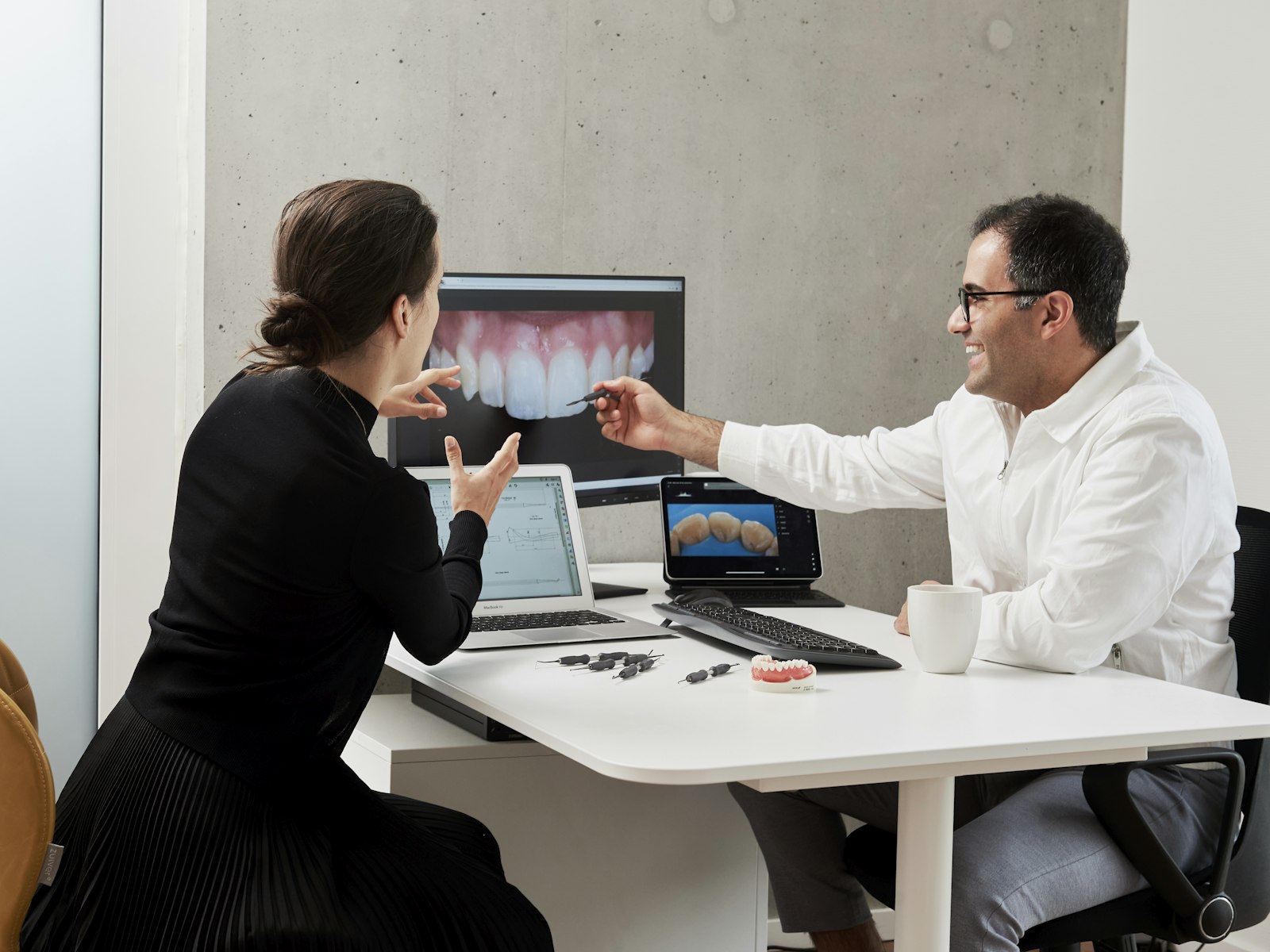

You do not need anyone's permission to get a second dental opinion, and asking your dentist for your records so you can get one is an ordinary request. It is most worth doing when the work is large, costly or cannot be undone, when a diagnosis surprises you, or when you feel you have not had enough time to decide. For small, routine care it rarely changes much.
Moments when another view is worth the time
A few situations come up again and again:
- a plan involving several crowns, implants or work across the whole mouth
- a recommendation to remove one or more teeth, where you would like to know whether any could be kept
- a choice between saving a tooth and replacing it, such as root canal treatment or extraction
- a diagnosis you did not expect, with no symptoms to match it
- quotes for apparently similar work that differ widely, where you are unsure what each includes
- a sense of being hurried into a decision
A filling, a clean or a check-up usually does not need a second look unless something about it worries you.
Getting your records
Australian privacy law gives you a general right to request access to the health information a private health provider holds about you, according to the Office of the Australian Information Commissioner. The practice may ask for the request in writing, may charge a reasonable fee, and should respond within a reasonable time, which the OAIC generally regards as 30 days. Ask for recent X-rays or scans, the written treatment plan and the itemised quote.
There is no need to give a reason or to feel awkward. Plenty of patients want to be sure before major treatment, and having recent X-rays to hand can mean the second dentist does not need to repeat them. Our article on how often dental X-rays are needed explains why unnecessary repeats are avoided.
Making the appointment count
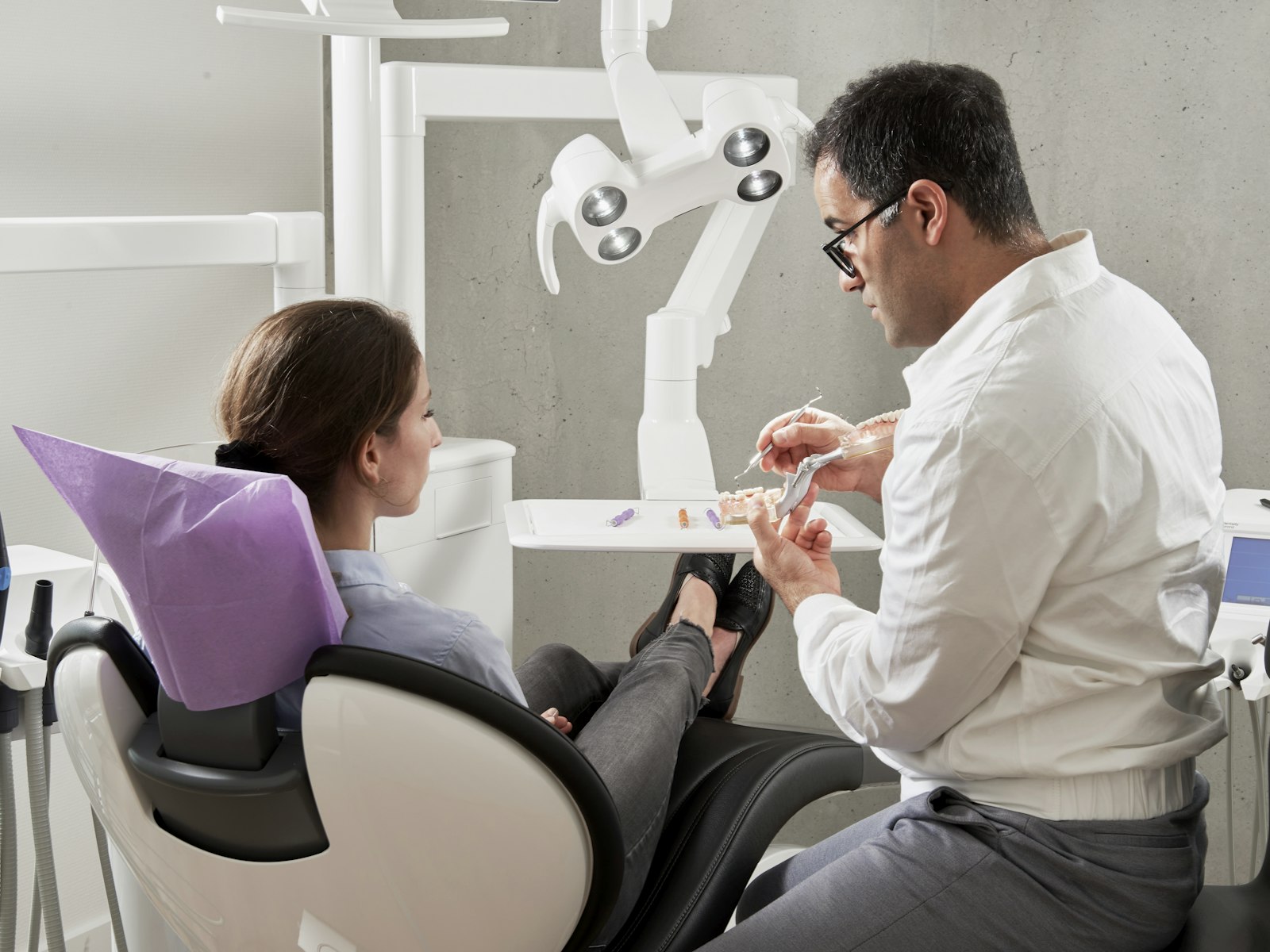
Along with your records, bring a short list of your symptoms, your medical history and the medicines you take. Write down the questions you most want answered. Useful ones include what the dentist sees as the main problem, which options they would consider and why, what happens if you wait, and how long each option is expected to last. Ask the same questions you asked the first dentist so you can compare like with like.
When two dentists say different things
Different plans are common and do not automatically mean one is wrong. Dentistry often has more than one reasonable approach. A small area of decay might be watched or filled now. A heavily filled tooth might be crowned or, if its outlook is poor, replaced. What should be clear in each case is the reasoning, the risks and the benefits, and how the plan fits your own priorities, such as keeping natural teeth, cost or time.
If the disagreement is about the diagnosis itself rather than the choice of treatment, a third opinion or a referral to a registered specialist can help settle it. Keeping up regular check-ups also gives any dentist a better baseline to compare against; our article on how often to see the dentist explains how that interval is set.
Pain and swelling come first
A second opinion is for planned treatment. Severe pain, facial swelling, signs of a spreading infection or a knocked-out tooth need care straight away, and further opinions can follow once the urgent problem is controlled. Our guide to dental emergencies explains what counts as urgent.
Common questions
Will my dentist be offended?
Most dentists understand that patients want to be confident before major treatment. Requesting your records is a routine administrative task.
Do I have to pay for a second opinion?
Usually there is a consultation fee, and sometimes a fee for copies of records. At Lumi Dental, free consults are available for cosmetic, implant, braces and aligner treatment; see our current deals page for details.
What if I prefer the second plan?
You are free to choose who treats you. Ask the dentist you choose to put the plan and costs in writing before starting.
If you would like another view on a treatment plan, bring your records to Lumi Dental and we will talk through the options. See our current offers or book a general dental visit.
This article is general information and not a substitute for an individual dental assessment.








