

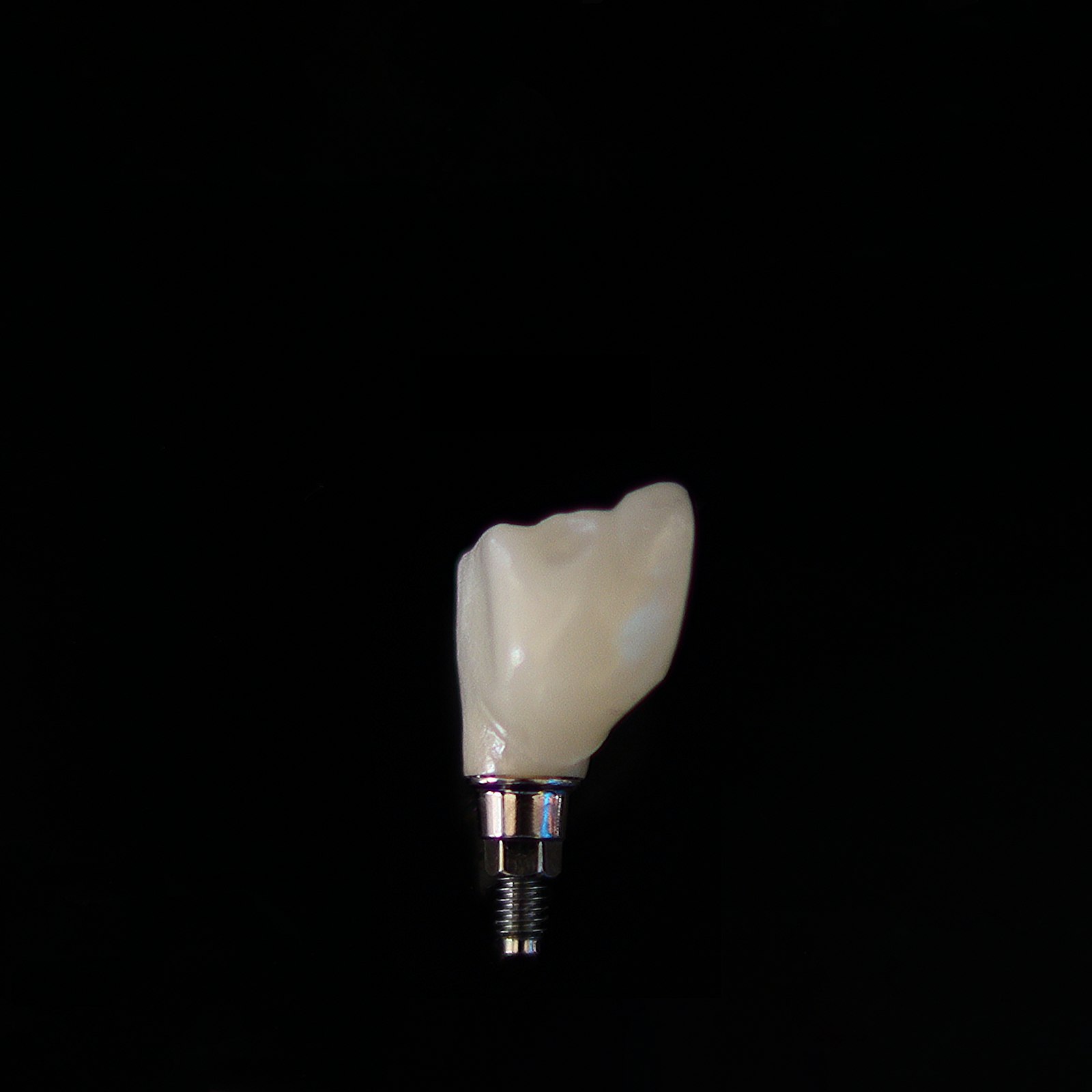

Titanium has been the standard material for dental implants for decades, but a growing number of patients ask about a metal-free option. Zirconia ceramic implants are tooth-coloured, contain no metal, and modern designs now report survival rates approaching those of titanium, with some recent data on two-piece zirconia implants around 98 percent. They are not automatically better or worse than titanium. They are a different tool that suits some situations very well and others less so. This guide explains where zirconia fits, so you can have an informed conversation rather than a sales pitch.
Key takeaways
- Zirconia implants are made from a strong white ceramic and contain no metal.
- Short and medium-term survival is similar to titanium, with modern two-piece zirconia around 98 percent and titanium around 95 to 97 percent over 5 to 10 years.
- Their main advantages are appearance in thin or receding gums and being metal-free.
- Titanium still has the longest track record and more flexible component options, including angled and two-piece systems.
- The right choice depends on the site, your gum thickness, your bite and your priorities, not on marketing.
The one question that guides the choice
The most useful question is not which material is best in general, but which material is best for this gap, in this mouth, for this person. A front tooth in someone with thin gums who dislikes any chance of a grey shadow is a strong case for zirconia. A complex back-tooth situation needing an angled connection might be better served by a two-piece titanium system. Framing the decision around the specific site avoids the trap of treating one material as universally superior.
How zirconia and titanium compare
Both materials integrate with bone through a process called osseointegration, and both can last many years when placed and cared for well. The differences are in the details.
| Factor | Zirconia (ceramic) | Titanium |
|---|---|---|
| Appearance | White, no grey show-through | Grey metal, can shadow thin gums |
| Metal content | None | Titanium alloy |
| Track record | Strong and growing, mostly shorter-term data | Decades of long-term data |
| Design options | Often one-piece, some two-piece | One and two-piece, angled options |
| Plaque resistance | Smooth surface, gum-friendly | Excellent, well studied |
| Typical survival | Around 98 percent in modern studies | About 97 percent at 5 years, 95 percent at 10 |
Where zirconia shines
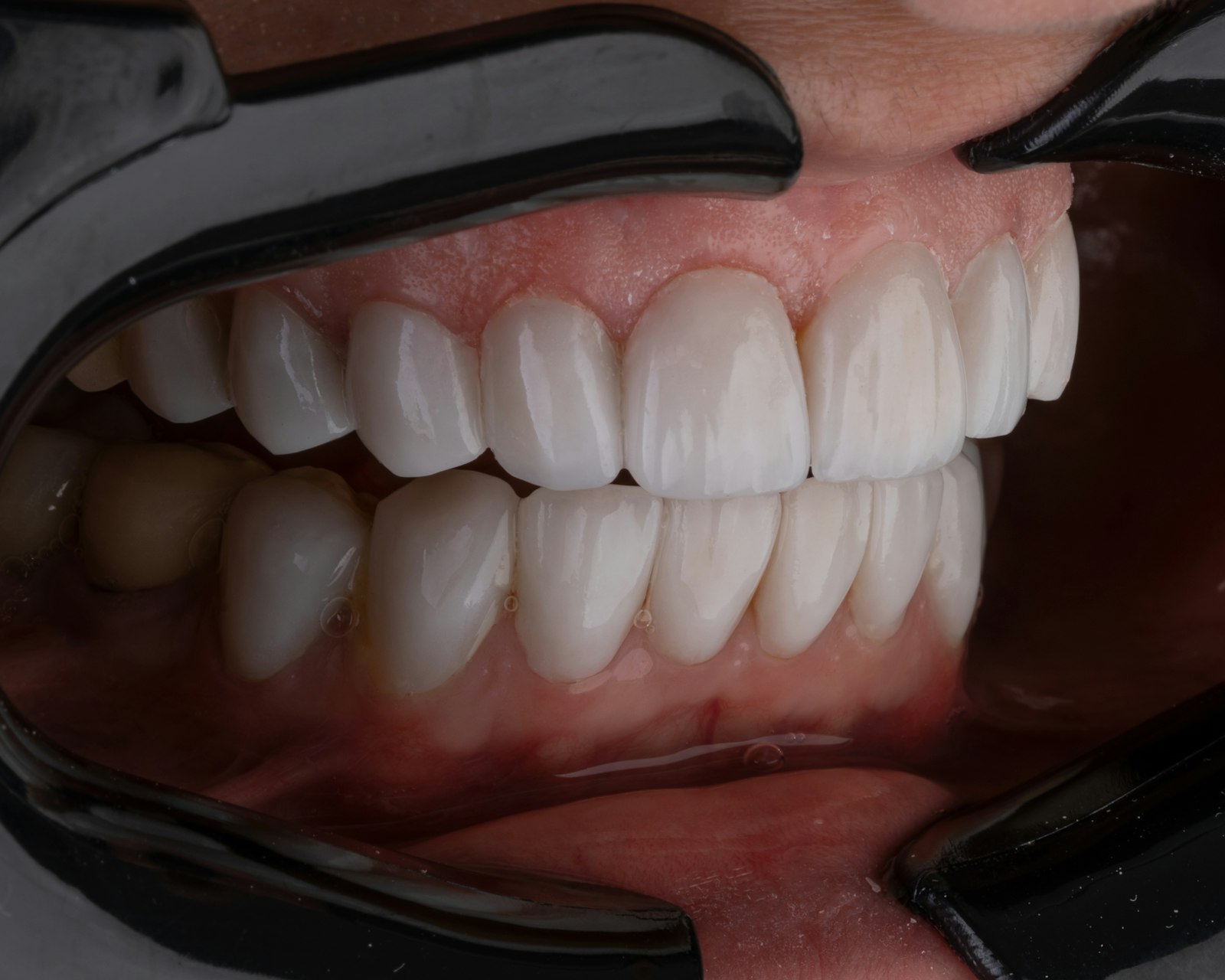
The clearest advantage is in the aesthetic zone, the front teeth that show when you smile. Because zirconia is white, it does not risk the faint grey tint that titanium can cast through thin or receding gum tissue. The smooth ceramic surface is also kind to gums and tends to attract less plaque, which supports long-term soft-tissue health. For patients who simply prefer a metal-free body, whether for personal philosophy or general wellbeing reasons, zirconia offers that option without compromising on a tooth-coloured result.
Where titanium still leads
Titanium has the longest evidence base in dentistry, with reliable outcomes documented over decades. It also offers more engineering flexibility. Two-piece titanium systems let the implant and the connecting abutment be placed at slightly different angles, which is useful when bone position is not ideal. Many zirconia implants are one-piece, which can be excellent in the right case but offers less room to adjust. For complex or heavily restored mouths, titanium is often the more adaptable choice.
What they cost in general terms
Zirconia implants generally sit at the same level as titanium or a little higher, because the material and the laboratory work can be more involved. Across the Australian market, a single implant with its crown commonly falls somewhere in the few-thousand-dollar range, and full treatment plans vary widely with the number of teeth, any bone grafting and the final restoration. These are general market ranges only. Lumi Dental does not list its own prices here, and the only accurate figure is a written quote after an assessment. You can read more about how implant costs are built up in our dental implant cost guide and compare tooth-replacement options in our implant, bridge and denture comparison.
Caring for any implant
Whichever material you choose, an implant lasts longest when the gum around it stays healthy. That means cleaning around it daily, keeping regular maintenance visits and watching for early gum inflammation. The same gum infection that threatens titanium, called peri-implantitis, can affect zirconia too. Our guides to cleaning dental implants and peri-implantitis explain how to protect your investment, and the article on osseointegration covers how implants bond to bone.
Frequently asked questions
Are zirconia implants as strong as titanium?
Modern zirconia is very strong and survives well in studies, though titanium still has the longest proven track record. For most single-tooth situations, both perform reliably when chosen for the right case.
Do zirconia implants look more natural?
In the front of the mouth, often yes, because the white material avoids any grey shadow through thin gums. In back teeth that do not show, the appearance difference matters far less.
Is there less long-term data on zirconia?
Yes. Titanium has decades of evidence, while most robust zirconia data covers shorter follow-up periods. The results so far are encouraging, and research continues.
Can anyone have a zirconia implant?
Not always. The site, your bite, gum thickness and bone shape all matter, and some complex cases are better suited to a two-piece titanium system. An assessment decides what fits.
Are metal-free implants better for my health?
Titanium is very well tolerated and true allergy is rare. Zirconia is a reasonable choice for patients who prefer a metal-free option, but it is a preference rather than a proven medical necessity for most people.
The bottom line
Zirconia ceramic implants are a genuine, tooth-coloured, metal-free option that now performs close to titanium in the short and medium term, and they shine in the visible front of the smile. Titanium keeps the edge on long-term evidence and design flexibility. The right answer comes from assessing your specific situation. The team at Lumi Dental can examine the site and talk you through both options. Because implants are a considered investment, we invite you to arrange a complimentary consultation through our contact page or learn more about our dental implant care. Any estimate is provided as a written quote after assessment.

