
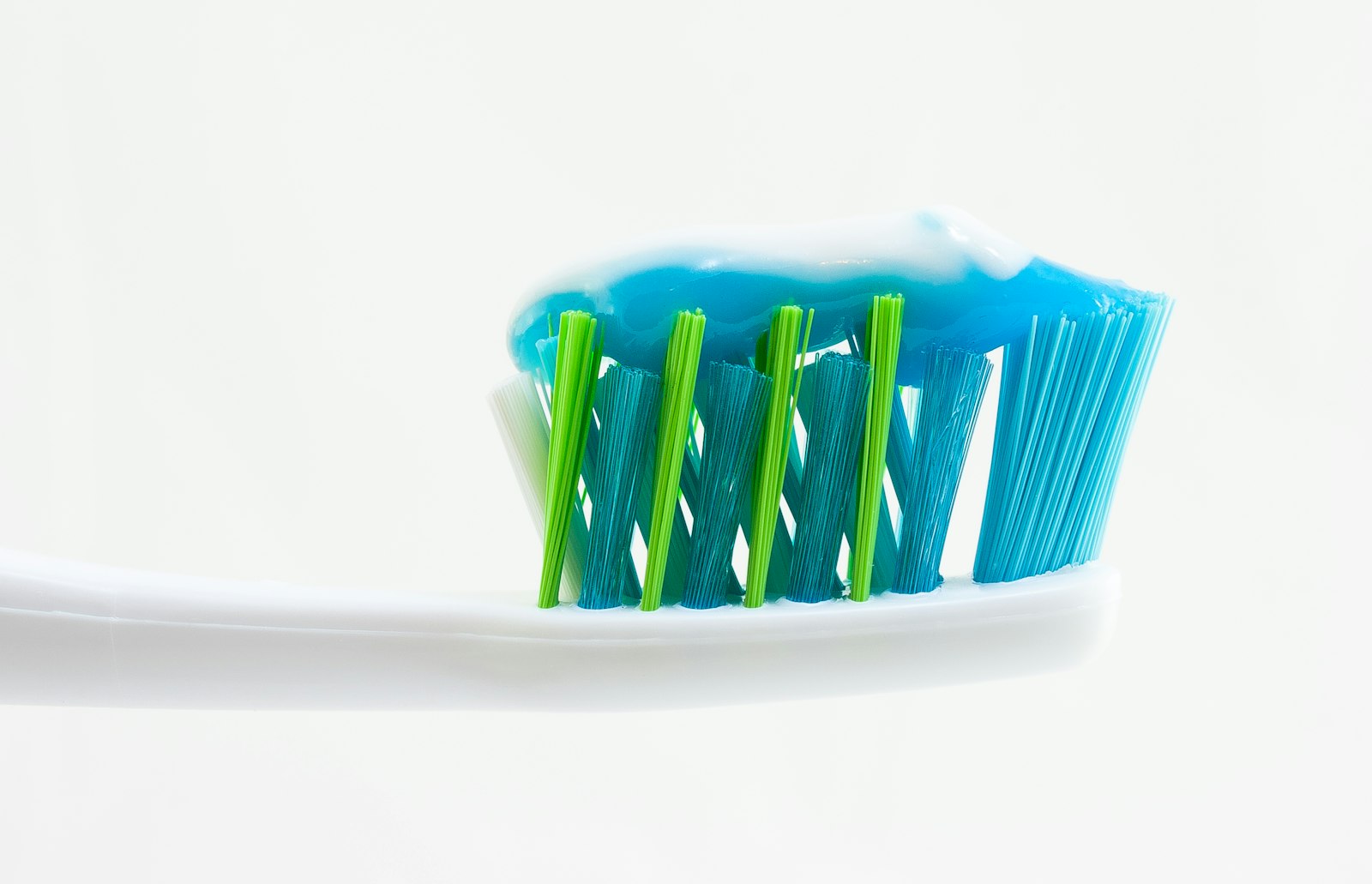

The best toothpaste for receding gums is one with stannous fluoride, which clinical studies show can reduce exposed-root sensitivity within about a week of twice-daily use, or potassium nitrate, which calms the nerve inside the tooth rather than sealing it. Neither ingredient regrows lost gum tissue. What they can do is make exposed roots far more comfortable and help slow down further damage while you deal with the actual cause.
Key takeaways
- No toothpaste regrows gum tissue that has already receded, only a dental assessment can tell you whether grafting or other gum treatment is appropriate.
- Stannous fluoride toothpastes have been shown in clinical trials to reduce root sensitivity within roughly seven days of regular use.
- Potassium nitrate works differently. It desensitises the nerve rather than physically blocking the sensitivity pathway, so it can take two to four weeks to feel the full effect.
- Stannous fluoride and potassium nitrate are rarely combined in one product because they react with each other and shorten shelf life, so most toothpastes pick one or the other.
- Brushing technique matters as much as the toothpaste, heavy-handed brushing with a hard-bristled brush is one of the most common causes of gum recession in the first place.
- Worsening sensitivity, bleeding or visible root exposure is a sign to book a dental check, not a sign to switch toothpaste again.
What actually causes gum recession
Gum recession is rarely caused by one thing. The most common drivers I see in the chair are brushing too hard or with a hard-bristled brush, untreated gum disease, teeth grinding, tobacco use, genetics, and in some cases orthodontic tooth movement that pushes roots outside the bone. Once the gum has pulled back and the root surface is exposed, that area is more prone to sensitivity and decay because root surface doesn't have the same protective enamel layer as the crown of the tooth. If you want the full picture on causes and treatment options, our guide on receding gums causes and treatment goes into more detail.
What toothpaste can and can't do for receding gums
This is the part that gets oversold online. Toothpaste cannot rebuild gum tissue, and any product that claims to "regrow" or "reverse" recession should be treated with scepticism. We've covered the honest answer on that question in does gum tissue grow back and can receding gums grow back. What a well-chosen toothpaste can genuinely do is reduce the day-to-day discomfort of exposed root dentine, and in some formulations, help manage the bacterial plaque that drives further gum inflammation. That's a real, evidence-backed benefit, it's just a different benefit to the one the packaging sometimes implies.
Comparing the active ingredients
| Ingredient | How it works | Typical time to notice a difference | Best suited to |
|---|---|---|---|
| Stannous fluoride | Forms a protective layer over exposed dentine and has antibacterial action against plaque | About 1 week with twice-daily brushing | Sensitivity alongside early gum inflammation |
| Potassium nitrate | Calms the nerve inside the tooth so it reacts less to hot, cold and sweet | 2 to 4 weeks | Sensitivity without much visible gum inflammation |
| Plain high-fluoride toothpaste | Strengthens enamel and exposed root surface against decay | Ongoing protective effect, not designed for sensitivity | Cavity prevention on exposed roots, alongside a separate desensitising product if needed |

Brushing habits that protect your gums, or wreck them
A soft-bristled brush, light pressure and a proper technique matter more long-term than any single tube of toothpaste. Many people brush harder when they feel sensitivity, assuming they need to scrub the problem away, which usually makes recession worse. An electric brush with a pressure sensor can help if you tend to press too hard. It's also worth checking how often you're replacing your brush, a worn-out brush head loses its shape and can encourage heavier pressure without you noticing, which we cover in how often should you replace your toothbrush. If flossing makes your gums bleed, that's usually a hygiene issue rather than a sign to stop, our guide on gum bleeding after flossing explains what's normal and what isn't.
A note on whitening toothpaste and exposed roots
Whitening toothpastes often contain mild abrasives to lift surface stain, which can be too rough for already-exposed root surfaces and may increase sensitivity. If your gums have receded and you're chasing a brighter smile, it's worth reading teeth whitening sensitivity causes and relief before reaching for a whitening formula, or asking about whitening options that are gentler on exposed roots.
When toothpaste isn't enough
If you've used a desensitising toothpaste consistently for three to four weeks and sensitivity hasn't improved, or if the visible recession is getting worse, that's the point to book an assessment rather than trial another product. A dentist can check whether the recession is linked to active gum disease, grinding, or brushing habits, and can offer in-chair options such as professional desensitising treatments or, for more advanced cases, a referral for gum grafting. See sensitive teeth causes and treatment for the broader picture on when sensitivity needs a professional look rather than a home remedy.
Frequently asked questions
Can receding gums grow back on their own?
No. Gum tissue that has receded doesn't regenerate on its own, though the process can often be slowed or stopped once the underlying cause is addressed.
Is using a sensitive toothpaste long-term bad for my teeth?
No, desensitising toothpastes are safe for ongoing daily use and many people use them indefinitely once they find one that works.
How long before I notice a difference with sensitive toothpaste?
Stannous fluoride formulas can show a difference in about a week, while potassium nitrate formulas typically take two to four weeks of consistent use.
Should I brush harder on the areas that feel exposed?
No, brushing harder on sensitive or receded areas usually makes things worse. Light pressure with a soft brush is the safer approach.
Can gum recession eventually lead to tooth loss?
Advanced, untreated gum recession linked to periodontal disease can contribute to bone loss around a tooth over time, which is why it's worth having ongoing recession checked rather than managed with toothpaste alone.
Does the toothbrush matter more than the toothpaste I choose?
Both matter, but a soft brush and gentle technique address the cause of recession, while toothpaste mainly manages the symptom of sensitivity.
Can I use a stannous fluoride toothpaste every day?
Yes, it's designed for regular twice-daily brushing as part of a normal oral hygiene routine.
This article is general information and not a substitute for personal dental advice. If your gums are receding or feel sensitive, the Lumi team can take a look and talk you through your options, check our current deals or book in with our general dentist in Melrose Park.


