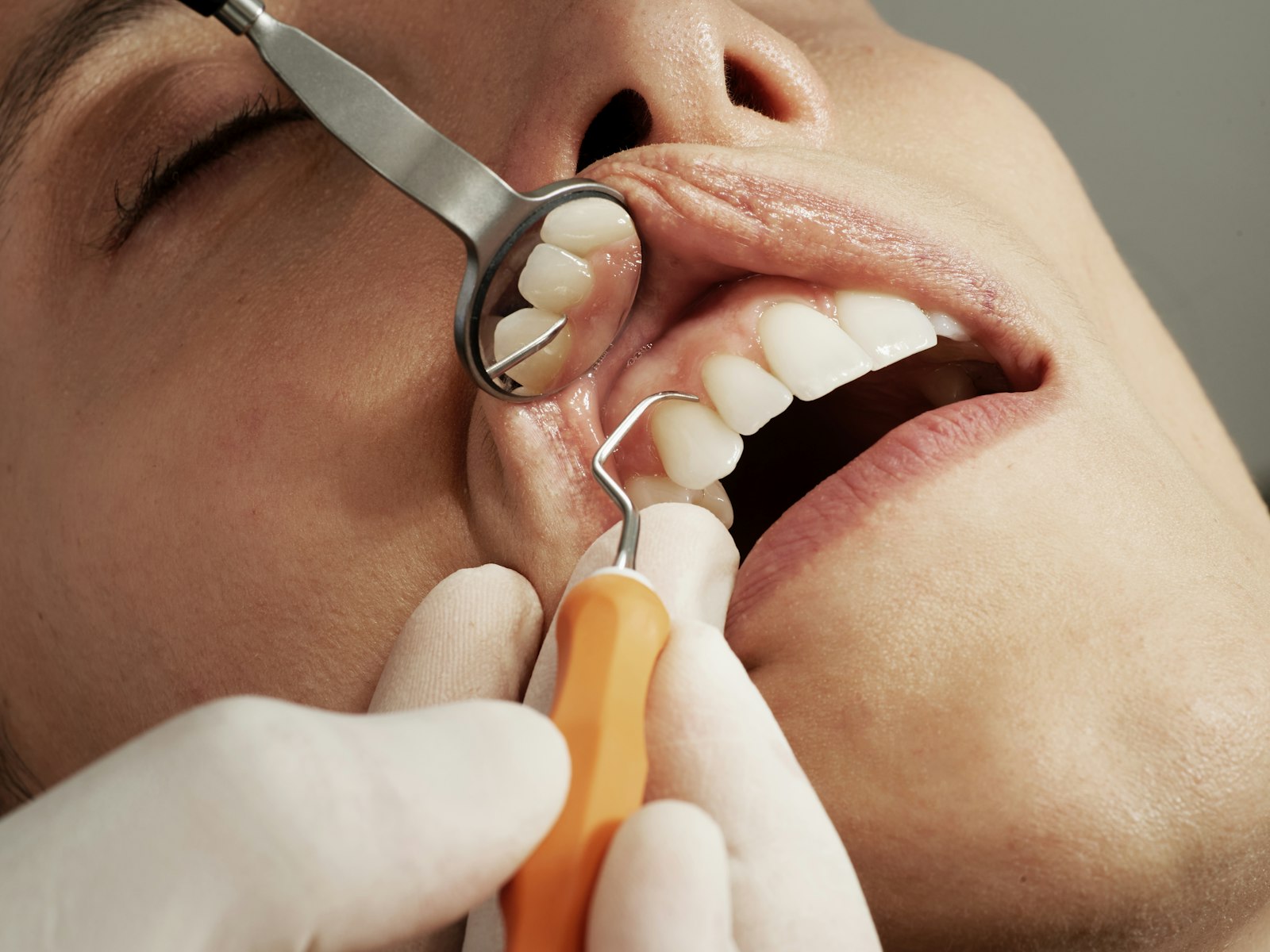
If your bite feels high after a filling, get it checked rather than waiting it out. The adjustment usually takes a few minutes and often needs no anaesthetic at all. A high filling means the new restoration sits fractionally taller than the rest of your bite, so that one tooth takes the first and hardest contact every time your teeth meet. Left alone it tends to get sorer, not better.
It is one of the quickest problems in dentistry to fix. What frustrates me is how often patients tell me they put up with it for a month because they read that it would settle.
Key Takeaways
- A high filling sits taller than the surrounding teeth, so it takes the first hit when you close.
- You cannot judge your own bite while you are numb, which is why a high spot often only becomes obvious hours later.
- Mild sensitivity to hot, cold or pressure after a filling is common and typically fades within 2 to 4 weeks.
- A high bite is one of the most common causes of pain that keeps going after a filling.
- Do not wait for a high bite to settle. Continued heavy biting inflames the ligament around the root and makes it worse.
- An occlusal adjustment takes a few minutes, usually needs no needle, and often relieves the discomfort straight away.
What a high filling actually is
Your teeth meet in a very specific pattern. The contacts are shared across many teeth at once, and the margin for error is tiny. Most people can detect a difference in their bite well under a tenth of a millimetre. That is finer than a sheet of paper.
When a filling is placed, the dentist rebuilds the chewing surface by hand and then checks the height with articulating paper. If the new surface ends up even slightly proud of where the old surface sat, that tooth now closes first. Instead of the load being shared across a whole row of teeth, one tooth absorbs it. Every swallow, every chew and every clench sends that force down a single root.
Around each root there is a thin layer of fibres called the periodontal ligament. It acts like a shock absorber and it is loaded with nerve endings. Overload it and it becomes inflamed and tender in the same way a sprained joint does. That is why a high filling produces a specific kind of pain: a dull ache that builds through the day, plus a sharp jolt when you bite on that exact tooth.
Why you cannot judge your bite while you are numb
Local anaesthetic does not just block pain. It dulls the fine pressure feedback from the ligament and the muscles, and it often numbs the lip and cheek, which changes how you close. When the dentist asks you to tap together and say whether it feels even, you are answering with half your sensors switched off.
Most people give the same answer, which is that it feels fine. Then the anaesthetic wears off two or three hours later, they eat dinner, and suddenly one tooth is hitting first. This is not carelessness on anyone's part. It is a known limitation of checking a bite on a numb patient, and it is exactly why practices ask you to ring back if it feels off once the numbness has gone.
Pay deliberate attention that evening. Close slowly, tap gently, then slide your jaw side to side. If one point makes contact first, make the call.

High bite or ordinary post filling sensitivity?
Both are common, and they feel different. Ordinary post operative sensitivity is usually a sharp, brief response to cold or sweet that stops within a second or two of removing the trigger. It comes from the tooth adjusting to being drilled and restored, and most of it settles within 2 to 6 weeks.
A high bite is a pressure problem. The tooth feels like it hits first. It aches rather than zings, the ache builds over hours, and the tooth can feel slightly loose or bruised. Cold may not bother it at all. If your main complaint is that biting hurts, think bite before you think nerve. For biting pain more generally, including causes that have nothing to do with a recent filling, our guide to why a tooth hurts when biting down covers the wider picture. This article is specifically about the days and weeks after a filling.
| What you notice | Likely cause | What happens next |
|---|---|---|
| One tooth clearly hits before the others when you tap together | The filling is high | Quick occlusal adjustment, usually a few minutes and no needle |
| Dull ache that builds through the day and is worse after eating | Inflamed ligament from repeated heavy contact | Adjust the bite, then rest the tooth for a few days while it calms |
| Sharp, brief zing to cold or sweet that stops immediately | Normal post operative sensitivity | Sensitive toothpaste and time, review if still there past about 6 weeks |
| Tender gum next to the tooth, sore to touch, bite feels odd for a day or two | Bruised or swollen gum from the appointment | Warm salt rinses, settles in 2 to 3 days without treatment |
| Lingering throb after hot food, or pain waking you at night | Possible nerve inflammation inside the tooth | Examination and X ray to check the nerve status |
| Bite still painful beyond about 4 weeks and not improving | Deeper problem such as a crack or nerve involvement | X ray and full assessment rather than another adjustment |
Why waiting is the wrong advice
Plenty of pages on this topic say to give it time to settle. In my experience that advice quietly causes harm. A high spot does not wear down politely. What actually happens is that you keep loading one tooth thousands of times a day, the ligament stays inflamed, and the tooth becomes progressively more tender.
Two things follow. First, you start guarding, which means chewing on the other side, and that often triggers jaw muscle soreness and headaches within a fortnight. Second, sustained overload on a tooth that has already been drilled raises the risk of the nerve inside becoming irritated enough that it does not recover. A problem that would have taken five minutes to fix can become a root canal conversation.
One exception is worth stating fairly. If the difference is barely detectable, the bite can even out in a day or two. But you do not need to guess.

What to say when you ring the practice
Reception staff triage by the words you use, so be specific. Saying you have a sore tooth gets you a standard appointment. Saying the following gets you the right one.
- Say the date of the filling and which tooth it was.
- Say the words "my bite feels high" or "that tooth hits first when I close".
- Say whether the pain is on biting, on cold, or both.
- Say whether it is getting better, staying the same, or getting worse.
- Ask for a bite adjustment appointment specifically.
Getting the bite right is part of the job, so do not feel awkward about asking.
What the adjustment appointment actually involves
It is far less dramatic than people expect. You are not numbed, because the whole point is that you need to feel your bite accurately.
The dentist places a strip of coloured articulating paper between your teeth and asks you to tap together, then to grind side to side and forward. A high spot shows up as a dense, dark mark on the new filling while neighbouring teeth barely mark.
A fine polishing bur removes a whisper of material from that spot. Then the paper goes back in and you tap again. Mark, adjust, recheck, repeat. It usually takes two or three rounds until the marks are spread evenly across your teeth. The surface is then polished smooth so it does not feel rough to your tongue and does not attract plaque.
Many patients notice relief in the chair. Others feel better over the next 2 to 5 days as the ligament settles. If the tooth had been high for weeks, expect the tenderness to fade more slowly.
When it is the gum, not the filling
A tooth can feel high for a day or two for reasons that have nothing to do with the filling height. If a clamp, a matrix band or a wedge was used between the teeth, the gum can be bruised and swollen. Swollen tissue changes how the area feels when you close, and a tender gum can make the tooth itself feel raised.
The tell is where the soreness sits. Gum bruising is sore when you touch or brush the gum, it often looks slightly red or puffy, and it eases day by day. A high filling is sore when you bite, the gum looks normal, and it does not ease. Gum soreness responds to warm salt water rinses and gentle brushing. A high bite does not respond to anything except adjusting it.
When you need an X ray instead
If pressure pain is still there beyond about 4 weeks, or it is not clearly improving, the answer is not another shave off the filling. At that point an X ray is warranted to look for decay under the restoration, a crack running through the tooth, or inflammation at the root tip suggesting the nerve is involved. Our guide to dental X rays and how often you need them explains what these images show and the radiation involved.
Deep fillings close to the nerve carry a small chance of the nerve not recovering, whatever material is used. That risk drops if a high bite is corrected early, which is the whole argument for not waiting.
Common questions
How long should a filling feel high before I do something?
No longer than 2 to 3 days. If the bite still feels uneven once the anaesthetic has fully worn off and you have slept on it, ring the practice. There is no benefit in waiting a fortnight to see, and there is a real cost if the tooth becomes inflamed in the meantime.
Will the high spot wear down on its own?
Rarely, and not fast enough to help. Modern composite and ceramic materials are hard and wear slowly. Amalgam can burnish slightly under load but not reliably. Meanwhile the ligament around the root is being overloaded every day, so you are trading a five minute fix for weeks of soreness.
Does adjusting the filling weaken it?
No. The dentist is removing a very small amount of material from the biting surface, well within the bulk of the restoration. The filling is then repolished. If the material has to be reduced so much that the shape is compromised, that usually points to a different problem, such as the filling being too large for the tooth, and a crown or onlay may be discussed instead.
Can a high filling cause jaw or ear pain?
It can. When one tooth hits first, the jaw muscles work harder to find a comfortable position and often start to ache. That soreness is commonly felt in front of the ear, along the jawline or as a tension headache. Correcting the contact usually settles the muscle pain over the following week or two.
Is this more likely with white or silver fillings?
Either material can end up high. What matters more is the size of the filling and how numb you were at the check. If you are weighing up materials for a future filling, our comparison of white versus silver fillings and our guide to filling costs in Sydney are good starting points. If your main issue is cold sensitivity rather than biting, read about sensitive teeth causes and treatment.
Get the bite checked
If a filling feels high, book a check with the team at Lumi Dental in Melrose Park rather than waiting to see. It is a short appointment, it usually needs no anaesthetic, and it saves you weeks of soreness. You can see what is currently available on our current offers page, or read more about general dentistry in Melrose Park. The practice is open Monday to Saturday, with Sunday by appointment.
This article is general information and is not a substitute for individual advice from a dentist who has examined you.