

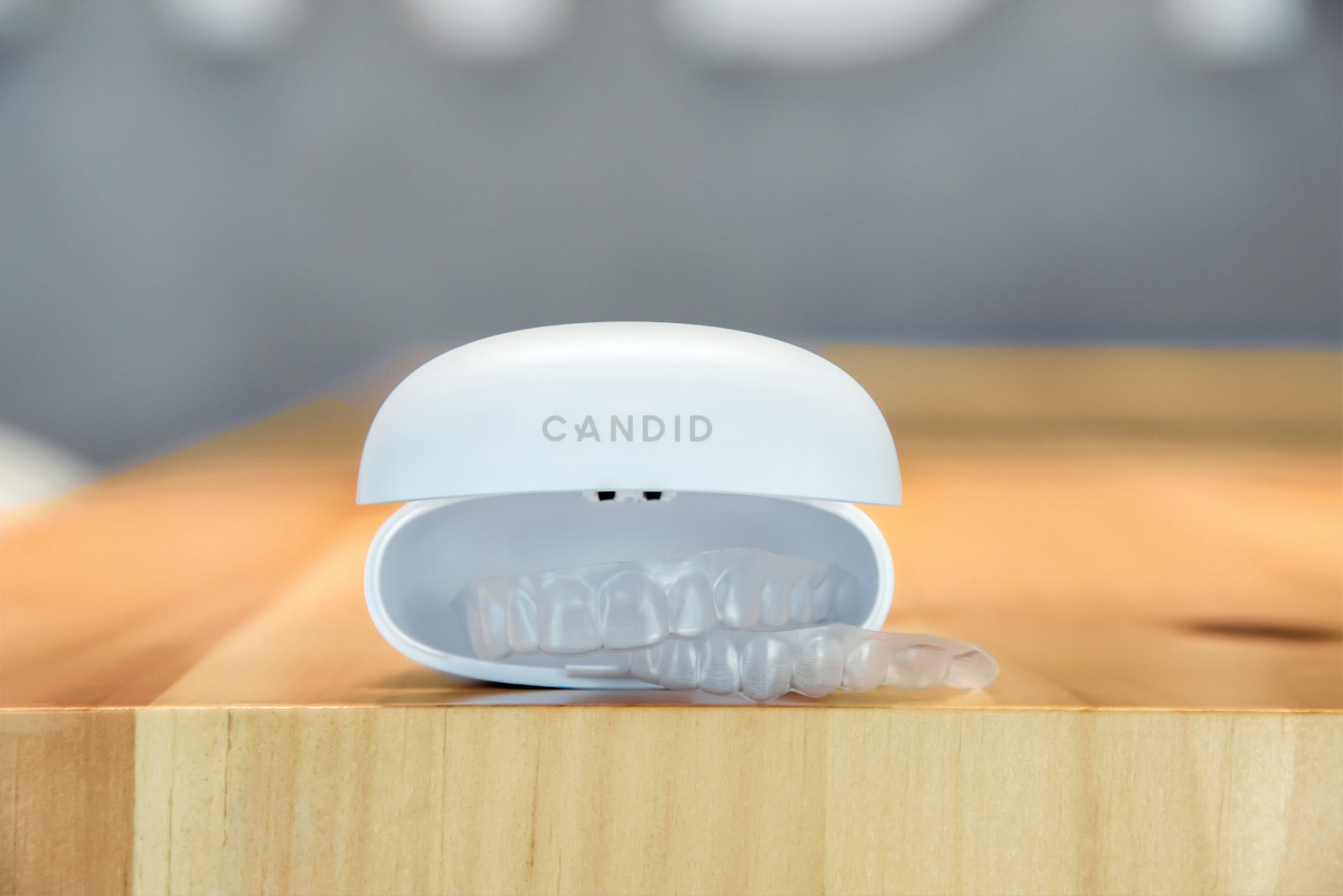

If your fixed retainer has come loose or snapped, book a dental appointment as soon as you can and avoid touching or pulling at the wire in the meantime. A fixed (bonded) retainer holds your teeth in their straightened position around the clock, so once it fails, your teeth can begin to drift within days. Acting quickly is the single best thing you can do to protect the result of your orthodontic treatment.
Here is how to manage a broken retainer safely until you are seen, and what your dentist will likely do about it.
Key takeaways
- A broken or detached fixed retainer should be checked by a dentist within a few days, not weeks.
- Do not use household glue to fix it yourself. It is not safe to put in your mouth.
- Cover any sharp wire with orthodontic wax and stick to soft food until it is repaired.
- Teeth can start to shift within days to weeks of losing retention, especially soon after braces.
- In many cases the wire can simply be recleaned and rebonded in a single visit.
Early signs a fixed retainer is failing
A retainer rarely fails without warning. Signs worth acting on before it fully detaches include a wire that feels rough or loose against your tongue, a small movement you can see or feel in one tooth, or a section of the bond looking chipped when you check in the mirror. Catching these early often means a simple touch-up rather than a full repair.
Why a broken retainer is worth acting on quickly
A fixed retainer is a thin wire bonded to the back of your front teeth, usually the lower ones, sometimes the upper ones too. Its whole job is to stop the teeth from drifting back towards where they used to be. When the bond fails at one end or the wire itself snaps, that resistance is gone at exactly the point where it failed, and the tooth or teeth nearby lose their support. Relapse is not usually dramatic in the first few days, but the risk grows the longer it is left, particularly if you finished orthodontic treatment recently, when the surrounding bone and ligament are still settling. Our guide to retainer types and how long to wear one explains why long-term retention matters so much.
What to do straight away
- Do not pull or fiddle with the wire. This can bend it further or detach it completely from a tooth that is still holding.
- Cover a sharp or poking end with a small piece of orthodontic wax, available from most pharmacies, so it does not cut your cheek or tongue.
- Rinse with warm salt water if the gum feels irritated.
- Eat softer foods and avoid biting directly on the area until it is checked.
- Call your dentist promptly rather than waiting for your next routine visit.
Never use superglue or any household adhesive to reattach a retainer yourself. These products are not designed for use in the mouth and can be harmful if swallowed or if they bond the wire in the wrong position.

What your dentist will do
The repair usually depends on what has actually happened to the wire.
| What happened | Typical fix |
|---|---|
| Wire has come loose from one tooth but is intact | Clean the tooth surface and rebond the same wire, often in one visit |
| Wire has snapped or is deformed | Replace the retainer wire entirely |
| Retainer has been missing or unattached for a while | Check for any tooth movement first, sometimes with new impressions or a scan |
What does repairing a fixed retainer typically cost?
Costs vary between practices and depend on whether the wire can be recleaned and rebonded or needs to be replaced. As a general guide, a simple rebond is often in the order of $80 to $200, while a full replacement retainer tends to sit higher, in the order of $150 to $400. These are general market ranges only, not a quote. Ask your dentist for a written estimate before any treatment, and see our current offers for what is available.
If your teeth have already started to shift, your dentist can talk you through the options, which range from a new retainer to a short course of clear aligners to nudge things back before fitting a fresh retainer. Our guide to getting your braces off covers how retention starts straight after treatment finishes, and our piece on life with a retainer long term looks at what ongoing care looks like.
Could a removable retainer suit you better?
If your fixed retainer keeps failing, it is worth asking your dentist whether a removable retainer, worn nightly, might be a better fit going forward. Both types work well when they are actually worn or intact, and our comparison of fixed versus removable retainers sets out the pros and cons of each so you can make an informed choice with your dentist.
Looking after a fixed retainer so it lasts
- Floss carefully around the wire daily, using a floss threader or interdental brushes designed for the job. Our guide to cleaning a retainer or night guard has the technique.
- Avoid biting hard or sticky foods directly on the front teeth, such as ice, hard lollies, or biting into whole apples.
- Have it checked at your regular dental visits so a loose section is caught before it fully detaches.
Frequently asked questions
How urgent is a broken fixed retainer?
Fairly urgent. It is not a dental emergency in the sense of severe pain, but teeth can begin to move within days to weeks without retention, so aim to be seen within a few days.
Can I glue my retainer back on myself?
No. Household or craft glues are not safe for use in the mouth. Cover any sharp wire with orthodontic wax and see a dentist for a proper repair.
Will my teeth move if the retainer is broken for a few days?
A few days is unlikely to cause noticeable movement for most people, but the risk increases the longer it is left, especially in the first year after orthodontic treatment.
Does fixing a broken retainer hurt?
No. Rebonding a wire is a straightforward, painless procedure similar to how the retainer was originally fitted.
What if the retainer cannot be repaired?
If the wire cannot be reused, your dentist can bond a new one, or discuss switching to a removable retainer if that suits your situation better.
The takeaway
A broken fixed retainer is common and usually simple to fix, but it is worth treating as time sensitive rather than something to leave for your next check-up. Cover any sharp wire, avoid DIY repairs, and get it seen within a few days. To book an appointment or ask about your options, see our current offers or visit our general dentistry page.
This article is general information and not a substitute for an individual dental assessment.

