Yes, you can usually still get a dental implant if you have untreated tooth decay somewhere else in your mouth, but most dentists will want that decay treated first, because active infection or disease can affect how predictably an implant heals. A missing tooth and a decayed tooth are two separate problems, and it's tempting to think of them that way. But a dentist planning an implant isn't just looking at the gap. They're looking at the whole mouth, because the mouth needs to be in a stable, disease-free state before it's asked to support something new.
Key takeaways
- Untreated decay is not a permanent block on getting a dental implant, but it usually needs to be treated first.
- Active infection anywhere in the mouth can affect healing, even if the decayed tooth isn't near the implant site.
- A proper implant consultation always includes a full-mouth check, not just an assessment of the missing tooth.
- Treating decay (a filling, crown, root canal or extraction) is usually quick and doesn't add much time to the overall timeline.
- Skipping this step raises the risk of complications around the implant later on, including peri-implant infection.
- Once decay is treated and the mouth is stable, most people become suitable implant candidates again.
Why a missing tooth doesn't mean the rest of your mouth is healthy
It's a common assumption that if one tooth is gone, the rest of the mouth is fine. In practice, decay is often found somewhere else during the same assessment, particularly in people who haven't had a full-mouth check-up in a while. Cavities can sit quietly for a long time without pain, especially between teeth or under old fillings, so a patient may have no idea decay is present until it shows up on an X-ray.
This matters for implant planning because dentists aren't just assessing the empty socket. They're assessing whether the mouth as a whole is a stable base to build on. Gum health, bite, bone volume and the condition of the remaining teeth all factor into the decision, alongside general health. If you'd like a refresher on how a healthy implant actually anchors into the jaw once it's placed, our guide to how dental implants fuse to bone explains the biology in more detail.
Why active decay can affect implant healing
The concern with untreated decay isn't usually that the decayed tooth is physically close to the implant site. It's that active infection or unmanaged disease anywhere in the mouth signals the mouth isn't in a stable state, and instability can make healing less predictable. Bacteria from an infected or decayed tooth can spread through the mouth, and a body that's already fighting one dental infection may not respond to implant surgery as reliably as it would in a healthy, stable mouth.
This is a similar principle to what's discussed with gum disease and implants. Active periodontitis is generally treated and brought under control before implant placement for the same reason, active disease undermines the foundation the implant needs. You can read more in our article on dental implants with gum disease if that applies to you as well.
What "treat first" typically involves
Once decay is identified, the treatment depends on how advanced it is:
- Early decay may only need a straightforward filling.
- More advanced decay reaching the nerve may need a root canal and a crown to protect what's left of the tooth.
- A tooth that's too badly broken down to save may need extraction.
Each of these is a well established, routine procedure on its own. The goal is simply to remove the source of infection or disease and get the mouth back to a stable baseline before adding an implant into the plan.

Does treating decay first delay the implant timeline?
Usually not by much. Treating a cavity or placing a crown typically takes one or two appointments and doesn't require the same healing window as implant surgery itself. The parts of implant treatment that genuinely add time are healing after an extraction, and building up bone if there isn't enough to support the implant, which sometimes involves a bone graft or sinus lift. You can read more about when that's needed in our article on bone grafts and sinus lifts for dental implants. Treating a separate decayed tooth is a smaller, faster step by comparison, and it's usually folded into the early part of the overall plan rather than adding a long delay.
What happens if decay is left untreated and an implant goes ahead anyway
Skipping proper treatment of active decay or infection before implant placement raises the risk of complications. These can include slower or less predictable healing, and a higher chance of problems around the implant later, sometimes called peri-implant disease, where inflammation or infection develops around the implant itself. It's a similar risk profile to smoking and implants, where an unmanaged risk factor at the time of placement can affect long-term success. If that's relevant to you, our article on dental implants and smoking covers it in more depth. This is general information rather than a substitute for an individual dental assessment, since every mouth and medical history is different.
| Situation | Typical approach | Effect on implant timeline |
|---|---|---|
| Small cavity, no symptoms | Filling, then proceed to implant planning | Minimal delay |
| Deep decay reaching the nerve | Root canal and crown first | Small to moderate delay |
| Tooth too damaged to save | Extraction, healing, possible bone graft | Longer delay, healing time needed |
| Active gum disease | Periodontal treatment and stabilisation first | Moderate delay until gums are healthy |
The full-mouth-first mindset
Many people book an implant consultation expecting the conversation to be entirely about the missing tooth. A thorough consultation usually starts wider than that, with a full check of the remaining teeth, gums and bone before any implant plan is finalised. It can feel like an extra step, but it's what protects the investment of time and effort that goes into an implant, since implants are typically designed to last many years when the surrounding mouth is healthy. Once the implant has been placed and has fully integrated, ongoing home care also plays a role in keeping it healthy long term, which our guide on how to clean dental implants at home walks through. It's also worth knowing what warning signs to watch for later on, covered in our article on dental implant failure signs.
Frequently asked questions
Can I get an implant on the same day I have a filling done elsewhere in my mouth?
It depends on the individual case. Some straightforward situations may allow treatment to be planned close together, but a dentist will usually want to confirm the treated tooth is settled and the mouth is stable before finalising an implant plan.
Will untreated decay stop me from ever being eligible for an implant?
No. Untreated decay is not a permanent disqualification. Once it's treated and the mouth is stable, most people are suitable candidates again, assuming other factors like bone volume and general health are also favourable.
Does decay in a tooth far away from the implant site still matter?
Yes. The concern is less about physical distance and more about whether there's active infection or disease anywhere in the mouth, since this can affect healing throughout.
How long does it typically take to treat decay before starting implant planning?
Simple decay can often be treated in one or two visits. More involved cases, such as a root canal or extraction with healing time, can take longer. A dentist can give a clearer estimate after an assessment.
Can early decay be reversed instead of filled?
Very early decay, before it has broken through the enamel surface, can sometimes be managed and even reversed with fluoride and improved home care. Our article on reversing early tooth decay explains how that works. More advanced decay generally needs a filling or other restorative treatment.
What causes tooth decay in the first place?
Decay develops when bacteria in plaque produce acid that breaks down enamel over time, usually linked to diet, oral hygiene habits and other individual risk factors. Our guide to cavities and tooth decay causes and prevention covers this in full.
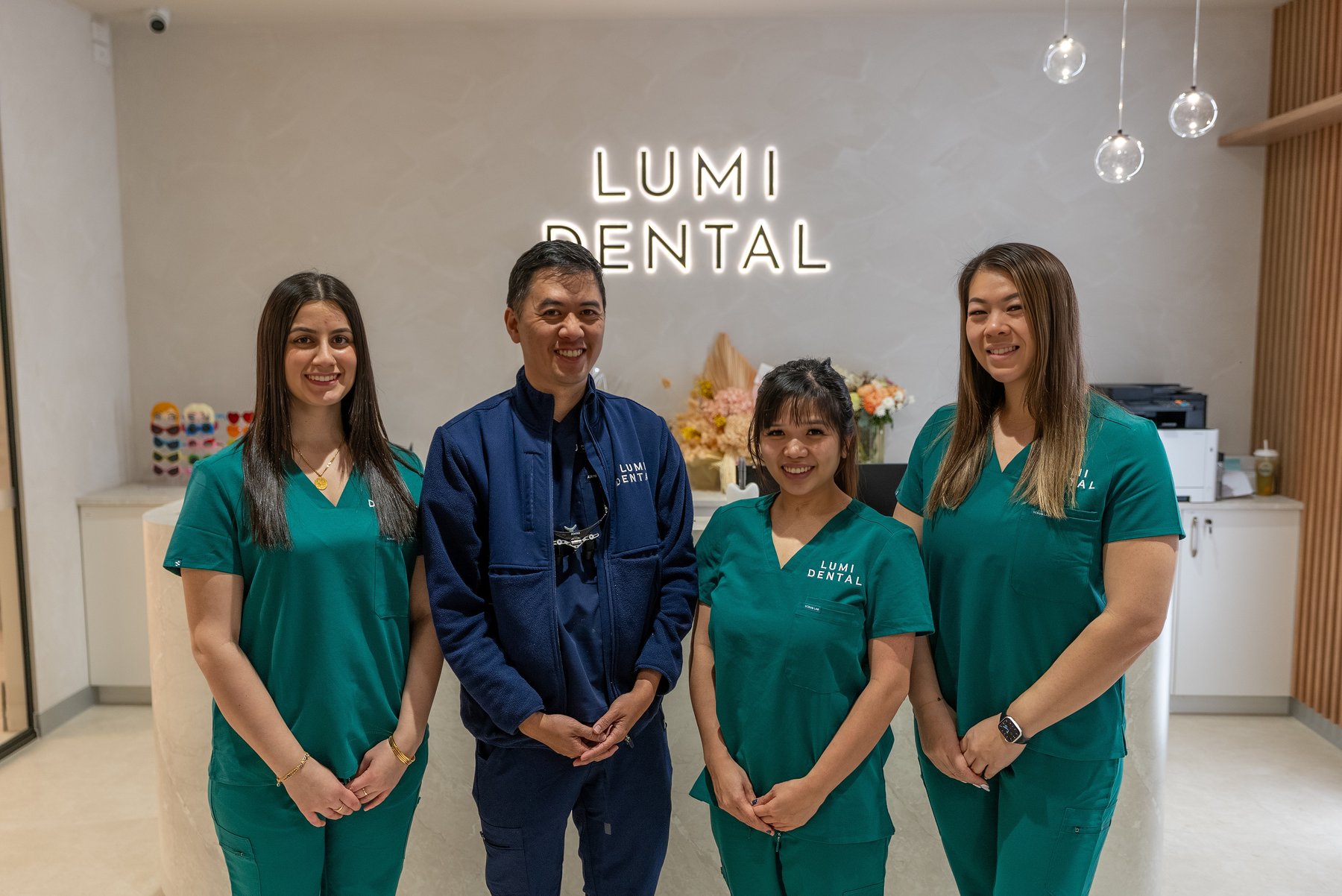
If you're considering a dental implant and want a clear, honest read on what your mouth needs first, the team at Lumi Dental offers a complimentary consult to talk through your options, including a full assessment of any decay or gum concerns before any implant planning begins. You can learn more on our dental implants page, or check current offers on our deals page.