
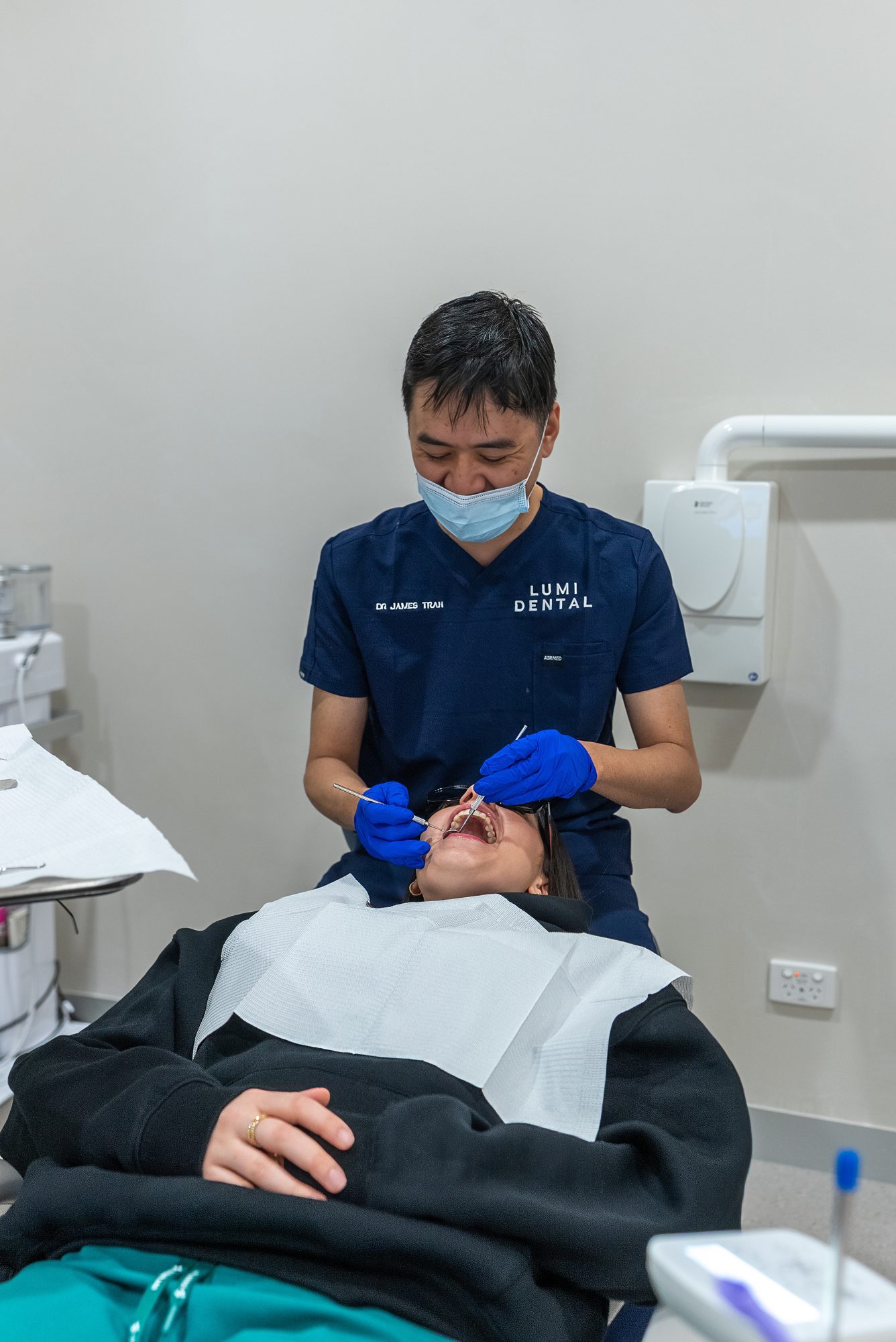

Children with haemophilia or von Willebrand disease can have check-ups, cleans and preventive care at the dentist much like any other child, and prevention matters even more for them, because it is extractions and some numbing injections, not routine visits, that need planning with the haemophilia treatment centre. Haemophilia Foundation Australia notes that routine check-ups and teeth cleaning are generally safe without factor replacement. Von Willebrand disease is common: the Foundation estimates that 1 in 1,000 people have a form that needs medical treatment. This guide is for parents of children with haemophilia or von Willebrand disease.
Written by Dr James Tran, BDent (University of Sydney), MICOI, GradDip (Oral Implants), general dentist at Lumi Dental in Melrose Park.
The short version
- Check-ups and cleans are generally safe without factor, and prevention keeps children away from extractions.
- The single rule: start check-ups early, and tell both the dentist and the haemophilia treatment centre before any filling, extraction or nerve block.
- For a mouth bleed, ice is the first step. An icy pole often works better for young children than gauze.
- Call the treatment centre if a mouth bleed keeps going for 15 to 30 minutes, keeps stopping and starting, or your child vomits.
- Bleeding gums usually come from plaque, not the bleeding disorder. Keep brushing gently. Our guide to bleeding gums when brushing explains why.
- Baby teeth falling out naturally usually do not need factor cover.
Haemophilia and von Willebrand disease in plain words
Haemophilia Foundation Australia explains that haemophilia A, the more common type, is caused by too little clotting factor VIII, and haemophilia B by too little factor IX.
Von Willebrand disease (VWD) works a little differently. The Foundation describes von Willebrand factor as a glue that helps platelets stick to a damaged blood vessel. It also protects factor VIII, so some people with VWD have lower factor VIII as well. Many people with VWD do not know they have it until they bleed more than expected after surgery or a dental extraction.
Your child's haematology team manages factor, other medicines and the overall plan. The dentist keeps the mouth healthy and plans any treatment with that team. For adults, the same partnership applies, as our guide to dental implants with haemophilia or VWD describes.
Why mouth bleeds can be slow to settle
A clinical nurse consultant at Sydney Children's Hospital, writing for Haemophilia Foundation Australia, explains why: the mouth has many blood vessels. Saliva contains enzymes that can break down a weak clot. Chewing, a curious tongue, a finger or a toy can knock a clot loose.
First aid for a mouth bleed
- Ice is the main first aid. If there is no ice, rinsing with very cold water may help.
- For children, an icy pole is often easier than gauze, which young children often will not tolerate. It keeps cold in the mouth for longer.
When a mouth bleed needs medical help
The same article advises getting help when bleeding is continuous for longer than 15 to 30 minutes, when it stops with first aid but keeps restarting, or if your child vomits, which can mean a lot of blood has been swallowed. If in doubt, call the centre.

Baby teeth: wobbly teeth and losing them
Parents often worry most about baby teeth coming out. Haemophilia Foundation Australia quotes the Australian consensus statement on dental treatment in inherited bleeding disorders: in children, normal loss of baby teeth does not require clotting cover, and persistent oozing should first be managed with local measures such as pressure and a tranexamic acid solution.
A systematic review of dental recommendations in haemophilia adds that bleeding after a baby tooth comes out is usually not prolonged. It describes firm pressure on the socket with a damp gauze swab for 15 to 30 minutes, and advises parents to contact the treatment centre if bleeding persists beyond six hours.
Let wobbly teeth come out on their own rather than pulling them early. Our article on when to pull a wobbly baby tooth covers what normal looseness looks like.
Bleeding gums when brushing: keep going
When gums bleed, it is natural to skip the area. A haemophilia nurse consultant writing for the Foundation is clear that haemophilia does not cause gum bleeding. Plaque does, by inflaming the gum. The article puts it plainly: no matter how much factor is given, if the plaque is not removed, the bleeding will continue.
So the answer is gentle brushing twice a day with a soft brush and fluoride toothpaste, plus cleaning between the teeth once your dentist shows you how. Gum bleeding often eases once plaque is cleared regularly. If it does not, or it seems heavy, see the dentist and let the treatment centre know. In my experience, once parents see the gums firm up, brushing stops feeling like a risk.
The single rule: prevention first, and tell both teams before treatment
Start dental check-ups early and treat prevention as the main dental treatment. The systematic review notes World Federation of Hemophilia advice that dental visits should begin when the first baby teeth come through.
Prevention is the same toolkit as for any child, used consistently:
- Brush twice a day with a fluoride toothpaste, with a parent helping until the child can do it well.
- Drink tap water. The Foundation points out that bottled water usually does not contain fluoride.
- Keep sugary snacks and drinks to mealtimes.
- Ask about fluoride varnish at check-ups.
- Ask whether fissure sealants suit the back teeth. Sealing the grooves does not involve injections.
Before any filling, extraction or numbing injection, tell the dentist about the bleeding disorder and contact the treatment centre. The Foundation's advice is to contact the centre before any surgery in the mouth, however small, whether it is urgent or planned.
Which treatments need planning with the treatment centre
Every child's plan is set by their haematologist, so treat this as a guide to the questions to ask.
Usually lower risk
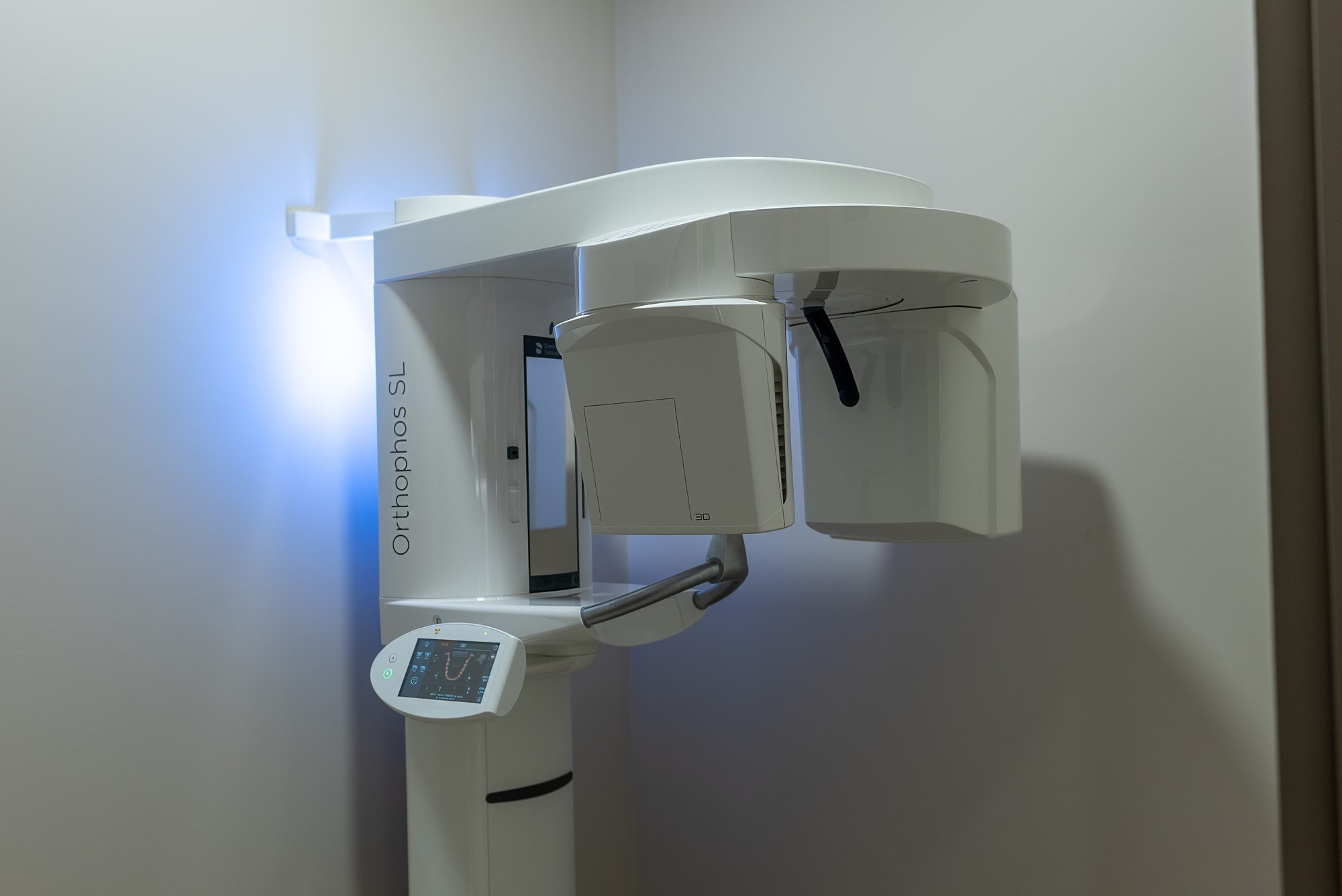
Check-ups, X-rays, cleans, fluoride varnish and fissure sealants.
Fillings and numbing
Many fillings can be numbed with an injection next to the tooth. UK consensus guidance quoted in the systematic review says local infiltration with a slow technique and a fine needle typically does not need factor, but that children may need cover before some injections if the haematologist advises. A nerve block, the injection that numbs half of the lower jaw, needs factor cover for both adults and children under the same guidance. The Australian consensus describes a risk of bleeding into the tissues with a nerve block in severe haemophilia and leaves that decision to the treatment centre.
Needs a plan
Extractions of permanent teeth or of baby teeth that are not ready to come out, and any cutting of the gum. These are planned with the treatment centre, sometimes in hospital.
In NSW, Haemophilia Foundation Australia lists treatment centres for children at The Children's Hospital at Westmead and Sydney Children's Hospital, Randwick. A letter from the dentist describing the proposed treatment, and a reply from the centre with its plan, keeps everyone aligned.
What to do, situation by situation
| Situation | What to do first | Who to call |
|---|---|---|
| Baby tooth wobbly | Let it come out on its own. Ice or pressure if it bleeds. | Treatment centre if bleeding persists for hours |
| Bleeding gums when brushing | Keep brushing gently twice a day. | Dentist if it lasts beyond a couple of weeks |
| Cut lip or torn frenum after a fall | Ice or an icy pole; keep your child calm. | Treatment centre if bleeding lasts 15 to 30 minutes or restarts |
| Needs a filling | Ask which injection is planned. | Dentist and treatment centre before the visit |
| Needs an extraction | Do not book it as a routine visit. | Treatment centre first, then the dentist |
| Starting contact sport | Ask about a custom mouthguard. | Treatment centre about which sports suit |
Sport, falls and mouthguards
A fall can split a lip or tear the frenum, the small fold of skin under the top lip. These bleeds look dramatic but often settle with ice. If not, follow the steps above.
For contact sports, a mouthguard may reduce injuries to the teeth and lips. A custom-made guard usually fits more closely than a boil-and-bite one. Which sports suit your child is a question for the haematology team.
How we approach this at Lumi Dental
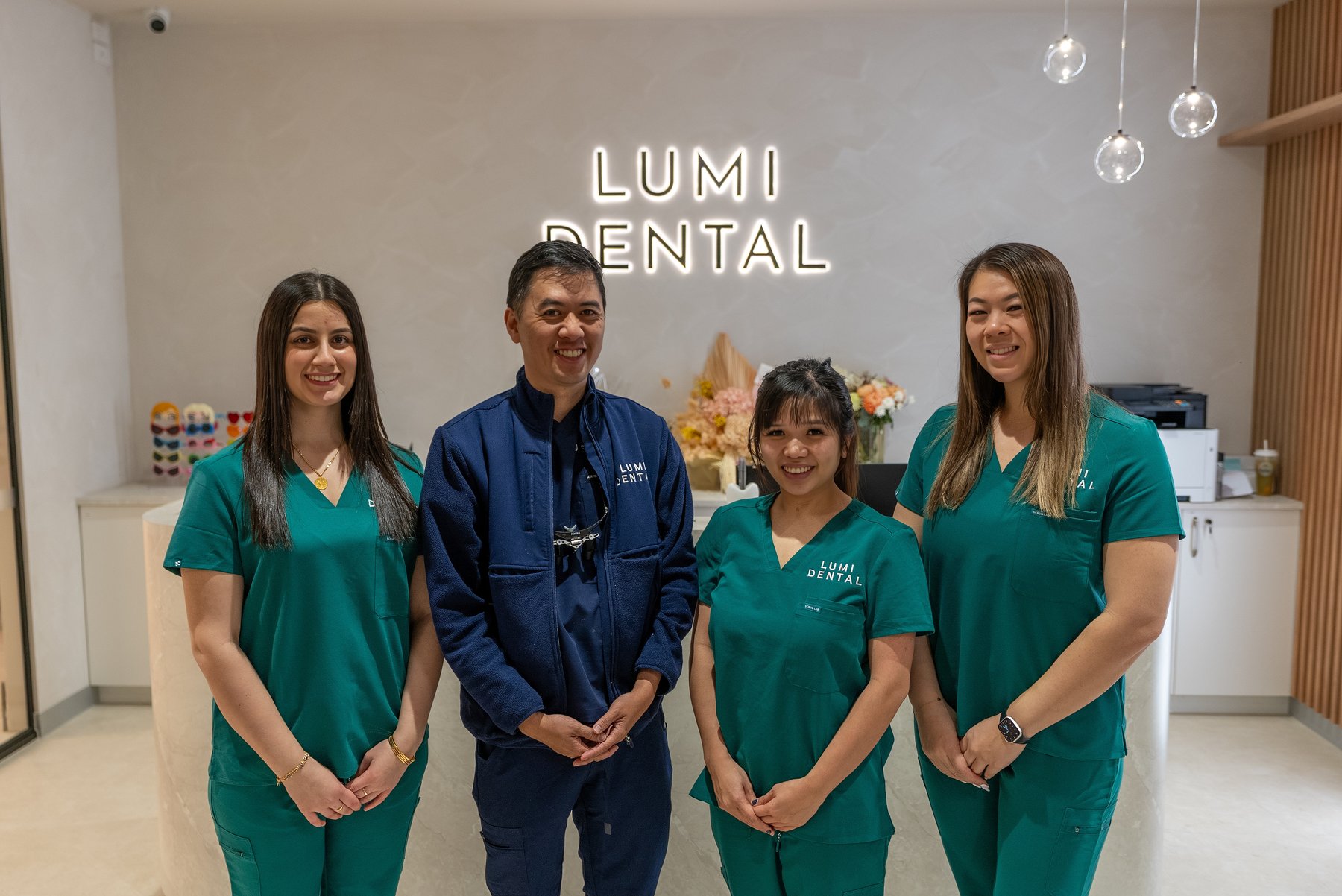
At Lumi Dental, a dentist examines your child's teeth and gums, and the oral health therapists provide cleans and preventive care. When treatment beyond prevention is needed, the team at Lumi Dental writes to your child's haemophilia treatment centre before planning it. Where hospital care or a general anaesthetic may be needed, children are referred to a paediatric dentist or hospital service; Lumi Dental does not provide general anaesthetic itself.
The whole practice accepts the Child Dental Benefits Schedule for eligible children. You can read more about children's dentistry at Lumi Dental.
Questions patients ask
Is it safe for a child with haemophilia to go to the dentist?
Yes. Check-ups and cleans are generally safe without factor, and regular visits make bigger procedures less likely.
What should I do if my child's baby tooth won't stop bleeding?
Use ice or firm pressure with a damp gauze swab and keep your child calm. If bleeding keeps going for 15 to 30 minutes, keeps restarting or your child vomits, call the haemophilia treatment centre.
Should my child stop brushing if their gums bleed?
No. Bleeding gums are usually caused by plaque, and gentle brushing is how they settle.
Does my child need factor before a filling?
It depends on the injection and on your child. Some numbing near the tooth may not need cover, while a nerve block does, so the dentist and the treatment centre decide together before the visit.
Does Medicare cover my child's dental check-ups?
Many children are eligible for the Child Dental Benefits Schedule through Medicare. Our guide to the Child Dental Benefits Schedule explains who is eligible.
Book your child's check-up at Lumi Dental, Melrose Park
If your child has haemophilia or von Willebrand disease, the team at Lumi Dental can see them for check-ups, cleans and prevention, and work with their treatment centre when more is needed. Read about children's dental care in Melrose Park, check whether your child is eligible for the Child Dental Benefits Schedule, or see current offers before you book. Families visit from Ryde, Parramatta, Ermington and Rydalmere, with on-site parking at Melrose Central.
Sources
- Haemophilia Foundation Australia: Mouth bleeds in bleeding disorders
- Haemophilia Foundation Australia: Gum bleeding
- Haemophilia Foundation Australia: FAQs, von Willebrand disease
- Haemophilia (Kumar and colleagues): Dental management for people with congenital haemophilia, a systematic review of the existing dental recommendations (PMC)
About the author

Dr James Tran is a general dentist at Lumi Dental in Melrose Park. He holds a BDent from the University of Sydney and a Graduate Diploma in Oral Implants, and is a Member of the International Congress of Oral Implantologists (MICOI).
This article is general information only and is not a substitute for an examination and individual advice from a registered dental practitioner. Suitability for any treatment varies from person to person.







