

Haemophilia and von Willebrand disease do not usually rule out dental implants, but implant surgery has to be planned with your haematology team so that clotting support and the surgery itself are agreed before the day. In a small prospective study of people with haemophilia, all 21 implants placed in 10 patients were successful at four months, with bleeding in 3 of the 15 surgeries. Planning dental implants with haemophilia or von Willebrand disease is mostly about timing, local bleeding control and making each surgical visit count.
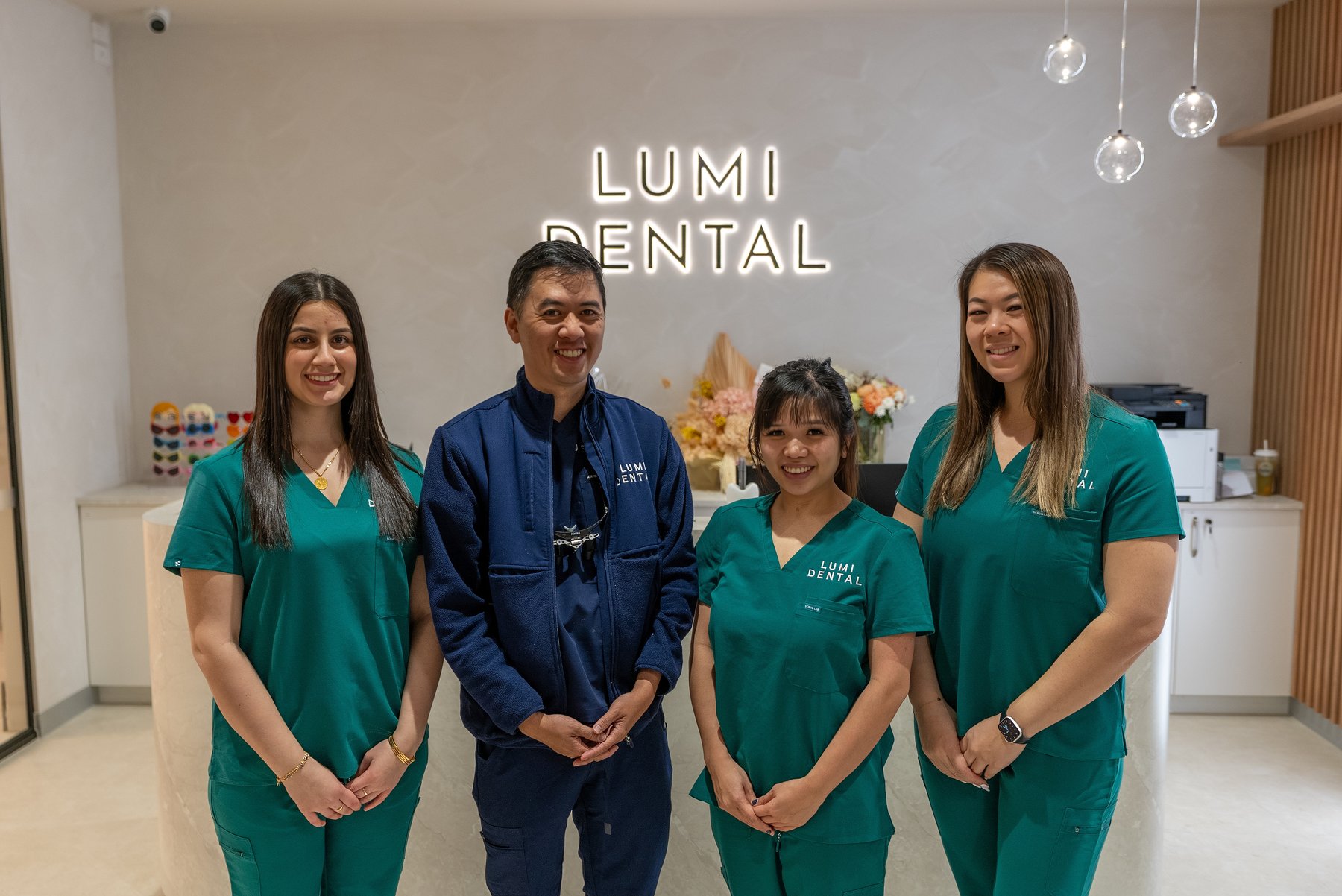
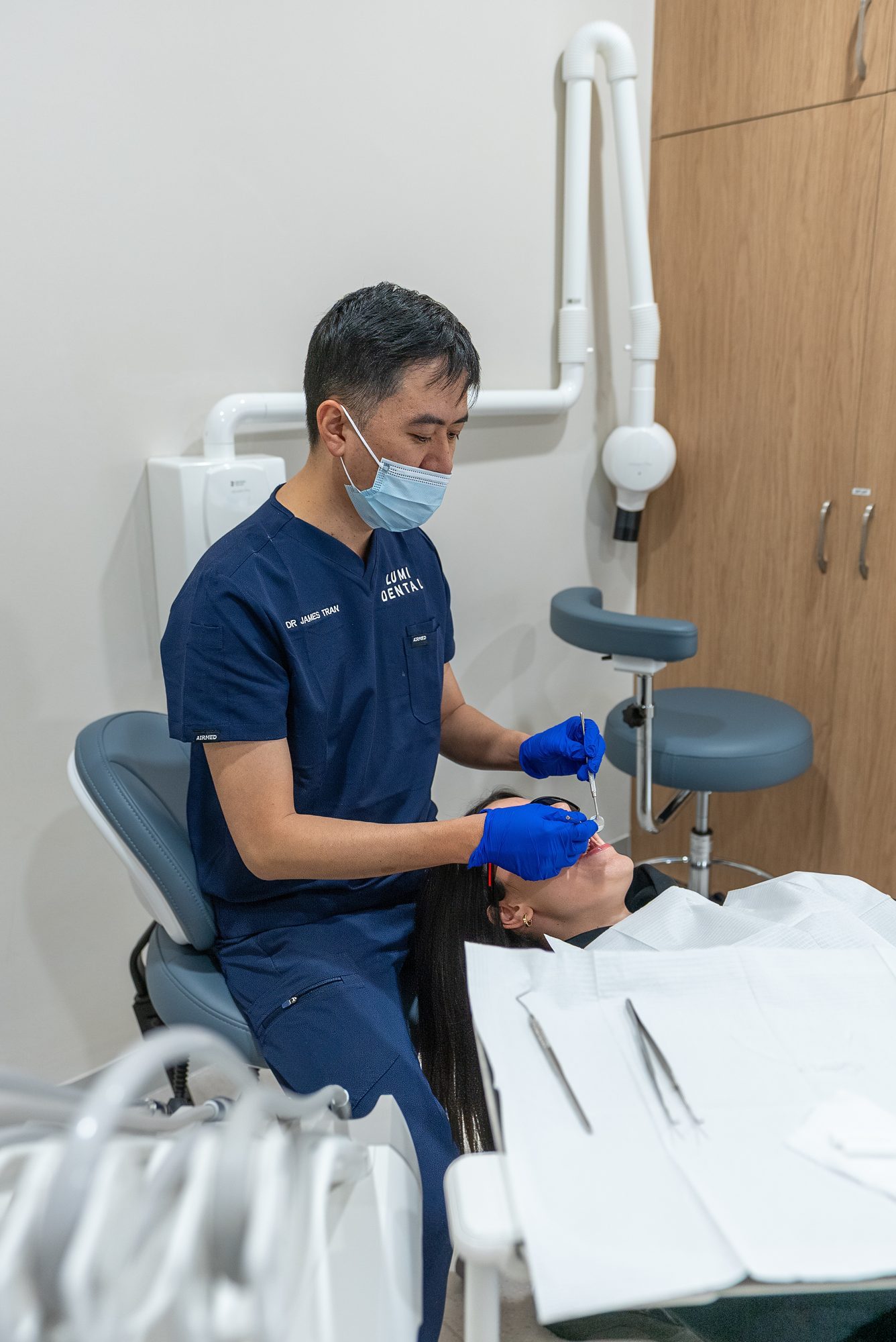
Written by Dr James Tran, BDent (University of Sydney), MICOI, GradDip (Oral Implants), general dentist at Lumi Dental in Melrose Park.
The short version
- Implant placement is surgery, so it usually needs a clotting plan from your haemophilia treatment centre, even for mild disease.
- The single rule: the haematology team plans the factor cover, the dentist plans the surgery, and both plans are agreed in writing before the day.
- Local measures such as stitches, packing agents, cold and tranexamic acid prescribed by the treating team do much of the work in the mouth.
- Anti-inflammatory pain relief such as ibuprofen is generally avoided unless your haematologist says otherwise.
- Fewer surgical visits can mean fewer days that need cover, so the dentist may combine steps where it is safe to do so.
- Blood thinner medicines are a different situation, covered in our article on dental implants and blood thinners.
Haemophilia and von Willebrand disease in brief
Haemophilia is a rare inherited bleeding disorder with low levels of clotting factor VIII (haemophilia A) or factor IX (haemophilia B). It is classed as mild, moderate or severe by the factor level in the blood, and women who carry the gene can also have low levels.
Von Willebrand disease is more common. A narrative review in the International Journal of Implant Dentistry (Römer and colleagues) states that it affects up to 1% of the population, though clinically relevant disease is much less common. It comes from too little von Willebrand factor, or factor that does not work properly. The review also reports complications after surgery in 67% of people whose von Willebrand disease was unknown at the time, compared with 6.7% of people who knew and had been treated beforehand. Knowing and planning makes a large difference.
Why the mouth needs its own plan
An article for Haemophilia Foundation Australia by a haemophilia clinical nurse consultant at Sydney Children's Hospital explains why mouth bleeds can be hard to stop: the mouth has a rich blood supply, saliva contains enzymes that can break down a weak clot, and chewing or a curious tongue can knock a new clot loose. Its advice is to contact your haemophilia treatment centre before any surgery in the mouth, however small.
The same article notes that routine check-ups and cleaning are generally safe without factor. Implant placement is different, because it means cutting the gum and preparing bone. The Römer review lists implant insertion with extractions as procedures that tend to need factor replacement, local measures or both.
The single rule: two plans, agreed in writing
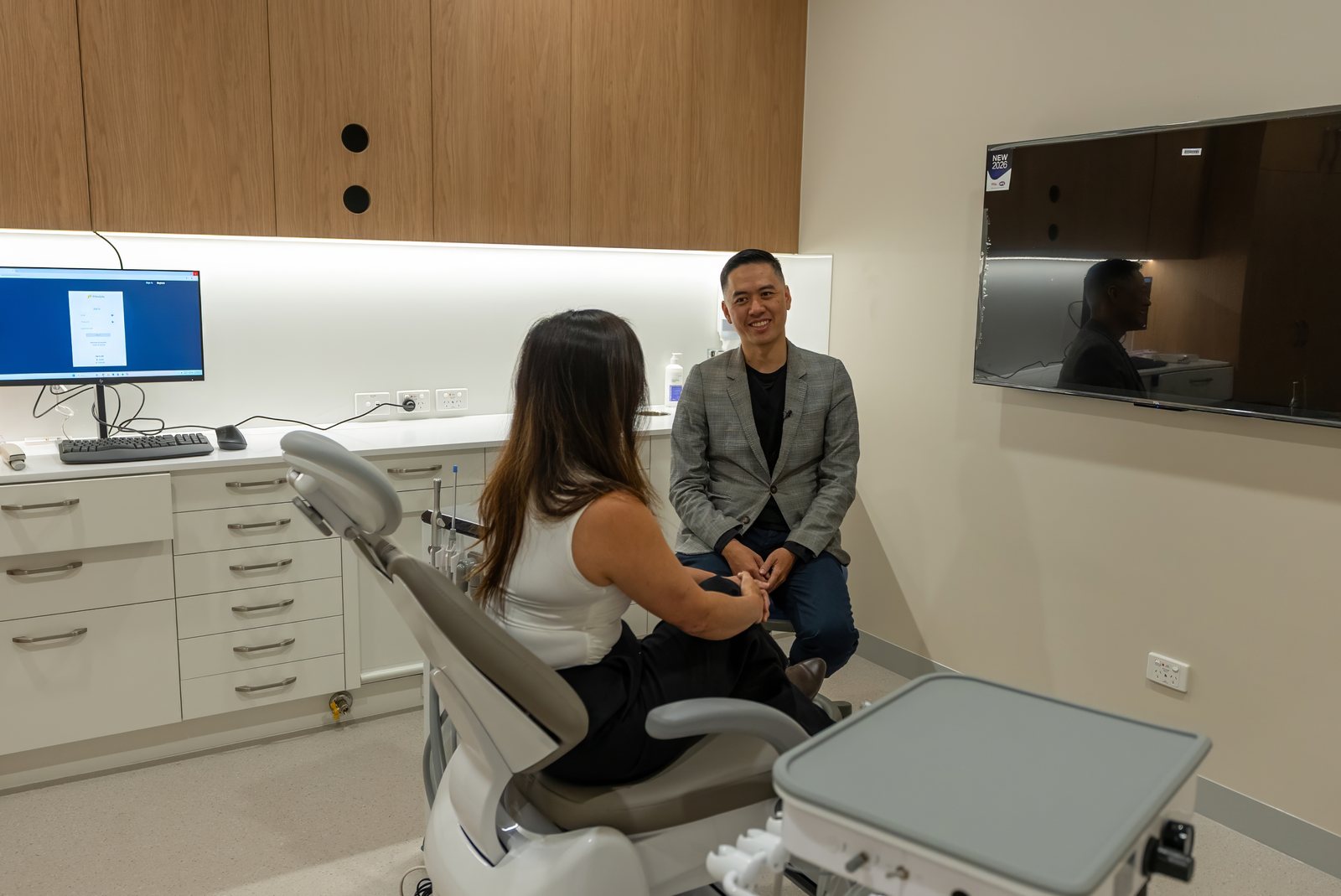
If you have haemophilia, von Willebrand disease or are a carrier with low factor levels, start with your haemophilia treatment centre, then the implant plan. The haematology team decides whether you need factor cover, which product, when it is given and whether any tests are done before or after. The dentist decides the number of implants, whether teeth come out first, whether bone grafting is needed and how long each visit will take.
In my experience the plans work best when they are written down and shared both ways. The dentist describes exactly what is planned and how long it should take; the treatment centre replies with the clotting plan for that visit. Nobody should be working it out on the morning of surgery. If you have ever developed inhibitors, the antibodies that can stop factor concentrate working, tell both teams early, as they change the approach considerably.
What the haematology plan usually covers at each step
Every plan is individual; this is a guide, not a protocol.
| Step | What happens | What the haematology plan usually covers |
|---|---|---|
| Consultation | Examination, medical history, talk about options | Usually nothing extra; bring your diagnosis and treatment centre contact |
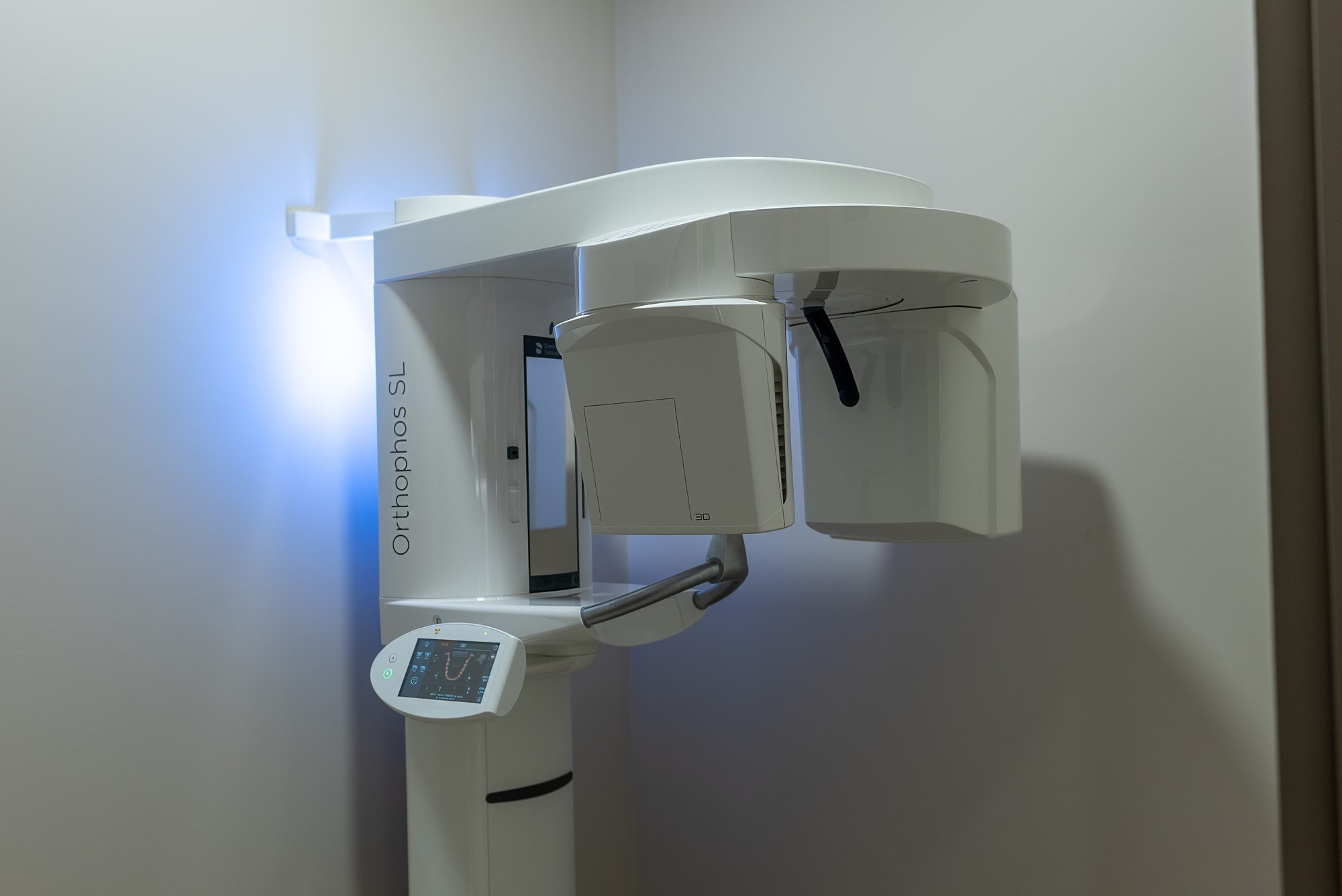
| Scans and impressions | 3D X-ray, digital scan of the teeth | Usually nothing extra, as these do not cut the gum |
| Extraction, if needed | Removing a failing tooth | Whether factor or other cover is needed, plus local measures and follow-up contact |
| Implant placement | Gum lifted, implant placed in bone, stitches | Factor cover or other treatment before surgery, any doses afterwards, tranexamic acid if prescribed |
| Uncovering or second stage | Small opening in the gum to reach the implant, if it was buried | Often a smaller plan; the team decides whether cover is needed |
| Crown fitting | Crown screwed or cemented onto the implant | Usually nothing extra, as no cutting is involved |
Local measures, anaesthetic and pain relief
Bleeding control in the mouth
Römer and colleagues describe local measures used in oral surgery for bleeding disorders: a gelatin sponge in the socket, fibrin glue, careful stitches, pressure, cooling and tranexamic acid, which helps protect the clot. As a mouthwash or tablet, tranexamic acid is prescribed by the treating team. Our guides to stopping bleeding after an extraction and caring for stitches after implant surgery cover the practical side at home.
Which numbing injection
Many teeth can be numbed with an infiltration injection close to the tooth, which the Römer review notes World Federation of Hemophilia guidelines describe as safe without factor cover. A lower jaw nerve block goes deeper, into muscle, and factor cover is recommended beforehand because a bleed there could, at worst, affect the airway. That advice is consensus based rather than trial based. Where possible the dentist chooses infiltration, and the two teams decide together when a block is needed.
Pain relief
The same review notes that non-steroidal anti-inflammatory medicines such as ibuprofen are considered unsuitable for people with haemophilia because they affect platelets, and that paracetamol is more often suggested. Your haematologist or GP confirms what is right for you, and the dentist writes it into the aftercare plan.
Fewer surgical visits, gums first
Each surgical visit may need its own clotting plan, so the number of visits matters. Where the bone allows, a dentist may place an implant on the day a tooth is removed, or use a 3D-planned guide so the implant can sometimes go in through a smaller opening in the gum. These are options, not promises; they depend on the bone, the gum and the tooth position.
Gum health comes first. Inflamed gums bleed more easily, and a scale and clean, with gum therapy where needed, gives a calmer surgical site.
Hepatitis C and HIV from older treatment products
Haemophilia Foundation Australia notes that some people with haemophilia acquired HIV, and some also hepatitis C, from older clotting factor concentrates made from human plasma. If this is part of your history, it does not stop you being assessed for an implant, and infection control is the same for every patient. Liver health, platelet count and current medicines can still shape the plan. Our article on dental implants with HIV or hepatitis B or C explains what to ask your doctor for.
What the research says
The evidence is small. The study quoted at the top, from the University of Buenos Aires (Gatti and colleagues), used a combined surgical and haemostatic protocol, and the authors called their results preliminary. The Römer review concludes that only poor to moderate evidence exists for oral surgery in people with haemophilia, with much of the guidance drawn from the experience of specialised centres. I usually describe the evidence to patients as encouraging but limited.
How we approach this at Lumi Dental
At Lumi Dental in Melrose Park, a dentist takes a full medical history, examines your teeth and gums and takes a 3D X-ray in house to measure the bone. The team at Lumi Dental writes to your haemophilia treatment centre, haematologist or GP before planning surgery, and the surgical date is set once the clotting plan is confirmed. Gum treatment is done first where it is needed. Complex cases, including people with inhibitors or severe disease needing hospital-based care, may be referred to a registered specialist or hospital service. Read more about dental implants at Lumi Dental.
Questions patients ask
Can you get dental implants if you have haemophilia?
Often, yes. Implants have been placed successfully when surgery is coordinated with the haematology team, although the studies are small.
Do I need factor before implant surgery with mild von Willebrand disease?
That is a decision for your haemophilia treatment centre, not the dentist. It depends on your type, your levels and the size of the surgery.
How long will I bleed after an implant with a bleeding disorder?
Some oozing for a day or so is common after any implant surgery. The HFA advice is to contact your treatment centre if a mouth bleed continues for longer than 15 to 30 minutes despite first aid, keeps stopping and starting, or if you vomit. Our implant recovery timeline shows what is normal day by day.
Can I take ibuprofen after implant surgery if I have haemophilia?
Usually not without your haematologist's agreement, because anti-inflammatory medicines affect platelets. Paracetamol is more often suggested. Follow the written pain relief plan you are given.
Can I have sedation for implant surgery with a bleeding disorder?
Often, after a medical review. Placing the cannula is a small procedure in itself, so the haematology team should know it is planned. Lumi Dental does not provide general anaesthetic itself and refers where it is needed, though IV sedation is available at the practice; our article on IV sedation for implant surgery explains the day.
Considering an implant? Complimentary implant consult in Melrose Park
If you live with haemophilia or von Willebrand disease and are thinking about replacing a missing tooth, the team at Lumi Dental can examine your mouth, take the scans and write to your haematology team so that both plans fit together. Contact Lumi Dental to book a complimentary implant consult, or read more about dental implants in Melrose Park. Patients visit from Ryde, Parramatta, Ermington and Rydalmere, with on-site parking at Melrose Central.
Sources
- International Journal of Implant Dentistry (Römer P and colleagues): Bleeding disorders in implant dentistry, a narrative review and a treatment guide (PMC)
- British Journal of Oral and Maxillofacial Surgery (Gatti PC and colleagues): Prospective observational study on the clinical behaviour of dental implants in patients with haemophilia, preliminary results (PubMed)
- Haemophilia Foundation Australia: Mouth bleeds in bleeding disorders
- Haemophilia Foundation Australia: HIV and bleeding disorders
About the author

Dr James Tran is a general dentist at Lumi Dental in Melrose Park. He holds a BDent from the University of Sydney and a Graduate Diploma in Oral Implants, and is a Member of the International Congress of Oral Implantologists (MICOI).
This article is general information only and is not a substitute for an examination and individual advice from a registered dental practitioner. Suitability for any treatment varies from person to person.







